
How to Donate Organs: Steps, Types, Registration & Important Facts
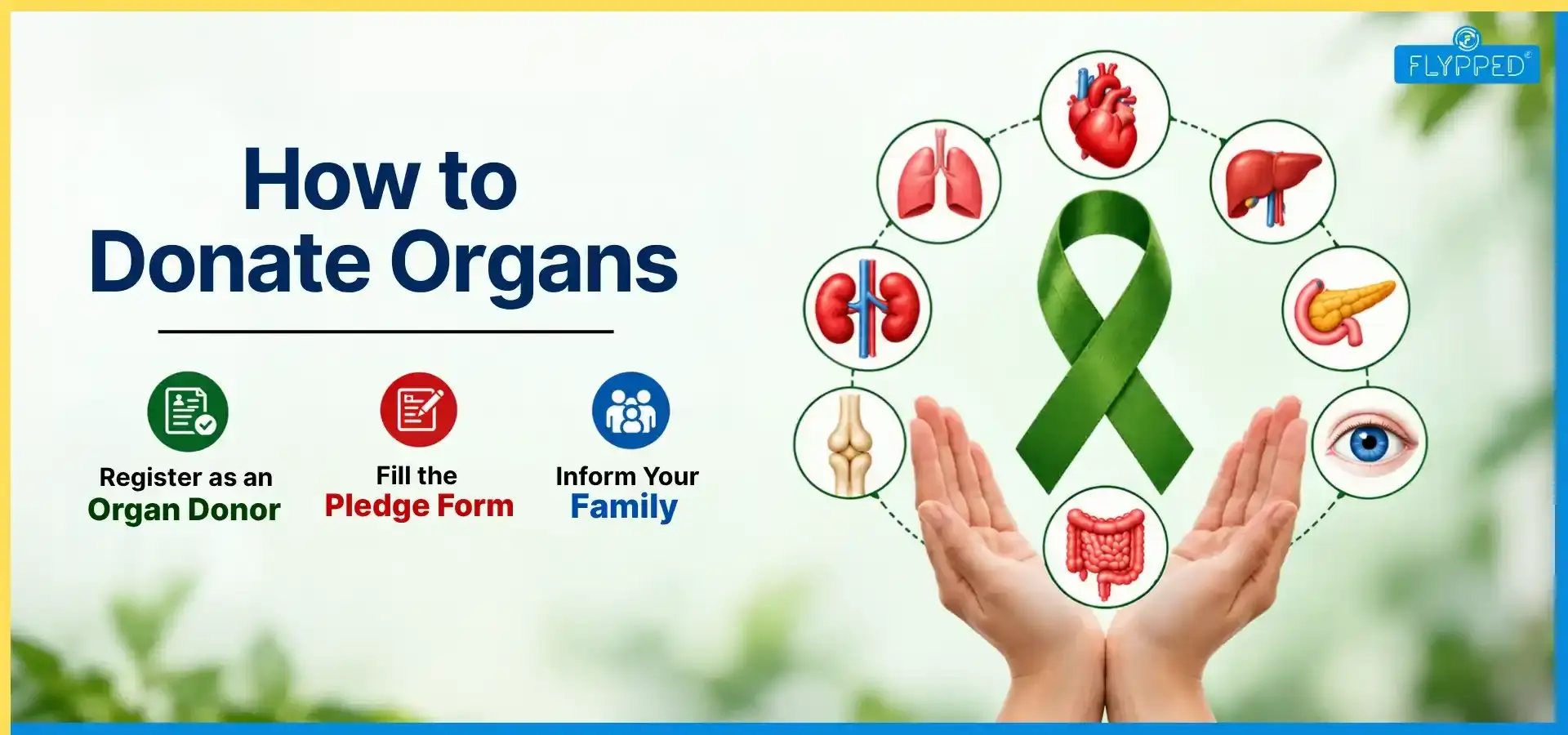
India has millions of people waiting for a transplant, yet only a tiny fraction of them ever get one. A single decision can save multiple lives, making it crucial to understand the significance of organ donation. In this article, you will learn about the importance of organ donation, the organ donation process, and how to donate organs effectively.
Why Organ Donation Matters
Organ donation holds immense significance, as it can transform lives and offer hope to individuals battling organ failure. This altruistic gesture has the power to save several lives, reflecting the very best of humanity. One donor can save up to 8 lives and improve many more through tissue donation.
The urgency for organ donation in India cannot be overstated, as there is a considerable gap between the demand and supply of organs. The emotional, social, and medical impact on recipients and their families is profound, highlighting the essential need for increased awareness regarding organ donation.
The need for organ transplants in India is significantly higher than the available supply. While awareness about organ donation is increasing, there’s still a long way to go in motivating more individuals to view this as a vital, life-saving choice.
The organ transplant rate in India falls significantly short of the growing demand, revealing a critical gap in our healthcare system. For example, although over 1.5 lakh people are affected by end-stage renal disease, only about 5,000 kidney transplants occur each year. Recent statistics reveal a staggering reality: around 2 lakh individuals lose their lives each year while waiting for an organ transplant.
Key challenges include myths, lack of awareness, infrastructure gaps, and religious concerns. The legal framework is governed by the Transplantation of Human Organs and Tissues Act (THOTA), 1994, with the National Organ and Tissue Transplant Organization (NOTTO) playing a crucial role in facilitating organ donation.
Types of Organ Transplantation and Donation
Organ donation can be broadly classified into two categories: living donations and deceased donations. Understanding these options empowers you to make a well-informed decision regarding this life-saving act.
Living Donation
In living donations, a healthy individual chooses to donate one of their organs, such as a kidney or a portion of their liver, while they are still alive. This type of donation can significantly enhance the quality of life for the recipient. Living donors often experience a sense of fulfilment and purpose, knowing that their actions have made a profound impact on someone else's life.
Deceased Donation
Deceased donations occur when an individual passes away and has registered their wish to donate their organs. This selfless act can save multiple lives and is often facilitated through a legal process that respects the donor's wishes. The families of deceased donors often find comfort in knowing that their loved one’s legacy will continue through the lives they have saved.
Tissue Donation
Tissue donation includes corneas, skin, bone, and heart valves, which can also be donated to help others. This aspect of organ donation is often overlooked but is equally important, as it can significantly improve the quality of life for many patients.
How to Donate Organs: Step-by-Step Guide
Step 1: Make an Informed Decision
Before making the decision to donate organs, it is essential to talk to your family about your wishes and ensure they support your choice. Open discussions about organ donation can help dispel myths and encourage a culture of acceptance. It is vital to understand the implications of your decision, how it aligns with your personal beliefs, and the positive impact it can have on others.
Step 2: Organ Donation Registration in India
To register, you can do so via NOTTO, state portals, or hospitals. This ensures that your consent is officially recorded and readily available when needed. Registration is a crucial step in the organ donation process, as it formalizes your wishes and aids in the efficient allocation of organs. It is advisable to keep a copy of your registration, as it can serve as a reference for discussions with medical professionals and family members.
Step 3: Fill Out the Organ Donation Form
The organ donation pledge form (Form 7) is where you express your willingness to donate. This form can be obtained from various sources, including hospitals and online platforms. It is important to fill out the form accurately and ensure that it reflects your true intentions. Take the time to read through the instructions carefully and consider consulting with healthcare professionals if you have any questions.
Step 4: Get Your Donor Card
After registration, you might receive a donor card as proof, which you should carry with you. This card serves as a reminder of your commitment and can be crucial in emergencies. It is advisable to inform your close family members about the card and its significance, so they are aware of your decision in the event of an emergency.
Step 5: Inform Your Family
It is vital to inform your family about your decision, as their consent is crucial at the time of donation. Educating your family members about the organ donation process can help them understand its importance and alleviate any concerns they may have. Encourage them to ask questions and engage in conversations about organ donation to foster a supportive environment.
Organ Donation After Death: What Happens?
Brain death versus cardiac death is a critical distinction, and each is certified differently. The role of the hospital and transplant coordinators is essential in ensuring that the process is handled with dignity. Not everyone is eligible for organ donation, and the organ donation process from certification to organ allocation is meticulously managed to respect the donor's wishes.
The donor's body is treated with dignity and returned to the family, ensuring that they can grieve and honour their loved one appropriately.
Living Donation Explained
Kidney Donation in India
Kidney donations are quite prevalent in India. If you're thinking about this option, it's crucial to understand the kidney transplant donor requirements. Typically, donors should be between 18 and 60 years old and in good health.
Kidney Transplant Donor Requirements
Eligibility criteria for kidney donors include age, health status, and compatibility with the recipient. Thorough medical and psychological evaluations are conducted before donation. Legal requirements include proof of relationship, authorization committee approval, and rules against organ trade. Recovery and life after donating a kidney are also essential considerations.
Myths vs Facts About Organ Donation
- My religion doesn't allow it." – Most religions support organ donation as a charitable act, viewing it as an opportunity to save lives.
- "Doctors won't try to save me if I'm a donor." – Medical professionals prioritize saving lives, and organ donation is only considered after all efforts to save a life have failed.
- "I'm too old or too unhealthy." – Many people are eligible to donate organs, regardless of age or health status; each case is assessed individually based on medical criteria.
- "It will disfigure the body." – Organ donation is conducted with care, and the body is treated respectfully, preserving its integrity.
- "I can't live normally after donating a kidney." – Many kidney donors return to their normal lives and do not experience significant lifestyle changes, often leading healthy lives post-donation.
Addressing these myths is vital for encouraging more individuals to consider organ donation. Education and awareness campaigns can help dispel misconceptions and promote a positive attitude towards organ donation.
How to Boost Organ Donation Awareness
Individuals can spread the word through family conversations, social media, workplaces, and schools. Key awareness days include Indian Organ Donation Day and World Organ Donation Day. The role of NGOs, hospitals, and government campaigns is crucial in raising awareness, along with inspiring real-life donor and recipient stories.
Community events, seminars and workshops can also be organized to engage people and provide information about the organ donation process. Collaborating with local celebrities or influencers can help amplify the message and reach a wider audience. Engaging in discussions with peers and sharing personal stories can also motivate others to consider becoming donors.
So, if you’re looking forward to donating your organs in the future and getting registered for the same cause then reach out to given mentioned sources below:
Conclusion
In summary, the process of registering to donate organs takes only a few minutes, but the impact lasts a lifetime. Take action today by registering, informing your family, and sharing this post to spread awareness about the importance of organ donation. Your decision could save lives and inspire others to do the same. It is vital to understand that every small step towards organ donation can lead to significant changes in the lives of those in need. Join the movement to promote organ donation awareness and help bridge the gap between organ demand and supply in India.
Frequently Asked Questions
Find answers to common questions about this topic
Generally, anyone can donate organs, but specific criteria must be met.
While there is no strict age limit, younger donors are preferred for certain organs.
Registration is generally free of charge.
Yes, you can withdraw your consent at any time.
A single donor can potentially donate multiple organs, including kidneys, heart, lungs, liver, and more.
Yes, NRIs can donate organs in India, but specific legal requirements must be followed.