Lithium Ion Battery vs Lithium Polymer Battery: Benefits, Features and Safety
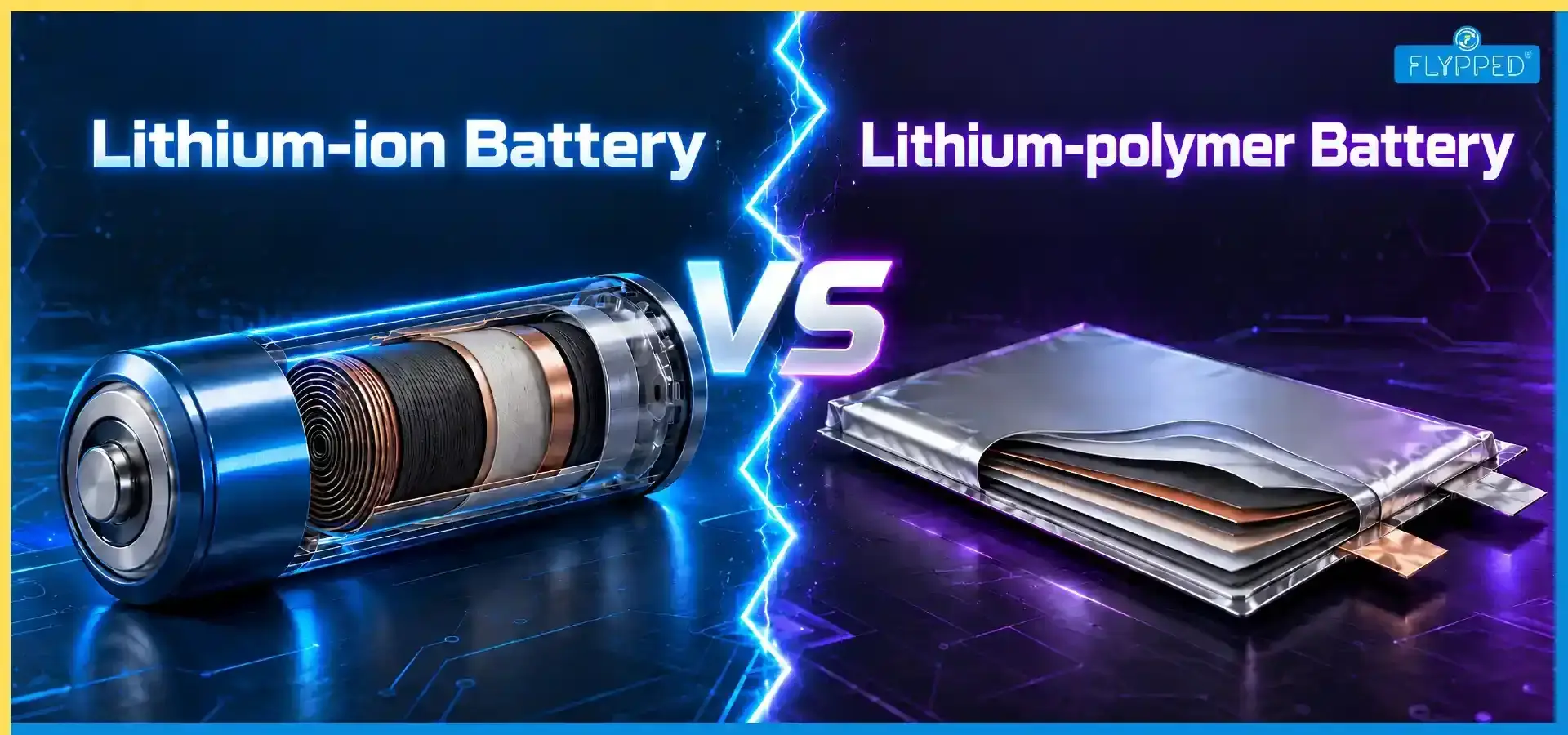
Lithium-ion and lithium polymer batteries are two widely used rechargeable battery types, each with unique characteristics and applications.
Understanding these differences can help you choose the right battery for your specific needs.
What is a Lithium-Ion Battery?
A lithium-ion battery consists of three key components: an anode, a cathode, and an electrolyte.
They're commonly found in everyday gadgets like smartphones and laptops because of their efficiency and reasonable price.
These batteries boast high energy density, meaning you can use them longer without recharging.
However, they can be sensitive to high temperatures, and if they sustain damage, they may pose safety risks.
What is a Lithium Polymer Battery?
Lithium polymer batteries feature a gel-like electrolyte, giving them the advantage of flexible designs and shapes.
This unique structure often makes them lighter than lithium-ion batteries, which contributes to their popularity in applications like drones and remote-controlled vehicles.
While they deliver decent energy density, they usually have a shorter lifespan and lower capacity than lithium-ion batteries.
This matters for those looking for long-term performance.
Lithium Ion Battery vs Lithium Polymer Battery: Key Differences
| Feature | Lithium-Ion Battery | Lithium Polymer Battery |
| Energy density | High energy density; stores more energy in a relatively small size | Modern Li-Po batteries offer slightly lower energy density but high efficiency. |
| Weight | Relatively lightweight but can be heavier due to rigid casing | Usually lighter because it uses a flexible pouch-style design |
| Shape flexibility | Limited; typically available in cylindrical or prismatic shapes | Highly flexible; can be manufactured in various thin and custom shapes |
| Cost | Generally more affordable and widely available | Usually more expensive due to manufacturing and packaging |
| Safety | Safe when properly managed; may overheat if damaged or improperly charged. | Generally safer, but damaged Li-Po batteries can swell or catch fire. |
| Charging speed | Good charging speed; depends on battery chemistry and charger | Can support fast charging, depending on the specific battery design |
| Lifespan | Typically offers a longer cycle life when properly maintained | Usually offers a comparable, sometimes shorter lifespan depending on usage. |
Advantages and Disadvantages
Both battery types have their own strengths and weaknesses.
Lithium-Ion Battery Advantages and Disadvantages:
Advantages
These batteries offer high energy capacity, a longer cycle life, and are backed by well-established technology.
Disadvantages
They can overheat, tend to be bulkier, and often require strict charging protocols for optimal performance.
Lithium Polymer Battery Advantages and Disadvantages:
Advantages
Known for being lightweight and flexible, these batteries are generally safer in terms of leakage risk.
Disadvantages
They typically have a shorter lifespan, cost more, and may be less stable in extreme conditions.
Ultimately, the choice between lithium-ion and lithium polymer batteries hinges on your specific application and performance requirements.
Understanding Lithium-Ion Batteries
What is a Lithium-Ion Battery?
A lithium-ion battery is a rechargeable power source that relies on lithium ions moving between the anode and cathode during charging and discharging.
This ion movement generates an electric current, making these batteries highly efficient for powering many devices.
You’ll often find them in everyday gadgets like smartphones, laptops, and electric vehicles. They’re prized for storing large amounts of energy in a compact size.
The structure of a lithium-ion battery includes three key components: the anode, typically made from graphite; the cathode, which is usually lithium cobalt oxide; and the electrolyte, consisting of a lithium salt dissolved in a solvent.
This design contributes to a high energy density, enabling them to provide substantial power relative to their weight and size.
Lithium Ion Battery Advantages and Disadvantages
Lithium-ion batteries offer several clear advantages:
- High Energy Density: They can store more energy than many other battery types, allowing devices to run longer between charges.
- Long Cycle Life: These batteries can handle hundreds to thousands of charge and discharge cycles, making them a dependable choice for long-term use.
- Lightweight Design: Their relatively light weight benefits portable electronics and electric vehicles, where minimising weight is essential for optimal performance.
On the flip side, there are some downsides to consider:
- Safety Concerns: Lithium-ion batteries can be hazardous if damaged or charged incorrectly. Overheating can lead to fires or explosions if safety protocols aren’t observed.
- Limited Lifespan: Although they boast a long cycle life, extreme temperatures and the number of charge cycles can reduce overall lifespan, potentially diminishing capacity over time.
To wrap up, lithium-ion batteries are a favoured choice for many applications because of their efficiency and reliability.
However, it’s crucial to weigh the benefits against potential drawbacks when deciding whether they meet your specific needs.
Exploring Lithium Polymer Batteries
What is a Lithium Polymer Battery?
A lithium polymer battery is a rechargeable battery that utilises a polymer electrolyte instead of a liquid one.
This innovation offers greater flexibility in shape and size, making these batteries ideal for a wide range of applications.
You’ll often find them powering devices like smartphones, drones, and electric vehicles, where they deliver a strong balance of high energy density and lightweight design.
Typically, a lithium polymer battery consists of a cathode made from lithium metal oxide, a carbon anode, and a polymer-based electrolyte.
This combination allows for efficient energy storage and release, which is essential for the performance of today’s electronics. So, what does this mean for you?
Lithium Polymer Battery Advantages and Disadvantages
Lithium polymer batteries offer several key advantages that make them attractive for particular applications:
- Flexible Form Factor: Their ability to be moulded into various shapes allows manufacturers to create sleeker, more compact devices.
- Lightweight and Compact Design: Their lightweight nature enhances portability, boosting device efficiency and ease of use.
- Safer than Lithium-Ion in Some Cases: The solid or gel-like electrolyte is less likely to leak, making them safer in certain situations, especially with punctures or damage.
On the flip side, there are some disadvantages to keep in mind:
- Generally Higher Cost: The manufacturing process for lithium polymer batteries often results in a higher price tag compared to lithium-ion alternatives, which can deter some consumers.
- Shorter Lifespan Compared to Lithium-Ion: While they perform well at first, lithium polymer batteries generally have a shorter lifespan, impacting their long-term viability in applications that require extended use.
By weighing these pros and cons, you can better determine if lithium polymer batteries are the right fit for your specific needs, especially when considering the broader "Lithium Ion Battery vs Lithium Polymer Battery" discussion.
Lithium Ion Battery vs Lithium Polymer Battery: Key Comparisons
Safety Comparison: Which Battery Is Safer?
When assessing the safety features of lithium-ion and lithium polymer batteries, lithium polymer batteries usually come out on top.
Lithium-ion batteries can overheat and, in some cases, catch fire or explode if they're damaged or charged incorrectly.
We've seen incidents with smartphones and laptops that underline these risks.
On the flip side, lithium polymer batteries use a gel-like electrolyte, which reduces the chances of leakage and boosts overall safety.
Experts agree that while both types have safety measures in place, the solid or gel-like structure of lithium polymer batteries makes them less likely to fail catastrophically.
As technology author Adrian Kingsley-Hughes pointed out, ‘’Safety in battery technology is paramount, and lithium polymer's structure presents fewer hazards compared to traditional lithium-ion designs."
Charging Speed and Efficiency Comparison
Charging speed is another vital factor to consider when comparing these two battery types.
Lithium-ion Battery Cycle Life: Generally, lithium-ion batteries take about 1 to 2 hours to charge fully, while lithium polymer batteries can do it in just 1 to 1.5 hours.
This quicker charging makes lithium polymer batteries particularly appealing for devices that need a fast turnaround.
Efficiency also plays a significant role in this comparison.
Lithium Polymer Battery Life: Lithium polymer batteries typically offer better discharge rates, making them ideal for gadgets that require a quick surge of power, like drones and remote-controlled vehicles.
Lithium Ion Battery vs Lithium Polymer Battery: Which Battery Is Better for Different Applications?
Both battery types have their strengths in various applications. Lithium-ion batteries are commonly found in consumer electronics, such as smartphones and laptops, thanks to their high energy density and reliability.
On the other hand, lithium polymer batteries excel in electric vehicles and drones, where lightweight and flexible designs are essential.
For instance, drones benefit from the lighter weight of lithium polymer batteries, which improves flight times and manoeuvrability.
While electric vehicles primarily use lithium-ion batteries for their higher capacity, some models are also exploring lithium polymer options.
Cost Comparison: Is Lithium Polymer Worth the Extra Price?
In terms of cost, lithium polymer batteries tend to be pricier than their lithium-ion counterparts.
The manufacturing process for lithium polymer batteries often results in higher prices, so consumers should weigh this against the performance advantages.
A long-term cost analysis reveals that although lithium polymer batteries might have a higher initial price tag, their safety features and performance in certain applications could justify the expense.
Your budget will ultimately depend on your specific needs and how frequently you plan to replace the batteries.
Understanding these key comparisons clarifies the ongoing discussion of lithium-ion versus lithium polymer batteries and helps you choose the best option for your needs.
Lithium Ion Battery vs Lithium Polymer Battery: Pros and Cons Summary
When you're choosing between a lithium-ion battery and a lithium polymer battery, it's crucial to consider their strengths and weaknesses.
Here’s a straightforward summary to help you make the right decision:
Lithium-Ion Battery
Advantages:
- High Energy Density: This battery type stores a substantial amount of energy, making it perfect for devices like smartphones and laptops.
- Long Lifespan: Typically offers more charge cycles than lithium polymer batteries.
- Cost-Effective: Often cheaper to manufacture, making them more accessible for everyday consumers.
Disadvantages:
- Safety Risks: They can overheat and, in rare situations, may catch fire if damaged or charged incorrectly.
- Rigid Design: Their hard casing limits their shapes and sizes, which can be a drawback for certain applications.
Lithium Polymer Battery
Advantages:
- Flexible Form Factor: These batteries can be shaped in various ways, making them ideal for sleek, compact designs.
- Lightweight: Ideal for portable devices, improving efficiency and ease of use.
- Safer in Some Scenarios: The gel-like electrolyte reduces the risk of leaks and punctures, improving safety.
Disadvantages:
- Higher Cost: Generally more expensive to produce, which might restrict their use in budget-conscious projects.
- Shorter Lifespan: While they perform well initially, their overall lifespan may not match that of lithium-ion batteries.
Key Takeaways for Consumers and Manufacturers
- Application Suitability: Go for lithium-ion if you need high energy storage and cost-effectiveness. Choose lithium polymer if design flexibility and weight matter more.
- Safety Considerations: Although both types have safety measures, lithium polymer batteries are often considered safer because of their construction.
- Budget Implications: Consider your budget and weigh longevity against initial cost when deciding between the two battery types.
Knowing these pros and cons will help you navigate the ongoing discussion of "Lithium Ion Battery vs Lithium Polymer Battery" and choose the best option for your needs.
Evaluating Your Needs
In the "Lithium Ion Battery vs Lithium Polymer Battery" discussion, consider how you plan to use the battery.
If high energy density and affordability are your top priorities, lithium-ion batteries are likely your best bet.
They're common in consumer electronics and offer a longer lifespan, making them a dependable option for many applications.
Conversely, if safety and design flexibility are essential for your projects, lithium polymer batteries might be the ideal choice.
Their lightweight, versatile design makes them ideal for devices like drones and electric vehicles, where every gram counts.
Making the Right Choice
Ultimately, your choice between these two battery types depends on your specific requirements.
Reviewing the advantages and disadvantages of each will help clarify which option fits best with your needs.
By considering factors like safety, charging efficiency, and overall costs, you'll be in a stronger position to select the right battery for your lifestyle or project.
As technology progresses, both lithium-ion and lithium polymer batteries are expected to advance, providing even more options for consumers.
Staying updated on these developments will help you make the best battery choice for your future endeavours.
Conclusion
Both lithium-ion and lithium polymer batteries hold unique strengths and weaknesses.
Your choice should align with your specific needs—whether that's safety, cost, or suitability for a particular application.
Understanding these aspects will help you make an informed decision.
Frequently Asked Questions
Find answers to common questions about this topic
Not necessarily. Lithium-ion batteries generally offer a longer cycle life, although lifespan depends on battery chemistry, charging habits, usage, and temperature.
LiPo batteries can be more expensive, have a shorter lifespan in some applications, and may swell or become damaged if overcharged, overheated, or physically punctured.
Yes. A lithium battery can power an AC appliance when connected to a suitable inverter. The battery capacity and inverter rating must be sufficient for the AC's power consumption.
Generally, yes. LiPo batteries tend to cost more because of their specialised manufacturing and flexible packaging, although prices vary by capacity, quality, and application.
Yes, as long as it is designed for inverter use and includes an appropriate Battery Management System (BMS). Proper installation, ventilation, charging, and compatible inverter settings are important for safety.