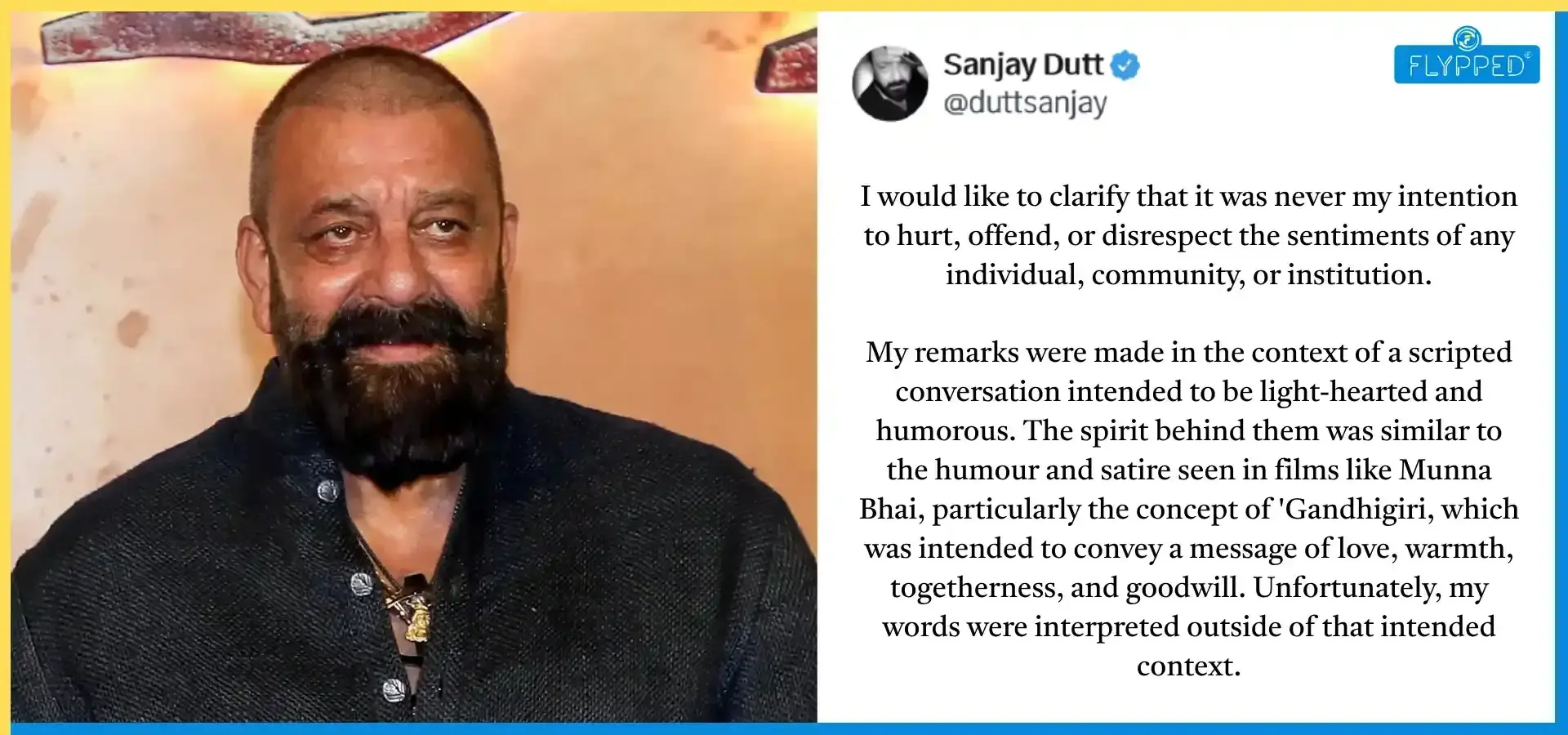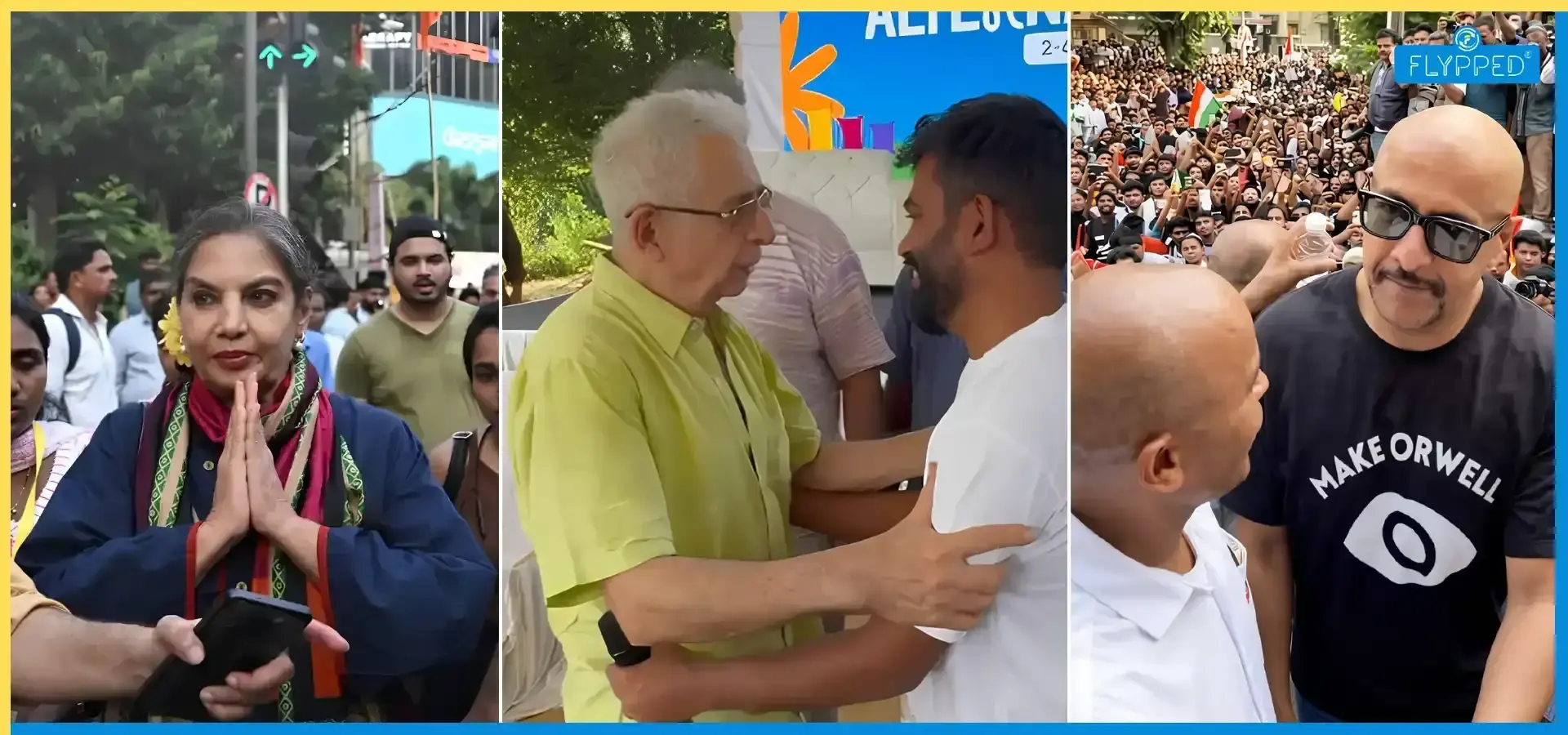
Piyush Mishra Slams Naseeruddin Shah Over ‘Selective Activism’ After CJP Controversy

Piyush Mishra is making waves with his strong criticism of fellow actor Naseeruddin Shah.
This clash between two notable figures in the Indian film industry has ignited passionate conversations.
Mishra's discontent arises from Shah's remarks about the “Cockroach Janata Party,” a phrase Shah used to label a particular political group.
This comment set off a ripple effect, leading Mishra to express his disagreement openly.
Piyush Mishra Statement | Calls for Artists to Stay Politically Aware
Mishra's words reveal his genuine concern about how politics intertwines with the arts.
He underscores the need for artists to stay informed about political currents, especially in the wake of recent events like the Naseeruddin Shah student protest.
This feud goes beyond personal conflicts, shining a light on larger issues facing the film sector and society as a whole.
Both actors boast substantial fan bases, making their exchange a focal point for varied opinions from supporters and detractors alike.
NOTE: Discover entertainment news, celebrity news, movie reviews, OTT releases, trending stories, and breaking news.
Mishra's viewpoint injects a fresh perspective into the ongoing Naseeruddin Shah controversy, advocating for a dialogue about the responsibilities of artists in political conversation.
As this story unfolds, it will be interesting to see how it impacts their careers and shapes public sentiment.
Piyush Mishra Slams Naseeruddin Shah | Background of the Controversy
The friction between two of India's most esteemed theatre and film personalities has brewed for some time.
Both actors boast a rich history in the dramatic arts, yet their contrasting views on political involvement have sparked a public debate.
The Initial Remarks by Piyush Mishra
The discord ignited when Piyush Mishra made a pointed statement regarding political commentary from senior actors.
He voiced his disappointment with how political factions were discussed in media interviews, particularly taking issue with Naseeruddin Shah's choice of labels like the Cockroach Janata Party to describe certain political groups.
Mishra asserted that artists have a responsibility to engage thoughtfully and avoid divisive language.
He emphasized that such terminology only serves to fragment the public rather than foster meaningful conversations.
His remarks gained considerable attention when Piyush Mishra Slams Naseeruddin Shah for leveraging celebrity status to deliver sharp political critiques.
Piyush Mishra on Naseeruddin Shah | Naseeruddin Shah's Responses
Naseeruddin Shah has a long-standing reputation for candidly addressing social issues.
In the wake of Mishra's comments, observers were quick to monitor Shah's responses during public appearances and discussions related to the ongoing Naseeruddin Shah controversy.
While he defended his right to share personal political views, his position intensified the debate among film enthusiasts.
Their shared background in theatre and parallel cinema added a layer of complexity to the situation.
Shah's steadfastness indicated that this ideological rift between two seasoned artists would continue to attract public scrutiny.
The Cockroach Janata Party and Its Implications
The phrase "Cockroach Janata Party," introduced by Naseeruddin Shah, has ignited considerable debate within Indian political circles.
Piyush Mishra's pointed critique of this phrase underscores the potential for division it creates.
By using such a term, Shah appears to imply that certain political factions deserve little regard, comparing them to pests.
This metaphor not only undermines the credibility of these groups but also risks alienating their supporters, intensifying political polarization.
Responses to Shah's terminology vary. While some political figures and members of the public embrace it as a bold expression of frustration, others view it as overly simplistic and harmful.
The backlash against Shah's words highlights a broader concern about the impact of language on political discourse.
Mishra's criticism serves as a reminder that artists have a responsibility to shape political discussions, encouraging them to promote unity instead of division. So, what does this mean in practice?
Smit Machchhar Bravery and Its Connection
Smit Machchhar’s bravery shines as a noteworthy example of civic engagement amid adversity.
His courageous actions resonate with the ongoing conversation sparked by the controversy surrounding Naseeruddin Shah.
Machchhar embodies the kind of boldness essential in both art and politics, standing in stark contrast to the divisive rhetoric that Mishra challenges.
In this debate, bravery is viewed not only in terms of physical acts but also in the willingness to engage thoughtfully with complex issues.
Mishra champions a more nuanced approach to political commentary, suggesting that true courage lies in questioning the status quo while fostering dialogue.
The link to Naseeruddin Shah’s participation in student protests enhances this viewpoint; both individuals represent different dimensions of artistic activism.
Shah’s involvement in student protests demonstrates a commitment to social causes.
His choice of language in the current controversy may undermine the very bravery he aims to embody.
Mishra's remarks call for a reassessment of how artists convey their beliefs, stressing that the way they express themselves can significantly shape public perception and engagement.
As the debate unfolds, the implications of the "Cockroach Janata Party" label and the notion of bravery in civic discourse will likely continue to dominate discussions surrounding their careers.
This clash not only reveals personal differences but also acts as a microcosm of the larger challenges artists face when navigating political landscapes.
Reactions from the Film Industry | Industry Peers Weigh In
Piyush Mishra Slams Naseeruddin Shah: The aftermath of Piyush Mishra's remarks about Naseeruddin Shah has sparked a range of reactions from actors and filmmakers alike.
Some of Mishra's colleagues have openly backed him, commending his bravery in addressing what they see as divisive speech.
On the other hand, there are those who defend Shah's right to voice his opinions, stressing the importance of freedom of expression within the artistic community.
Statements from industry figures have been quite varied. A number of well-known actors have turned to social media to share their thoughts on the matter, igniting trending discussions.
These conversations often center on the responsibilities of artists, with debates emerging over whether political commentary should be approached with caution or embraced boldly.
Such discussions underline the complexities facing the film sector when it comes to political involvement.
Social media has transformed into a lively platform for opinions, with trending hashtags connected to both Mishra and Shah.
Supporters of Mishra celebrate his push for meaningful dialogue, while Shah's fans argue for the importance of strong political statements in today's climate.
These differing viewpoints reveal a community wrestling with the impact of their peers' words and actions.
Piyush Mishra Slams Naseeruddin Shah | Audience Reactions and Public Sentiment
Public sentiment regarding this issue is also split. Many fans resonate with Mishra's viewpoint, valuing his call for unity and constructive discussion.
Polls on social media show that a notable portion of the audience advocates for a more cautious approach to political commentary from public figures.
Conversely, Shah's supporters maintain that his provocative language serves as a necessary strategy in the current political landscape.
Surveys reflecting audience feelings illustrate this divide, with some viewers believing that artists should challenge norms to inspire transformation.
This schism in public opinion mirrors larger cultural conversations about political discourse in India today.
When contrasting the responses to Mishra's and Shah's statements, it’s evident that the audience is both engaged and passionate about this dialogue.
Many express a wish for artists to tread carefully in these discussions, while others push for greater boldness.
This ongoing conversation encourages reflection on the role of artists in society and their obligations regarding political engagement.
As events continue to unfold, the reactions from both the film sector and the public will matter for shaping the narrative surrounding this controversy.
The discussions ignited by Piyush Mishra's criticism of Naseeruddin Shah persist, emphasizing the delicate balance between art and activism in modern India.
Conclusion
The ongoing conflict between Piyush Mishra and Naseeruddin Shah has sparked wider debates about art, politics and the responsibility of artists in public discourse.
Mishra’s criticism highlights the need for meaningful dialogue and unity, while Shah’s provocative remarks have drawn attention and divided opinions.
Supporters of Mishra favour a measured approach, whereas Shah’s advocates argue that strong statements are sometimes necessary.
The controversy reflects broader cultural debates in India over artistic freedom and political expression.
As the disagreement continues, its impact may extend beyond both actors, influencing how celebrities address sensitive social and political issues and shaping discussions about activism, language and responsibility in the entertainment industry.
Read More:
- Best Oscar Winning Indian Movies
- Bollywood Celebs Support Mumbai CJP Protest, Demand Gyanesh Kumar’s Resignation
- Hanuman Ansh Crosses ₹400 Crore Worldwide as Neem Karoli Baba TV Show Gains Attention
- Income Tax Officials Search Bollywood Locations: Rakul Preet Singh, Vashu Bhagnani & Panorama Studios
- Siwet Tomar Eviction from Rise and Fall 2 after Physical altercation with Shehzad Poonawalla
- India's Got Latent 2 Controversy: Complaint Filed Against Mukesh Chhabra and Netflix India