
Benefits of Donating Blood: How It Supports Your Health & Saves Lives
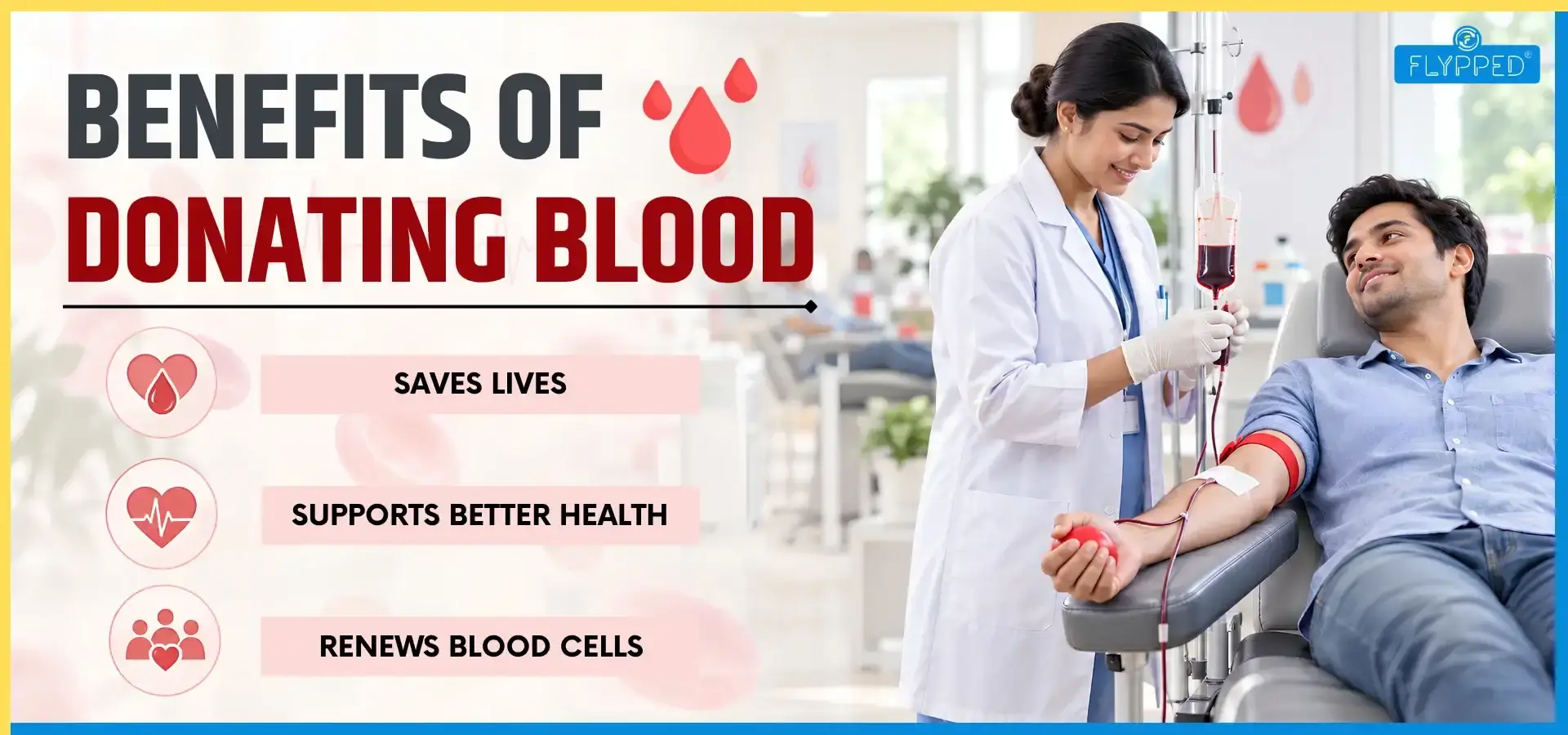
Donating blood is not just a one-time act; it is a lifestyle choice, akin to exercise or volunteering. Each donation has the potential to save lives and improve your health, making it an essential service.
In this article, we will explore the numerous benefits of donating blood, the importance of donating blood, who can donate and how to prepare for your donation.
The Importance of Donating Blood: Why Your Pledge Matters More Than You Think
Blood cannot be manufactured; it only comes from donors. Many individuals require blood for various reasons, including accident victims, surgery patients, cancer patients, new mothers and those suffering from conditions like thalassemia or sickle cell disease. One donation can save up to three lives through component separation (red cells, plasma, and platelets).
Blood has a short shelf life, making regular donations essential. In India, approximately 12 million units of blood are required annually to meet medical needs, yet only a small fraction of eligible individuals donate regularly. This shortfall can lead to severe shortages during crises, such as natural disasters or accidents. Your pledge to donate blood could be the difference between life and death for someone in need.
7 Benefits of Donating Blood You Never Knew About
A Free Mini Health Check-Up
Before you donate blood, you will undergo a pre-donation screening that covers your pulse, blood pressure, temperature, and hemoglobin levels. This mini health check-up can provide insights into your overall health.
Health Benefits of Donating Blood for Your Heart
Regular blood donation can contribute to improved cardiovascular health. Research indicates that maintaining optimal iron levels reduces the risk of heart disease. However, findings are still being studied, and it's crucial to stay informed about your health.
Helps Reduce Excess Iron Stores
For individuals prone to iron overload, such as those with hemochromatosis, donating blood can help manage iron levels under medical guidance.
Burns Calories (Sort Of)
While it is often cited that donating blood burns approximately 650 calories per pint, it's essential to note that this should not be viewed as a weight-loss method. The act of donating is more about helping others than losing weight.
A Boost to Your Mental Well-Being
The "helper's high" is a real phenomenon. Many donors experience a sense of purpose and reduced stress after giving blood. The emotional uplift can significantly enhance overall well-being.
Encourages Healthier Habits
Donating blood often motivates individuals to adopt healthier habits, such as consuming iron-rich foods, staying hydrated, and monitoring their health regularly.
Stimulates Fresh Blood Cell Production
When you donate blood, your body replenishes what is lost, prompting bone marrow to produce new blood cells. This process is vital for maintaining good health.
Who Can Donate Blood? Check If You're Eligible
Understanding who can donate blood is crucial to ensuring a steady supply of this life-saving resource. Eligibility criteria generally include being aged between 18 to 65, being in good general health, and having no active infections.
Conditions or situations that may defer you from donating blood include recent tattoos or piercings, pregnancy, certain medications, recent travel or illness, and low hemoglobin levels.
Blood Donation Weight Requirements Explained
The minimum weight for blood donors is generally around 50 kg (110 lbs). This requirement ensures that there is sufficient blood volume for donation while maintaining the donor's safety. Note that the requirements may vary by country and blood bank, so it is essential to confirm locally.
How Often Can You Donate Blood?
In India, whole blood can typically be donated every 3-4 months for men and every 4 months for women. It's essential to verify with your local blood bank. Platelets and plasma have different donation intervals.
| Donation Type | Waiting Period |
| Whole Blood | Every 3-4 months (men)/ Every 4 months (women) |
| Platelets | Every 2 weeks |
| Plasma | Every 28 days |
What Actually Happens When You Donate? A Step-by-Step Walkthrough
- Registration and Health Questionnaire: You will fill out a form detailing your medical history.
- Mini Physical Screening: A health professional will conduct a brief physical examination, they will check hemoglobin levels which is a serious parameter for blood donors as low hemoglobin candidates are advised not to donate blood. Also, BP and sugar levels are also checked before proceeding ahead.
- The Donation Itself: The actual donation takes about 8-10 minutes. Donors are asked to assert pressure on the active arm for better regulation of blood and avoid the chances of clotting.
- Rest and Refreshments: After donating, you will have time to rest and enjoy refreshments for about 15 minutes atleast. Some might feel dizzy after donating blood, they are advised to rest a little longer or consult a medical practitioner.
This process is straightforward and designed to reassure first-timers while reducing fear.
Side Effects of Donating Blood: What's Normal and What's Not
- Common side effects of donating blood can include dizziness, fatigue, bruising at the needle site and lightheadedness.
- Rarely, individuals may experience fainting, nausea or prolonged bleeding.
- To minimize side effects, it is advisable to hydrate well, eat beforehand and avoid heavy lifting afterward. If you experience any concerning symptoms, do not hesitate to call a doctor.
What to Eat After Donating Blood: Your Recovery Plate
- Eating the right foods after donating blood can aid in your recovery. Focus on iron-rich foods such as spinach, lentils, red meat, tofu and fortified cereals.
- These foods are crucial for replenishing your iron levels, which may be temporarily lowered after donation.
- Additionally, include vitamin C-rich foods to boost iron absorption such as oranges, bell peppers, and amla. Vitamin C enhances the body’s ability to absorb iron effectively, making it an essential part of your post-donation diet.
- Hydration is equally important; consider drinking water, coconut water and fruit juices to replenish lost fluids.
- It is advisable to avoid alcohol, caffeine and fatty foods for the first few hours after donation as they can hinder recovery.
For a simple one-day post-donation meal plan:
- Breakfast: Oatmeal with fruits such as bananas or berries, which provide essential nutrients and energy.
- Lunch: Lentil curry with brown rice, providing a good balance of protein and carbohydrates essential for recovery.
- Dinner: Grilled chicken with a spinach salad, which not only adds iron but also provides vitamins and minerals.
- Snacks: Nuts and dried fruits are excellent for quick energy and are packed with nutrients.
By following these dietary recommendations, you can ensure a smooth recovery and help your body restore its iron levels effectively.
Checklist: What Not to Do After Donating Blood
After donating blood, it’s essential to follow some guidelines to ensure your recovery is smooth:
- Avoid Strenuous Exercise: Refrain from heavy lifting or intense workouts for at least 24 hours.
- Stay Away from Alcohol: Avoid alcohol consumption for at least 24 hours post-donation as it can lead to dehydration.
- Caffeine Caution: Limit caffeine intake to prevent increased heart rate and dehydration.
- Do Not Skip Meals: Ensure you eat balanced meals rich in iron and vitamins to aid recovery.
- Stay Cautious with Hot Showers: Avoid very hot showers immediately after donating, as they may cause dizziness.
Ready to Donate? How to Prepare and Find a Donation Center
Before your donation, ensure you have a checklist: get enough sleep, eat a healthy meal, hydrate adequately and carry your ID.
You can donate at local blood banks, hospitals, the Red Cross, and during donation drives. Consider bringing a friend or making it a group activity to enhance the experience.
Conclusion
The benefits of donating blood extend far beyond the act itself. It is a vital service that saves lives and offers numerous advantages for your health. Regular blood donation can lead to improved cardiovascular health, lower risks of certain diseases, and enhanced mental well-being.
Remember, the eligibility criteria are designed to make it accessible for most healthy adults, so check if you meet the requirements and consider making this noble gesture a regular part of your routine.
By donating blood, you're not just saving lives; you're also investing in your health. The next time you see a blood donation camp or receive a call from a local blood bank, remember the profound impact your contribution can make. Your small effort can lead to significant positive changes for both yourself and those who depend on this life-saving resource.
Frequently Asked Questions
Find answers to common questions about this topic
Donating blood can reduce the risk of heart disease, improve iron levels, and enhance overall health.
Common side effects include slight fatigue and bruising at the donation site, but these typically resolve quickly.
It’s recommended to consume iron-rich foods and hydrate well after donation to aid recovery.
Generally, individuals can donate blood every three months, depending on health and eligibility.
Most healthy adults aged 18 and above, meeting weight and health criteria, can donate blood.