
Importance of Women Education: Why Educating One Girl Can Change an Entire Nation
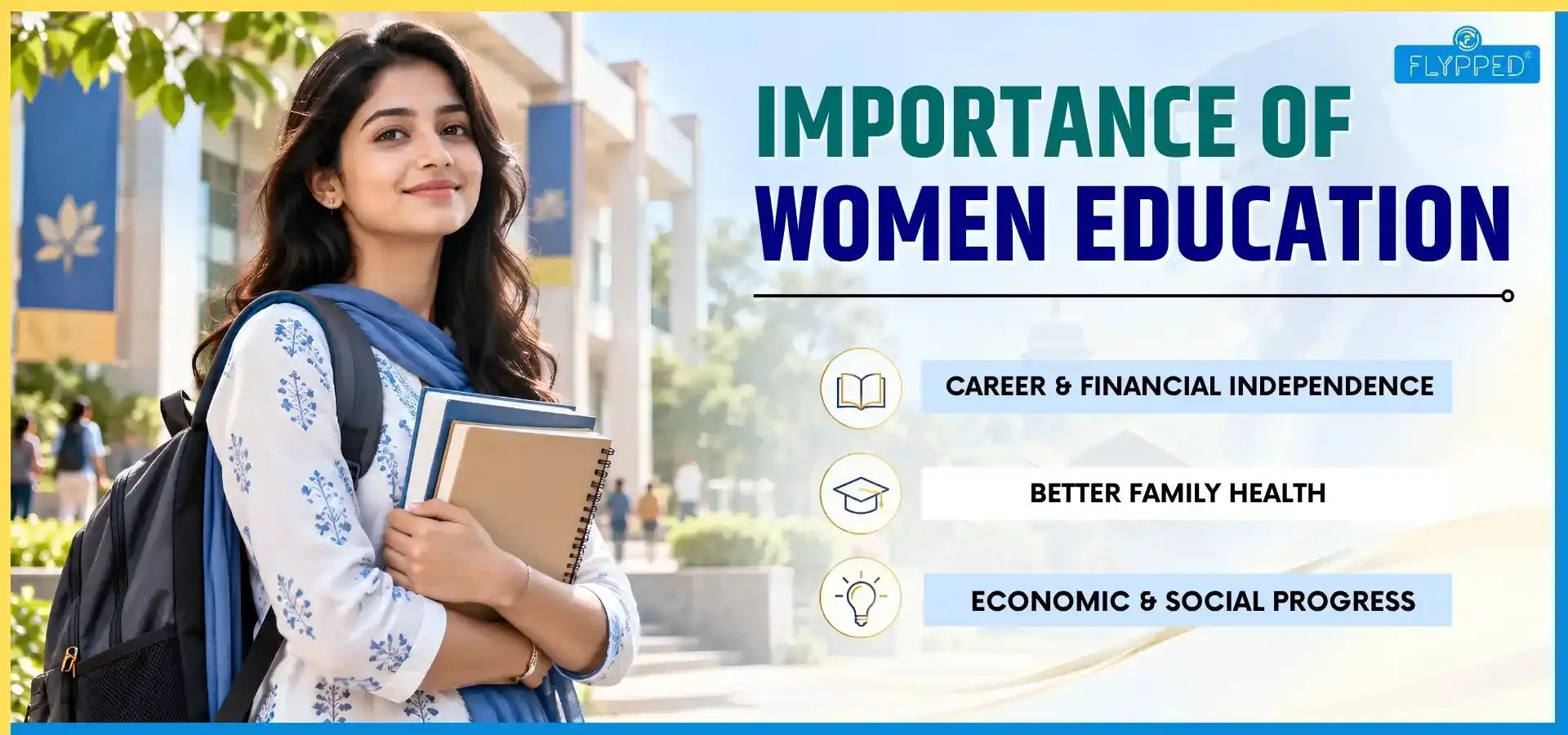
Did you know that educating women can increase a country's GDP by up to 3%? This staggering statistic highlights the importance of female education and raises a critical question: why is women education important? The ripple effects of women's education extend far beyond individual success, transforming families and communities.
The Current Picture: Women Education in India
In India, the landscape of women education is disheartening. As of recent statistics, the literacy rate for females stands at around 70%, compared to over 84% for males. This significant gap highlights the challenges faced in women education in India.
Moreover, enrollment rates for girls in secondary education are considerably lower, with many dropping out due to various socio-economic factors. The importance of female literacy cannot be overstated; it is crucial for both individual empowerment and national development.
Why is Women Education Important?
The importance of women education cannot be overstated. It has profound implications for health, decision-making, family income, and national development. Educated women have better health outcomes, as they are more informed about nutrition and healthcare. They are also more likely to participate in the workforce, leading to improved family income that contributes to overall economic growth. Furthermore, when women are educated, they are empowered to make informed decisions that affect their families and communities, ultimately driving national progress.
Top Benefits of Women Education
Higher Family Income
Educated women contribute significantly to their household income, leading to improved living standards. Studies show that each additional year of schooling can increase a woman's earnings by up to 10%. In India, a woman's income can rise from ₹1,500 to ₹3,000 per month with just a secondary education.
Better Child Health Outcomes
Women with education are more likely to ensure that their children receive proper healthcare and nutrition. Research indicates that educated mothers are 50% more likely to immunize their children, resulting in better health outcomes. In rural areas, this translates to a 40% lower infant mortality rate for children of educated mothers.
Reduced Child Marriage Rates
Education empowers girls to make informed choices, delaying marriage and allowing them to pursue their aspirations. For every year a girl stays in school, the risk of child marriage decreases by 6-14%. In India, states with lower female literacy rates see child marriage rates as high as 47%, compared to just 18% in states with higher literacy.
Increased Participation in the Workforce
Educated women are more likely to secure stable jobs, contributing to economic growth. The World Bank estimates that increasing women's participation in the workforce could boost GDP by $2.9 trillion in India by 2025. Currently, women make up only about 27% of the workforce, showcasing the untapped potential.
Enhanced Social Status
Education elevates women's status in society, fostering gender equality and social justice. Countries with higher female literacy rates tend to have lower rates of domestic violence and better socio-economic conditions. In India, states with over 60% female literacy report a 35% decrease in domestic violence incidents.’
Education as Empowerment
Educating women is intrinsically linked to confidence, independence, and a voice in society. The role of women education in society is vital; it enhances decision-making skills and fosters a greater sense of autonomy.
When women are educated, they can advocate for their rights and the rights of their children, ensuring that their voices are heard in community and national discussions. Furthermore, education builds self-confidence, empowering women to challenge societal norms and pursue their aspirations.
In India, the highest literacy rates for women are found in Kerala (92%) and Delhi (86%), while the lowest are in Bihar (51%) and Rajasthan (60%). These disparities in literacy highlight the need for targeted interventions to empower women through education.
Career Opportunities Unlocked by Education
Education opens doors to various career paths, entrepreneurship, and leadership roles. Women education and career opportunities are intertwined; educated women are more likely to take on leadership roles in their fields, inspiring future generations to follow suit.
By investing in women's education, we are not only advancing their careers but also contributing to the overall progress of society. For instance, women in India with a college degree earn approximately ₹25,000 per month on average, compared to ₹10,000 for those without higher education.
Furthermore, women with education are more likely to start their own businesses, with studies showing that 40% of women entrepreneurs have at least a secondary education. This not only boosts their income but also contributes to job creation in their communities.
The Roadblocks: Challenges of Women Education
Despite the clear advantages, numerous challenges persist in women education:
- Cultural Barriers: Families often prioritize the education of boys over girls, influenced by societal norms. In many communities, there is a prevailing belief that educating girls may not yield returns in the form of economic contributions.
- Safety Concerns: Lack of safe transportation and school environments deters families from sending girls to school. Reports indicate that nearly 50% of parents cite safety as a significant reason for not allowing their daughters to attend school.
- Poverty: Economic constraints lead families to withdraw girls from school in favour of immediate financial contributions. Approximately 30% of families in rural India report that they cannot afford to keep their daughters in school.
- Early Marriage: Many girls are forced into marriage before completing their education, significantly reducing their opportunities. In certain states, the average age of marriage for girls is as low as 16 years, which is often before they finish their secondary education.
- Infrastructure Deficits: Inadequate educational facilities, particularly in rural areas, limit access to quality education for girls. Over 60% of rural schools lack basic facilities such as toilets and clean drinking water, which disproportionately impacts girls.
Addressing these challenges is crucial to unlocking the potential that educated women have to offer.
What Can Be Done?
To overcome these obstacles, a multi-faceted approach is necessary. Governments can implement policies that promote the importance of female education, such as financial incentives for families to educate their daughters. Several government initiatives aim to enhance women's education in India:
- Beti Bachao Beti Padhao: A flagship national advocacy campaign that promotes the survival, protection and education of the girl child. It works at the community level to eliminate gender bias and improve school enrollment rates.
- Kasturba Gandhi Balika Vidyalaya (KGBV): Offers residential schooling facilities at the upper primary and secondary levels for girls from disadvantaged groups, including Scheduled Castes (SC), Scheduled Tribes (ST) and Other Backward Classes (OBC) in remote areas.
- Sukanya Samriddhi Yojana: A government-backed small savings scheme tied to the Beti Bachao Beti Padhao initiative that allows parents to build a dedicated tax-saving fund for their daughter's higher education and future expenses.
- Balika Samriddhi Yojana: Provides post-birth conditional cash transfers and annual scholarships ranging from ₹300 to ₹1,000 for girls attending school up to class 10 from families below the poverty line (BPL).
- CBSE Udaan Scheme: Focuses on preparing female students in classes 11 and 12 for technical and engineering entrance exams by providing free online resources, study materials and tutorials.
- AICTE Pragati Scholarship: Offers financial assistance of up to ₹30,000 per year plus incidental charges to meritorious girl students pursuing technical diploma or degree courses.
Community initiatives can help reshape cultural perceptions and raise awareness about the importance of educating girls. Individual actions, such as mentorship and support, can also play a significant role in empowering girls to pursue their education.
In the words of an advocate: "The next Einstein could be a girl who never got the chance to go to school." This powerful statement underscores the urgency of addressing the barriers to women's education.
Conclusion
The importance of women education extends far beyond individual achievements; it is a powerful force for change that uplifts families and communities. Investing in female education not only enhances women's lives but also paves the way for a more equitable and prosperous society. The benefits of women education are immense, and we must continue to champion this cause, ensuring that every girl has access to quality education. By doing so, we are investing in the future of society as a whole.
Frequently Asked Questions
Find answers to common questions about this topic
Educating women fosters economic independence, enhances health and opens up better educational opportunities for future generations.
Female literacy drives economic growth, alleviates poverty and boosts community engagement.
Women encounter challenges such as socio-economic barriers, cultural expectations and safety issues that impede their access to education.
Educated women are more equipped to make informed health choices, which leads to better health outcomes for their families.
Numerous government policies, community initiatives and NGO efforts strive to enhance female education and address existing obstacles.