Richest Royal Family in India: Top Dynasties, Net Worth and Royal Legacy
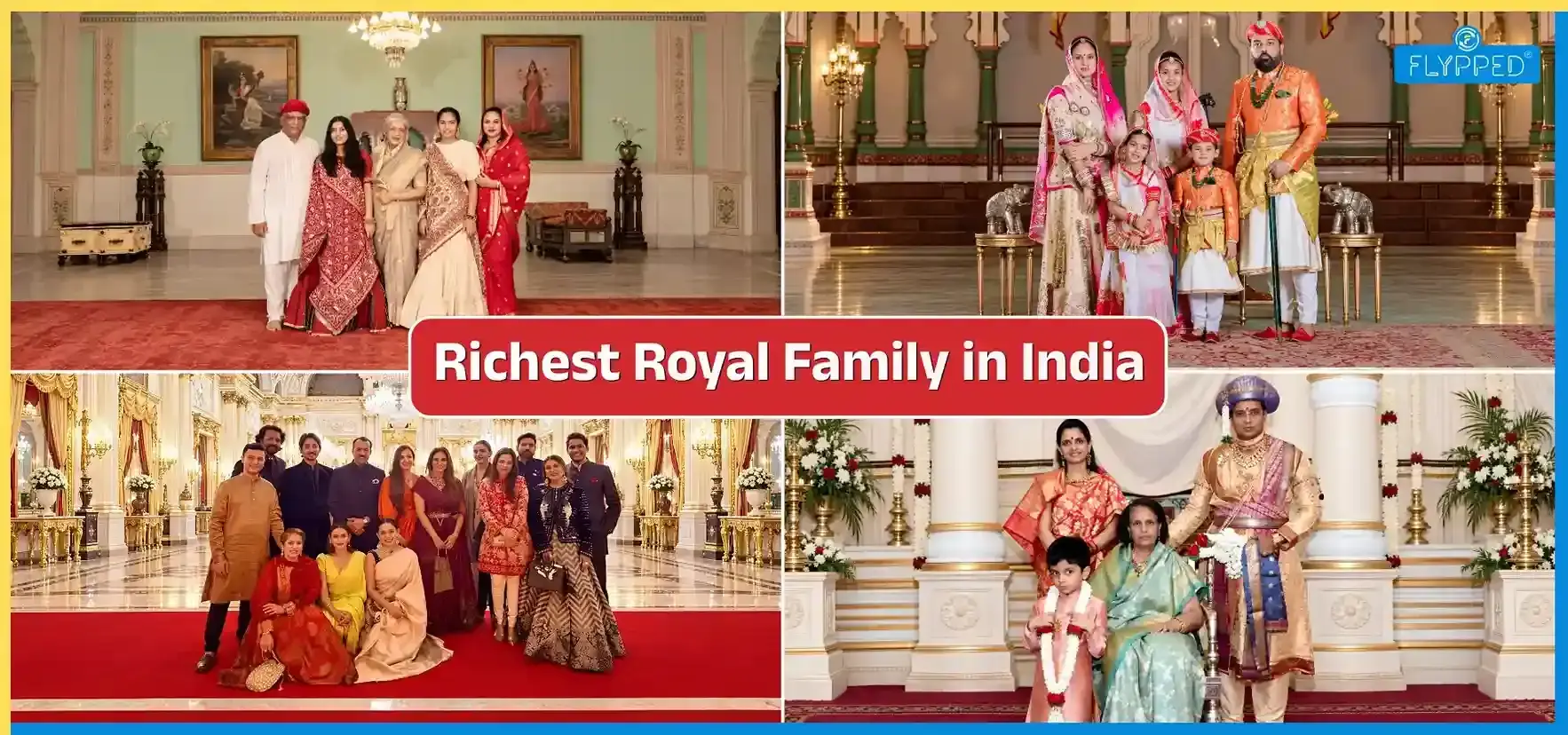
The wealth of India's royal families is a captivating subject, blending rich history, culture, and modern luxury. When we talk about India's richest royal family, we consider their lineage and the significance of their heritage today.
These families' fortunes typically come from ancestral estates, wise investments, and various business ventures.
What exactly defines the richest royal family in India? It goes beyond mere financial wealth; it also includes cultural influence, historical importance, and the ongoing effort to maintain their legacy.
Many royal families have turned their grand palaces into luxury hotels and heritage sites, showcasing their opulence while honouring their storied past.
When comparing wealth among Indian royal families, the differences are often striking. Some families have amassed significant financial resources, while others focus on their cultural contributions rather than their bank accounts.
The modern lifestyle of Indian royal families is a fascinating mix of traditional values and contemporary luxury, drawing public interest and admiration.
Understanding the importance of Indian royal heritage today is crucial. It not only provides insights into India's rich history but also helps preserve the stories and traditions that continue to shape the nation.
The Wealthiest Lineage: Overview of India's Royal Families
Historical Context of Indian Royal Heritage and Princely States
The history of Indian princely states extends back centuries, featuring a diverse array of kingdoms and dynasties.
Long before British colonial rule, India was home to numerous princely states, each governed by its own royal family.
These families held substantial power and influence, often deriving their wealth from landholdings, taxes, and trade.
As colonialism swept across India in the 18th and 19th centuries, many royal families faced challenges that impacted their wealth.
The British employed a policy of indirect rule, allowing some princes to keep their titles and estates while exerting control over their administration.
This reduced traditional power and changed how royal families managed their assets.
Some adapted by forming lucrative partnerships or diversifying their investments, paving the way for the modern wealth we witness today.
What Defines the Richest Royal Family in India?
Several key indicators come into play when identifying India's richest royal family.
Wealth isn’t just measured in monetary terms; it also encompasses the value of extensive assets, such as real estate, businesses, and impressive art collections.
The family's historical significance also matters; those with deep-rooted ties to India's past often command respect and influence in contemporary society.
Cultural impact is equally important. The wealthiest royal families often help preserve Indian heritage through philanthropy, support for the arts, and maintaining historical sites.
This cultural engagement not only enhances their stature but also reflects their commitment to the nation.
Public perception of these families varies, shaped by their actions and how they navigate modernity.
Some embrace a lifestyle that fuses tradition with contemporary trends, showcasing their wealth through grand events and luxurious living.
Others may opt for a more understated approach, focusing on heritage conservation and community involvement.
Ultimately, the characteristics that define India's richest royal family extend beyond financial metrics.
Their ability to blend historical significance with modern relevance highlights their lasting impact on India's cultural landscape.
As we explore this topic further, we can appreciate the complexities of wealth and legacy among these remarkable lineages.
Top Richest Royal Families in India
India’s royal families aren't just relics of a bygone era; they embody a rich legacy of wealth, culture, and influence that still resonates today.
Let’s take a closer look at India's richest royal families, exploring their storied histories, current financial standing, and significant contributions to society.
1. Royal Family of Jaipur
The Royal Family of Jaipur is the richest royal family in India. It has a rich legacy shaped by valour, culture, tradition, and contributions to Rajasthan’s heritage.
Maharaja Sawai Jai Singh II founded Jaipur in 1727 and was a visionary ruler known for astronomy, architecture, and city planning.
Maharaja Sawai Ram Singh II promoted arts and education, while Maharaja Sawai Man Singh II supported modernisation and social reforms.
The royal family remains closely linked with festivals such as Teej, Gangaur, and Diwali. It has also helped preserve historic landmarks like the City Palace.
Today, royal descendants support charitable initiatives, education, healthcare, heritage conservation, tourism, and cultural activities, keeping Jaipur’s royal identity alive.
2. Royal Family of Jodhpur
The Royal Family of Jodhpur has a rich legacy rooted in Rajasthan’s princely history. In 1459, Rao Jodha founded Jodhpur, with the magnificent Mehrangarh Fort becoming a lasting symbol of its royal heritage.
Over the centuries, the city’s traditions evolved through political and cultural ties, including its association with the Mughal Empire.
Maharaja Jaswant Singh contributed to Jodhpur’s development, while Maharaja Gaj Singh continued the legacy through infrastructure, arts, and cultural initiatives.
The royal family supports folk arts, artisans, education, philanthropy, tourism, and heritage conservation.
Several royal properties now operate as luxury heritage hotels, helping preserve Jodhpur’s culture and boost tourism.
3. Mewar Royal Family
The Mewar Royal Family is also the richest royal family in India. It is one of the world’s oldest royal dynasties, with a history spanning over a thousand years.
Founded by Bappa Rawal in the 6th century, Mewar produced legendary rulers like Maharana Kumbha and Maharana Pratap, known for their bravery and resistance against Mughal forces.
Udaipur later became the dynasty’s capital and a symbol of its enduring legacy.
The family contributed significantly to Rajasthan’s architecture, art and culture. Landmarks like Udaipur’s City Palace and Kumbhalgarh Fort reflect its Rajput heritage.
Traditional festivals such as Teej, Gangaur and Diwali remain part of its cultural legacy.
Today, Maharana Arvind Singh Mewar continues efforts to preserve Mewar’s heritage and traditions.
4. Gaekwad Royal Family of Baroda
The Gaekwad Royal Family of Baroda has a fascinating history closely linked with India’s cultural and political heritage.
Known for their contributions to regional development and strong support for the arts, the Gaekwads have left a lasting legacy in Baroda.
The dynasty traces its roots to the 18th century, when it began as a small military unit under the Maratha Empire.
Over time, the Gaekwads rose to prominence and established control over Baroda, transforming it into an influential princely state.
The family played an important role in developing Baroda’s art, architecture, education and infrastructure.
They supported several cultural institutions, including the Maharaja Fateh Singh Museum, Baroda Museum and Picture Gallery, and Sayaji Rao Gaekwad Library.
Maharaja Sayajirao Gaekwad III is particularly remembered for his progressive reforms in education and infrastructure.
His vision helped modernise Baroda and improve access to education, contributing significantly to the region’s social development.
Today, the Gaekwad family continues to preserve its royal heritage through cultural and community initiatives, keeping its historic legacy alive in modern Baroda.
5. Wadiyar Dynasty
The next richest royal family in India, the Wadiyar Dynasty played a major role in shaping Karnataka’s cultural and political history.
Founded in 1399 by Raja Wadiyar I, the dynasty ruled Mysore for centuries and contributed significantly to art, architecture, education, and social welfare.
Through strategic alliances, military victories, and effective leadership, the Wadiyars expanded the Mysore kingdom and strengthened its regional influence.
Their most famous legacy is the magnificent Mysore Palace, an icon of Karnataka’s architectural heritage.
They also promoted music, dance, education, literacy, healthcare, and public welfare.
The late 19th and early 20th centuries marked Mysore’s Golden Era, bringing economic, administrative, and cultural progress.
Today, their legacy remains deeply rooted in Karnataka’s heritage and traditions.
6. Gwalior Royal Family
The Gwalior Royal Family has a rich history closely linked with India’s cultural and political heritage.
Gwalior’s royal legacy was shaped by Rajput and Maratha traditions, with Raja Man Singh Tomar playing a notable role and building the iconic Gwalior Fort.
Over the centuries, the family witnessed battles, political changes and shifting alliances, including major transformations during British rule.
Maharaja Scindia contributed to Gwalior’s modernisation through education, infrastructure, roads and the arts. Later generations entered politics and social initiatives.
Today, the family’s legacy lives on through historic forts, palaces, cultural traditions, philanthropy and contributions to education, healthcare and community development.
7. Patiala Royal Family
The Patiala Royal Family is a prominent lineage deeply connected with Punjab’s history, culture, and heritage.
Its roots trace back to the 18th century and Maharaja Ala Singh, who founded Patiala as a princely state.
During British rule, the family retained its royal status and influence while adapting to changing political circumstances.
The royals also contributed significantly to art, architecture, music, dance, and literature.
Landmarks such as Qila Mubarak and Moti Bagh Palace showcase their architectural legacy. Their philanthropic efforts supported education and community welfare.
Today, the family remains involved in public life and cultural initiatives, representing Punjab’s rich royal heritage, traditions, and modern identity.
8. Nawabs of Pataudi
When it comes to the richest royal family in India, the Nawabs of Pataudi cannot be overlooked.
This family holds a significant place in India’s royal history, known for their rich legacy, cultural contributions, and social influence.
Founded in the early 18th century, the Pataudi state traced its roots to the Mughal era.
Nawab Mansoor Ali Khan Pataudi, famously known as Tiger Pataudi, became one of India’s celebrated cricketers and captains.
The iconic Pataudi Palace reflects the family’s royal heritage and Indo-Saracenic architecture.
Over generations, the family has contributed to cinema, sports, fashion, arts, and culture.
Today, members like Saif Ali Khan continue the family’s legacy while embracing modern values and public life.
9. Bhopal Royal Family
The Bhopal Royal Family has a rich history closely linked to the city’s cultural and political development.
Bhopal emerged as a princely state in the late 18th century under Nawab Dost Mohammad Khan, who established the royal lineage.
Over the years, its rulers contributed to the region’s infrastructure, education, economy, and cultural identity.
The family was associated with iconic landmarks such as Taj-ul-Masajid and Sadar Manzil, reflecting Bhopal’s royal architectural heritage.
They also supported arts, education, and cultural institutions through various initiatives.
Even today, members remain involved in social, charitable, and cultural activities, preserving their enduring connection with Bhopal.
10. Travancore Royal Family
The Travancore Royal Family is also the richest royal family in India. It holds an important place in Kerala’s history, with lasting contributions to culture, education, governance, and social reform.
The kingdom rose to prominence in the 18th century under Maharaja Marthanda Varma, who strengthened Travancore against regional rivals and colonial influence.
The royal family supported education and promoted music, dance, literature, and the arts.
Maharaja Swathi Thirunal was both a ruler and renowned musician whose compositions remain part of Kerala’s classical heritage.
Maharani Sethu Lakshmi Bayi was known for progressive social reforms, especially women’s education and welfare.
Their legacy continues through Kerala’s cultural heritage and institutions.
Estimated Net Worth of Major Indian Royal Families
| Royal Family | Estimated Net Worth |
| Mewar Royal Family, Udaipur | ₹10,000 crores |
| Gaekwad Royal Family, Baroda | ₹20,000–24,000 crore+ |
| Royal Family of Jodhpur | ₹22,000–22,400 crore |
| Royal Family of Jaipur | ₹20,000 crore+ |
| Wadiyar Dynasty, Mysore | ₹10,000 crore+ |
| Bhopal Royal Family | ₹10,000–15,000 crore+ |
| Patiala Royal Family | ₹63 crore |
| Nawabs of Pataudi | ₹800 crore+ |
| Travancore Royal Family | ₹10,000 crore |
| Gwalior Royal Family | ₹4,000 crore to ₹40,000 crore |
Modern Lifestyle of Indian Royal Families
The daily lives of Indian royal families blend tradition and modernity, resulting in a lifestyle that captures public fascination.
Here are some key aspects of their contemporary existence:
Daily Life and Public Engagements
Many royal families actively participate in public life, attending events that highlight their cultural heritage.
These appearances often reflect their dedication to philanthropy and social causes, allowing them to connect meaningfully with the community.
Philanthropy and Social Initiatives
Royal families often lead efforts to improve education, healthcare, and social welfare.
Their philanthropic work shows responsibility toward society, ensuring their wealth contributes positively to others' lives.
Fashion and Cultural Representation
These families' fashion choices often reflect their heritage. By mixing traditional attire with modern styles, they honour their roots while embracing current trends.
This cultural representation signifies their role as cultural ambassadors, preserving and promoting Indian traditions.
The modern lifestyles of royal families provide a glimpse into how they navigate contemporary life while staying connected to their rich heritage.
Their ability to balance tradition with modern values underscores the enduring importance of Indian royal heritage today.
Importance of Indian Royal Heritage Today
The Role of Royal Families in Contemporary Society
The significance of Indian royal heritage goes beyond history. Today, royal families play an essential role in various aspects of contemporary society.
Their contributions to tourism and cultural preservation are particularly noteworthy.
Many royal palaces, once centres of power, have been converted into heritage hotels and museums, attracting visitors from all over the world.
This not only helps preserve architectural treasures but also sustains local economies by boosting tourism.
Beyond their economic impact, these families often influence political and social issues. Many royal descendants remain active in public life, using their platforms to advocate for important causes.
Their deep ties to their communities lend them credibility, allowing them to address social issues effectively. Through their involvement, they bridge tradition and modern governance.
Additionally, royal families help promote Indian culture and traditions. They often support initiatives to preserve art and craft, ensuring traditional practices continue to thrive.
By hosting cultural events and festivals, they help keep India's rich heritage alive and engage younger generations in its legacy.
Final Thoughts
The richest royal family in India embodies a captivating blend of historical importance and modern influence.
Their wealth not only tells the story of a prosperous past but also highlights their ongoing contributions to society.
As they navigate the future, their role in shaping Indian culture remains vital.
Frequently Asked Questions
Find answers to common questions about this topic
The Gaekwad Royal Family of Baroda is often considered among India’s wealthiest royal families, with substantial inherited properties, palaces, landholdings and other assets. However, exact net worth figures are difficult to verify because much of the wealth is privately held.
There is no officially verified ranking of India’s royal families by net worth. Families such as the Gaekwads of Baroda, Mewar, Jaipur, Jodhpur, and Travancore are widely regarded as among the wealthiest because of their historical properties and assets.
Yes. Many former royal families still own palaces, heritage properties, land, and other private assets. However, India abolished their privileges and official royal status after it became a republic, and royal families no longer receive privy purses.
Several former royal families own exceptionally valuable palaces. The Mysore Wadiyar dynasty, the Gaekwad family of Baroda, the Mewar family, and the Jaipur royal family are associated with some of India’s most famous and valuable royal residences and heritage properties.
Many former royal families generate income through heritage hotels, tourism, property rentals, real estate, business investments, events and management of historic properties. Some also earn from private investments and other commercial ventures.