The Silent Revolution: The Ultra Rich and Quiet Luxury
If you have ever found yourself in the depths of Pinterest, you would know about the different types of aesthetics. You have dark academia, Victorian, and cottage core; among these wide varieties, there is one known as the old money aesthetic.
One might assume this category caters to those who wear flashy designer clothes and bags, but fortunately, it's entirely different.
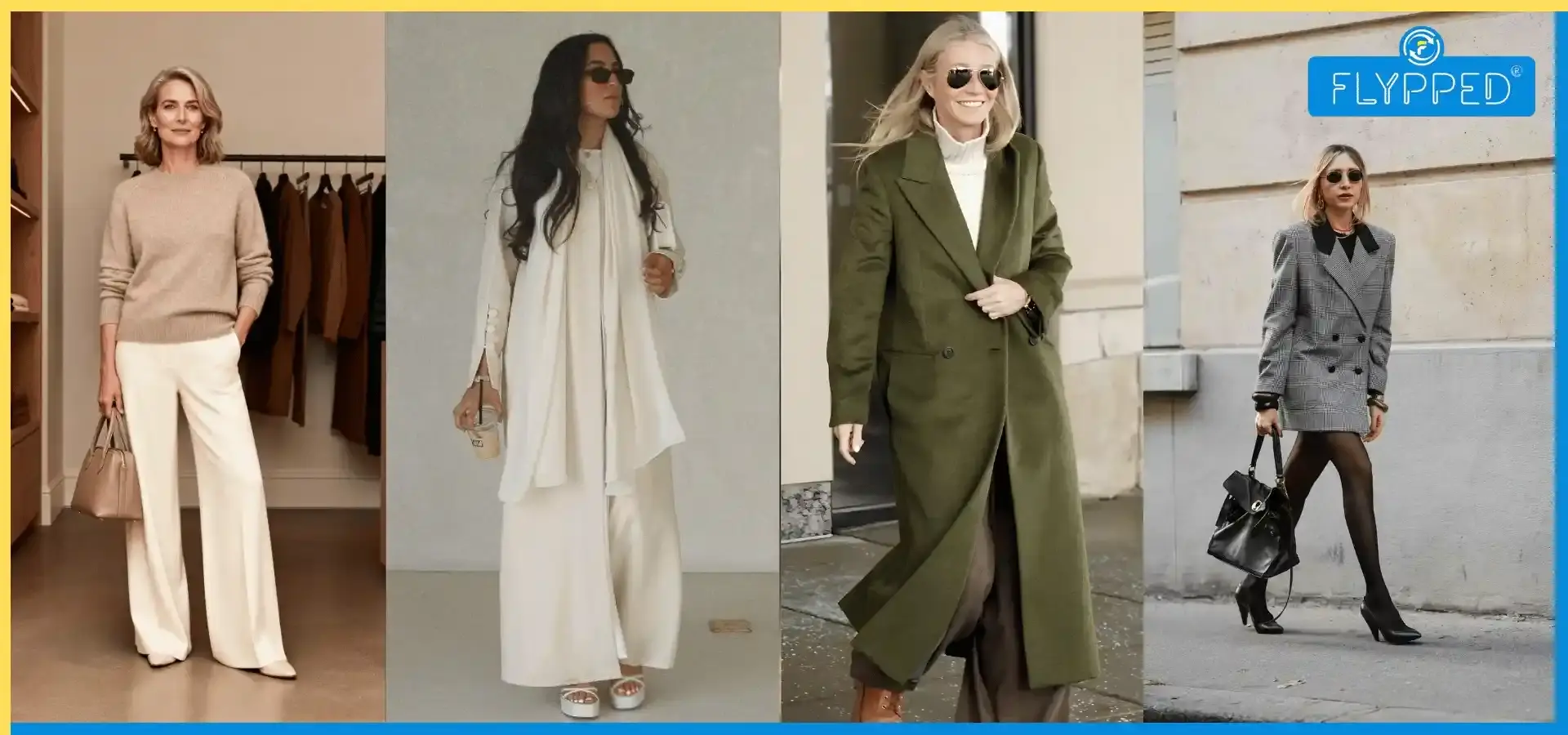
The old-money aesthetic is defined by timeless, high-quality fashion that emphasises elegance, “quiet luxury,” and tradition over flashy branding.
The key elements include neutral palettes, natural fabrics (wool, linen, cashmere), and tailored garments such as blazers, cable-knit sweaters, and polo shirts.
The mere aesthetic of this foreshadows how we actually see rich people. Those with generational wealth and accumulation of assets that might last them centuries aren’t actually considered “showy”.
They are seen as refined, elegant, and unshowy in their clothing, opting for casual yet perfectly tailored garments that highlight their quiet luxury mindset, unlike those who choose only designer brands to appear rich.
To the average observer, the world's richest individuals might look like they are dressed for a casual weekend, but in reality, they are participating in a highly curated billionaire fashion trend that is more expensive and exclusive.
The Psychological Shift: The Ultra-Rich Lifestyle Mindset
Why is there a transition towards stealth wealth? It is not just an aesthetic choice. It is a fundamental evolution of the ultra-rich lifestyle mindset. In previous eras, status was gained through visibility, but today it is gained through invisibility.
As the digital world has become increasingly crowded with quick wealth and crypto-aspirationalism, the truly wealthy are moving in the opposite direction. They seek to disconnect from the noise.
For someone with a fortune for a lifetime, the goal is no longer to be recognised by everyone, it is to be recognized by the right people. They don't want to be heard by the general crowd, instead preferring to be loud in their own elite circles.
You might not even recognise someone from this elitist circle, but the ones who exist within it surely know each other by a mere glance.
Their mindset leans heavily toward the idea of “time as the ultimate luxury”. By adopting high-end basics, the elites eliminate the load of daily dressing. While you navigate through global conglomerates and complex geopolitical shifts, you, of course, cannot waste your mental energy on whether your belt matches your shoes.
Deciphering the Trend: Why Billionaires Dress Simply
If you look at the titans of the industry in 2026, you will notice a recurring theme of simplicity. But why billionaires dress simply is often misunderstood as a lack of interest in fashion; on the contrary, it is the highest form of fashion.
A simple grey shirt worn by a tech mogul isn't off the rack; it is likely custom-fitted and made from long-staple Egyptian cotton or silk-cotton, which costs more than what some people earn in a year.
The rejection of a logo is a power move. It shows that the person who wears the garment is more influential than the garment itself.
Furthermore, dressing simply acts as a social shield. In an era of heightened economic sensitivity, flaunting excessive wealth can be seen as tone-deaf and a potential risk. By embracing the quiet luxury trend of 2026, the ultra-rich can navigate public spaces without drawing too much attention.
The brand that screams Quiet Luxury
To truly understand the quiet luxury mindset, one must look at the brands that have become the "uniform" of the elite:
- Loro Piana: Often referred to as the uniqlo for billionaires, this brand heavily focuses on the world’s finest wool and cashmere. Their pieces have no branding, yet a single sweater costs more than a modest used car.
- Brunello Cucinelli: Cucinelli’s design focuses on neutral palettes offering a selection of beiges, grays and creams that have a relaxed Mediterranean approach to power, hence called “humanistic capitalism”
- The Row: Founded by the Olsen twins, former actresses, this brand is a frontrunner in representing the quiet luxury trend. It focuses on posh silhouettes and tailoring perfection, with no external labelling to announce its pedigree.
- Bottega Veneta: While other brands rely on gold hardware and initials, Bottega’s intrecciato leather weave is a masterclass in subtle branding. It is a signature that only the educated eye can spot.
The Role of Sustainability and Heritage
The ultra-rich lifestyle mindset in 2026 is deeply intertwined with the “ buy less, buy better” movement. The elite are increasingly rejecting the rapid cycle of fashion seasons. Instead, they focus on heritage pieces, collectables that cost hundreds of thousands of dollars in the international market. Heritage pieces are designed to last a lifetime and can be passed down to the next generation, almost symbolic of generational wealth.
This is where the quiet luxury mindset meets environmental consciousness. A hand-stitched leather bag from a small atelier in Florence is viewed as a more ethical and prestigious choice than a mass-produced "luxury" bag from a global conglomerate.
Ending Thoughts
The ultra-rich enjoy sympathetic stories of hard work; a piece with a story, provenance, and a level of craftsmanship that can't be replicated is sought out by many of them. They are buying the hours of labour, the centuries of tradition, and the rarity of the material.
The rise of the quiet luxury mindset marks a turning point in how we perceive success. By stepping away from logos and the neon, the ultra-rich have refined luxury as a state of being rather than a state of owning. In 2026, the most powerful statement you can make is by saying nothing at all.
Whether it's through choosing no-logo luxury brands or adopting a minimalist daily uniform, the elite are proving that true wealth lies in the details the rest of the world misses.
Frequently Asked Questions
Find answers to common questions about this topic
Go for tailored blazers, structured outfits that look elegant and solid. Don't opt for bold colours; neutral is the way to go.
Frankly, the main consumers of such brands are middle- and upper-middle-class people who associate them with status and luxury. Those who are actually wealthy don't subscribe to fast fashion from such companies, often opting for custom pieces.
People have finally noticed that those at the top of the pyramid of life don't bother showing off their assets; instead, they keep them secret to maintain anonymity.
Old money aesthetic popularised by Pinterest as a fashion inspiration for the working class.
Rather than wasting your money on pieces that you sadly have to dispose of in one or two wears, focus on pieces that last you a lifetime. You don't have to be ultra-rich to be smart. Go thrifting and find pieces that are already loved and clearly have longevity.
In the long run, honestly, no. No one cares if you wear a cardigan from Chanel or Dior; no one even bothers to look at it. It's the confidence and the way you wear garments that make you look posh and elegant.