
What Is Dopamine? The Brain Chemical Behind Happiness and Motivation
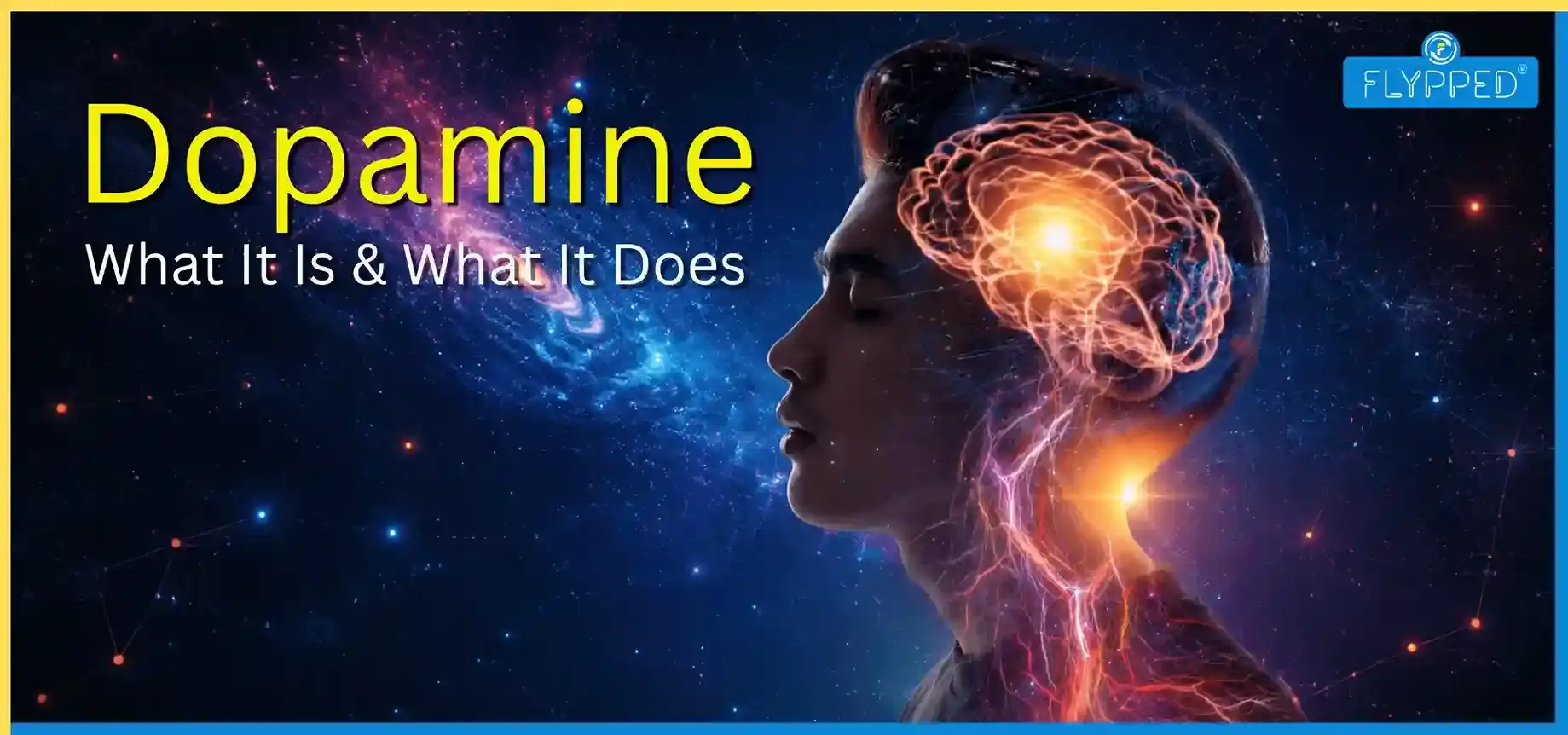
Have you ever tried to identify the element that drives your happiness, for any reason, be it getting good marks, having your desired food, or hearing good news? If not, the answer is Dopamine. Now, what needs to be known is the exact role of dopamine in the body?
Dopamine is a chemical messenger produced by the brain. It makes nerve cells send signals to each other.
It plays a key part in your daily behaviour, including learning, motivation, feelings, focusing, memorising, and movement.
Because of these effects, many of us refer to dopamine as the ‘feel-good chemical,’ since it’s connected with pleasure and rewards.
Today, in this blog, we will discuss dopamine function, its role in the brain and body, how it affects mental health, and the effects of being too high or too low.
Role of Dopamine in the Body?
What is Dopamine? Dopamine is a monoamine neurotransmitter made by your brain. It works as a chemical messenger, carrying signals between nerve cells in your brain and the rest of your body.
Our brain releases dopamine when we feel something very exciting and satisfying. Here are some examples are
- Eating tasty food
- Playing games
- Listening to music
- Spending time with loved ones
- Achieving goals
This is why dopamine is strongly connected with motivation and pleasure.
Dopamine in the Brain
Dopamine in the brain helps monitor key activities like
- Mood
- Attention
- Learning
- Sleep
- Movement
- Memory
- Motivation
Note that the use of dopamine for different tasks is done from different parts of the brain. There should be enough dopamine for the proper functioning of the brain.
Dopamine Function
The main function of dopamine is to facilitate communication between brain cells. However, its effects are not confined to the brain but also extend to the body through multiple pathways. Below are the key functions of dopamine to know:
1. Controls Pleasure and Reward
When asked what dopamine does, the answer is that it makes people feel good and spirited.
In other words, when someone feels pleasure, it indicates the release of dopamine, which is the reason they enjoy a particular activity repeatedly.
Some examples to mention here are
- Winning a competition (debate or any sport)
- Feeling valued for your work
- Finishing the task in given deadline
- Enjoying your favourite meal
It drives people to inculcate good habits and keep themselves motivated.
2. Helps With Movement
Besides the brain, the main role of dopamine in the body is to monitor bodily movements by sending signals that help muscles move smoothly.
If someone suffers from low dopamine levels, then it is a clear indication of Parkinson’s disease with symptoms of trembling, sluggishness and restricted movement.
This highlights the relevance of dopamine function in the human body.
3. Improves Focus and Learning
Dopamine directs the brain's attention and supports learning, concentration, decision-making, memory, and problem-solving.
The main reason behind students’ excellent performance is their healthy brains and balanced dopamine levels.
4. Supports Emotional Health
The role of dopamine is the main factor behind what humans feel and express emotions. The more balanced your dopamine levels are, the more you will feel calm, positive, active, and motivated.
If it is low in level, the emotions generated are sadness, boredom, and lethargy. So now you know that your mood depends on the dopamine levels.
Dopamine Hormone Function
There are people who are curious about the function of the dopamine hormone. Well, it functions in two ways: as a neurotransmitter and as a hormone.
As a hormone, it monitors
- Blood flow
- Digestion
- Kidney function
- Hormone release
It helps properly regulate the overall functioning of body systems.
Dopamine Role in Body
The role of dopamine in the human body is beyond happiness. It helps regulate both physical and mental functions.
Key functions of Dopamine:
- Helps control movement
- Supports memory and learning
- Regulates mood
- Improves motivation
- Helps with sleep and alertness
- Affects heart and kidney functions
- Lactation
If there is an imbalance in dopamine levels, it can affect the functioning of both the brain and the body.
Dopamine Function in Human Body
Dopamine plays an important part in the body. It affects both our mental and physical health and shapes the way we think, feel, and behave. Below is a table chart that briefly explains how dopamine works in different body structures.
| Brain Function | Role of Dopamine |
| Brain activity | Helps communication between nerve cells |
| Emotions | Supports happiness and motivation |
| Muscles | Helps smooth body movement |
| Hormones | Helps in controlling hormonal release |
| Sleep | Affects alertness and rest |
| Memory | Supports learning and focus |
That is why dopamine is most needed in our daily lives.
Dopamine Psychology
When it comes to knowing dopamine psychology, it is linked with human behavior, motivation, and habits. According to psychologists, dopamine influences
- Rewards
- Addiction
- Decision-making
- Goal-setting
- Emotional responses
One common example that supports this theory is social media notifications, rewards, and video games.
This influences people to do things repeatedly at their will. This is one of the key reasons why dopamine is often associated with habit-forming behaviour.
Dopamine and Happiness
Role of Dopamine is strongly connected with happiness. However, it does not create it alone, but makes people experience it through
- Feeling pleasure
- Staying motivated
- Enjoying achievements
- Staying elated
With the release of dopamine, our brain recalls the activity as fulfilling. However, excess dependency on dopamine-triggering activities cannot be considered healthy. The examples for it are
- Excess time spent playing games
- Spending hours on social media and becoming addicted to it
- Ignoring healthy foods and preferring the intake of more junk foods
Hence, balance is indeed essential for the brain to be healthy.
Dopamine and Mental Health
As with happiness, it is important to understand the relationship between dopamine and mental health. A person’s mood and behaviour are determined by the changes in the dopamine levels. Let’s know how:
Causes of Low Dopamine Levels
- Low motivation
- Sadness
- Fatigue
- Difficulty focusing
- Mood disorders
Causes of High Dopamine Levels
- Restlessness
- Anxiety
- Trouble sleeping
- Impulsive behavior
Mental health specialists often study the dopamine levels carefully, especially when they treat conditions like
- Depression
- ADHD
- Schizophrenia
- Addiction disorders
Balanced dopamine levels are the major factor behind people’s emotional well-being.
What Does Dopamine Do in Daily Life?
If you still think about the role of dopamine in the body, then notice it in your daily activities.like
- Feeling excited about goals
- Staying motivated to study or work
- Enjoying fun activities
- Learning from rewards
- Focusing on important tasks
People cannot stay energetic and motivated without dopamine.
Foods That May Support Dopamine Production
Below are foods rich in protein and nutrients that naturally produce dopamine. These are
- Eggs
- Fish
- Chicken
- Milk
- Nuts
- Bananas
- Avocados
- Dark chocolate
These foods contain nutrients that help the brain make dopamine.
Healthy Ways to Increase Dopamine Naturally
Below are some of the simple habits that you need to do daily if you want to support a healthy level of dopamine in your body.
Exercise Regularly
Physical activity helps release dopamine and improves mood.
Get Enough Sleep
Good sleep supports brain health and dopamine balance.
Eat Healthy Foods
Nutritious meals help the brain function properly.
Set Small Goals
Completing goals gives a natural dopamine reward.
Spend Time With Loved Ones
Positive social interactions can improve emotional health.
Listen to Music
Music may increase dopamine activity in the brain.
High Dopamine Side Effects
Dopamine not only has a positive influence on your body. There are some common high-Dopamine side effects, which are in the form of
- Anxiety
- Aggressive behavior
- Overconfidence
- Trouble sleeping
- Impulsive decisions
- Hyperactivity
Very high dopamine activity may also be linked with certain mental health conditions.
This is why the body needs balanced dopamine levels—not too low and not too high.
Signs of Low Dopamine
Low dopamine levels may affect both the body and mind.
Symptoms May Include:
- Lack of motivation
- Constant tiredness
- Mood swings
- Difficulty concentrating
- Loss of interest in activities
- Slow movement
Doctors may recommend lifestyle changes or treatments if dopamine imbalance becomes serious.
Dopamine and Addiction
Dopamine is also connected with addiction.
Activities like:
- Gambling
- Excessive gaming
- Drug use
- Social media scrolling
Can create repeated dopamine release. Over time, the brain may start craving those activities more often.
This is why healthy habits and balance are important.
Interesting Facts About Dopamine
Here are some quick facts about dopamine:
- Dopamine was discovered in 1957.
- It is made in several areas of the brain.
- It helps humans survive by encouraging rewarding behaviors.
- Dopamine affects both physical and emotional health.
- It works together with other brain chemicals like serotonin.
Conclusion
Now you clearly understand the role of dopamine in the body and why it matters so much.
Dopamine is a powerful chemical messenger that helps control motivation, movement, emotions, learning, and pleasure. Dopamine plays an important role in the brain and body in many ways.
From dopamine psychology to dopamine and happiness, this chemical affects daily life more than most people realise. Balanced dopamine levels are important for focus, emotional well-being, and overall health.
At the same time, understanding the side effects of high dopamine levels and dopamine imbalance can help people maintain healthier habits and better mental health.
A healthy lifestyle, including proper sleep, exercise, nutritious food, and positive activities, can naturally support dopamine balance and improve overall well-being.