
Your Lungs Are Under Attack This Winter: 12 Air Pollution Health Tips for Winter in Delhi NCR
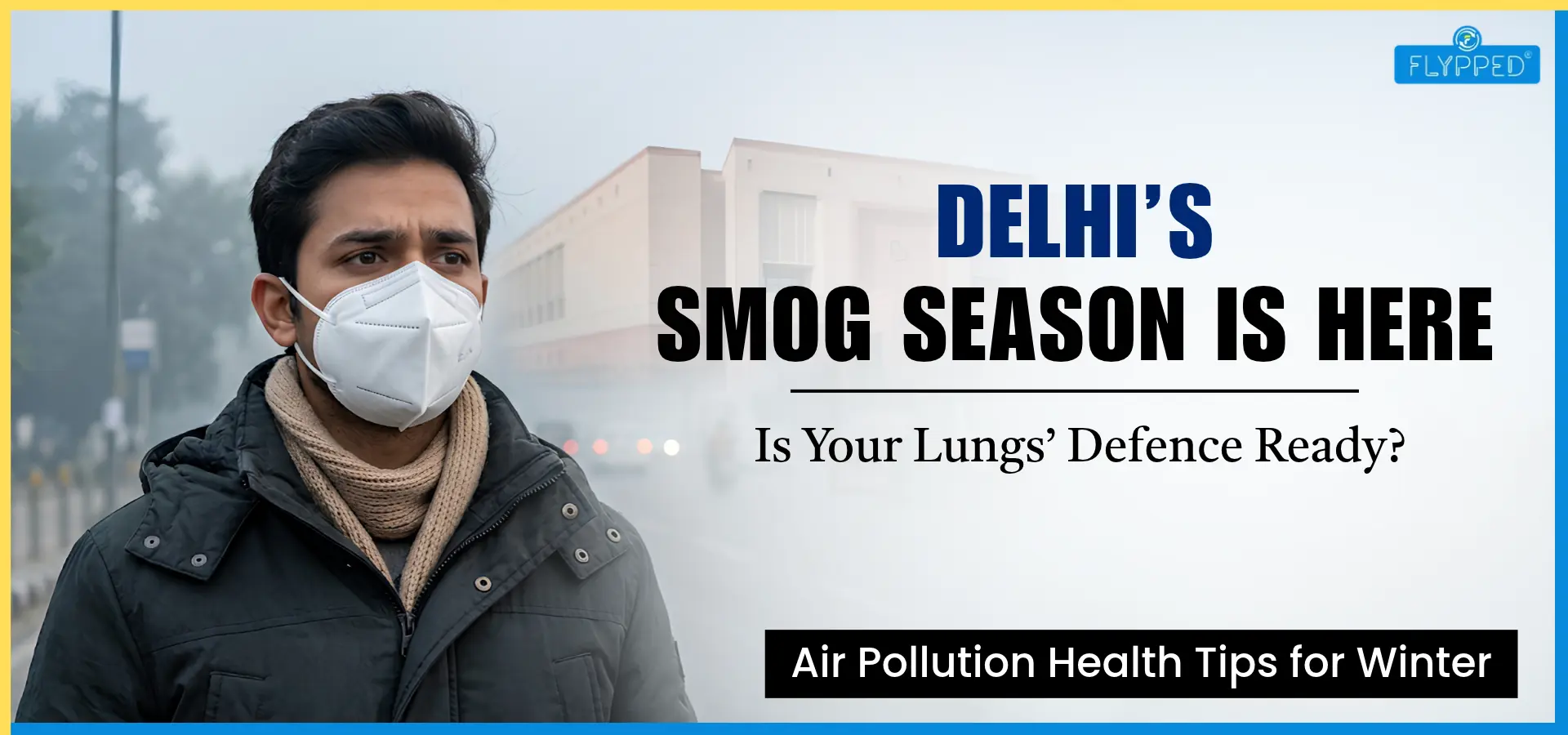
Every November, Delhi NCR wakes up to a grey haze, burning eyes and a scratchy throat. Air pollution in winter is not just an inconvenience, it is a health issue. These air pollution health tips for winter are practical, doctor-aligned and easy to follow. In this blog, you will learn about the symptoms to watch, an AQI-based action table, 12 essential tips, N95 mask guidance and when to see a doctor.
Why Air Pollution in Winter is Worse in Delhi NCR
Cold air near the ground and low wind speed trap pollutants close to where people breathe (temperature inversion). Common contributors include vehicle exhaust, construction and road dust, biomass and waste burning, crop-residue burning in neighboring states, industrial emissions and firecrackers around Diwali. PM2.5 refers to fine particles smaller than 2.5 micrometers that travel deep into the lungs and per WHO, can enter the bloodstream. The WHO 2021 guideline for PM2.5 is 5 µg/m³ (annual) and 15 µg/m³ (24-hour).
NOTE: Discover fashion trends, beauty tips, wellness advice, lifestyle guides, and Latest updates.
Effects of Air Pollution on Human Health
Air Pollution Effects on Lungs
PM2.5 penetrates deep into the lung passageways; long-term exposure raises the risk of respiratory infections, COPD and lung cancer (WHO). Short-term effects include airway irritation and inflammation.
Breathing Problems due to Air Pollution
Asthma attacks, wheezing, chronic bronchitis flare-ups, COPD exacerbations and more frequent chest infections are common outcomes of high exposure.
Beyond the Lungs
The WHO links air pollution to heart disease and stroke; emerging evidence links it to pregnancy and birth outcomes and to type 2 diabetes. Children, older adults and people already ill are more susceptible.
Air Pollution Symptoms in Humans: Warning Signs to Watch For
| Mild Signs (Watch Closely) | Needs Attention (Consult a Doctor) |
| Watery or burning eyes | Persistent shortness of breath |
| Irritated throat | Wheezing that does not settle |
| Dry cough | Chest tightness or chest pain |
| Runny or blocked nose | Breathlessness on mild activity |
| Headache and unusual tiredness | Cough lasting more than a couple of weeks |
Precautions During High Pollution Levels: What to Do at Each AQI Level
| CPCB category | AQI | Suggested Precautions |
| Satisfactory | 51 to 100 | Sensitive people watch for mild breathing discomfort; carry inhaler if prescribed |
| Moderate | 101 to 200 | Asthma, lung and heart patients limit long outdoor exertion |
| Poor | 201 to 300 | Cut outdoor exercise, wear a fitted N95 outside, run an air purifier indoors |
| Very Poor | 301 to 400 | Move workouts indoors, keep children and elders mostly indoors, N95 for essential trips |
| Severe | 401 to 500 | Avoid going out; healthy people can be affected too |
Delhi NCR's GRAP curbs start at Stage I when AQI is Poor (201 to 300) and go up to Stage IV above 450. Check out our Delhi aqi blog for weekly AQI updates in your area.
12 Air Pollution Health Tips for Winter in Delhi NCR
Implementing these air pollution health tips for winter can greatly reduce your exposure to toxic smog. Here are the core actions to take:
How to Protect Yourself from Air Pollution: Outdoor Habits
- Check the AQI before you step out. Plan walks, school runs and errands around the day's reading.
- Shift or move exercise. On Poor-and-above days, switch jogs and cycling to indoor workouts; pollutants often stay near the ground in cold mornings and evenings.
- Commute smartly. Prefer metro or public transport, keep car windows up, use recirculation mode and avoid congested corridors.
- Cut your own emissions. Do not burn leaves, waste or wood for warmth; avoid firecrackers; switch off the engine at red lights.
N95 Mask for Air Pollution: What Works and What Doesn't
Wear a properly fitted N95 outdoors on Poor-and-above days.
- NIOSH-approved N95s are tested to be at least 95% efficient against fine particles (CDC/NIOSH); cloth masks, dust masks and surgical masks do not reach that level.
- Fit matters most: leakage around the edges is the biggest cause of poor protection. Do a seal check, follow sizing instructions, and be clean-shaven where the mask seals.
- Limits: N95s filter particles, not gases; they are designed for single use, and performance drops with reuse. Replace when damp, dirty or hard to breathe through.
- Caution: people with heart or lung conditions should ask a doctor first because masks make breathing harder. No official fit guidance for small children, so do not force masks on young kids; keep them indoors instead.
- Call out the myth: a mask alone does not make outdoor exercise safe on high-AQI days.
Winter Air Pollution Protection Tips for Your Home
- Time your ventilation. Keep windows shut when outdoor AQI is Poor or worse; air the house briefly when readings dip.
- Use a HEPA air purifier sized for the room; keep doors closed; replace filters on schedule.
- Keep indoor air clean. Avoid incense, mosquito coils, candles, coal or wood heaters and smoking indoors; wet-mop instead of dry sweeping. Integrate indoor plants like peace lily, snake plant, spider plant, areca palm into your house décor aesthetics, window areas or bedsides as it help filter common volatile organic compounds (VOCs) and improve indoor air quality.
How to Protect Lungs from Air Pollution: Everyday Lung Care
- Stay hydrated and eat a balanced diet with fruit, vegetables, whole grains and protein. Be clear that no food or drink "detoxes" or flushes pollutants out of the lungs.
- Keep moving indoors. Light exercise, stretching and gentle breathing exercises at home keep lungs and heart conditioned when outdoor air is poor.
- Be medication-ready. Asthma and COPD patients should follow their doctor's action plan, keep rescue inhalers handy and not skip controller medicines.
- Do the basics for lung health. Stay current on vaccines your doctor recommends (such as flu), quit or avoid smoking and book a check-up if symptoms linger.
Who Needs Extra Care?
- Children, older adults, pregnant women, people with asthma, COPD, heart disease or diabetes and outdoor workers such as traffic police, delivery riders and street vendors.
- School-age kids should limit outdoor play on Poor-and-above days. Outdoor workers should take breaks in cleaner indoor spaces where possible.
When to See A Doctor
Seek medical care if you experience breathlessness at rest or on light activity, wheezing that does not settle, chest pain or tightness, a cough lasting more than a couple of weeks, blue-tinged lips or an asthma or COPD flare that does not respond to the usual inhaler. Chest pain, severe breathlessness or blue lips need urgent care.
Final Thoughts
Protecting yourself requires staying informed and proactive. Check the daily AQI, mask up correctly, clean indoor air, protect your lungs, and know the warning signs. Air pollution health tips for winter work best when followed daily, not just on the worst days. Share this post with family and friends to help keep your loved ones safe this winter.
Read More:
Frequently Asked Questions
Find answers to common questions about this topic
Check the daily AQI, limit outdoor exercise on Poor-and-above days, wear a fitted N95, keep indoor air clean with a HEPA purifier, and keep medicines ready if you have asthma or COPD.
Keep windows closed on high-AQI days, avoid indoor smoke, wet-mop, run a purifier, stay hydrated and exercise indoors.
A well-fitted NIOSH-approved N95 filters at least 95% of fine particles, but a poor seal, reuse or wearing it incorrectly cuts protection, and it does not filter gases.
Eye and throat irritation, cough, wheezing, chest tightness, breathlessness, headache and fatigue; people with asthma or COPD may see flare-ups.
On the CPCB scale, Poor (201 to 300) and worse can cause breathing discomfort for most people, and Severe (401 to 500) can affect even healthy people.