Best Trekking Places in India: Top 10 Treks for Adventure Lovers
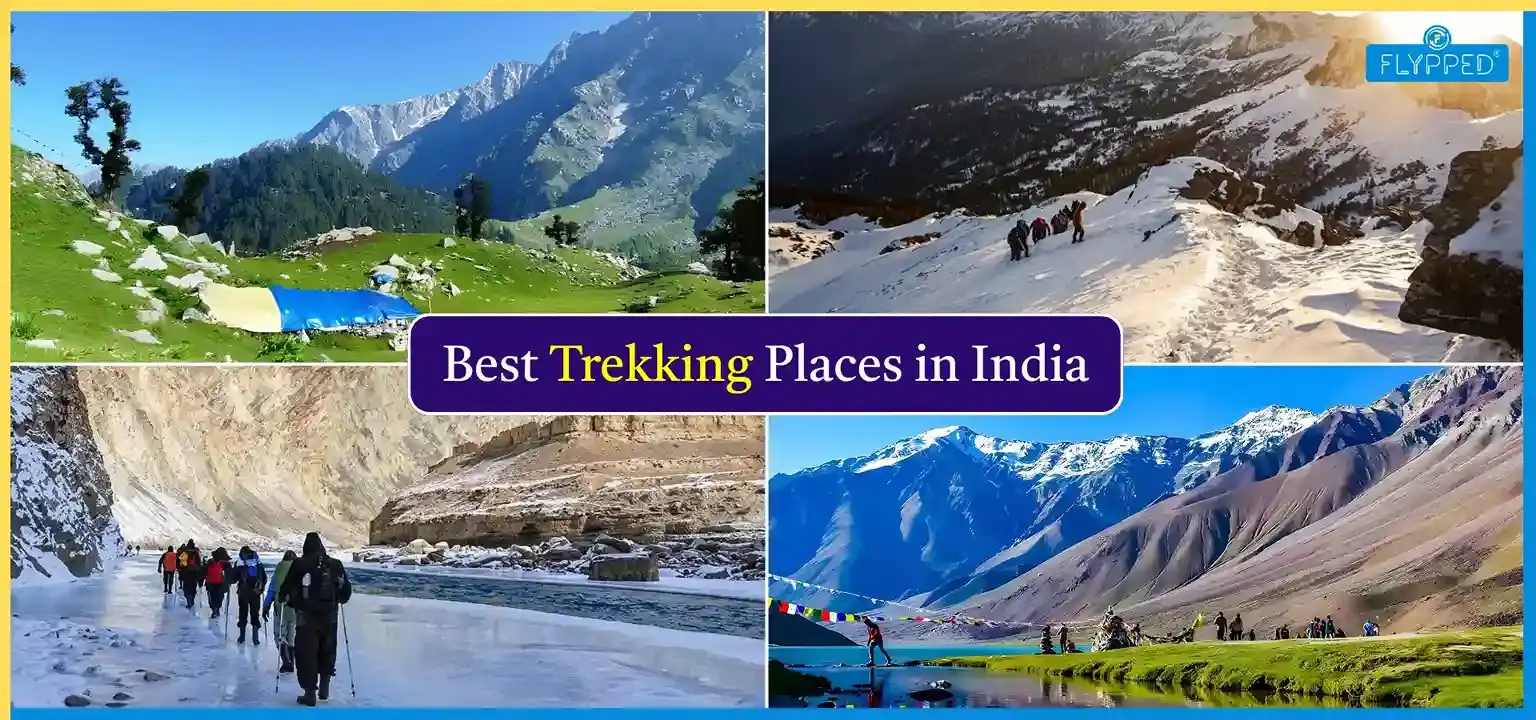
India is a treasure trove of breathtaking landscapes, making it a dream destination for adventure enthusiasts.
From the towering peaks of the Himalayas to serene valleys, the country is home to some of the best trekking places in India.
Why India is a Popular Destination for Trekking?
- Diverse Landscapes and Ecosystems
The variety of terrains in India includes majestic mountains, lush forests, and expansive deserts.
This rich diversity creates unique ecosystems, allowing trekkers to encounter fascinating flora and fauna, making each journey a new adventure.
- Rich Cultural Experience
Trekking in India offers more than just stunning scenery; it’s also an opportunity to connect with local communities and discover historical sites along the way.
This cultural engagement adds depth to your trekking experience, making it truly unforgettable.
Top 10 Trekking Places in India
Below is the list of the best trekking places in India that are worth exploring for trek lovers.
1. Triund Trek, Himachal Pradesh
The Triund Trek is one of the famous treks in India. It is a must-try for anyone looking to explore the Himalayas.
Located in Himachal Pradesh, this trail presents stunning panoramic views of the Dhauladhar range and lush landscapes.
Starting from McLeod Ganj, trekkers weave through charming villages and beautiful forests. Its accessibility makes it a favorite for both novices and experienced hikers.
For the best experience, plan your trek between March and June or from September to December.
During these months, the weather is pleasant, and the views are crystal clear, allowing trekkers to soak in the majestic scenery.
The trek generally takes about 4-5 hours to reach the summit, covering around 9 kilometers.
With a moderate difficulty level, it’s suitable for individuals of varying fitness levels.
2. Hampta Pass Trek, Himachal Pradesh
The Hampta Pass Trek is the best Himalayan trekking famous for its dramatic landscapes that shift from lush green valleys to stark, desolate mountains.
This trek offers a fantastic chance to experience diverse terrains and ecosystems all in one go.
Expect to pay between $150 and $250 for the Hampta Pass Trek, depending on the trekking agency and the services offered.
Most guided tours take care of permits, accommodation, and meals, ensuring a smooth adventure.
Unlike many treks focused solely on mountains, the Hampta Pass Trek mixes vibrant valleys with barren landscapes, providing a unique experience.
This varied topography allows trekkers to encounter contrasting environments in a short time.
3. Kedarkantha Trek, Uttarakhand
The Kedarkantha Trek is also one of the best trekking places in India. It shines especially in winter when it’s draped in fresh snow.
This trek is a favorite for snow lovers, offering breathtaking views of surrounding peaks like the majestic Swargarohini.
The prime time for the Kedarkantha Trek is from December to April, when snow transforms the area into a magical winter landscape.
This season draws many trekkers eager to hike along snow-covered trails.
4. Chadar Trek, Ladakh
The Chadar Trek offers an extraordinary adventure that lets you walk on the frozen Zanskar River, surrounded by stunning mountain scenery.
It's famous for its unique experience, where trekkers navigate icy paths while taking in the breathtaking rugged landscape.
Covering about 65 kilometers, this trek typically takes around 9 days to complete, making it both challenging and rewarding.
The ideal time to embark on this trek is from late January to mid-March. During these months, the river is solidly frozen, allowing for a safe and thrilling journey.
Having the right gear is crucial for a successful Chadar Trek. You’ll need:
- Warm, layered clothing to tackle the cold temperatures.
- Waterproof trekking boots suitable for icy conditions.
- A sturdy backpack to carry essential supplies.
- Safety gear, including trekking poles and a first-aid kit.
5. Valley of Flowers Trek, Uttarakhand
The Valley of Flowers Trek takes you into a UNESCO World Heritage site, celebrated for its spectacular meadows filled with vibrant flowers.
Being one of the best trekking places in India it leads you through lush landscapes, showcasing some of the rarest flora and fauna, making it a paradise for nature lovers and photographers alike.
With over 500 species of flowering plants, including orchids, poppies, and primulas, the valley is teeming with life.
Wildlife enthusiasts may spot blue sheep and various bird species, adding to its charm.
The best time to explore the Valley of Flowers is from mid-July to mid-August when the blooms are at their peak.
6. Goechala Trek, Sikkim
The Goechala Trek is Sikkim's best trek, offering an unforgettable experience with panoramic views of the majestic Kanchenjunga, the world's third-highest peak.
As you trek through lush forests and high-altitude landscapes, you’ll discover why this journey is a favorite among adventure seekers.
This trek typically lasts about 10 days, covering around 90 kilometers. It’s considered moderate to challenging, making it suitable for trekkers with a reasonable level of fitness.
The ideal time for this trek is from March to May and September to November. During these months, the pleasant weather provides clear views of the mountains.
7. Sandakphu Trek, West Bengal
The Sandakphu Trek is also listed among the best trekking places in India. It oknown for its spectacular views, offering glimpses of four of the world's highest peaks: Everest, Kanchenjunga, Lhotse, and Makalu. This trek provides a rich experience with its diverse landscapes and vibrant biodiversity.
At an altitude of 3,636 meters, Sandakphu is the highest point in West Bengal. The trek usually spans about 50 kilometers and can be completed in 6 days.
The breathtaking sunrises and sunsets at Sandakphu are unforgettable highlights. The changing hues over the mountains are a sight to behold.
The cost of the Sandakphu Trek generally ranges from $100 to $200, depending on the package.
A typical itinerary includes accommodation, meals, and guided tours, ensuring a smooth trekking experience.
8. Roopkund Trek, Uttarakhand
The Roopkund Trek is a famous Uttarakhand trekking known for its mysterious glacial lake, Roopkund Lake, which contains skeletal remains dating back centuries.
This trek not only offers stunning natural beauty but also a glimpse into history.
The trek features diverse landscapes, from lush forests to alpine meadows, culminating at the eerie yet fascinating Roopkund Lake.
The skeletal remains found at the lake have intrigued historians and trekkers alike, adding an element of mystery to the journey.
The ideal times to visit Roopkund are from May to June and September to October. During these periods, the weather is favorable, and the trails are accessible.
9. Tarsar Marsar Trek, Kashmir
The Tarsar Marsar Trek is a true hidden gem tucked away in the stunning landscapes of Kashmir.
This Kashmir trekking route leads you through peaceful meadows, verdant forests, and enchanting alpine lakes, offering a deeply immersive nature experience.
The Tarsar and Marsar lakes are especially mesmerizing, mirroring the surrounding mountains and creating picture-perfect scenes that are ideal for photography lovers.
Classified as moderate in difficulty, this trek is accessible to many. It usually spans about 5 to 7 days and covers around 50 kilometres.
With well-marked paths, it's perfect for those with a bit of trekking experience under their belts. As you wander through this region, you'll feel the warmth of Kashmiri hospitality.
The local communities are rich in culture and traditions. The area's flora is diverse, showcasing vibrant wildflowers, lush meadows, and dense pine forests that enhance the trek's allure.
10. Rajmachi Trek, Maharashtra
The Rajmachi Trek offers an exciting adventure in the Sahyadri mountain range of Maharashtra.
Renowned for its historical significance and breathtaking views, this trek attracts both beginners and seasoned trekkers.
This trek takes you to the twin forts of Rajmachi, blending natural beauty with a touch of history.
The scenic route is dotted with waterfalls, lush greenery, and sweeping views of the valleys below.
Conveniently located near both Mumbai and Pune, this trek is a popular weekend escape. It typically spans about 2 days and covers a distance of roughly 16 kilometers.
The optimal time to embark on the Rajmachi Trek is during the monsoon season, from June to September.
This time transforms the region into a lush paradise, with waterfalls cascading down the hillsides.
How to Choose the Best Trek in India
Choosing the right trek in India can feel thrilling yet overwhelming. With a range of landscapes, varying difficulty levels, and different seasons, it’s vital to consider a few key factors.
This guide navigates the essential aspects to think about when selecting a trek, ensuring your adventure is both enjoyable and safe.
The difficulty of a trek can vary greatly based on several elements, including:
- Terrain type: Expect rocky paths, forest trails, or even snow-covered routes.
- Altitude and elevation gain: Higher elevations can make treks more challenging due to thinner air.
- Weather conditions: Rain, snow, or extreme temperatures can complicate your trekking journey.
Assessing Your Fitness Level
Before heading out, it’s important to evaluate your fitness level honestly. Here are some things to consider:
- Personal fitness assessment: Take a moment to assess your health and stamina.
- Recommended fitness preparations: Aim for a mix of cardio, strength training, and flexibility exercises.
- Tips for building endurance: Gradually increase your trek time and distance with practice hikes.
The Best Seasons for Trekking in India
India boasts a variety of trekking experiences year-round. Here’s a quick look:
- Spring (March to May): This season is perfect for many popular treks with mild weather.
- Summer (June to August): While it’s monsoon season, regions like Ladakh are favored during this time.
- Autumn (September to November): With great visibility and pleasant temperatures, this is a favored trekking season.
Planning Your Trek Duration
Trek durations can vary widely depending on the route. Consider the following:
- Typical trek durations: Most treks last from 5 to 12 days.
- Importance of acclimatization days: Allow time for your body to adjust to altitude, especially on high-altitude treks.
- Suggested itineraries: Create plans that include rest days to enhance your overall trekking experience.
Choosing the Right Altitude and Landscape
Selecting the right altitude for your trek is crucial. Keep these points in mind:
- High-altitude vs. moderate-altitude treks: Higher treks offer stunning views but come with added challenges.
- Health risks at high altitudes: Be aware of Acute Mountain Sickness (AMS) and take necessary precautions.
- Recommended treks for different altitudes: Choose treks that match your comfort level regarding elevation.
Exploring Landscape Preferences
India’s diverse regions present unique landscapes. Here’s how to choose:
- Types of landscapes: Treks can range from mountainous terrains to serene valleys and lakes.
- Notable treks based on landscape: Research options that highlight your favorite scenery, like the Valley of Flowers for floral beauty.
- Tailoring your trek experience: Personalize your trek to include landscapes that resonate with you.
Essential Tips for Trekking in India
The best trekking places in India offers an incredible way to connect with nature and experience diverse cultures.
Whether you’re a seasoned trekker or a beginner, following these essential tips for trekking in India will help ensure you have a memorable adventure.
From selecting the right route to packing the essential gear, let’s explore what you need to make the most of your journey through India’s stunning landscapes.
Popular Trekking Destinations
- Himalayas: Renowned for their breathtaking views and challenging trails, the Himalayas offer treks like the Everest Base Camp and Annapurna Circuit.
- Western Ghats: This mountain range features lush greenery and diverse wildlife, making it ideal for nature enthusiasts.
- Uttarakhand: Home to the stunning Valley of Flowers and the challenging Roopkund Trek, Uttarakhand is a must-visit for trekkers.
- Himachal Pradesh: Known for its picturesque landscapes, treks like the Hampta Pass offer both beauty and adventure.
Factors to Consider When Selecting a Trek
When choosing a trek, consider the following:
- Skill level: Assess your fitness and experience to select an appropriate trek.
- Duration of the trek: Decide how much time you can dedicate, as treks can range from a few days to weeks.
- Weather conditions: Research the best season for your chosen trek to avoid extreme weather.
- Scenic views: Pick a route that matches your interest in landscapes, whether mountains, lakes, or forests.
Essential Gear for a Safe Trek
For a safe and enjoyable trek, pack the following essentials:
- Sturdy trekking boots: Good footwear is vital for comfort and support.
- Weather-appropriate clothing: Dress in layers to adapt to changing conditions.
- Hydration system: Staying hydrated is crucial; consider a water bottle or hydration pack.
- First-aid kit: Be prepared for minor injuries with a basic first-aid kit.
Packing Tips
Here are some packing tips to ensure you’re well-prepared:
- Lightweight backpack: Choose a comfortable and lightweight backpack to carry your gear.
- Energy snacks: Pack high-energy snacks like nuts and protein bars to keep your energy up.
- Navigation tools: Bring a map, compass, or GPS to help you stay on track.
- Emergency essentials: Include items like a flashlight, multi-tool, and whistle for emergencies.
Best Time for Trekking in India
Understanding the seasonal variations can help you choose the best time for your trek:
- Summer treks (March to June): Ideal for most regions, with pleasant weather.
- Monsoon treks (July to September): Challenging due to heavy rain; suitable for experienced trekkers.
- Winter treks (October to February): Offers stunning snowy landscapes but requires proper gear for cold weather.
Recommended Treks for Each Season
| SEASON | RECOMMENDED TASKS | DURATION |
| Summer | Roopkund Trek | 8 days |
| Monsoon | Chadar Trek | 6 days |
| Winter | Kedarnath Trek | 7 days |
Conclusion
That concludes our guide to the best trekking destinations in India. It is now an ideal opportunity to go outdoors, enjoy the views, and get a taste of the local culture.
You're now all ready for an unforgettable trek with these tips: select a route that's appropriate for you, pack the proper gear, and plan your trip during the best season if you want to truly enjoy your time in nature.
Frequently Asked Questions
Find answers to common questions about this topic
India has many excellent trekking destinations, including Ladakh, Himachal Pradesh, Uttarakhand, Sikkim, and Jammu & Kashmir. Popular treks include Hampta Pass, Kedarkantha, Valley of Flowers, Markha Valley, and Goechala.
Kedarkantha, Triund, Nag Tibba, and Har Ki Dun are popular options for beginners. These treks offer scenic mountain views and relatively manageable trails, making them suitable for people with limited trekking experience.
The ideal trekking season depends on the destination. Summer is suitable for many Himalayan treks, while autumn offers clear mountain views. Some lower-altitude treks can also be enjoyed during winter, depending on weather and trail conditions.
Some of India’s challenging treks include Stok Kangri-style high-altitude routes, Pin Parvati Pass, Auden’s Col, and Kang Yatse II. Difficulty depends on altitude, weather, terrain, duration, and the trekker’s experience.
Essential items include sturdy trekking shoes, layered clothing, a waterproof jacket, water bottle, sunscreen, sunglasses, first-aid supplies, personal medicines, snacks, a headlamp, and a power bank. For high-altitude treks, appropriate gear and preparation are especially important.