Top 25 Best Famous Tourist Places in Delhi NCR 2026 You must visit
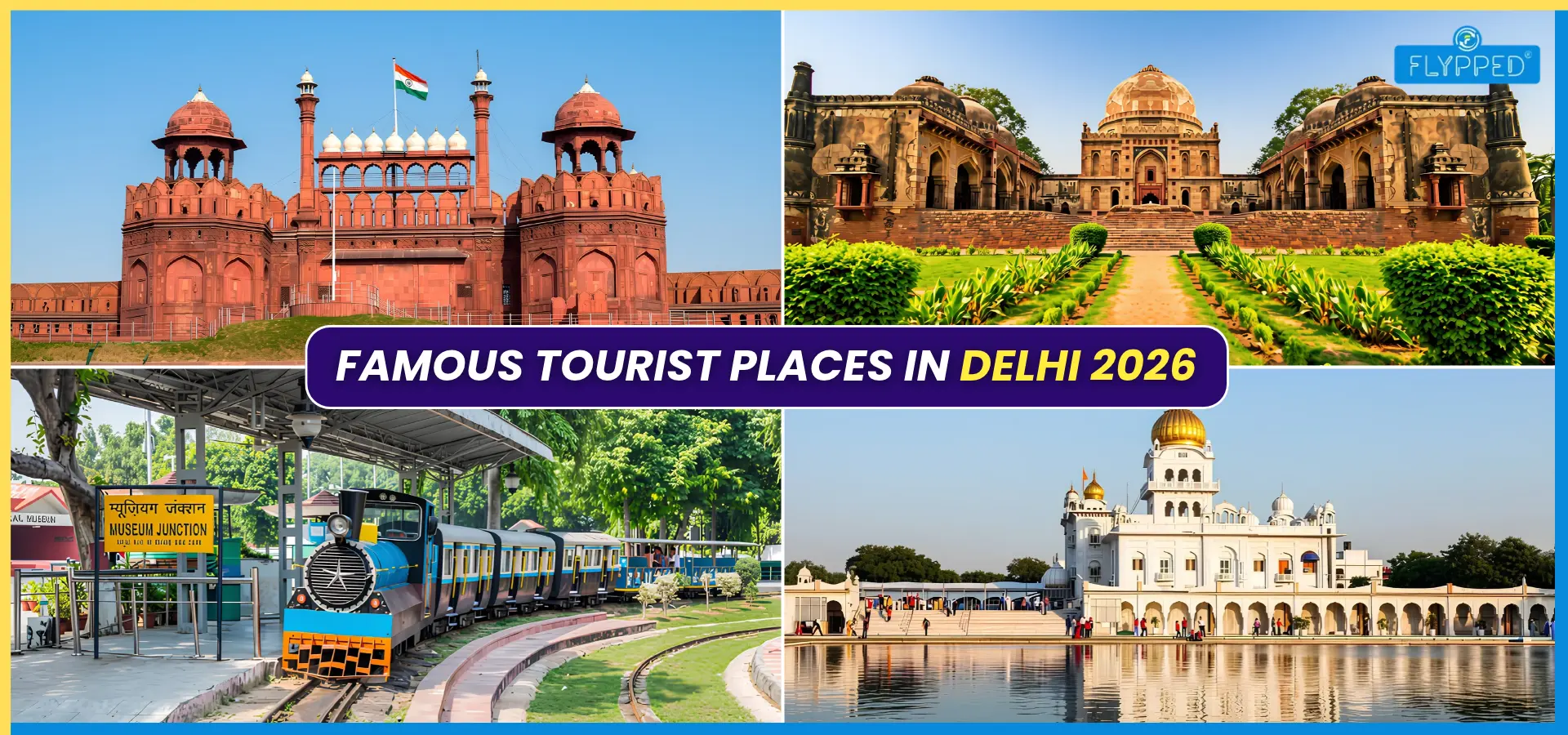
Best Famous Tourist Places in Delhi offer a perfect mix of history, culture, spirituality and fun. From historic forts and beautiful temples to peaceful gardens, museums and busy markets, Delhi has something for every traveller.
Whether you are visiting with family, friends or exploring solo, here are 25 famous tourist places in Delhi and New Delhi, along with useful details to plan your trip.
NOTE: Explore travel guides, destination ideas, travel tips, and Latest updates for your next journey.
Which Are the Best Tourist Places in Delhi in 2026?
The best tourist places in Delhi in 2026 include historical landmarks such as the Red Fort, Qutub Minar and Humayun's Tomb, spiritual destinations like Akshardham, Lotus Temple and Bangla Sahib, museums such as the National Museum and the PM Museum, green spaces like Lodhi Garden and Sunder Nursery, and shopping hubs like Chandni Chowk, Connaught Place and Dilli Haat.
| S. No. | Tourist Place | Built / Opened | Nearest Metro Station | Main Highlights | Timings & Open Days | Entry Fee (Indian / Foreign) |
| 1 | Red Fort (Lal Qila) | 1639–1648 | Lal Quila (Violet), Chandni Chowk (Yellow) | UNESCO site, Lahori Gate, Diwan-i-Aam, Diwan-i-Khas, Pearl Mosque, museums, light-and-sound show (seasonal) | 9:30 AM–4:30 PM, last entry 4 PM; closed Mon | ₹35 / ₹550; under 15 free |
| 2 | India Gate & Kartavya Path | Foundation 1921 (completed 1931) | Central Secretariat or Pragati Maidan (approx.) | War memorial, lit at night, National War Memorial, lawns | Open 24 hrs | Free |
| 3 | Qutub Minar | 1199 | Qutab Minar (Yellow) | 72.5 m UNESCO tower, Iron Pillar, Alai Darwaza, Quwwat-ul-Islam mosque | 7 AM–5 PM, daily | ₹35 / ₹550; under 15 free |
| 4 | Humayun’s Tomb | 1560s–1570s | JLN Stadium (Violet) | UNESCO Charbagh garden, Taj Mahal’s forerunner, Isa Khan’s tomb | Sunrise–sunset (~6 AM–6 PM), daily | ₹35 / ₹550 (slightly higher at counter); under 15 free |
| 5 | Swaminarayan Akshardham | Opened 2005 | Akshardham (Blue) | Giant carved temple, exhibitions, boat ride, water show; no phones or cameras | 10 AM–6:30 PM (Tue–Sun); closed Mon; water show ~7:30 PM | Temple free; exhibitions ₹260 adult / ₹160 child; water show ₹110 / ₹80 |
| 6 | Lotus Temple | 1986 | Kalkaji Mandir (Violet/Magenta) | Lotus-shaped Bahá’í House of Worship, silent prayer hall, pools | 9 AM–7 PM summer, 9 AM–5:30 PM winter; closed Mon | Free |
| 7 | Jama Masjid | 1650–1656 | Jama Masjid (Violet) | India’s largest mosque, 25,000-person courtyard, minaret views | ~7 AM–12 PM, 1:30–6:30 PM; no tourists during prayers | Free for Indians; camera and foreigner fees vary (approx.) |
| 8 | Chandni Chowk | 1650 | Chandni Chowk (Yellow) | Paranthe Wali Gali, spice market, Khari Baoli rooftop, temples | ~9:30 AM–8 PM; many shops closed Sun | Free |
| 9 | Lodhi Garden | 15th–16th c. tombs | Jor Bagh (Yellow) | Bara Gumbad, Shisha Gumbad, Sikandar Lodi’s tomb, morning walks | 6 AM–8 PM (Oct–Mar), 5 AM–8 PM (Apr–Sep) | Free |
| 10 | Sunder Nursery | 16th c. | JLN Stadium (Violet) | 90-acre heritage park, arboretum, lakes, birdlife, Sunday bazaar | 7 AM–10 PM, last entry 9 PM; daily | ₹50 / ₹200 |
| 11 | Purana Qila | 1530s–1540s | Pragati Maidan (Blue, approx.) | Qila-i-Kuhna mosque (1541), Sher Mandal, 18 m walls | 7 AM–5 PM | ~₹30 / ₹300 (approx.) |
| 12 | Gurudwara Bangla Sahib | 1783 | Patel Chowk (Yellow) | Sacred sarovar, free langar, Baba Baghel Singh Museum | Open 24 hrs | Free; cover your head |
| 13 | Rashtrapati Bhavan | Built 1912–1929 | Central Secretariat (Yellow/Violet) | 340 rooms, museum, Saturday Change of Guard (7 AM), Amrit Udyan (seasonal) | Tue–Sun, slots 9:30 AM–4:30 PM; closed Mon; gardens only Feb–Mar and Aug–Sep | ₹50 per circuit; online booking and photo ID required |
| 14 | Agrasen ki Baoli | 14th c. (rebuilt) | Barakhamba Road (Blue) | 60 m stepwell, 100+ steps, Instagram favourite | ~9 AM–5:30 PM | Free |
| 15 | Jantar Mantar | 1724 | Patel Chowk (Yellow) or Rajiv Chowk | 18th-century observatory, Samrat Yantra, Jai Prakash Yantra | Sunrise–sunset | ~₹25 / ₹300 (approx.) |
| 16 | Safdarjung’s Tomb | 1753–54 | Jor Bagh (Yellow) | Last great Mughal garden tomb, quiet and photogenic | Sunrise–sunset | ₹25 / ₹300; under 15 free |
| 17 | Hauz Khas Village & Fort | 13th–14th c. | Hauz Khas (Yellow/Magenta) | Reservoir, Firoz Shah’s tomb, cafés, galleries, nightlife | Monuments in daytime, village busy in evening | Monuments free |
| 18 | Raj Ghat | After 1948 | Delhi Gate (Violet) | Gandhi memorial, eternal flame, riverside lawns, barefoot entry | 6 AM–6 PM | Free |
| 19 | PM Museum (Pradhanmantri Sangrahalaya) | April 2022 | Lok Kalyan Marg (Yellow), ~1.8 km | Prime ministers’ galleries, AR experiences, light-and-sound show | Tue–Sun, 10 AM–5 PM from Nov; closed Mon | ₹100 online / ₹110 offline; ₹750 foreigners (approx.) |
| 20 | National Museum | 1949 | Central Secretariat / Udyog Bhawan | Harappan, Gupta and Buddhist art, sculptures, miniature paintings | 10 AM–6 PM; closed Mon | ₹20 / ₹500 (approx.) |
| 21 | Mehrauli Archaeological Park | 12th–19th c. | Qutab Minar (Yellow) | 200+ acres, 100+ monuments, Jamali Kamali, Rajon ki Baoli | 5 AM–6:30 PM, daily | Free (a small fee is mentioned by some sources) |
| 22 | Connaught Place | 1929–1933 | Rajiv Chowk (Blue/Yellow) | Colonial circular market, restaurants, shopping, Janpath nearby | Shops ~10 AM–9 PM | Free |
| 23 | Dilli Haat INA | 1990s | INA (Yellow/Pink) | State-wise crafts and food stalls, cultural events | 11 AM–9 PM | ₹30 / ₹100 |
| 24 | National Rail Museum | February 1977 | Dhaula Kuan | Open-air locomotives, toy train, simulators, good for kids | 10 AM–5 PM; closed Mon | From ₹50 adult / ₹10 child; rides extra |
| 25 | Hazrat Nizamuddin Dargah | 14th c. | JLN Stadium (Violet) or Sarai Kale Khan–Nizamuddin (Pink) | Sufi shrine, evening qawwali, Ghalib and Amir Khusrau tombs | 5:30 AM–10 PM | Free |
1. Red Fort (Lal Qila)
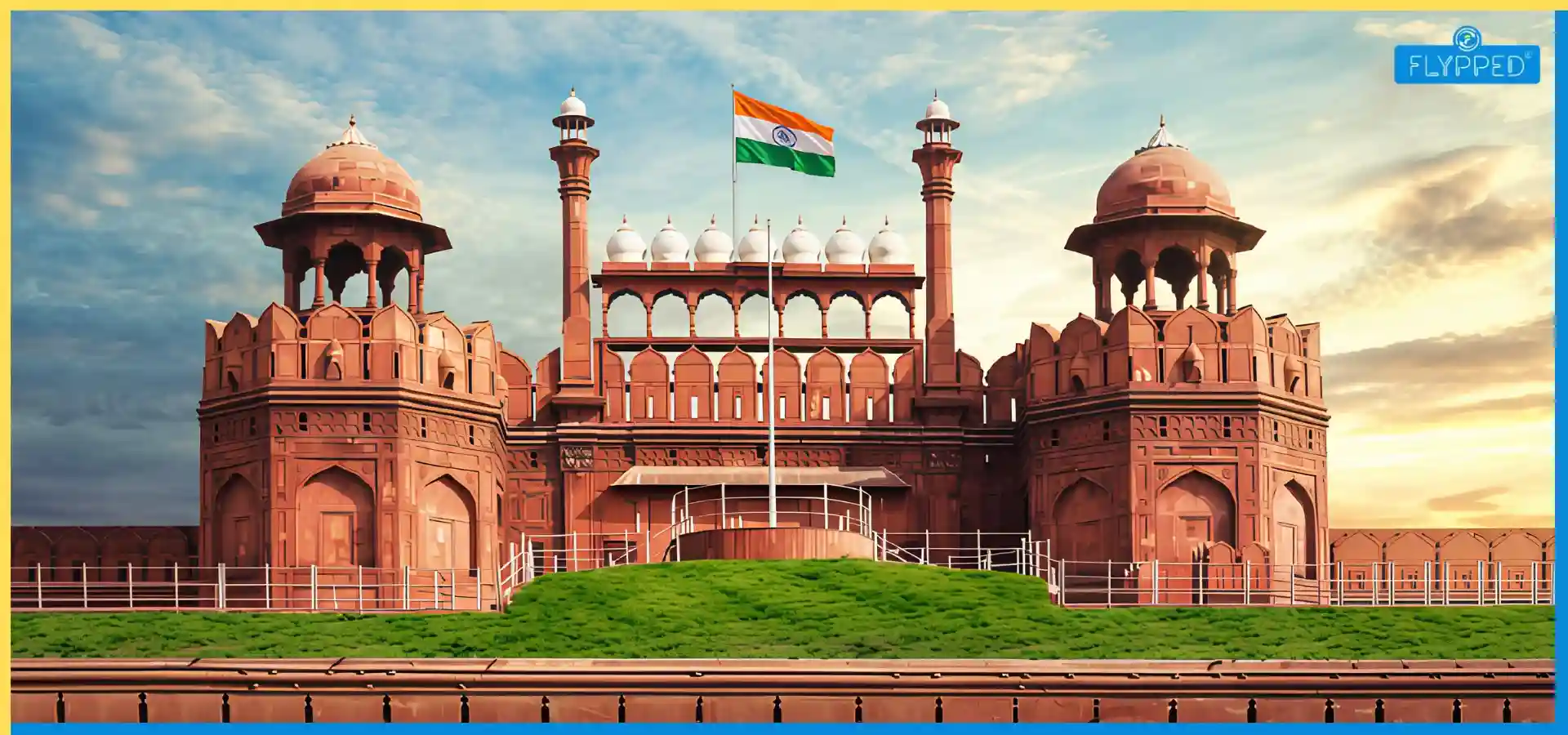
The Red Fort was built between 1639 and 1648 under Mughal emperor Shah Jahan, and its massive red-sandstone walls made it the seat of Mughal power. It is a UNESCO World Heritage Site, and the Prime Minister hoists the national flag from its ramparts every Independence Day. Inside, you can see Lahori Gate, the Naubat Khana, Diwan-i-Aam, Diwan-i-Khas, Rang Mahal, Moti Masjid and several museums. A seasonal evening light-and-sound show retells the fort's story. It remains one of the most famous tourist places in Delhi and a key historical place in Delhi.
- Entry fee: ₹35 (Indians/SAARC/BIMSTEC), ₹550 (foreigners); children under 15 free
- Timings: 9:30 AM–4:30 PM, last entry about 4 PM; closed on Mondays
- Nearest metro: Lal Quila (Violet Line) or Chandni Chowk (Yellow Line)
2. India Gate and Kartavya Path
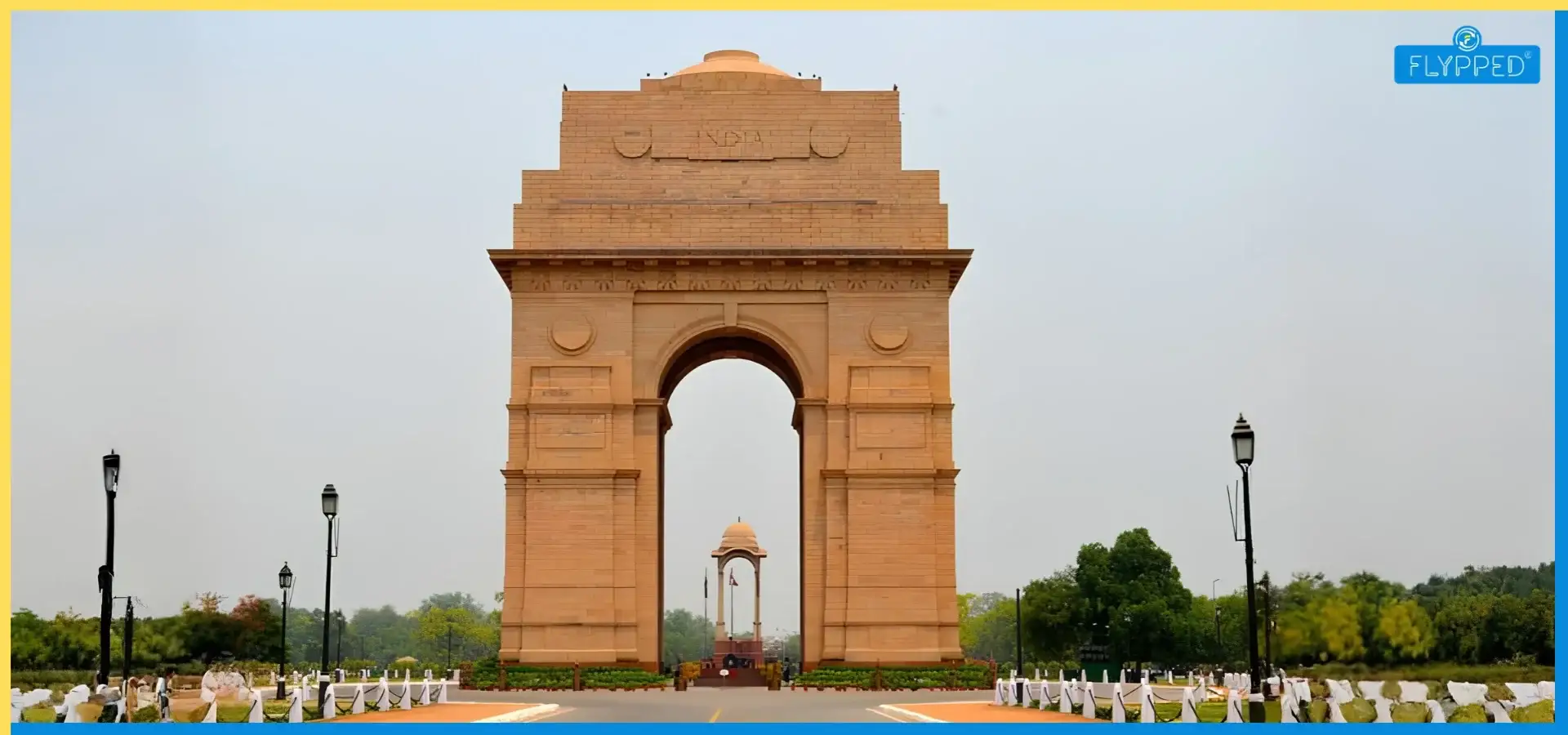
India Gate is a 42-metre war memorial designed by Edwin Lutyens, honouring the soldiers of the British Indian Army who died in World War I and the Third Afghan War. Names of thousands of soldiers are inscribed on its walls. The nearby National War Memorial, where the Amar Jawan Jyoti flame has been housed since 2022, honours Indian soldiers after Independence. The best time to visit is the evening, when the monument is lit and families gather on the lawns of Kartavya Path. It is one of the easiest things to do in Delhi and a classic of the places in Delhi list.
- Entry fee: Free
- Timings: Open round the clock; evenings are best
- Nearest metro: Central Secretariat (Yellow/Violet) or Pragati Maidan (Blue), both a short ride or walk away
3. Qutub Minar
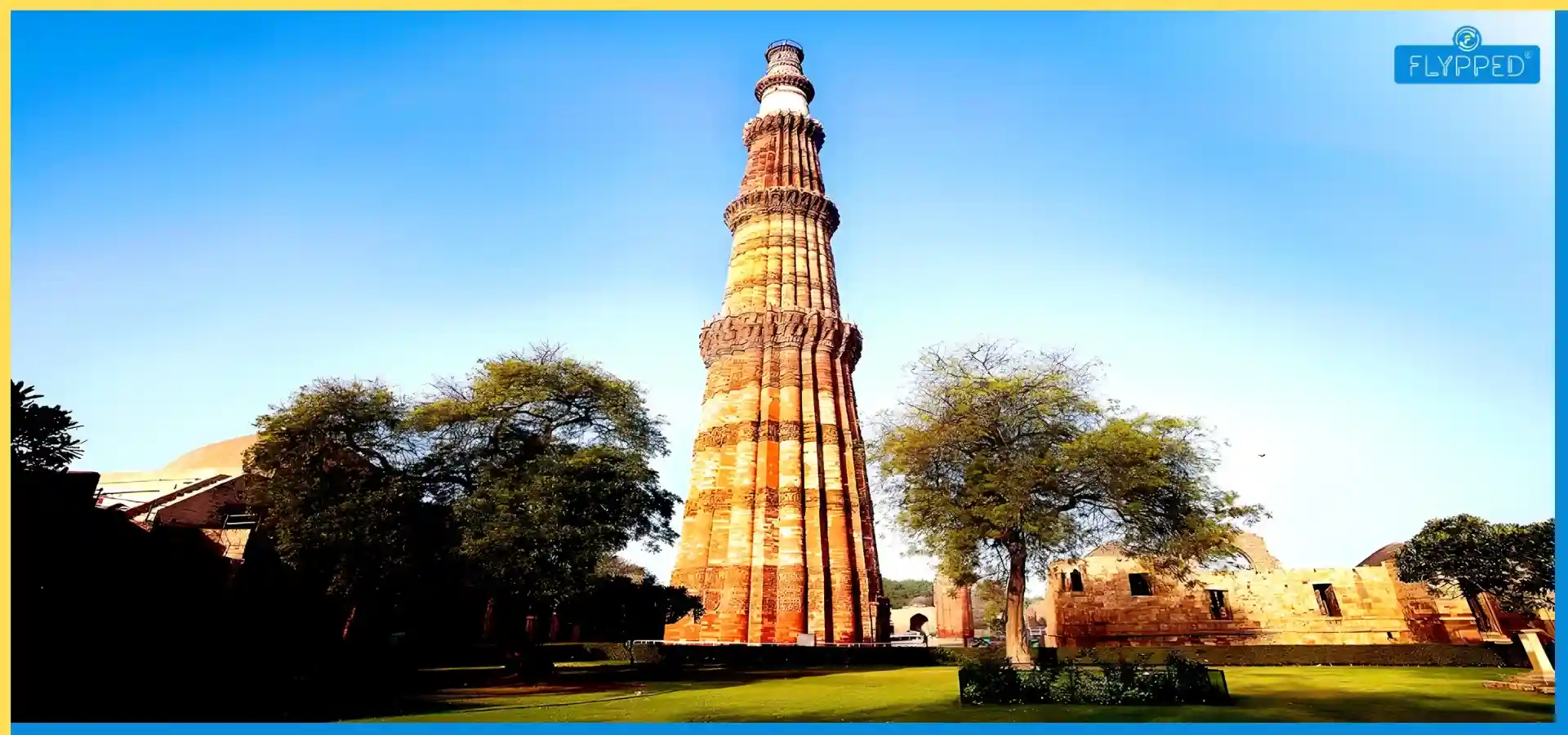
Qutub Minar is a 72.5-metre red-sandstone tower begun in 1199 by Qutb-ud-din Aibak and extended by later rulers, including Iltutmish and Firoz Shah Tughlaq. Its Indo-Islamic architecture, Arabic inscriptions and carved balconies earned it UNESCO World Heritage status. The complex also includes the rust-resistant Iron Pillar, the Alai Darwaza, the Quwwat-ul-Islam mosque and Alai Minar. Photographers love the early-morning light on the minar. It is among the most famous tourist places in Delhi and one of the top historical places in Delhi.
- Entry fee: ₹35 (Indians/SAARC/BIMSTEC), ₹550 (foreigners); children under 15 free
- Timings: About 7 AM–5 PM daily (some listings show longer hours, so confirm before you go)
- Nearest metro: Qutab Minar (Yellow Line), then a short auto ride
4. Humayun's Tomb
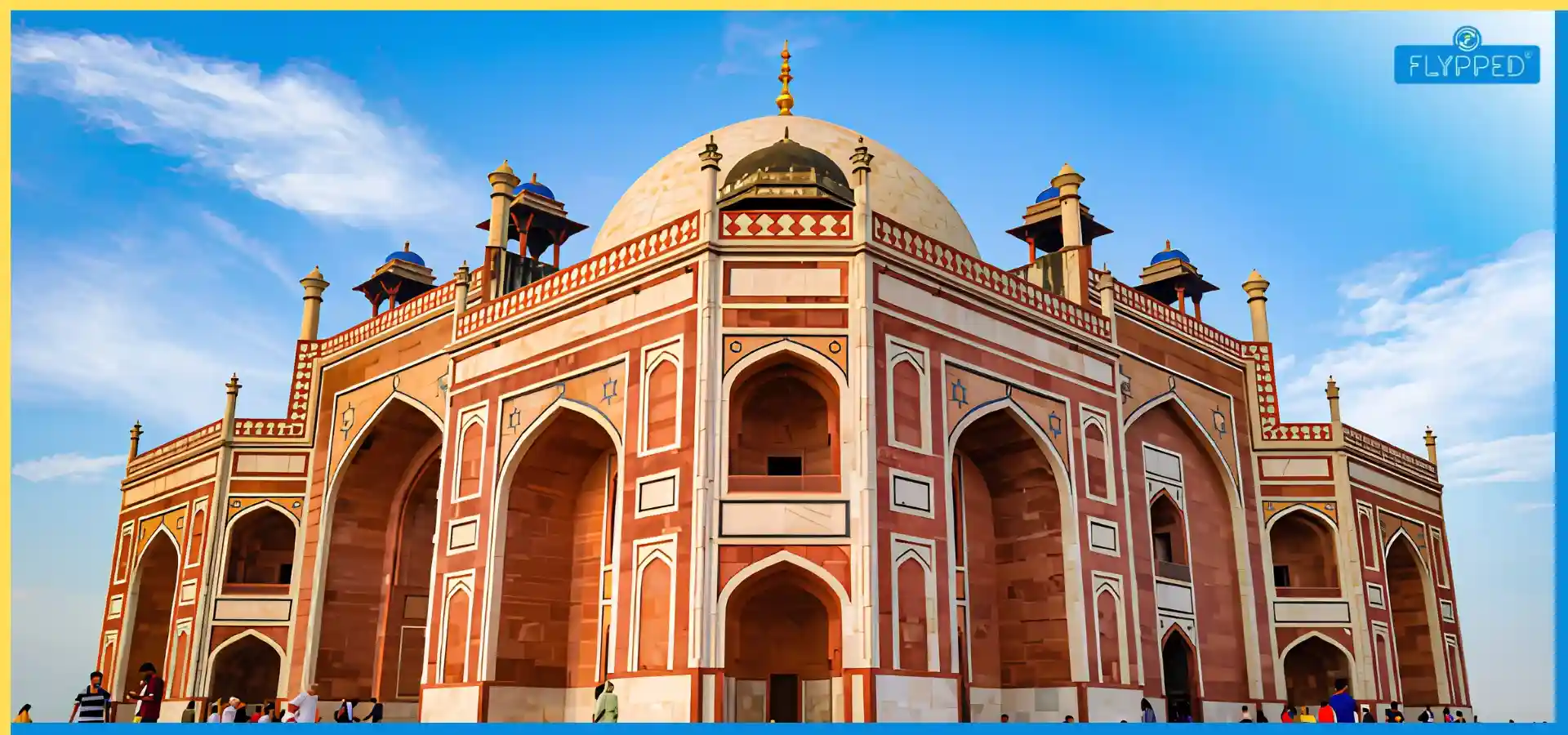
Humayun's Tomb is a UNESCO World Heritage Site and a landmark of Mughal architecture. Commissioned by Humayun's wife, Bega Begum, and completed in the 1570s, it set the style of the garden tomb that later led to the Taj Mahal. The Persian-influenced design sits within a Charbagh garden divided by water channels. The complex also holds Isa Khan's Tomb and other Mughal-era structures. The site is among the most photogenic historical monuments in Delhi, and it pairs well with neighbouring Sunder Nursery.
- Entry fee: ₹35 (Indians/SAARC/BIMSTEC), ₹550 (foreigners) when booked online; slightly higher at the counter; children under 15 free
- Timings: Sunrise to sunset (about 6 AM–6 PM), open all days
- Nearest metro: JLN Stadium (Violet Line)
5. Purana Qila (Old Fort)
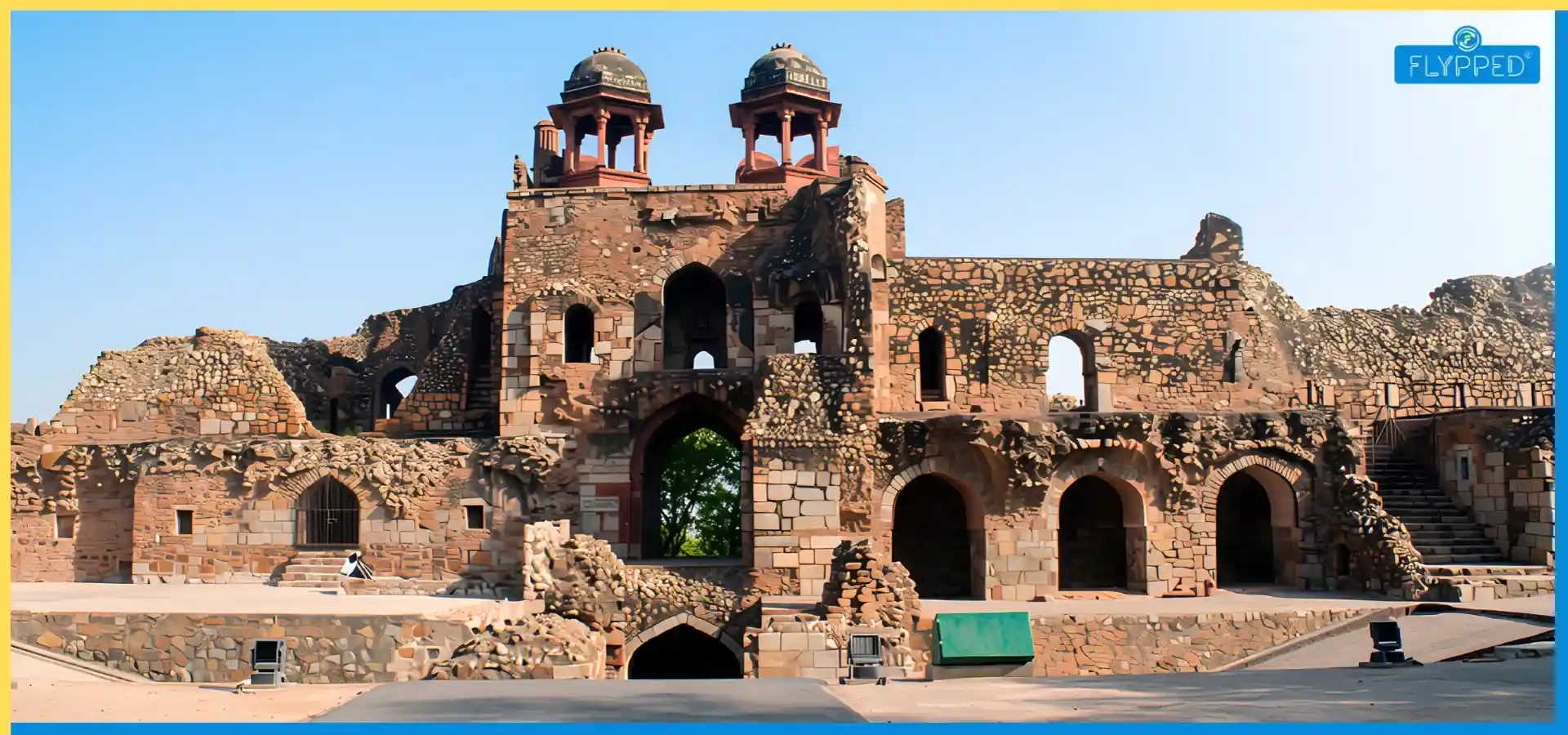
Purana Qila is linked with both the Mughal emperor Humayun and the Sur ruler Sher Shah Suri, and its roughly 18-metre walls have three arched gateways. Inside are the Qila-i-Kuhna Mosque, built in 1541, and the double-storeyed octagonal Sher Mandal. The wide lawns make it a calm place for a heritage walk. The fort is often overlooked by first-time visitors, which makes it a quieter pick among the tourist places in Delhi.
- Entry fee: About ₹30 (Indians), ₹300 (foreigners); confirm at the gate
- Timings: About 7 AM–5 PM
- Nearest metro: Pragati Maidan (Blue Line) or Supreme Court, a short ride away
6. Jama Masjid
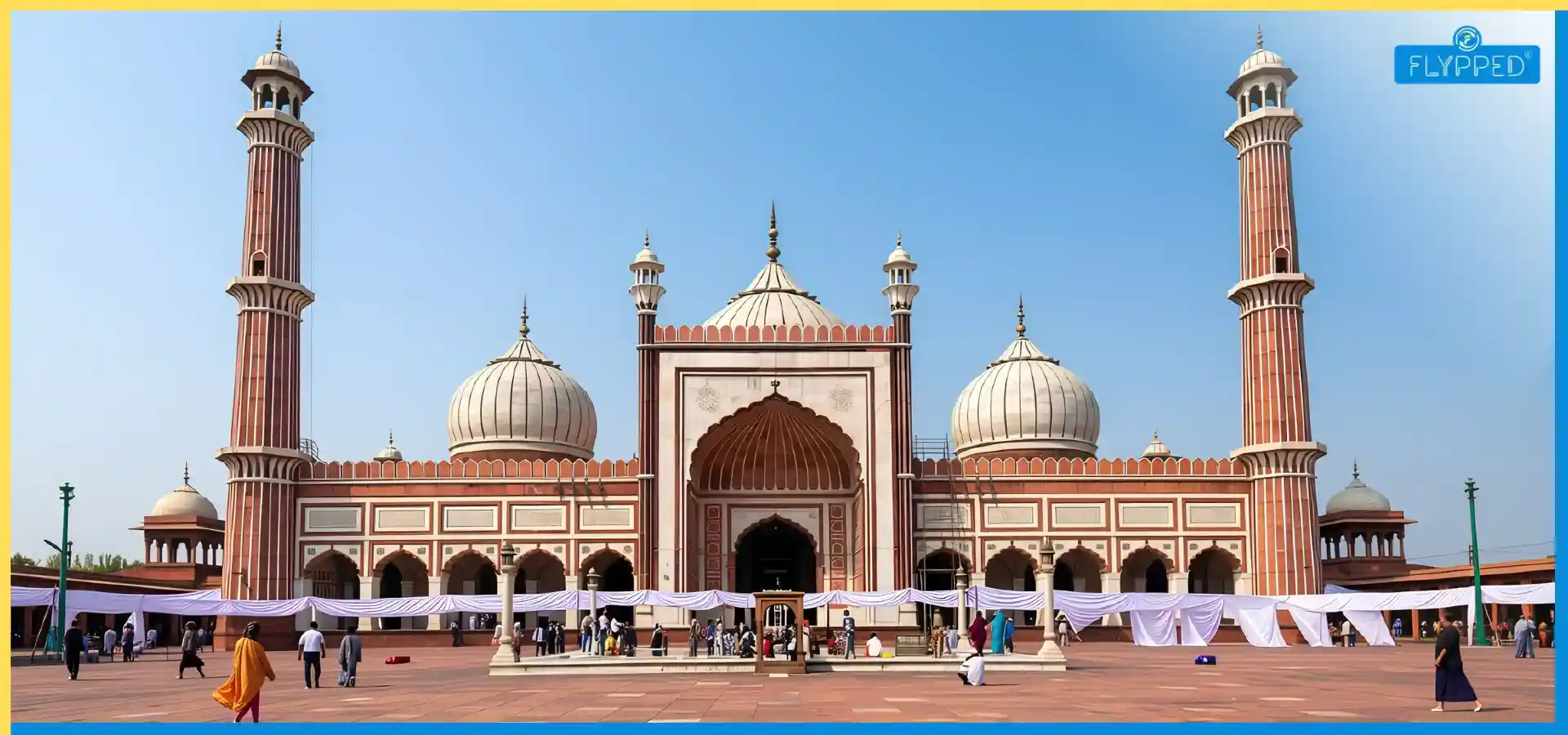
Built during Shah Jahan's reign between 1650 and 1656, Jama Masjid is one of India's most important historic mosques. Red sandstone and white marble form its three gateways, four towers and two 40-metre minarets, and the courtyard can hold around 25,000 worshippers. Dress modestly, covering shoulders and legs, and remove your shoes. Tourists cannot enter during prayer times. The lanes behind it are among the best places in Old Delhi for kebabs and traditional food.
- Entry fee: Free for Indians; camera and other fees may apply, and foreigner charges vary, so check at the gate
- Timings: About 7 AM–12 noon and 1:30 PM–6:30 PM (non-prayer hours)
- Nearest metro: Jama Masjid (Violet Line)
7. Safdarjung's Tomb
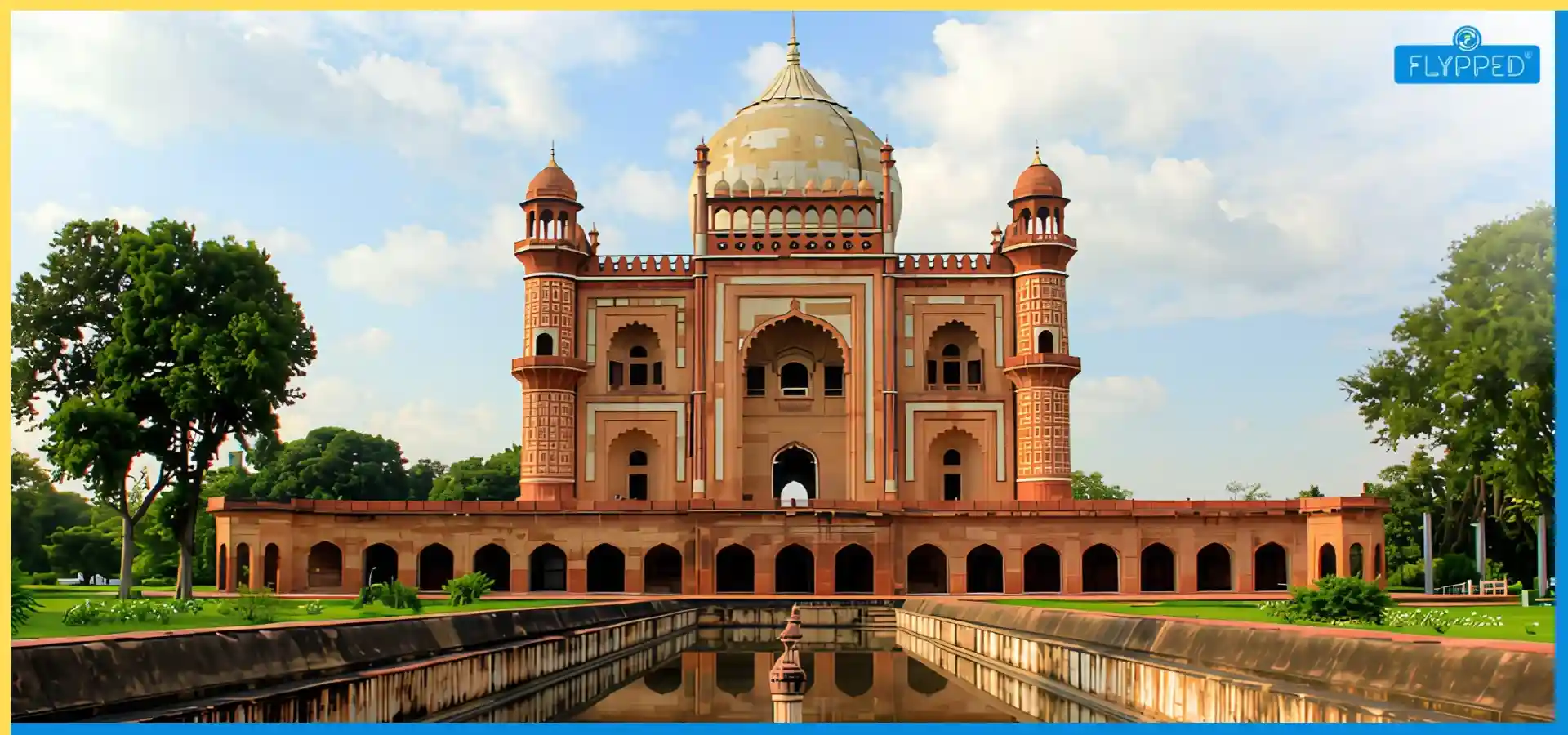
Built in 1753–54 for Safdarjung, a nobleman of the late Mughal period, this sandstone and marble mausoleum is often called one of the last great Mughal garden tombs. It follows the Charbagh pattern first seen at Humayun's Tomb, with a central tomb, a raised platform and landscaped gardens. It is quieter than the better-known monuments, so it suits slow walks and photography. It is a worthwhile stop among the historical places in Delhi.
- Entry fee: ₹25 (Indians), ₹300 (foreigners); children under 15 free
- Timings: Sunrise to sunset
- Nearest metro: Jor Bagh (Yellow Line)
8. Jantar Mantar
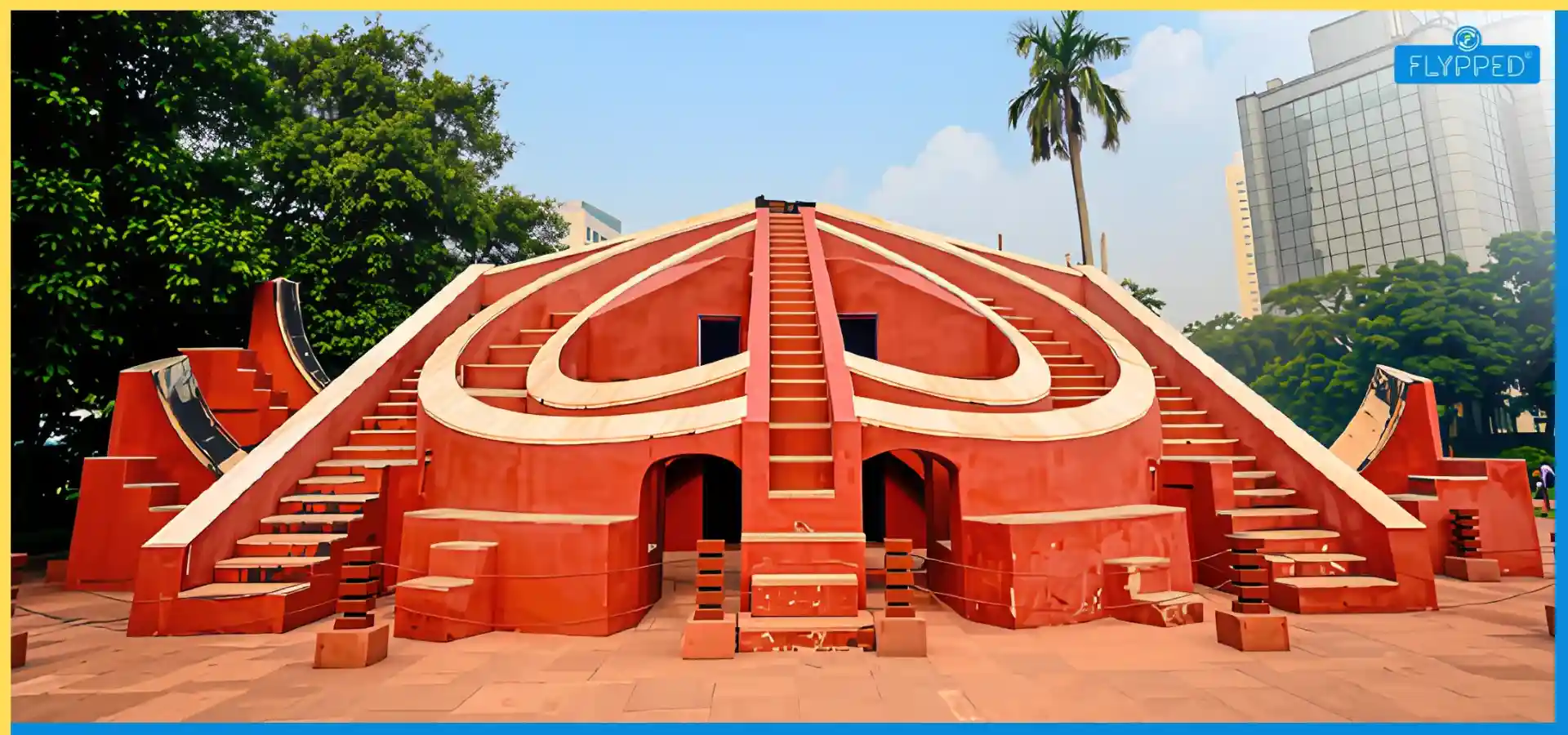
Jantar Mantar is an 18th-century astronomical observatory built in 1724 by Maharaja Jai Singh II. Its large masonry instruments, including the Samrat Yantra, Jai Prakash Yantra, Ram Yantra and Misra Yantra, were used to track the Sun, Moon and stars and to tell time. Visitors can see how shadows and angles were used to measure the sky centuries ago. It is compact, so it fits easily into a trip around central places in New Delhi.
- Entry fee: Around ₹25 (Indians), ₹300 (foreigners); confirm the current rate on arrival
- Timings: Sunrise to sunset
- Nearest metro: Patel Chowk (Yellow Line) or Rajiv Chowk (Blue/Yellow)
9. Agrasen Ki Baoli
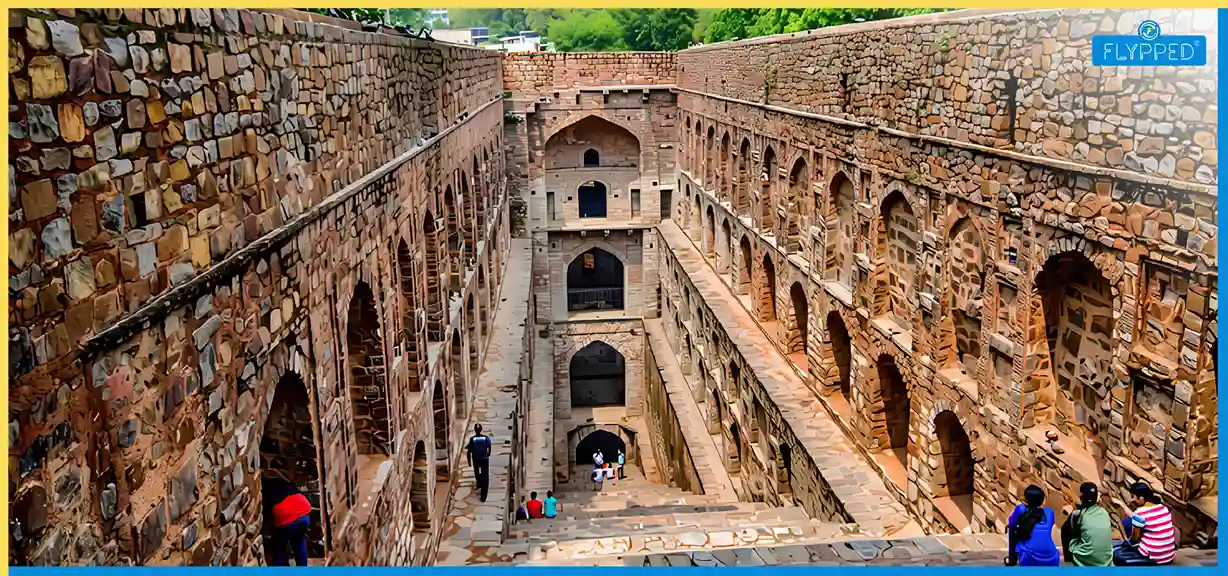
Hidden between modern buildings near Connaught Place, Agrasen Ki Baoli is a protected stepwell about 60 metres long, with over 100 steps descending in three levels with arched niches on each side. It is linked by tradition to King Agrasen and was rebuilt in the 14th century. The symmetry and shadows make it popular with photographers and heritage fans, and it is a favourite on Instagram. It adds an offbeat stop to the famous tourist places in Delhi and the wider list of places in Delhi.
- Entry fee: Free
- Timings: About 9 AM–5:30 PM
- Nearest metro: Barakhamba Road (Blue Line)
10. Mehrauli Archaeological Park
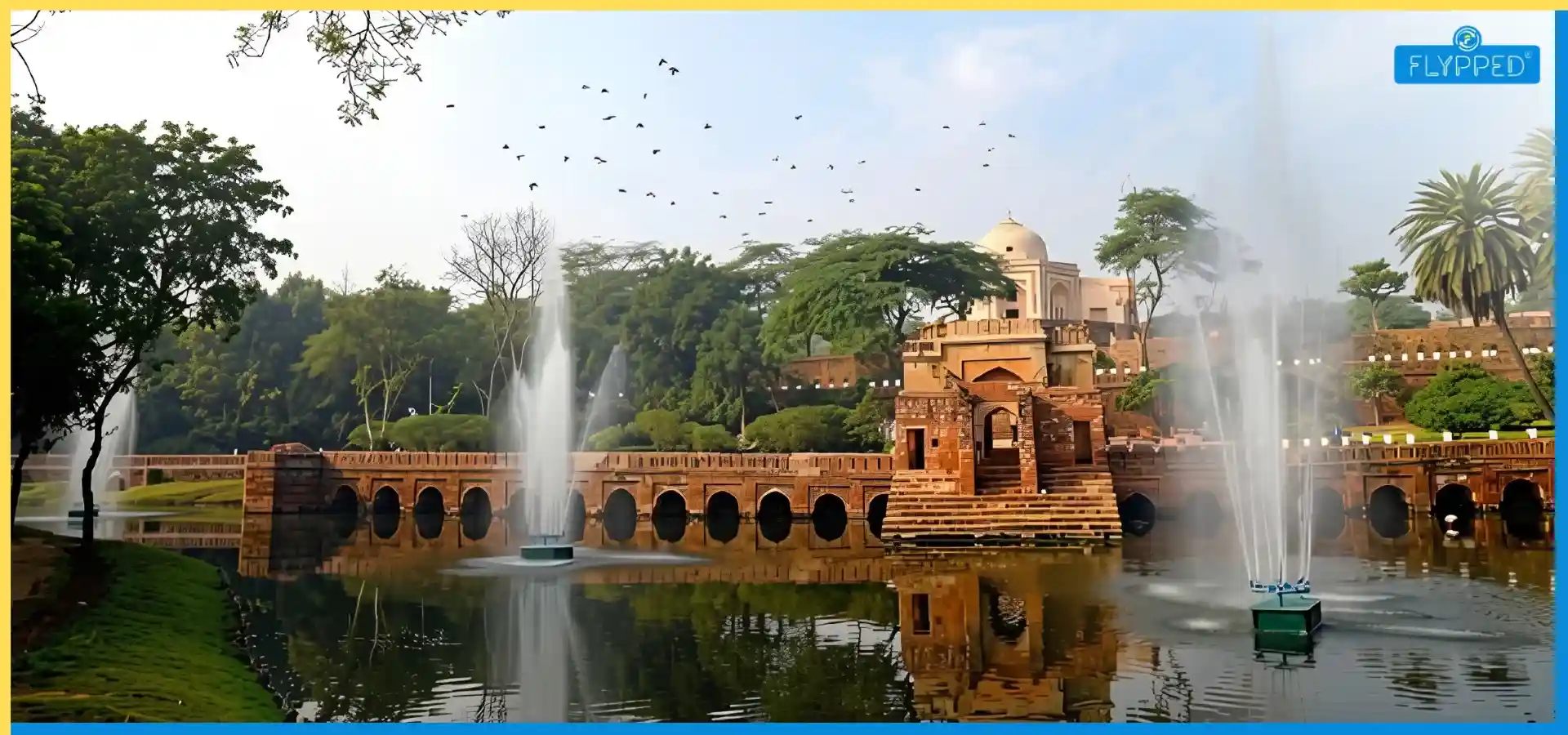
This archaeological park spreads over roughly 200 acres next to Qutub Minar and holds around 100 monuments from more than a thousand years of history. Highlights include Jamali Kamali Mosque and Tomb, Rajon Ki Baoli, Balban's Tomb and Zafar Mahal. Because the paths are shaded and the monuments are scattered, it is ideal for a long heritage walk. It rewards history enthusiasts and photographers, and it is easy to combine with Qutub Minar among the tourist places in Delhi.
- Entry fee: Generally free (confirm for any small fees)
- Timings: About 5 AM–6:30 PM daily
- Nearest metro: Qutab Minar (Yellow Line)
11. Swaminarayan Akshardham Temple
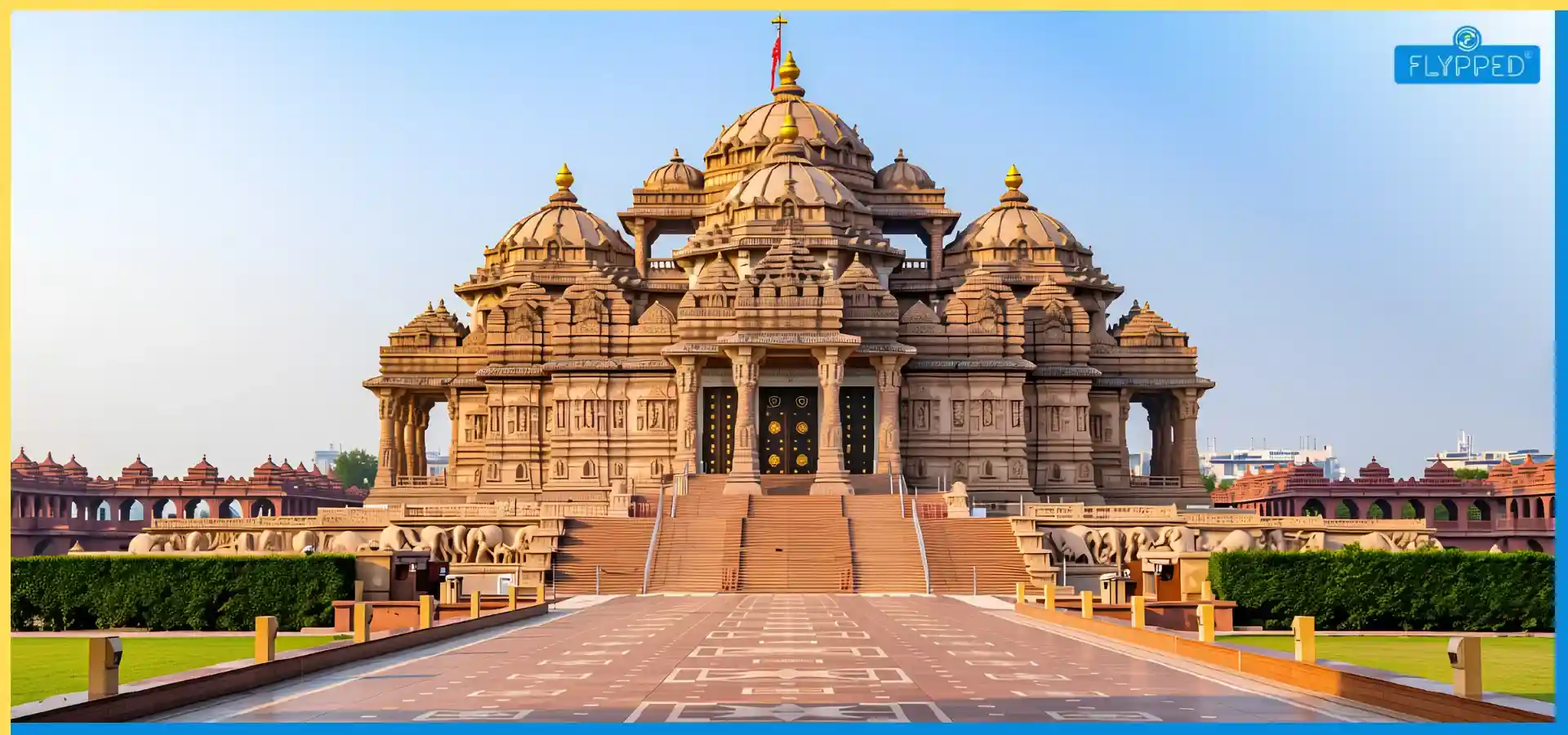
Opened in 2005, Akshardham is a vast complex of carved stone, domes and gardens dedicated to Bhagwan Swaminarayan. Temple entry and darshan are free. The paid experiences include three exhibitions (a Hall of Values, a large-format film and a cultural boat ride) and the evening Sahaj Anand Water Show, which uses lasers, fountains, fire and live actors. Plan a full evening, as the water show begins after sunset (currently about 7:30 PM).
- Visiting days and timings (official): Tuesday to Sunday, first entry 10 AM, last entry 6:30 PM; closed on Mondays. Mandir darshan runs 10 AM–8 PM, and the exhibition ticket window is open 11 AM–6 PM
- Charges (official): Exhibitions ₹260 adults, ₹210 seniors, ₹160 children aged 4–11; water show ₹110 adults and seniors, ₹80 children
- Restrictions: Mobile phones, cameras and electronics are not allowed; a free cloakroom is available. Dress modestly with shoulders and knees covered
- Nearest metro: Akshardham (Blue Line), about a 350 m walk
- Best experiences: The mandir, the boat ride and the water show
12. Lotus Temple
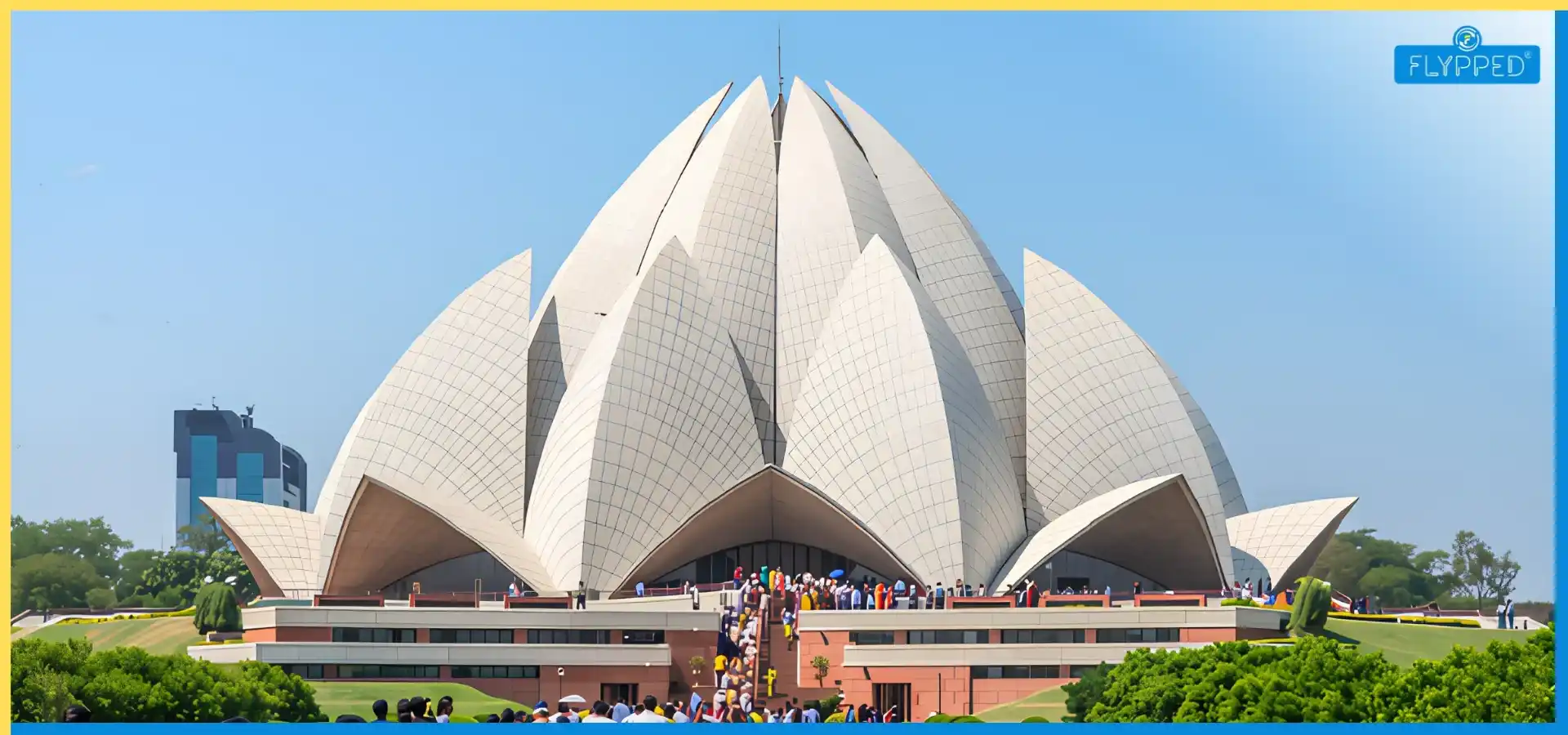
The Lotus Temple is the Bahá'í House of Worship in Delhi, completed in 1986 and designed in the shape of a half-open lotus with white marble petals. The Bahá'í faith promotes the unity of religions, so the temple has no idols or rituals and is open to people of every faith, with a hall for silent prayer and meditation. Visitors should stay quiet inside, and photography is not allowed in the prayer hall, though outside photos are fine.
- Entry fee: Free
- Timings: About 9 AM–7 PM in summer and 9 AM–5:30 PM in winter; closed on Mondays
- Nearest metro: Kalkaji Mandir (Violet/Magenta Line)
13. Gurudwara Bangla Sahib
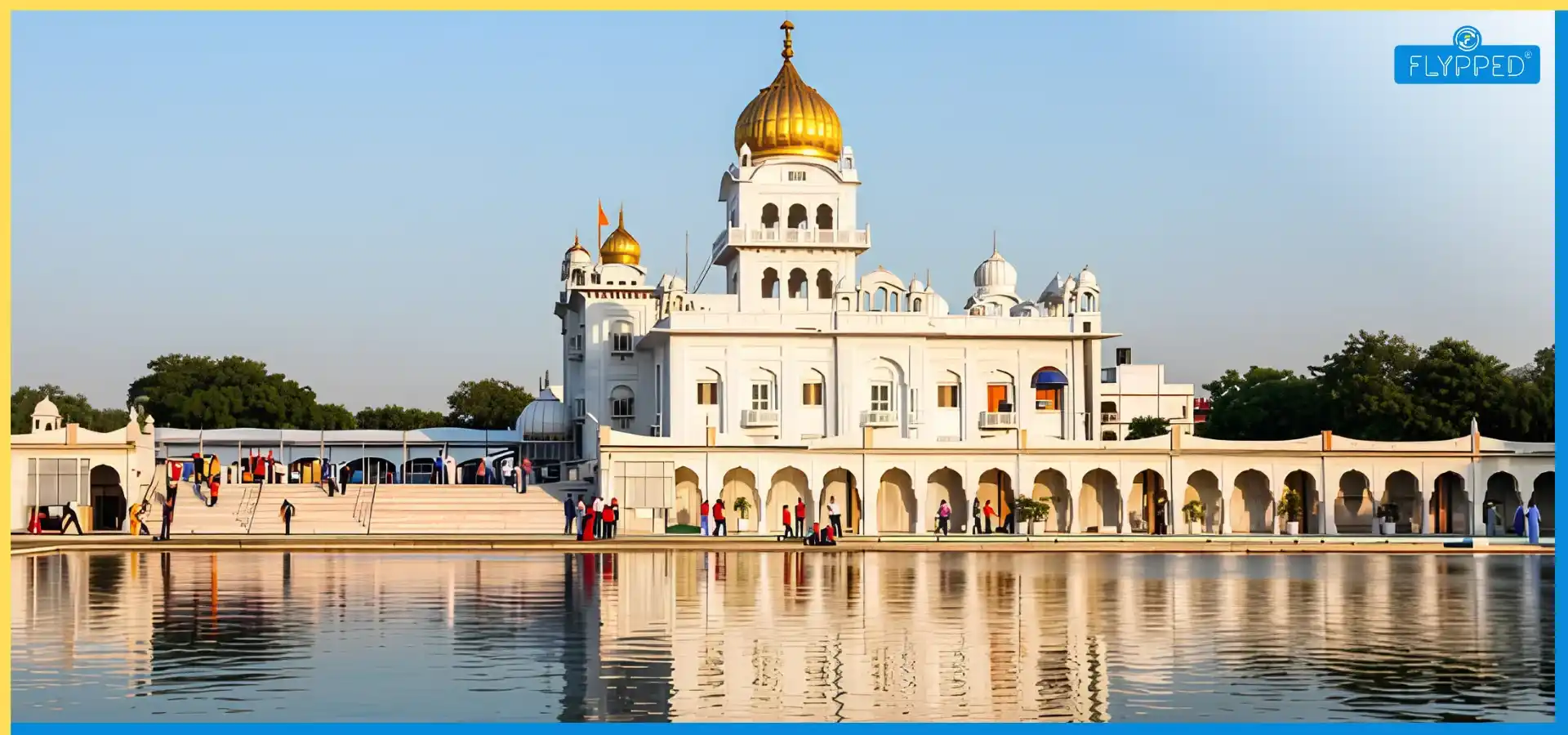
This Sikh shrine is connected to Guru Har Krishan Sahib Ji, the eighth Sikh Guru, who stayed here in 1664 and served people during an epidemic. The sarovar (sacred pool) is believed by devotees to have healing properties, and the golden dome is a recognisable sight. The gurudwara runs a large langar, serving free vegetarian meals to everyone. Cover your head, remove your shoes and wash your feet before entering.
- Entry fee: Free
- Timings: Open round the clock for darshan
- Nearest metro: Patel Chowk (Yellow Line)
14. Hazrat Nizamuddin Dargah
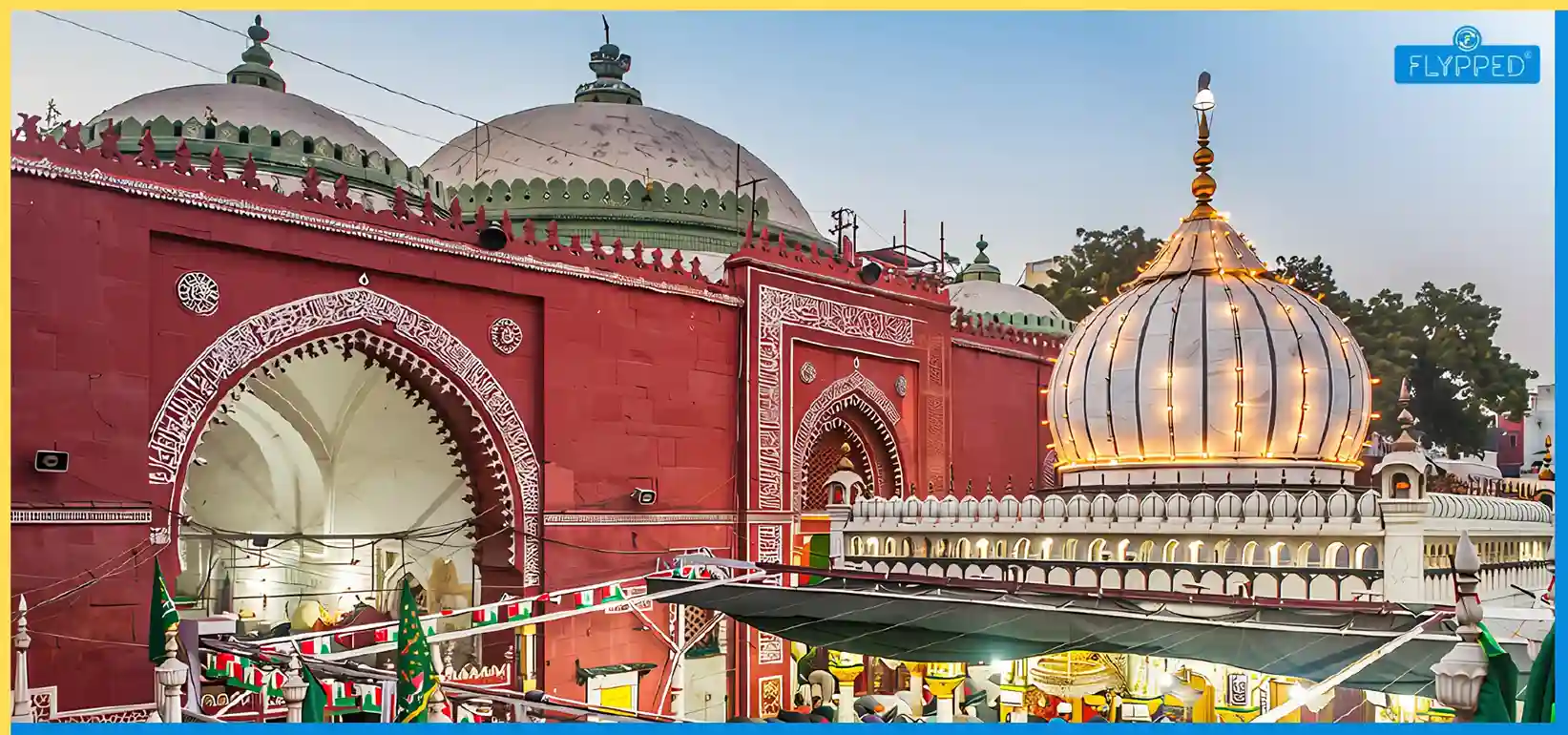
This 14th-century Sufi shrine honours Hazrat Nizamuddin Auliya of the Chishti order, and the poet Amir Khusrau, his disciple, is buried nearby. The narrow lanes leading to the dargah are lively with flower, chadar and food sellers. In the evenings, qawwali performances create a deeply spiritual atmosphere, and Thursday evenings are usually the busiest. Dress modestly, cover your head and follow local etiquette about photography.
- Entry fee: Free
- Timings: About 5:30 AM–10 PM
- Nearest metro: JLN Stadium (Violet Line) or Sarai Kale Khan–Nizamuddin (Pink Line), then a short auto ride; check your route on the Delhi Metro app
15. Rashtrapati Bhavan
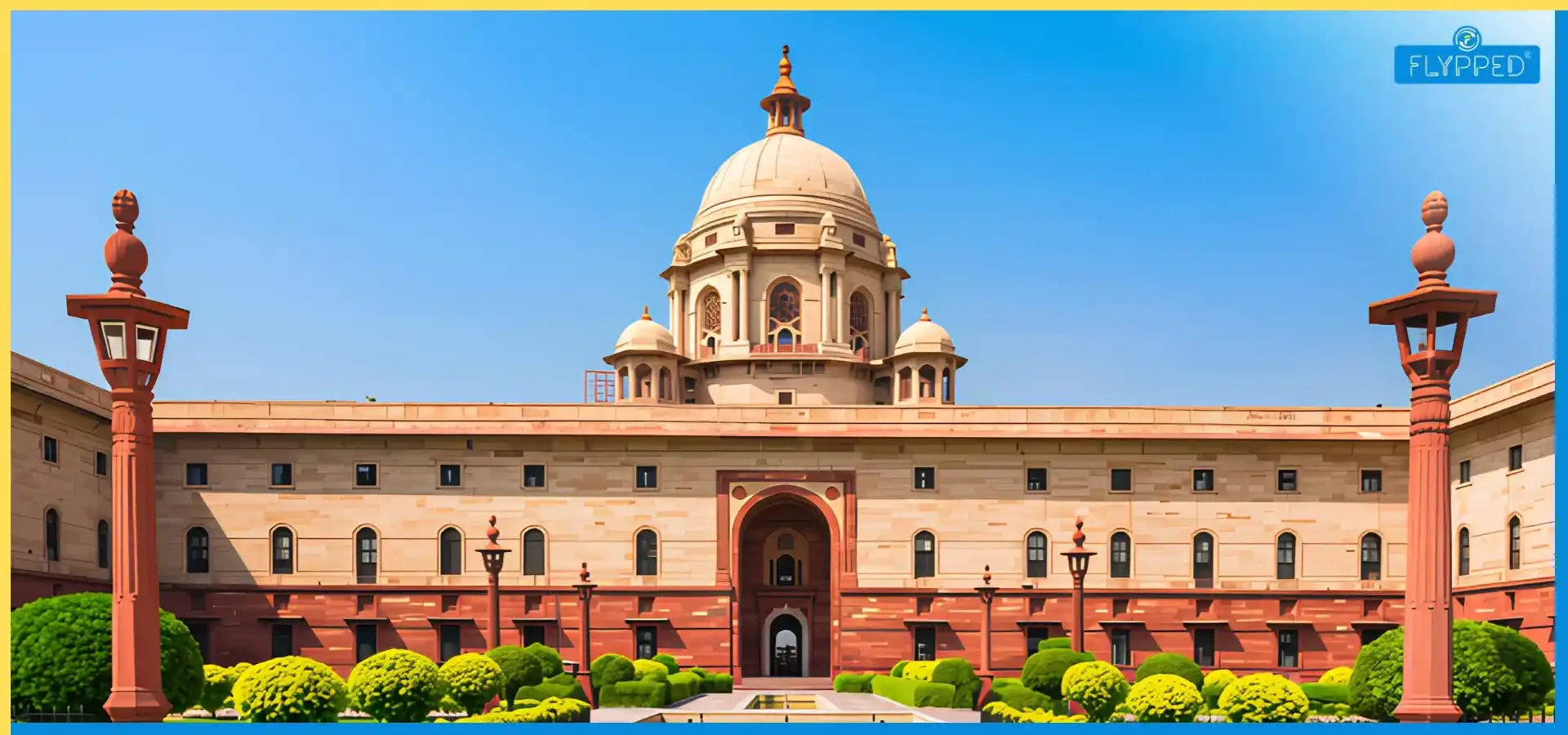
Rashtrapati Bhavan, the official residence of the President of India, was designed by Edwin Lutyens and has around 340 rooms. Tickets are booked online through the official visit portal (up to seven days ahead). Indian citizens must carry valid photo ID, and foreign visitors need a passport copy for booking and the original passport on the day. Visits to the Main Building and the Museum are separate circuits, each ₹50 per person, and children under 8 are exempt. The Change of Guard ceremony takes place on Saturdays at 7 AM.
Do not confuse these visits with Amrit Udyan, the gardens. They open only during Udyan Utsav (February–March and August–September). Entry is free but online booking is mandatory, and the 2026 summer edition has already closed, so check official announcements for the next dates.
- Timings: Main Building and Museum open Tuesday–Sunday in slots from about 9:30 AM, with entry closing at 4 PM; closed on Mondays and gazetted holidays
- Nearest metro: Central Secretariat (Yellow/Violet Line)
16. Pradhanmantri Sangrahalaya (Prime Ministers' Museum)
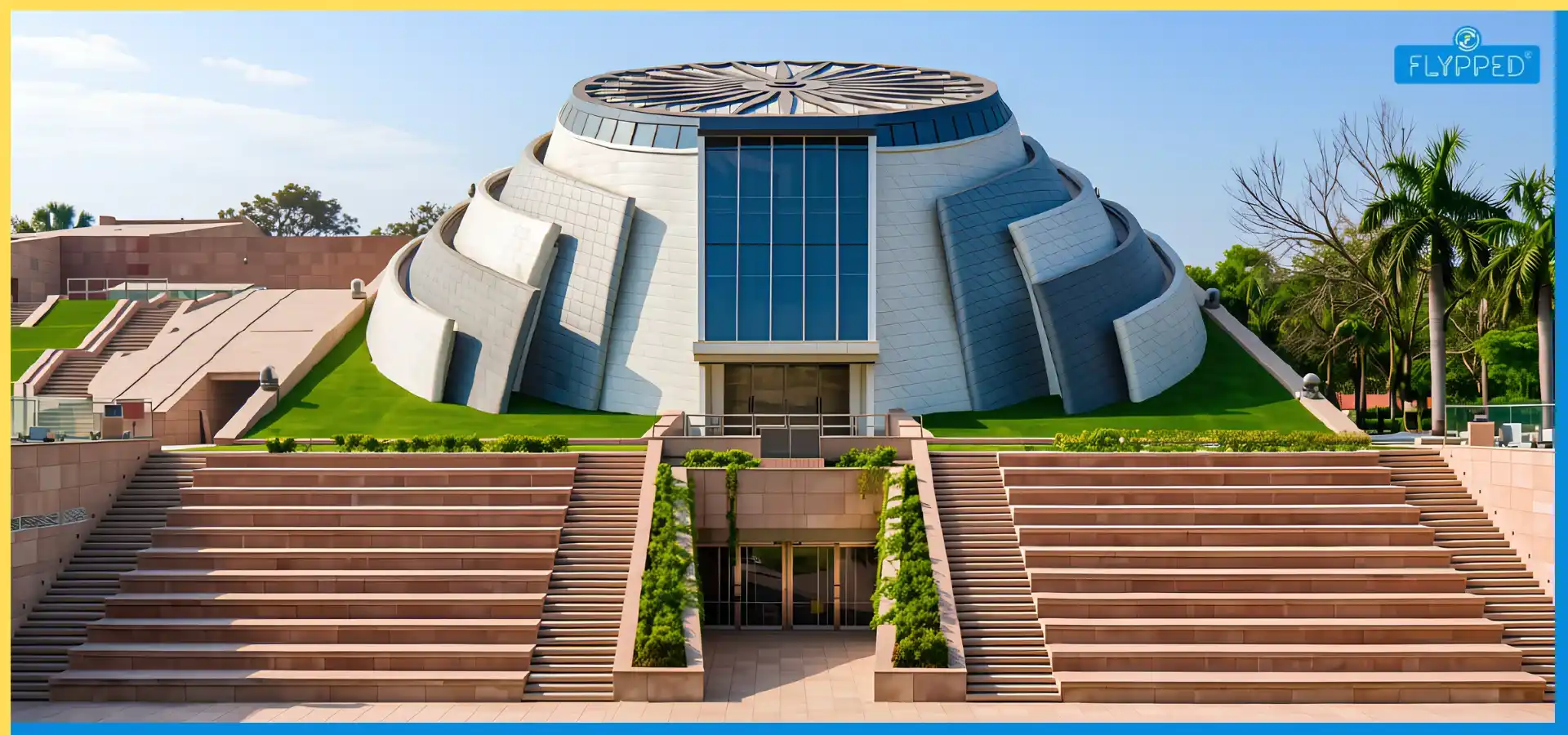
Opened in April 2022 at Teen Murti Bhawan, this museum tells the story of India's prime ministers and how each shaped the nation. Its galleries use interactive and digital features, including augmented-reality experiences, a handwriting robot, a virtual helicopter ride and a light-and-sound show. It suits students and families, and a full visit takes two to three hours.
- Entry fee: Reported at about ₹100 online and ₹110 offline for Indians, with higher rates for foreigners; fees have changed in the past, so check the official site
- Timings: Tuesday–Sunday, 10 AM–6 PM (March–October) and 10 AM–5 PM (November–February); closed on Mondays and gazetted holidays
- Nearest metro: Lok Kalyan Marg (Yellow Line), roughly 1.8 km away, so plan for a short auto or cab ride
17. National Museum
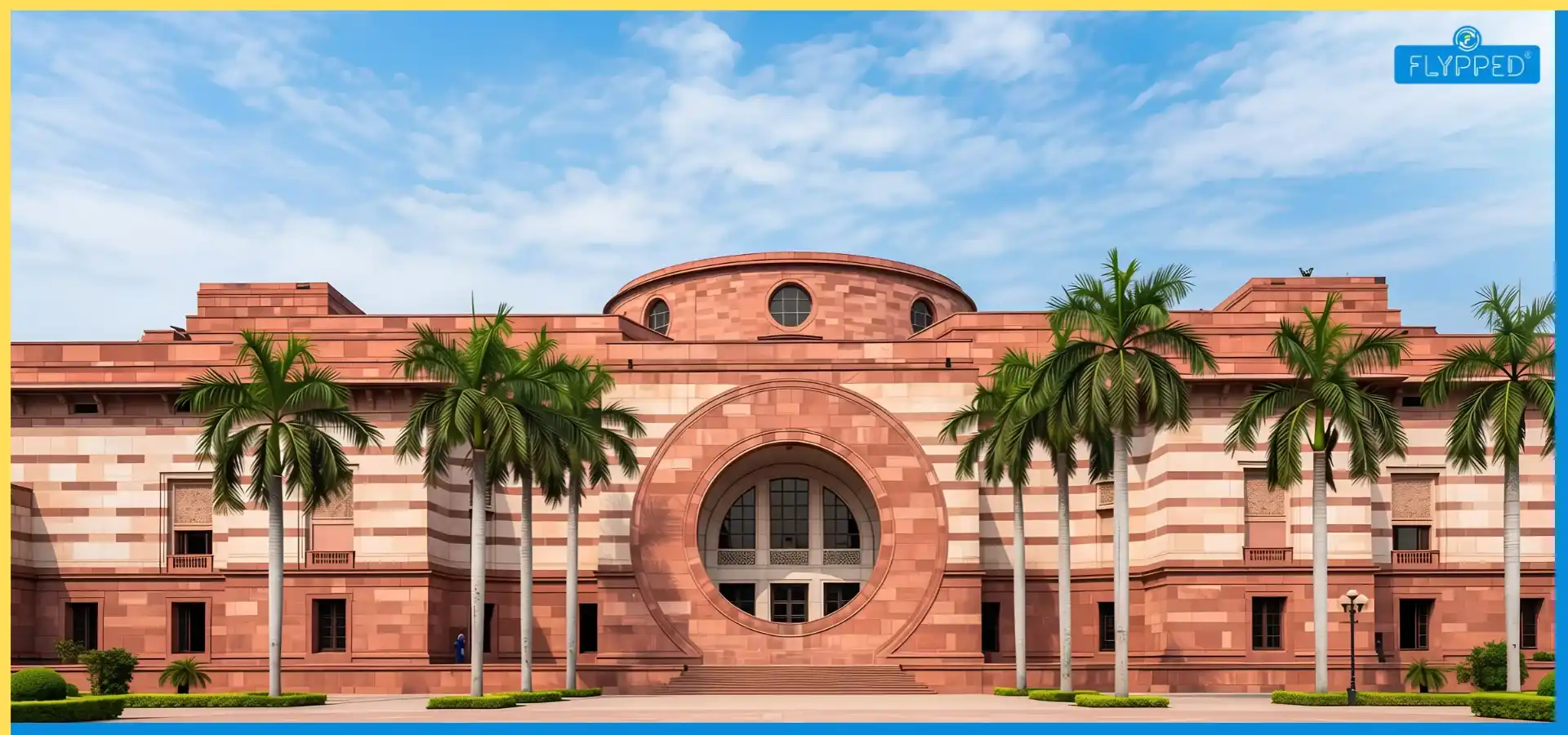
Established in 1949, the National Museum on Janpath holds a wide collection of Harappan artefacts, Buddhist art, sculptures, miniature paintings, manuscripts and other heritage objects. It is especially useful for students, history enthusiasts and anyone who wants context for the monuments they have seen elsewhere in the city. Note that the planned Yuge Yugeen Bharat National Museum, to be housed in the North and South Blocks, is expected to open its first gallery around the end of 2026 and eventually replace the existing museum. Check the latest status before you go.
- Entry fee: Around ₹20 (Indians), ₹500 (foreigners, including audio guide); verify the current rate
- Timings: About 10 AM–6 PM; closed on Mondays
- Nearest metro: Central Secretariat or Udyog Bhawan (Yellow/Violet Line)
18. Raj Ghat
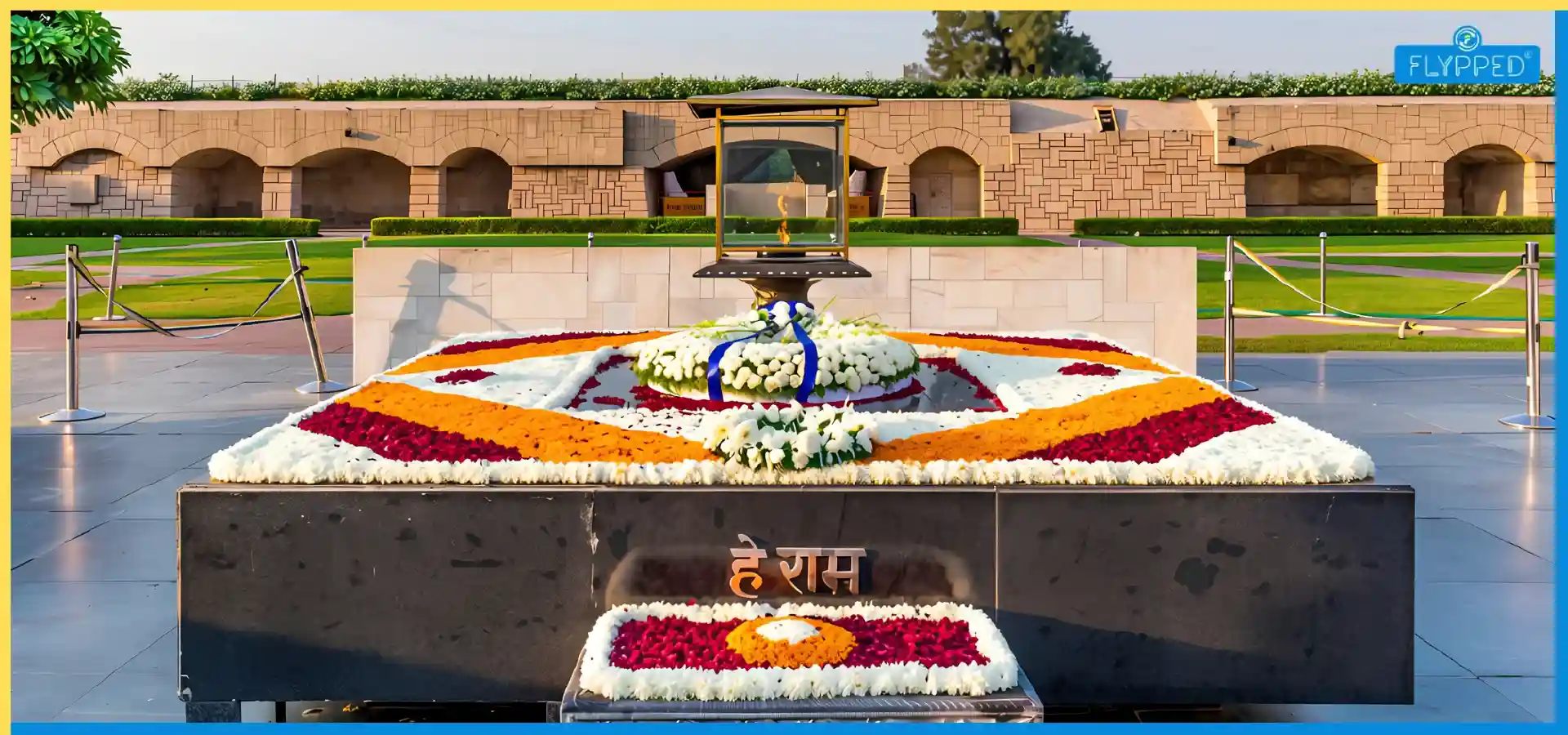
Raj Ghat is the memorial to Mahatma Gandhi, built on the spot where he was cremated in 1948. A simple black marble platform stands in a landscaped garden on the Yamuna bank, with an eternal flame burning beside it and the words "Hey Ram" inscribed nearby. Visitors walk barefoot and maintain silence. The site is a quiet counterpoint to Delhi's busier monuments and links closely with India's freedom movement.
- Entry fee: Free
- Timings: About 6 AM–6 PM
- Nearest metro: Delhi Gate (Violet Line)
19. National Rail Museum
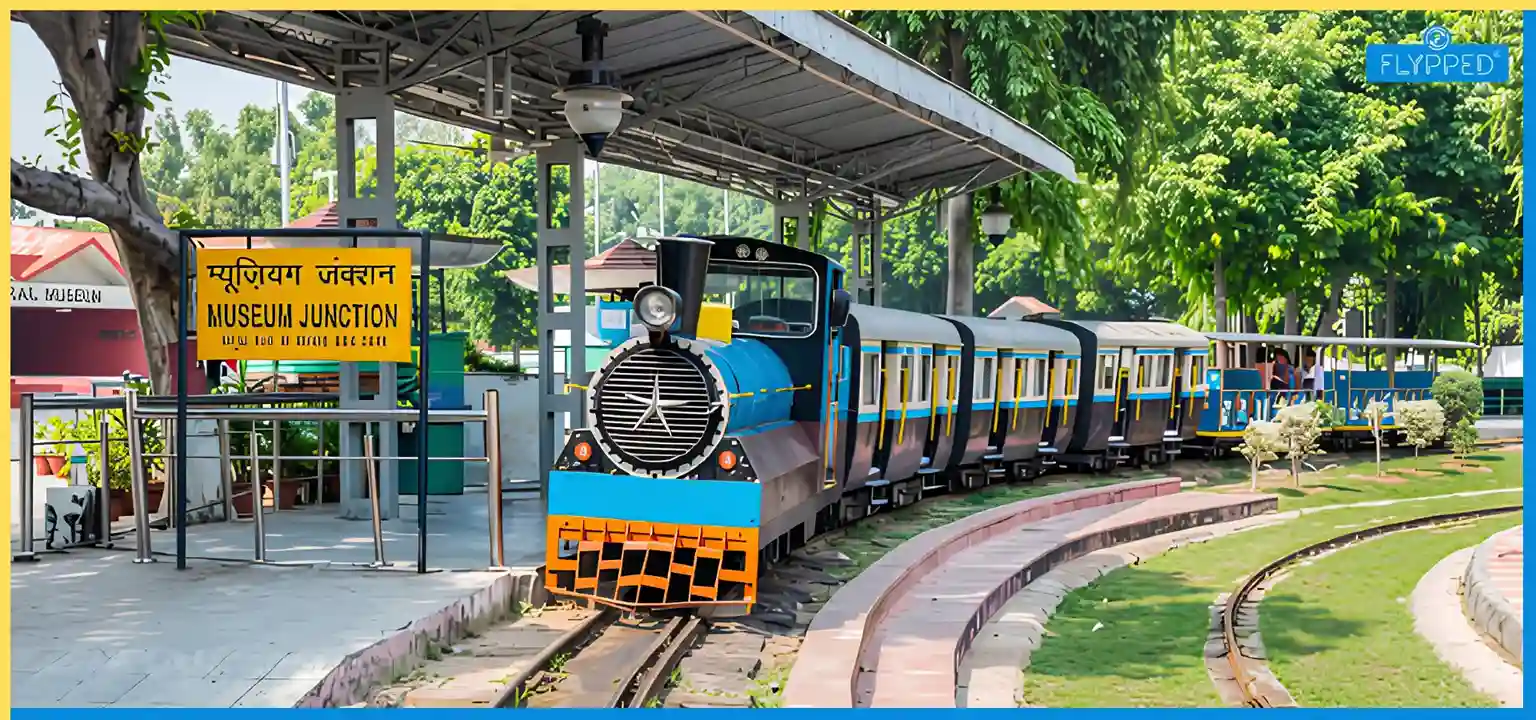
Spread over about 10 acres in Chanakyapuri, the National Rail Museum displays life-size locomotives, royal saloons, rail simulators and a toy train ride. Highlights include the Fairy Queen, one of the oldest steam locomotives still in working condition, and the Maharaja of Mysore's saloon. It is a favourite for children, railway enthusiasts and families, and is one of the best things to do in Delhi with kids.
- Entry fee: From about ₹50 (adults) and ₹10 (children); rides such as the toy train and simulators cost extra
- Timings: About 10 AM–5 PM; closed on Mondays
- Nearest metro: Dhaula Kuan (Delhi Tourism lists this as the nearest station)
20. Lodhi Garden
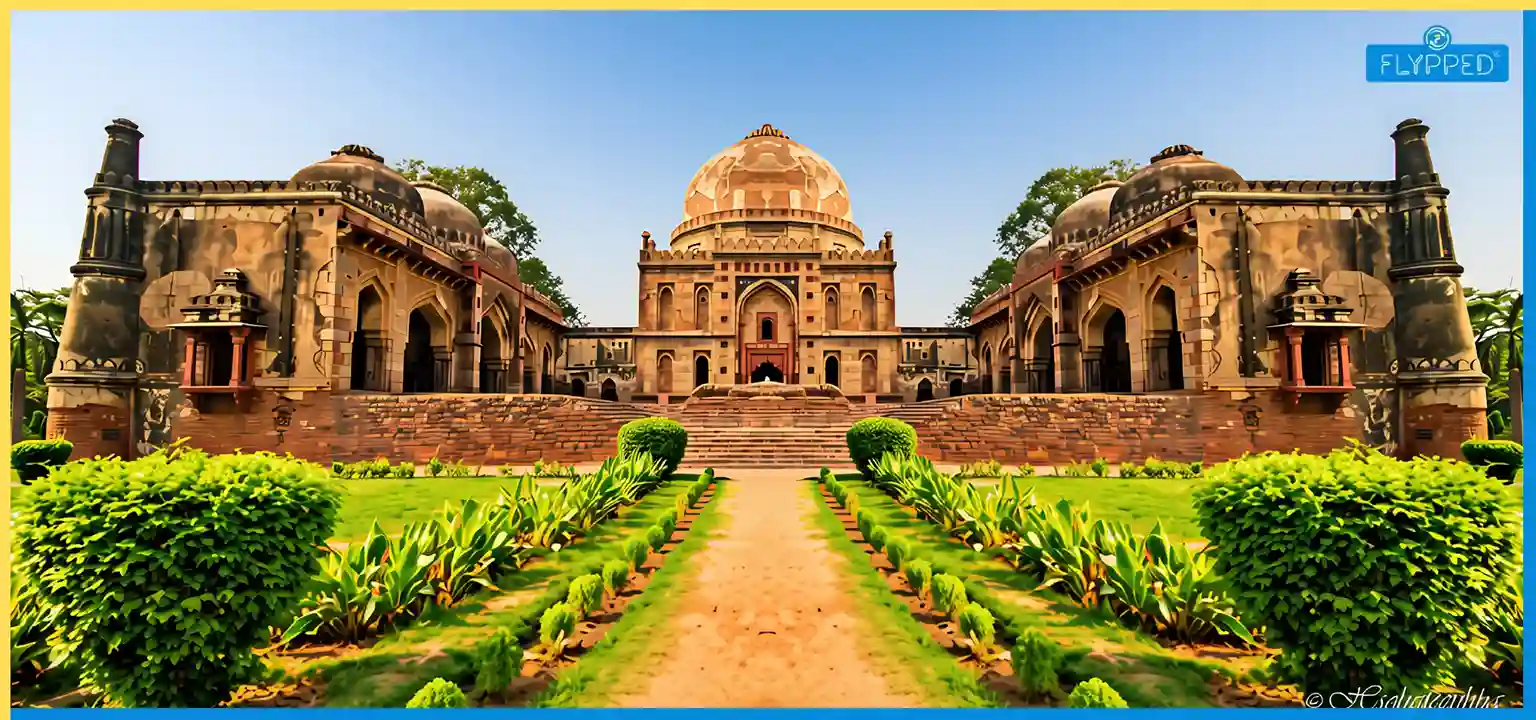
Lodhi Garden covers around 90 acres and is one of Delhi's most loved green spaces. It holds 15th- and 16th-century tombs from the Sayyid and Lodi dynasties, including Bara Gumbad, Shisha Gumbad and the tombs of Mohammed Shah and Sikandar Lodi. Walking paths, lawns and old trees make it popular with joggers, photographers and families. Early morning is the best time.
- Entry fee: Free
- Timings: About 6 AM–8 PM from October to March (5 AM opening in summer)
- Nearest metro: Jor Bagh (Yellow Line)
- Activities: Morning walks, photography, picnics and tomb-spotting
21. Sunder Nursery
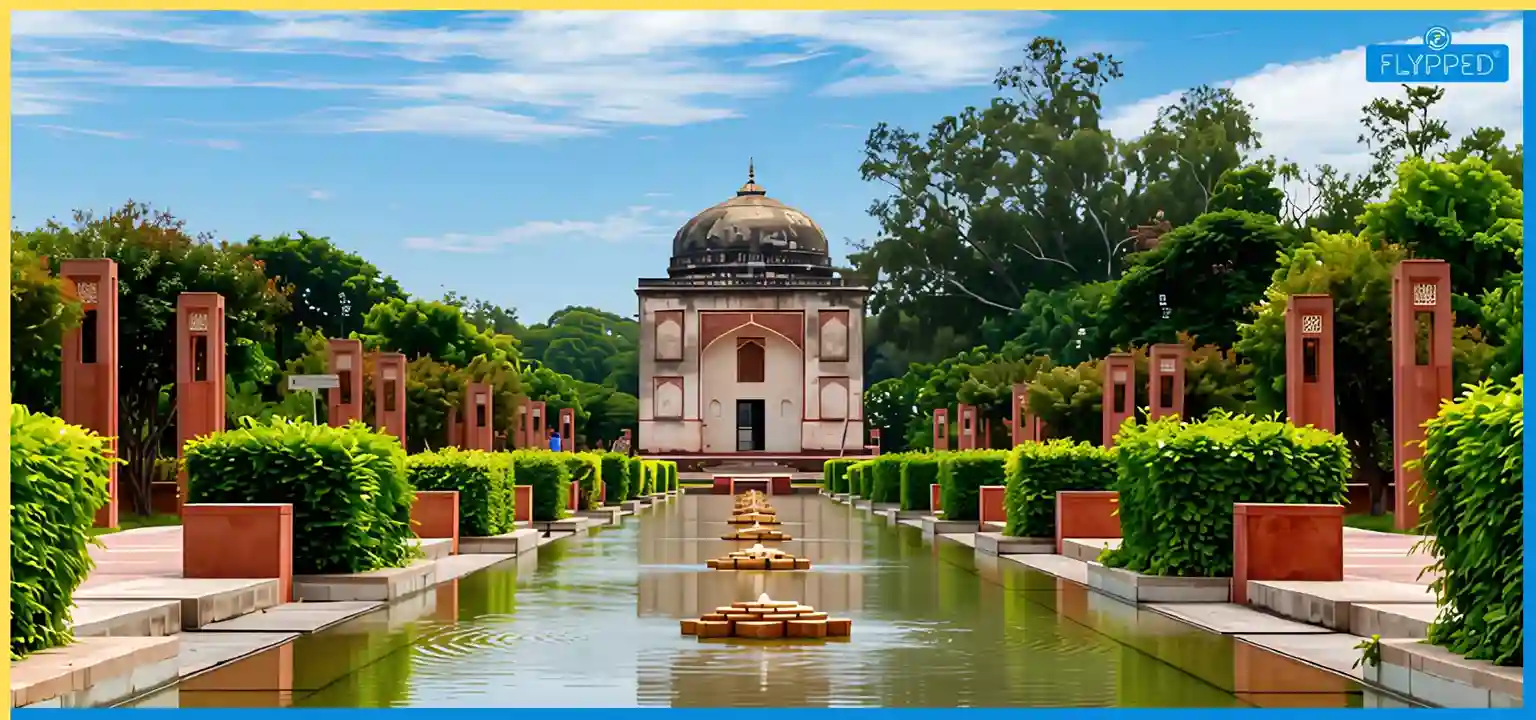
Sunder Nursery is a restored 16th-century heritage park beside Humayun's Tomb. It combines landscaped gardens, water features, lakes, Mughal-era monuments and an arboretum with hundreds of tree species, plus abundant birdlife. It is easy to pair with Humayun's Tomb and suits families, nature lovers and photographers. A weekend market often adds a lively touch.
- Entry fee: ₹50 (Indians/SAARC), ₹200 (foreigners); lower rates for children and seniors
- Timings: About 7 AM–10 PM, last entry around 9 PM (some listings show shorter hours, so confirm)
- Nearest metro: JLN Stadium (Violet Line)
22. Hauz Khas Village and Fort
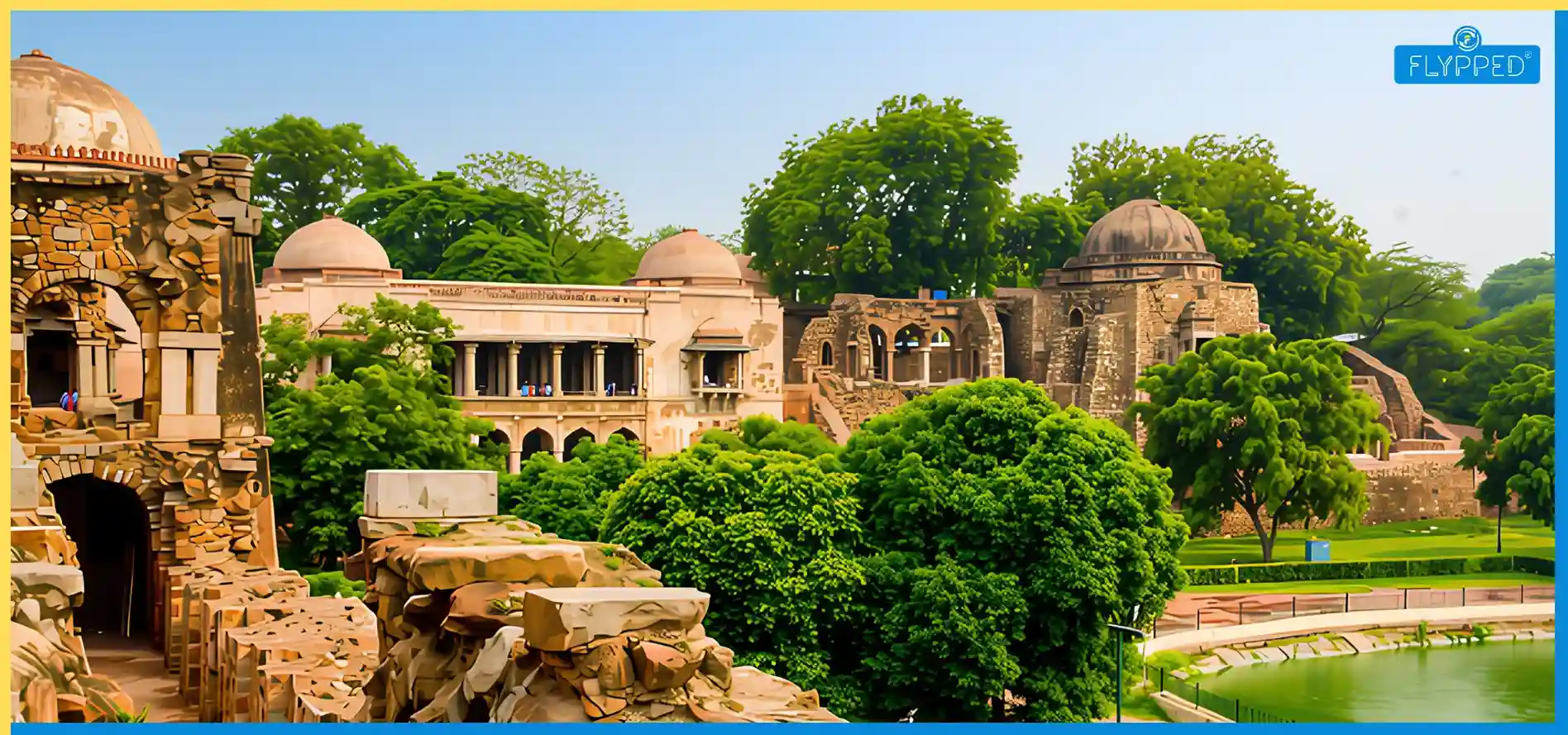
Hauz Khas combines medieval ruins with a trendy neighbourhood. A reservoir built in the Khilji era sits beside Firoz Shah Tughlaq's madrasa and tomb from the 14th century, overlooking the lake and a deer park. The village around it has cafés, art galleries, boutiques and nightlife. Visit the ruins in daylight, then stay for dinner and shopping. It is a good example of how heritage and modern life sit together in the places in Delhi.
- Entry fee: Free for the monuments
- Best time: Late afternoon to evening
- Nearest metro: Hauz Khas (Yellow/Magenta Line)
23. Chandni Chowk
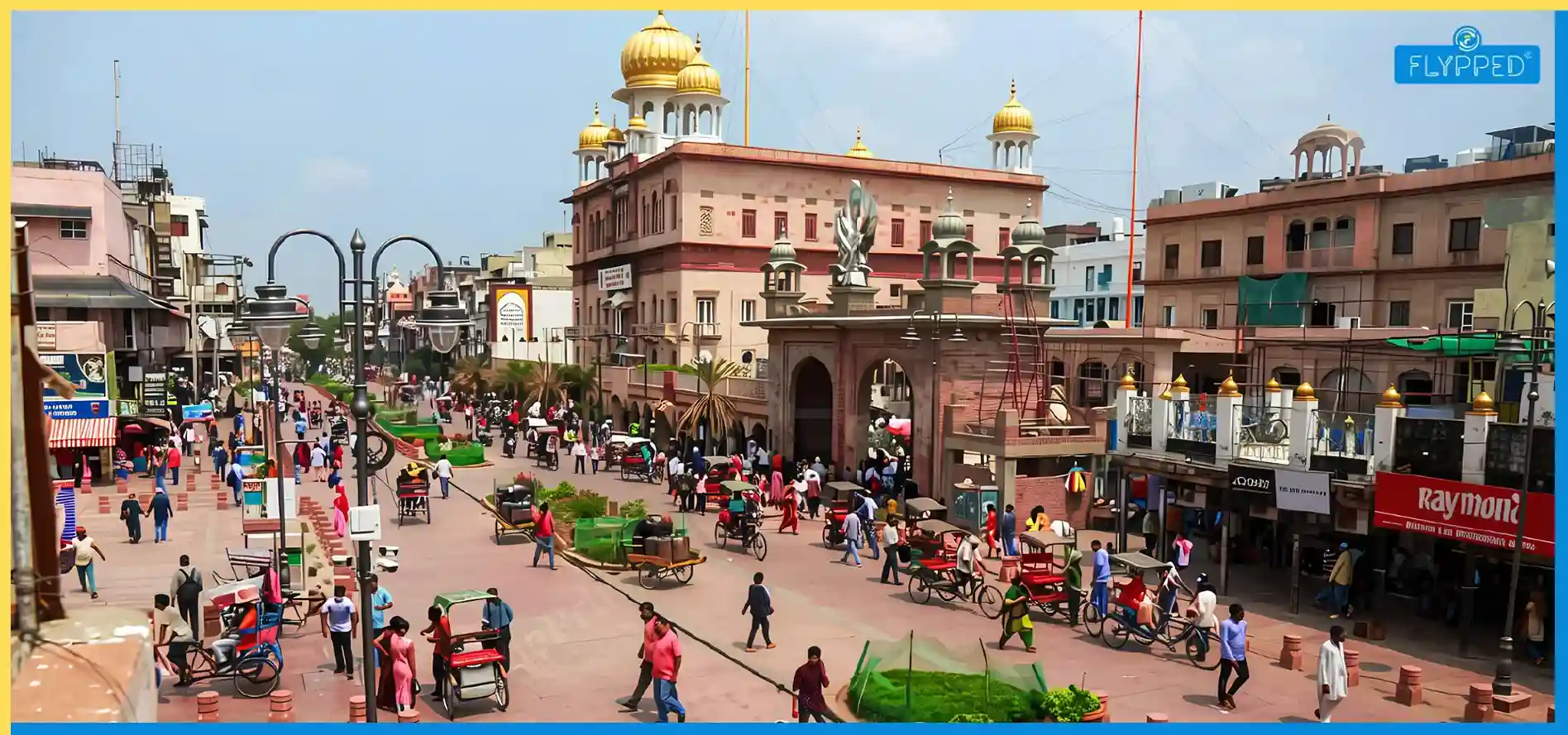
Chandni Chowk was laid out in 1650 near the Red Fort in Shah Jahan's walled city and remains one of Delhi's oldest and busiest markets. Come for Paranthe Wali Gali, traditional sweets and street food, and wander to Khari Baoli, Asia's largest wholesale spice and dry-fruit market. Dariba Kalan sells silver jewellery, and Katra Neel is known for fabrics. It is among the top things to do in Delhi for food lovers and one of the most famous tourist places in Delhi.
- Shopping hours: Roughly 10 AM–8 PM; many shops close one day a week, often Sunday, so check before going
- Nearest metro: Chandni Chowk (Yellow Line) or Lal Quila (Violet Line)
- Tips: Travel by metro and e-rickshaw rather than car, carry small cash, keep your belongings secure and start early to avoid crowds
24. Connaught Place
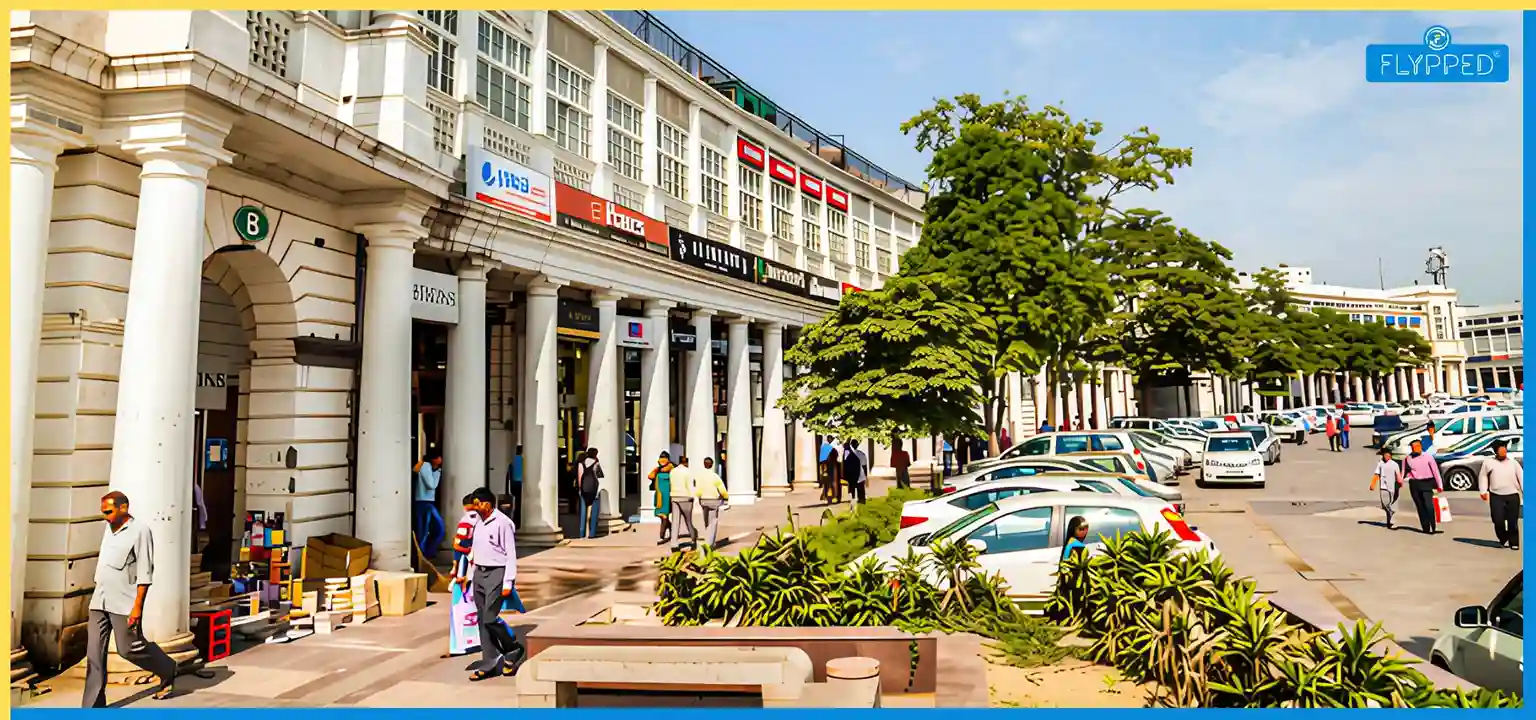
Connaught Place, designed in a Georgian style and completed in the early 1930s, is built as two concentric circles of white colonnades. It is Delhi's central business and leisure hub, with restaurants, cafés, shops, cinemas and nearby Janpath market. It also lies close to Agrasen Ki Baoli and Jantar Mantar, so it fits neatly into a sightseeing day among the places in New Delhi.
- Entry fee: Free
- Shopping hours: Roughly 10 AM–9 PM, varying by outlet
- Nearest metro: Rajiv Chowk (Blue/Yellow Line)
25. Dilli Haat INA
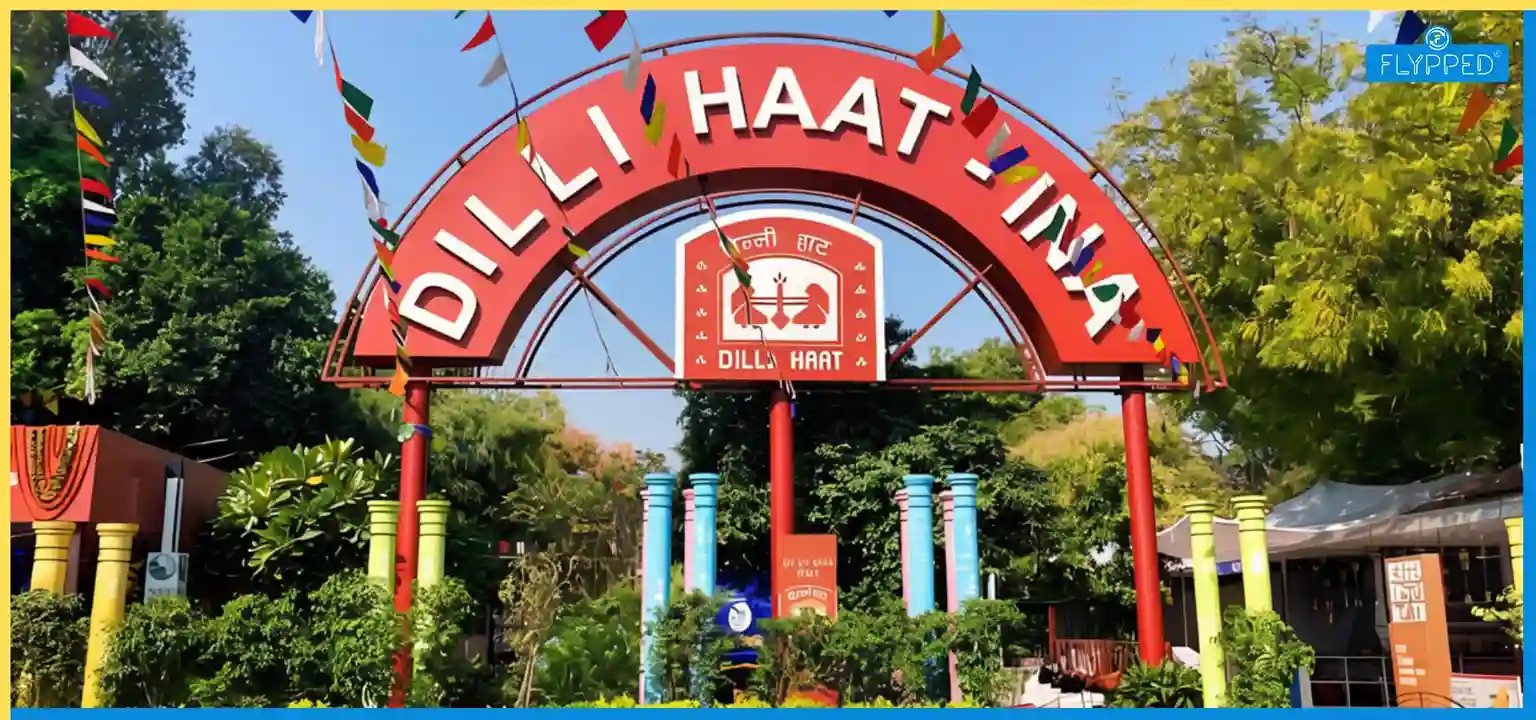
Dilli Haat is a crafts bazaar run by Delhi Tourism that showcases handicrafts, textiles, jewellery and regional food from across India. Stalls rotate, food counters serve dishes from different states, and cultural events add to the atmosphere. It is a convenient place to buy souvenirs and try regional cuisines in a single stop, and it suits one of the easiest things to do in Delhi in the evening.
- Entry fee: About ₹30 (Indians), ₹100 (foreigners)
- Timings: About 11 AM–9 PM
- Location and metro: Near INA; INA (Yellow/Pink Line)
Best Things to Do in Delhi for First-Time Visitors
If you are wondering about the best things to do in Delhi, these experiences cover the main sides of the city:
- Explore Mughal architecture and historical monuments. Start with the Red Fort, Humayun's Tomb and Qutub Minar, which together show the Sultanate and Mughal eras.
- Enjoy street food in Old Delhi. Walk through Chandni Chowk for parathas, sweets and chaat, then explore the lanes near Jama Masjid.
- Experience spiritual and cultural destinations. Visit Akshardham for its exhibitions and water show, sit in silence at the Lotus Temple, share langar at Bangla Sahib or hear qawwali at Nizamuddin Dargah.
- Visit museums and heritage parks. Combine the National Museum, the PM Museum or the Rail Museum with a relaxed walk in Sunder Nursery or Lodhi Garden.
- Explore local shopping markets. Pick up handicrafts at Dilli Haat, browse Janpath and Connaught Place, or look for spices and silver in Old Delhi.
- Enjoy evening sightseeing around India Gate and Kartavya Path. Visit around sunset, see the National War Memorial and end the day on the lawns.
Conclusion
Delhi offers a rare mix of historical monuments, religious landmarks, museums, gardens and markets, and few cities let you explore so many eras in a single trip. The best tourist place in Delhi depends on your interests: history lovers may prefer the Red Fort and Humayun's Tomb, spiritual travellers Akshardham or Bangla Sahib, and families the Rail Museum or Sunder Nursery. Whichever of the tourist places in Delhi you choose, plan by location, check opening hours and weekly closures (many sites close on Mondays) and leave enough time for travel between stops. Group nearby places together, start early and enjoy the city at your own pace.
Read More:
Frequently Asked Questions
Find answers to common questions about this topic
The Red Fort, Qutub Minar, Humayun’s Tomb, India Gate, Purana Qila, Jama Masjid and Safdarjung’s Tomb. The first three are UNESCO World Heritage Sites.
Families can try Akshardham, the Rail Museum and Sunder Nursery. Friends will enjoy Hauz Khas Village, Connaught Place and Chandni Chowk.
Spend Saturday in Old Delhi (Red Fort, Jama Masjid, Chandni Chowk). On Sunday, visit Humayun’s Tomb and Lodhi Garden, then India Gate in the evening.
Lodhi Garden, India Gate, Raj Ghat, Bangla Sahib, Lotus Temple and Agrasen Ki Baoli are all free to enter.
Day 1: Old Delhi (Red Fort, Jama Masjid, Chandni Chowk). Day 2: Humayun’s Tomb, Lodhi Garden, India Gate. Day 3: Qutub Minar, Lotus Temple, Akshardham.