The Freedom Map: Why Financial Literacy is Your Greatest Power Move
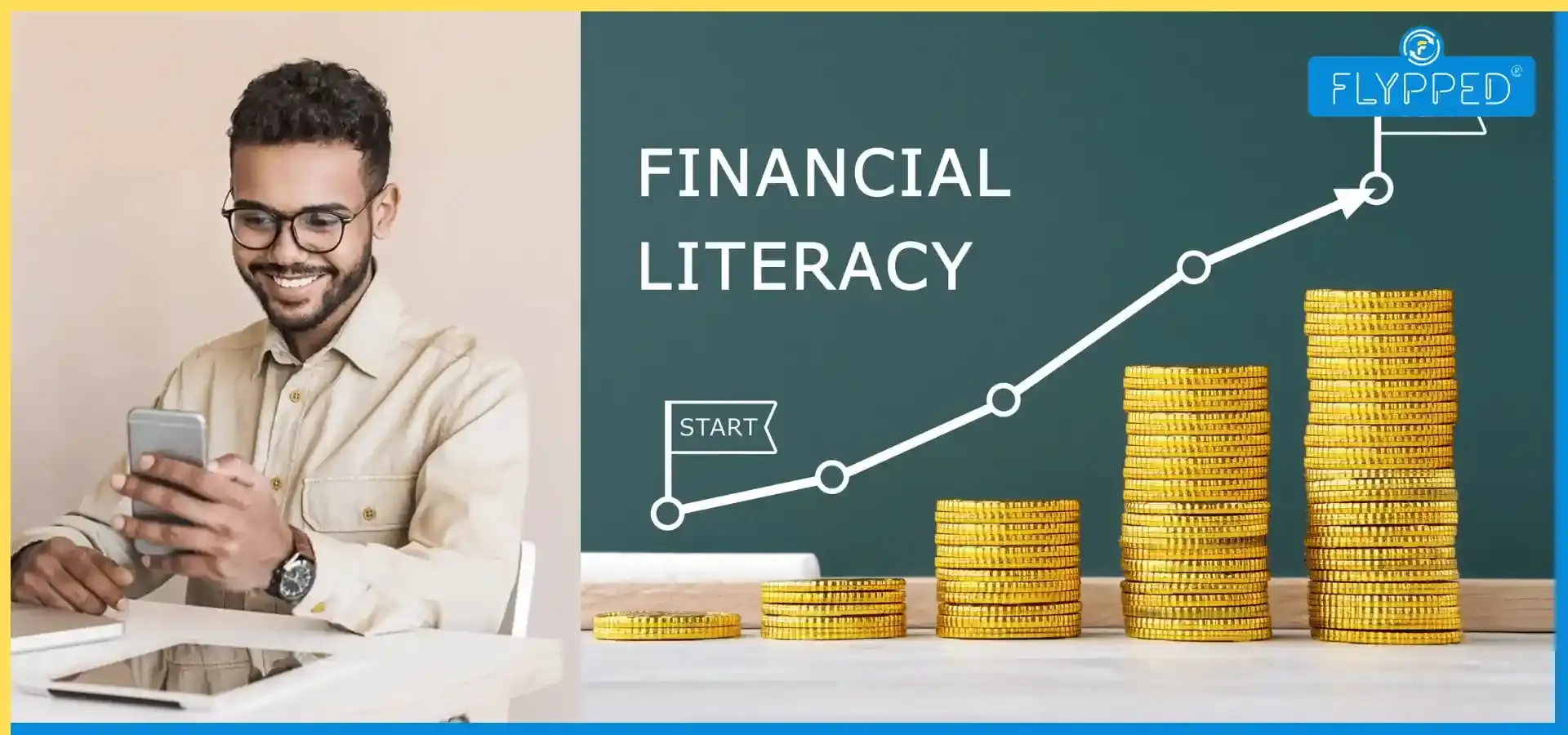
The Freedom Map - Let’s be honest: money is awkward. We’re taught it’s impolite to talk about at dinner, yet it’s the primary engine behind almost every choice we make. For many of us, especially younger people who have just started earning or women who have always been out of the loop when it comes to money discussions, the world of finance feels like a private club where everyone else already knows the secret password.
If you’ve ever felt a pang of anxiety opening a bank app or quietly nodded along while someone mentioned "diversified portfolios" without having a clue what they meant, take a breath. You aren't "bad with money." You’re likely just missing the map. That map is financial literacy.
What is Financial Literacy, Really?
It is not about being a math whiz or memorising stock market fluctuations. It is the ability to understand and apply financial skills, including personal finance management, budgeting, and investing.
Think of it as a language. When you’re fluent, you can navigate the world with confidence. When you aren't, you’re constantly relying on others to translate it for you, and translations can be wrong, biased, or outdated. Financial literacy is the bridge between having money and making that money work for you.
The Invisible Barriers: Why Some are Left Behind
For women who have always been out of the loop, the barrier is often cultural rather than intellectual. Historically, conversations about money and finances have occurred in spaces dominated by men.
Even today, many women who earn their own paycheck hand over the long-term planning to their partner or parent.
This "participation gap" isn't just about missing out on growth; it’s about a loss of agency. When you understand your money, you own your future. You aren't just "helping out"; you are the architect of your own secure future.
For the younger people who have just started earning, the challenge is different: it’s the "invincibility trap." When that first real paycheck hits, it’s tempting to treat it as a reward for surviving school. But this is actually the most critical window you will ever have. Thanks to the magic of compounding, a dollar saved at 22 is worth significantly more than a dollar saved at 42.
The Massive Benefits of Financial Literacy
Why bother learning financial literacy? Because the benefits of financial literacy extend far beyond your bank balance.
● Stress Reduction: Most "money stress" stems from uncertainty. Knowing exactly where your money goes eliminates that 2:00 AM panic.
● Intentional Living: Financial literacy allows you to stop spending on things you don't care about so you can spend on the things that matter.
● Protection: You become "scam-proof." When you understand how interest rates and credit work, you’re less likely to fall into predatory lending traps.
● Generational Change: Once you learn it, you can teach it. You break the cycle of "we don't talk about money" for those who come after you.
Financial Literacy for Students and Young Professionals: The Starter Pack
If you’re just starting, don't try to master the stock market in a weekend. Focus on the "Big Three" of financial literacy for students and young professionals:
1. Set a Budget: Stop seeing a budget as a "no" to fun. See it as a "yes" to what matters. Try the 50/30/20 rule: 50% for needs, 30% for wants, and 20% for your future self.
2. The Emergency Buffer: Aim to keep three months' worth of basic expenses in a separate account. This is your "walk-away fund" for toxic jobs or unexpected car repairs.
3. Understanding Credit: Credit cards are tools, not extra income. Learning to manage your credit score early will save you thousands of dollars in interest when you eventually want to buy a home or a car.
Taking Your Seat at the Table
To the women reading this who feel like they’ve started late: you haven't. The best time to start was ten years ago; the second-best time is today. Start by asking questions. If a financial advisor or partner uses a term you don't understand, ask them to explain it. If they can’t explain it simply, they probably don’t understand it well enough themselves.
Read a blog, maybe listen to a podcast or track your spending for just one month. Financial independence isn't a destination you reach overnight, but a series of small, informed decisions that accumulate over time.
Financial literacy is the ultimate form of self-care. It’s about giving yourself the gift of options. It’s the difference between being forced to stay in a situation you hate and having the resources to choose a different path. Whether you’ve deposited your first paycheck or your five-hundredth, remember: your money has a voice. It’s time you learned how to speak its language.