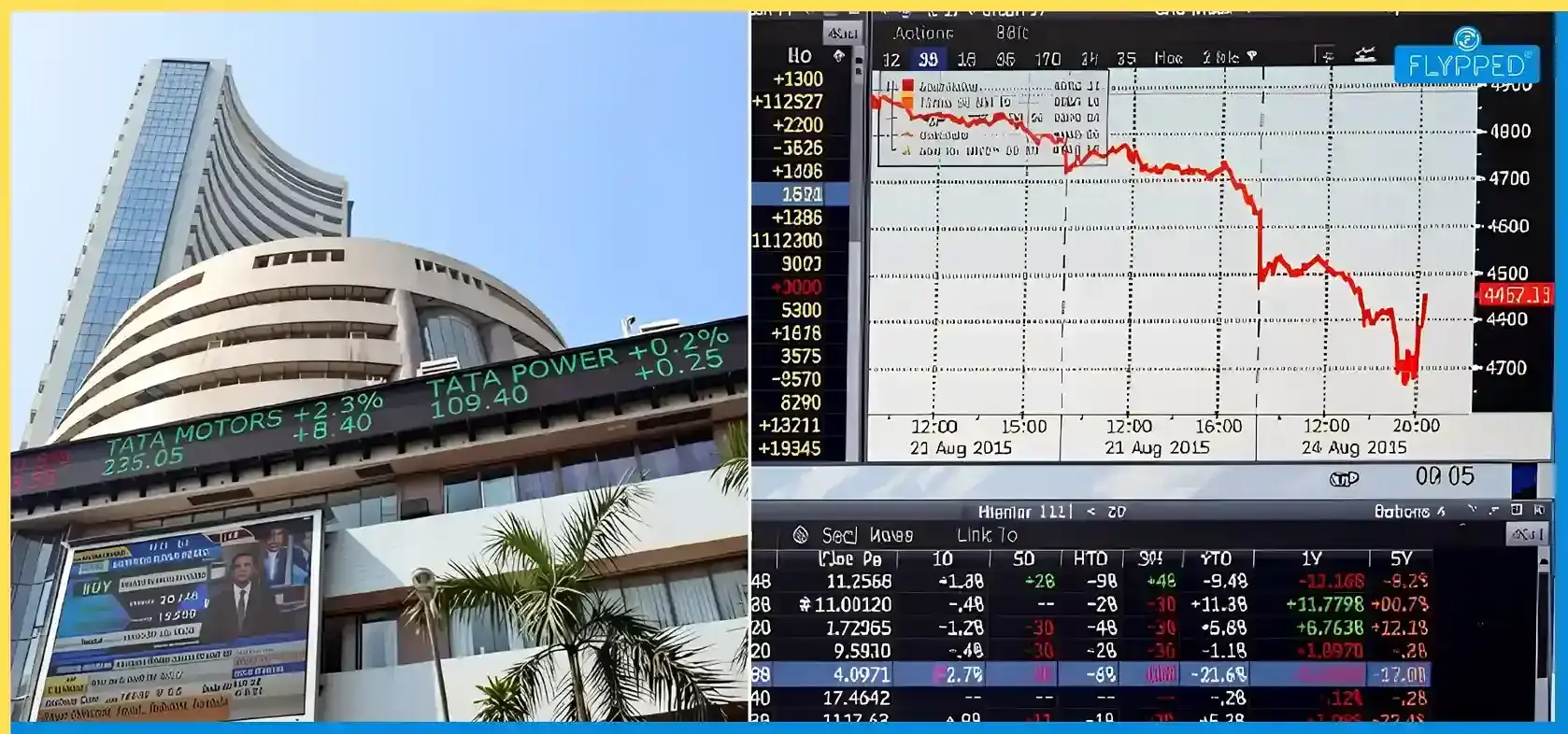
How to Start Trading as a Student: Tips for Beginners

If you're new to the ‘world of stock exchange’ and wondering how to start trading as a student, then you've come to the right place. Trading has the potential to give you financial independence early if you play your cards right. With the rise of online platforms, trading is no longer just limited to professionals. With proper knowledge, you can start trading tomorrow.
That being said, trading is a risky business. You must have a good idea of stocks and market orders before you dive headfirst into it. In this article, we’ll help you get started with trading, slowly and safely.
Step-by-Step Guide: How to Start Trading as a Student
Here are some simple steps to start your trading journey:
1. Learn the Basics First
It’s very important to understand how the stock market works before you dip your toes into trading and invest some money.
You can start by learning key concepts like stocks and indices. You must also understand the difference between market orders and limit orders. It’d also be beneficial for you if you could learn the basics of risk management.
If you're just starting, take the help of free resources like YouTube, blogs, and courses.
2. Understand Types of Trading
There are several types of trading that you should know about.
What is Equity Trading?
Equity trading means buying and selling shares of companies that are listed on stock exchanges. And know this: when you buy a stock, you own a small part of that company. Just like that!
The best thing about equity trading is that it is highly suitable for beginners. It has a lower risk compared to other derivatives. It's also good for building long-term wealth.
If you're a beginner and wondering how to start trading as a student, start with equity trading.
What is F&O Trading?
F&O trading (Futures and Options) deals with contracts based on underlying assets like stocks or indices.
This involves more risk compared to equity trading. It also requires strong knowledge, and therefore, is not recommended for beginners.
However, it also offers higher rewards than the previously discussed trading variant.
3. Choose the Right Trading Platform
To start trading, you need a demat and trading account. Some of the most popular and reliable platforms in India are:
- Zerodha
- Groww
- Upstox
- Angel One
It’s advised that you choose a platform which has low brokerage fees and an easy interface, which is a godsend for a beginner, as you’d agree.
Also, go for one which has good customer support.
4. Start with a Small Investment
If you're a student, don't go all in with big sums for investments. Start small. Even ₹1,000 to ₹5,000 is enough for a beginner.
As a trading newbie, focus on learning, and not earning.
5. Practice with Paper Trading
Paper trading is the safest way to introduce yourself to the otherwise risky world of trading. This involves no real money whatsoever and, therefore, gives you the freedom to explore the world of trading with confidence.
If you want to know how to start trading as a student, begin here!
This simulated trading helps you test strategies and understand market movements with ease.
6. Learn Technical and Fundamental Analysis
One common thing you’ll find among all successful traders is that they rely on analysis.
For the preliminary fundamental analysis, study the company's financials and earnings reports. Having a pulse on industry trends helps too.
For a more technical analysis, you should take the help of indicators like RSI and MACD. Also, study charts and price trends.
7. Manage Risk Properly
One of the most crucial but often overlooked aspects of trading is risk management.
Some good practices in this regard include using stop-loss orders and avoiding emotional trading. And most importantly, never ever invest all your money in one trade. Just like you never put all your eggs in one basket!
How to Make Money in Intraday Trading?
Intraday trading refers to buying and selling stocks on the same day.
Many students find intraday trading appealing. Its quick profit schemes are often too tempting. However, it's not the best choice for students as the risk factors are quite high, which an amateur trader won't be able to handle too well.
But if you want to give this trading a try anyway, here are some tips that you should keep in mind:
- Choose liquid stocks as these high-volume stocks are easier to trade.
- Always follow market trends as trading in the direction of the trend is less risky and has a better probability of delivering profits.
- Use stop-loss as this protects your capital from big losses.
- Avoid overtrading as too many trades can lead to losses.
- Don’t just trade randomly. Stick to a strategy. Following a plan reduces your chances of running into losses.
Final Thoughts
Learning how to start trading as a student has many benefits. It can become your side income if you tread carefully.
To get started, begin with the basics. Also, go for safer trading methods like equity trading and build your skills along the way.
With patience and consistency, you can make trading a powerful source of financial growth over time.