
Beware of These Venomous Snakes In India
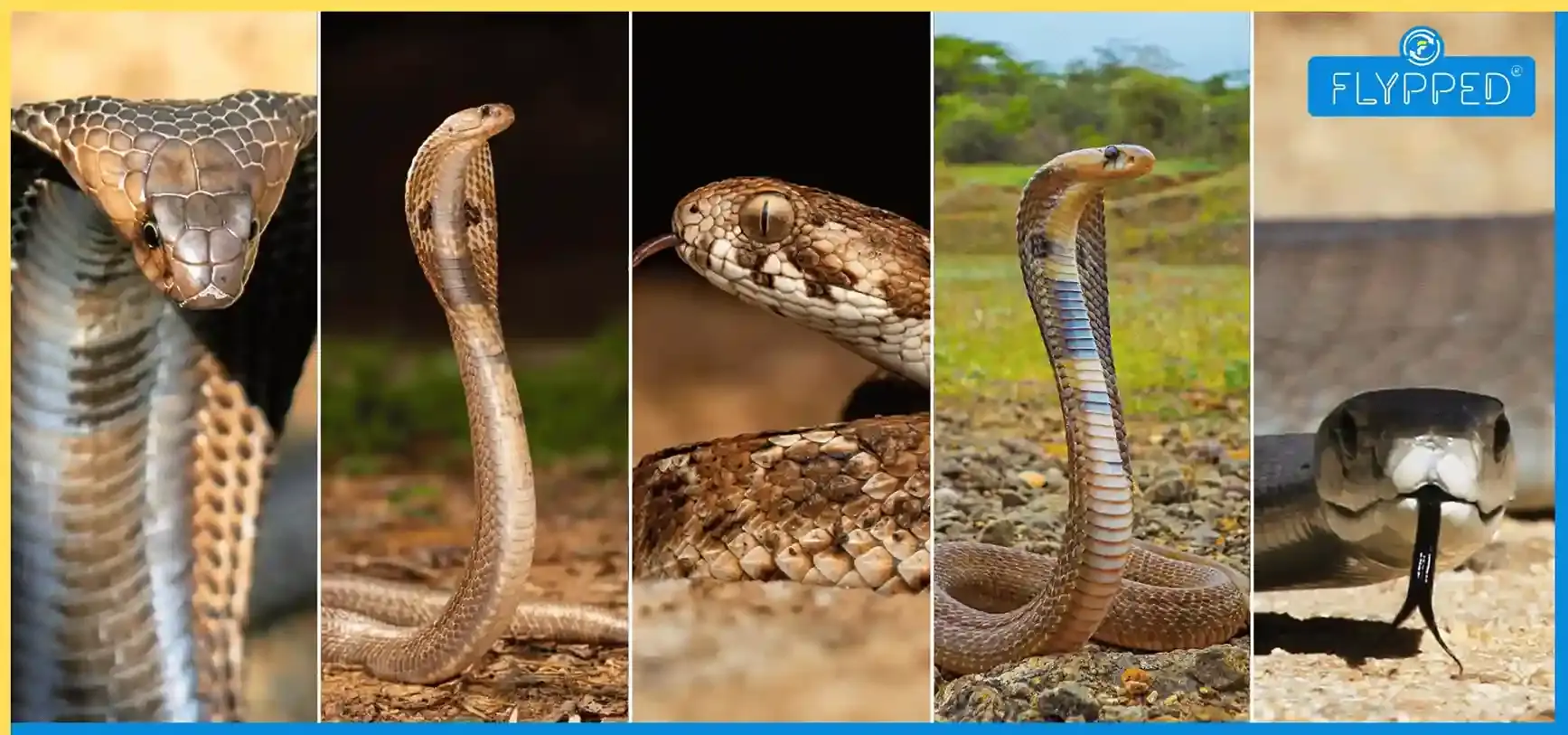
Snakes in India are among the most feared creatures, evoking terror in humans. The country is home to numerous highly venomous reptile species.
According to an estimated report, around 50,000 people die due to snake bites in India annually.
Although they play a very important role in pest control, they can be life-threatening when individuals come into contact with them.
These species make an instant attack, leaving the prey no time to think. One fatal bite force, and you are dead.
So today, we will be listing some dangerous and venomous snakes that you must beware of.
Snakes In India: 5 Venomous Reptiles Humans Must Beware of
Here are the venomous snakes species.
King Cobra
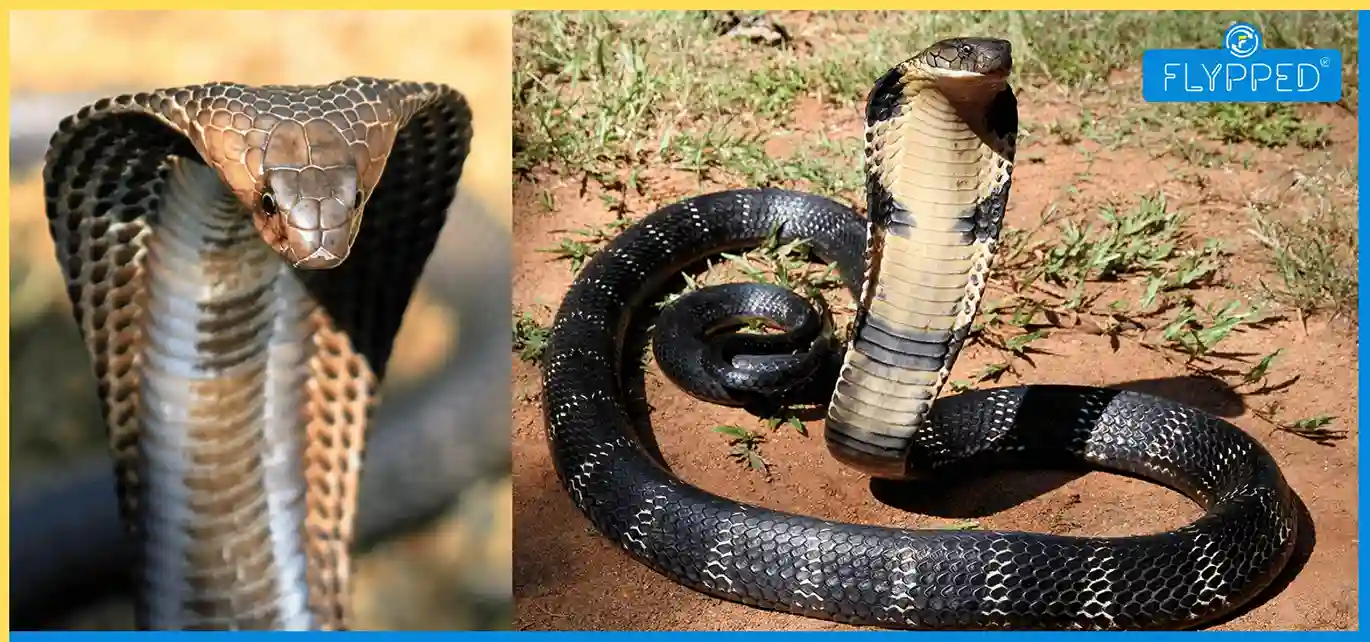
The King Cobra is recognised as the most venomous snake in India and worldwide. It is one of the feared reptiles, capable of growing up to around 18 feet in length, and is known for its size and intimidating presence.
What makes the King Cobra the deadliest reptile is its swift action and venom.
Unlike most venomous snakes that rely on venom strength alone, the king cobra’s real danger lies in the huge volume of neurotoxic venom it injects in a single bite.
And within the short period of that attack, it damages the nervous system of the victim, makes him paralysed with breathing failure. A quick medical help is required to escape death.
King Cobras mostly dwell in dense forests, Western Ghats in India, and parts of Northeast India.
These snakes usually avoid direct confrontation with humans, and escape when senses an approaching danger. They usually bite when they feel threatened.
Here's a video of King Cobra shedding its skin.
Indian Cobra
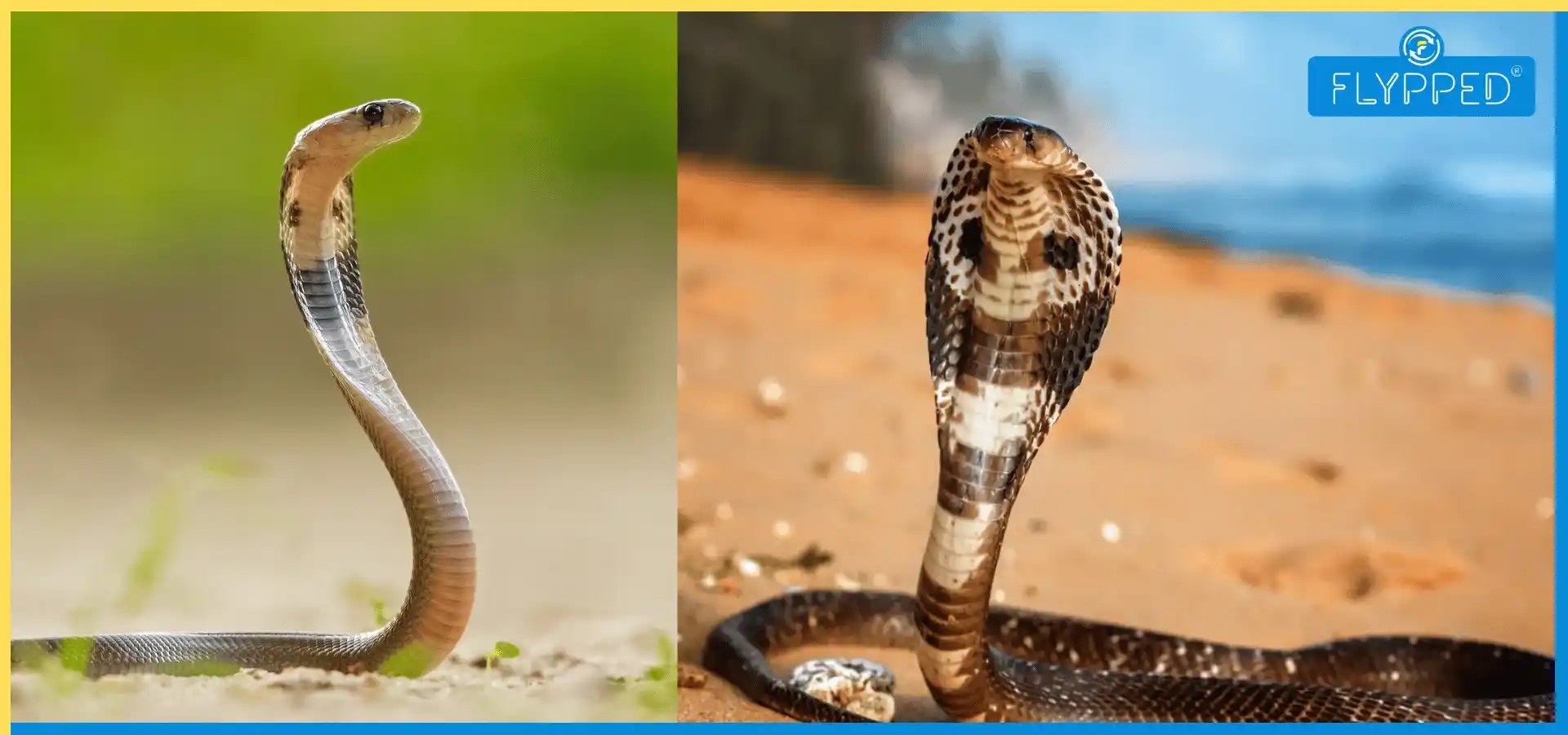
Next is Indian Cobra, also counted among the venomous snakes in India. They can be identified with their hoods they flare when detecting a danger.
This snake has unique markings on the back of his hood, appearing like spectacles. That is why they are also called spectacled Cobra.
These reptiles live near human dwellings, and prey upon rats and mice as they find them in ample amounts.
Hence, on the positive note, we can say that these snakes are natural pest controllers.
However, there are also many cases about their venomous bites in rural areas. Their venom contains neurotoxins, which weakens the nervous system and can make the person paralysed. If the treatment is delayed, it will result in death sooner.
Saw-Scaled Viper
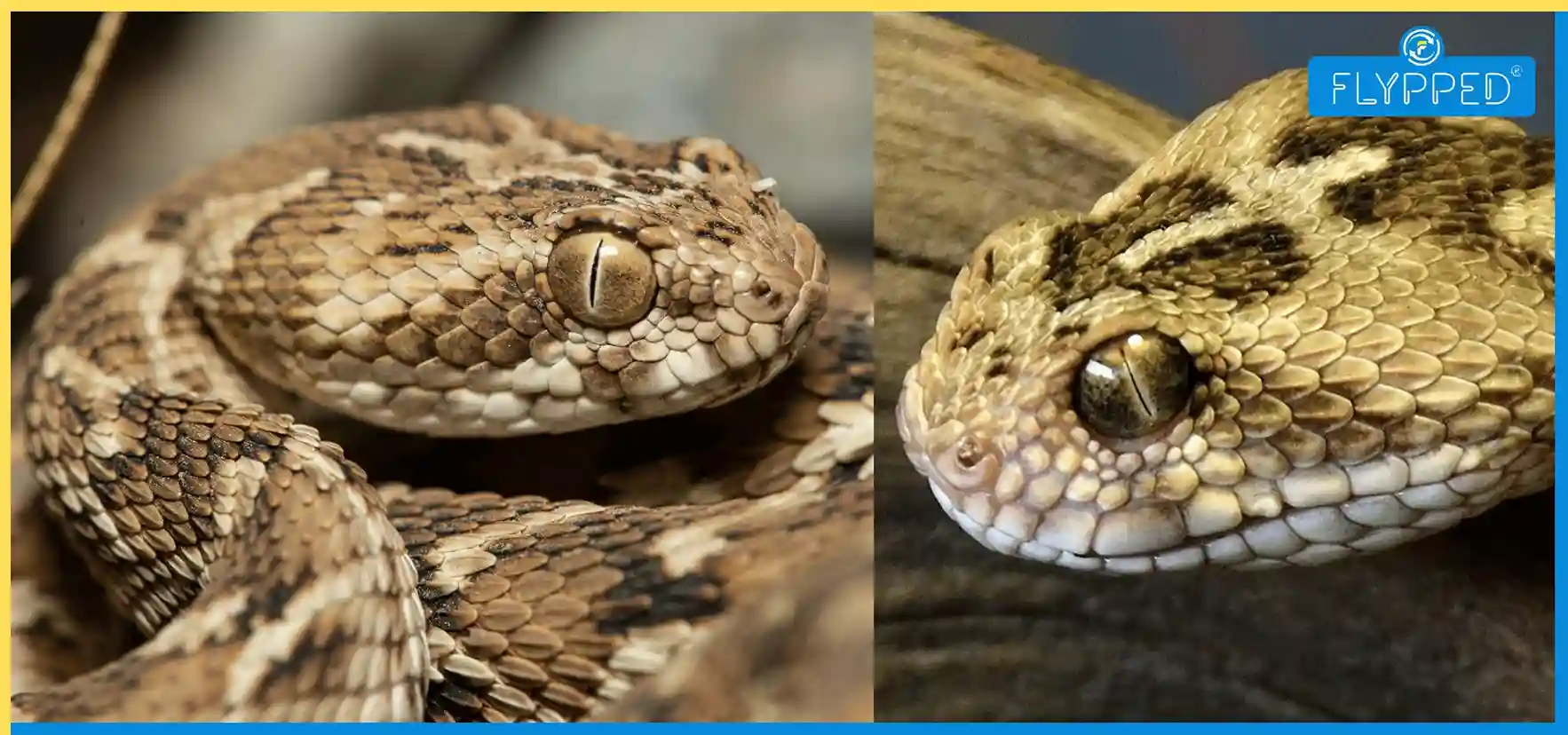
In comparison to large cobras, the Saw-Scaled Viper are smaller in size. But they cannot be taken lightly as they are dangerous.
It is among the venomous snakes in India responsible for maximum snake bites in India.
The reason why these snakes are named viper is because of their serrated and rough scales along its body, making a rasping sound when rubbed together.
This is moreover a red signal to move away from your presence if you are nearby to them.
Saw-scaled vipers have venom which are hemotoxic, which stops the blood clotting and harms the tissue.
Without a speedy treatment, the effect can result in excess bleeding, organ failure, and death too.
Saw-Scaled vipers mostly live in dry and rocky areas. Their hideouts in such areas brings them in closer to human dwellings in many parts of India. This brings the chances of accidental snake bites.
Other Two Venomous Snakes
Common Krait
Joining the list of venomous snakes in India is the common krait. It preys during the night, and its bite force is very fatal, which results in paralysis and shortness of breath.
These snakes mostly inhabit grasslands, agricultural fields, and human settlements.
Russell’s Viper
The last one is Russel's Viper. This thick-bodied, aggressive snake is found in rural dwellings.
Like the above snakes, its bite force is very painful, which can cause swelling, heavy bleeding, and organ failure.
Use of Snake Venom in Rave Parties: Know The Effects
Snake venom is undoubtedly life-threatening, but surprisingly, the venom of these reptiles are misused as dangerous alternative intoxicants in rave parties in India.
The extracted venom is mostly from cobras or vipers. Many users have this belief that the use of these venom brings short-lived hallucinations or intense high.
Diet of Indian Snakes
Based on their sizes, Indian snakes can swallow whole and devour these species for their diet.
- Rodents
- Frogs and toads
- Lizards and geckos
- Birds and eggs
- Other snakes – Most common diet of King Cobra
Rival Species
The species Indian snakes fear of are
- Peacock - Feeds on small and medium-sized snakes.
- Mongoose - Can kill venomous snakes like the King Cobra.
- Eagle - Spots snakes from the air and pounces on the ground.
- Hawk - Preys on younger and medium-sized snakes
- Owl - Night hunter
- Monitor Lizard - Eats snakes and their eggs.
- Humans - Kill snakes for their venom and skin.
Is Snake Venom a Drug?
The answer is no, snake venom cannot be categorised as a drug. It has powerful toxins that have a negative effect on the user's nervous system, blood, and organs.
No matter if you prefer it in small amounts, still, it will cause seizures, internal bleeding, paralysis, organ failure, and even death.
Note that there is no medical proof that proves snake venom is safe for recreational purposes.
Wildlife officials are against the use of venom as it is riskier for public life and is also associated with illegal wildlife exploitation, as snakes are captured and killed for extracting their venom.
These activities are moreover illegal per wildlife protection laws as it poses severe legal consequences.
Preventive Measures for Snake Bites in India
Snake bites are life-threatening. The instances often occur in forests and farms, when people accidentally step on snakes who, in turn, bite them in self-defense.
Hence, you need to be very cautious. Below are the preventive steps to follow.
- Carry a torch when it is dark outside and keep the surroundings clutter-free.
- Also, wearing proper footwear is suggested. If someone is bitten by a snake, take him to the nearest hospital immediately.
- Store your foods properly in a container to avoid rodents which attract snakes.
- Fix up cracks and gaps in your house and sheds.
- No need to use home remedies like cutting the wound or sucking out the venom.
- Getting medical help in a short time can save someone's life from a venomous snake bite, which can lead to death.
Bottom Line
Concluding our brief overview of venomous snakes in India, the king cobra, Indian cobra, and saw-scaled viper are considered extremely dangerous due to their life-threatening venomous bites.
It leads to paralysis, organ failure, and death unless speedy medical treatment is provided in time.
They may appear helpful as natural pest controllers; still, facing a close encounter with any of these reptiles can be life-threatening.
Follow the above preventive measures to escape your precious life from snake bite deaths.
For more interesting updates, follow the Flypped Side of crazy facts in English.
Frequently Asked Questions
Find answers to common questions about this topic
India’s most dangerous venomous snakes include the Indian Cobra, Common Krait, Russell’s Viper, and Saw-scaled Viper, often called the “Big Four.”
Stay calm, avoid movement, and reach the nearest hospital immediately for antivenom treatment. Do not try home remedies, cut the wound, or attempt to suck out the venom.