
Pantoprazole Tablet: Uses, Benefits, Dosage, Side Effects & Safety Tips
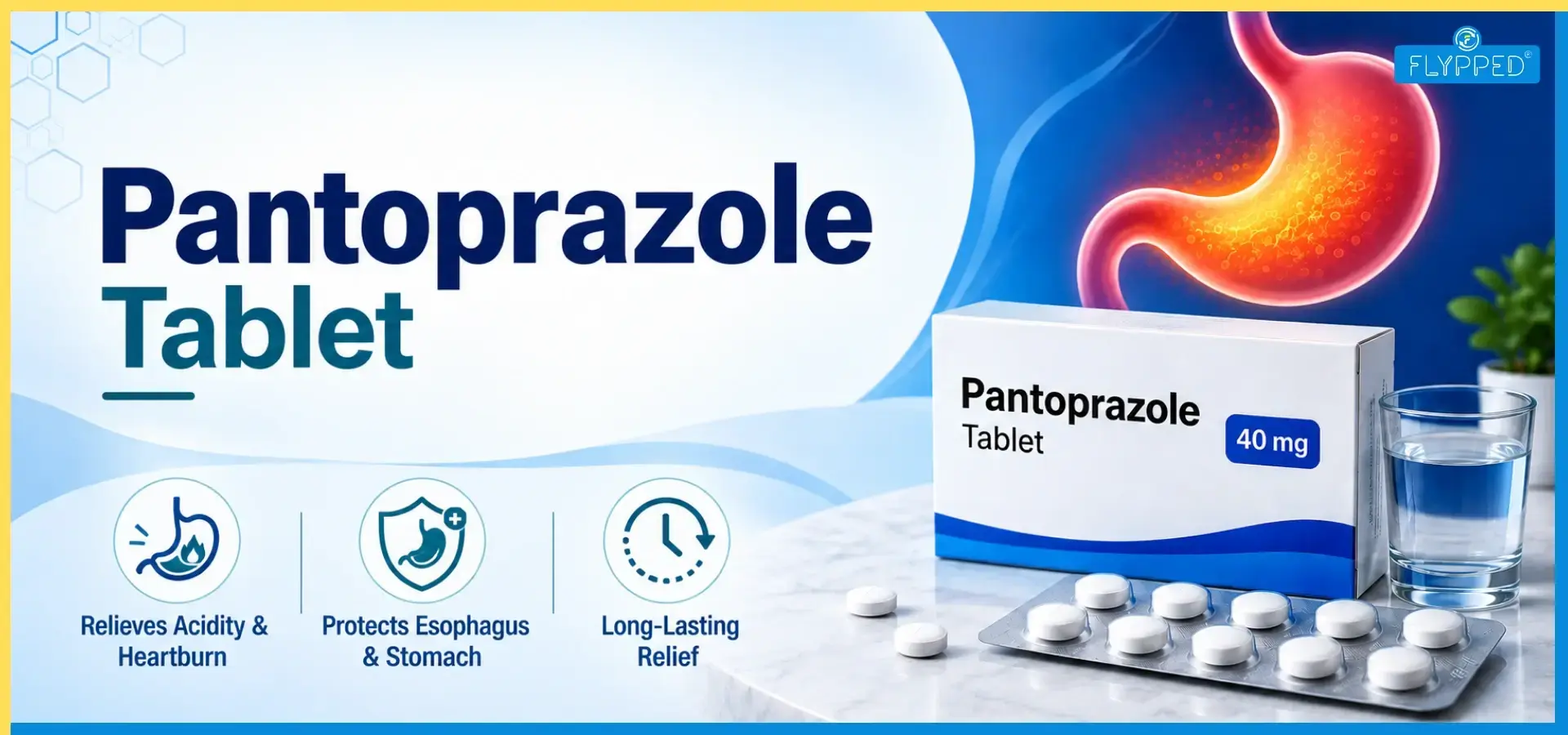
Acidity, heartburn and bloating after meals are among the most common complaints doctors hear and pantoprazole tablets are one of the most frequently prescribed medicines to treat them. But knowing what a medicine treats is very different from knowing how to take it safely, especially if you are pregnant or expect to be on it for months at a stretch.
This blog breaks down pantoprazole tablet uses, dosage, timing, side effects and long-term safety based on prescribing information from regulatory and clinical references. It is meant to help you have a more informed conversation with your doctor or pharmacist.
NOTE: Explore health and fitness news, workout guides, nutrition advice, and more from our latest updates.
What is Pantoprazole?
Pantoprazole is classified as a proton pump inhibitor (PPI). Its primary function is to reduce the amount of acid your stomach produces. By targeting the proton pumps in the stomach lining, it helps alleviate various digestive issues and is particularly useful for those dealing with acidity-related problems. PPIs like Pantoprazole work by irreversibly blocking the H+/K+ ATPase enzyme system which is responsible for acid secretion in the stomach.
Pantoprazole Tablet Uses
Pantoprazole tablets are approved and commonly prescribed for:
- Gastroesophageal Reflux Disease (GERD): to heal and prevent damage to the esophagus caused by acid backing up from the stomach
- Erosive Esophagitis: Inflammation and erosion of the esophageal lining from chronic acid exposure
- Zollinger-Ellison Syndrome and other conditions where the stomach produces excess acid
- Gastric and duodenal (peptic) ulcers
- H. Pylori Eradication used alongside antibiotics like amoxicillin and clarithromycin
- Off-label uses such as preventing NSAID-induced ulcers, stress-ulcer prevention in critically ill hospitalized patients and reducing rebleeding after a peptic ulcer bleed
Doctors may also prescribe it more broadly for everyday acid reflux, heartburn and acidity even without a formal GERD diagnosis, when symptoms are troublesome.
Benefits of Pantoprazole Tablets
The core benefit of pantoprazole is powerful, sustained acid suppression which translates into a few practical wins for patients:
- Faster symptomatic relief from burning chest pain and acid regurgitation
- Healing of the esophageal lining already damaged by chronic acid exposure
- Ulcer healing typically within 2-8 weeks depending on the ulcer type
- Prevention of relapse when taken as a maintenance dose in chronic GERD
- Convenient once-daily dosing for most indications improving adherence compared to older acid-reducing drugs taken multiple times a day
Pantoprazole for Heartburn and Acidity
Heartburn happens when stomach acid flows backward into the esophagus, irritating a lining that isn't built to handle it. Pantoprazole doesn't neutralize existing acid the way an antacid does instead, it stops the stomach from producing much acid in the first place. This is why relief from a PPI tends to build over 1-4 days rather than within minutes but it lasts far longer and treats the underlying inflammation rather than just masking the burning sensation.
For classic symptoms of acidity burning in the chest, sour taste in the mouth, discomfort after spicy or oily meals and a short course of pantoprazole is one of the most effective options available.
Pantoprazole for Bloating
Bloating and a feeling of fullness or gas often accompany acid reflux and are frequently lumped together as acidity in everyday language. Pantoprazole can help with bloating when it's driven by acid-related conditions, since reducing gastric acid can ease the associated abdominal discomfort and distension that sometimes go along with GERD.
How to Take Pantoprazole
Getting the timing and technique right matters more with pantoprazole than with many other tablets, because of how the drug is formulated:
- Pantoprazole tablets are delayed-release (gastro-resistant): they're coated to survive stomach acid and dissolve in the intestine instead protecting the active drug from being broken down too early.
- Swallow the tablet whole with a glass of water. Do not split, crush or chew it as doing so destroys the protective coating and can reduce effectiveness.
- Take it at around the same time every day for consistent acid suppression.
- If you're prescribed the granule form instead of a tablet, it must be mixed with applesauce or apple juice and swallowed within 10 minutes, without chewing the granules.
- Don't stop taking it just because you feel better unless your doctor tells you to stopping early is a common reason GERD symptoms come back.
If you miss a dose, take it as soon as you remember but skip it entirely if it's almost time for your next dose. Never opt for double dose.
Pantoprazole Before or After Food
This is one of the most searched questions about this drug and the honest answer is it depends on why you're taking it but earlier is generally better. For routine GERD and maintenance therapy, pantoprazole delayed-release tablets can technically be taken with or without food since food doesn't significantly change how much of the drug your body absorbs.
Most clinical guidance recommends taking it 30 to 60 minutes before a meal, ideally the first meal of the day. This timing lines up peak drug activity with the period when your stomach's acid pumps are most active after eating, giving you better symptom control. Taking it consistently at the same time relative to meals each day is more important than obsessing over the exact minute.
If your doctor has given you specific timing instructions, follow those over any general rule as dosing schedules can vary depending on your exact condition (e.g., H. pylori combination therapy has different timing than plain GERD treatment).
Pantoprazole Dosage for Adults
Dosage depends entirely on the condition being treated and only a doctor should finalize this for you. As a general reference:
- GERD / Erosive Esophagitis: Typically 40 mg once daily for 4-8 weeks; milder cases may use 20 mg. The dose can occasionally be doubled if there's no response.
- Maintenance Therapy after Healing: Often continues at 20-40 mg once daily for longer-term symptom control.
- Gastric and Duodenal Ulcers: Usually 40 mg once daily; duodenal ulcers often heal within 2-4 weeks, gastric ulcers within 4-8 weeks.
- H. Pylori Eradication: 40 mg twice daily combined with two antibiotics for 7-14 days.
- Zollinger-Ellison Syndrome and Hypersecretory Conditions: Starting dose often 80 mg daily, titrated based on response; some patients need higher doses under close monitoring.
- NSAID-induced Ulcer Prevention: 20-40 mg once daily.
Never adjust your own dose. Take pantoprazole exactly as prescribed. Not more, not less and not for longer than recommended.
Pantoprazole Long-Term Use
Short courses of pantoprazole (a few weeks) are generally very well tolerated. The concerns arise mainly with long-term or high-dose use, typically defined as beyond 8–12 weeks continuously or a year or more:
- Vitamin B12 deficiency reduced stomach acid can impair B12 absorption over time
- Low magnesium, calcium and potassium levels: hypomagnesemia has been linked to PPI use lasting three months or more and can cause fatigue, muscle spasms, irregular heartbeat or seizures in severe cases
- Higher risk of certain gut infections including C. difficile associated diarrhea
- Fundic gland polyps benign growths in the stomach lining, more common after a year of continuous use
- Rare associations with kidney inflammation (interstitial nephritis) and subacute cutaneous lupus erythematosus
Pantoprazole Side Effects
Common, usually mild side effects
- Headache
- Nausea or vomiting
- Diarrhea
- Gas and bloating
- Joint pain
- Dizziness
- Dry mouth
Most of these are manageable and often ease as your body adjusts. Tell your doctor if they persist or bother you.
Pantoprazole Overdose
Pantoprazole has a relatively wide safety margin and serious harm from an accidental overdose in humans is uncommon clinical data show that even doses far higher than a standard prescription have been reasonably well tolerated. However, an overdose should never be treated casually:
- There is no specific antidote for pantoprazole overdose.
- Pantoprazole is not effectively removed by dialysis because it binds heavily to blood proteins.
- Treatment is supportive and symptom-based.
- If an overdose is suspected, contact your local poison control centre immediately and seek emergency care right away if the person has collapsed, is having a seizure, is struggling to breathe or cannot be woken up.
Pantoprazole during Pregnancy
Research on PPI use in pregnancy has not shown a significant increase in the risk of birth defects with early pregnancy exposure and pantoprazole is generally not considered a major teratogenic risk. Some large studies have noted a subtle increase in preeclampsia risk with second- and third-trimester use, though not with first-trimester use.
That said, most prescribing guidance still recommends avoiding pantoprazole during pregnancy unless clearly necessary as a precaution, since large-scale human safety data remains more limited than for many other drug classes.
If you're pregnant, planning pregnancy or breastfeeding, tell your doctor before starting pantoprazole so they can weigh the benefits against the theoretical risks for your specific situation.
Who should be extra cautious with Pantoprazole?
Talk to your doctor before starting pantoprazole if you:
- Have a history of low magnesium, calcium or potassium
- Have osteoporosis or a history of fractures
- Have an autoimmune condition such as lupus
- Are over 70 years old
- Are on long-term corticosteroids, chronic NSAIDs, or blood thinners like warfarin
- Take medications that depend on stomach acid for absorption (certain antifungals, HIV medicines, iron supplements)
Key Takeaways
Pantoprazole is a well-studied, generally safe and highly effective medicine for GERD, acidity, heartburn, ulcers and related conditions when used as prescribed. Take it consistently, ideally 30-60 minutes before a meal, swallow it whole and don't extend treatment beyond what your doctor recommends without a check-in.
Extra caution is warranted with long-term use, severe liver disease, pregnancy and in older adults but for most people using it for the approved short-term indications, it remains one of the most reliable options for acid-related digestive relief.
Disclaimer: This article is for educational purposes only and is not a substitute for professional medical advice, diagnosis, or treatment. Always consult your doctor or pharmacist before starting, stopping or changing any medication.
Read More:
Frequently Asked Questions
Find answers to common questions about this topic
Only under medical supervision. Short courses are safe for most people but continuous use beyond 8-12 weeks should be periodically reviewed by your doctor, especially in older adults.
No. Antacids neutralize acid already in your stomach for fast, short-lived relief. Pantoprazole reduces how much acid your stomach produces in the first place, giving slower onset but much longer-lasting control.
Since it's a prescription-strength acid suppressant, taking it without a genuine acid-related issue offers no benefit and still carries the same long-term risk profile, so it's best avoided without medical guidance.
Weight changes have been reported as an uncommon side effect, though it isn't one of the most typical reactions.