Maithili Thakur slams Swara Bhasker over Padmavat Remarks
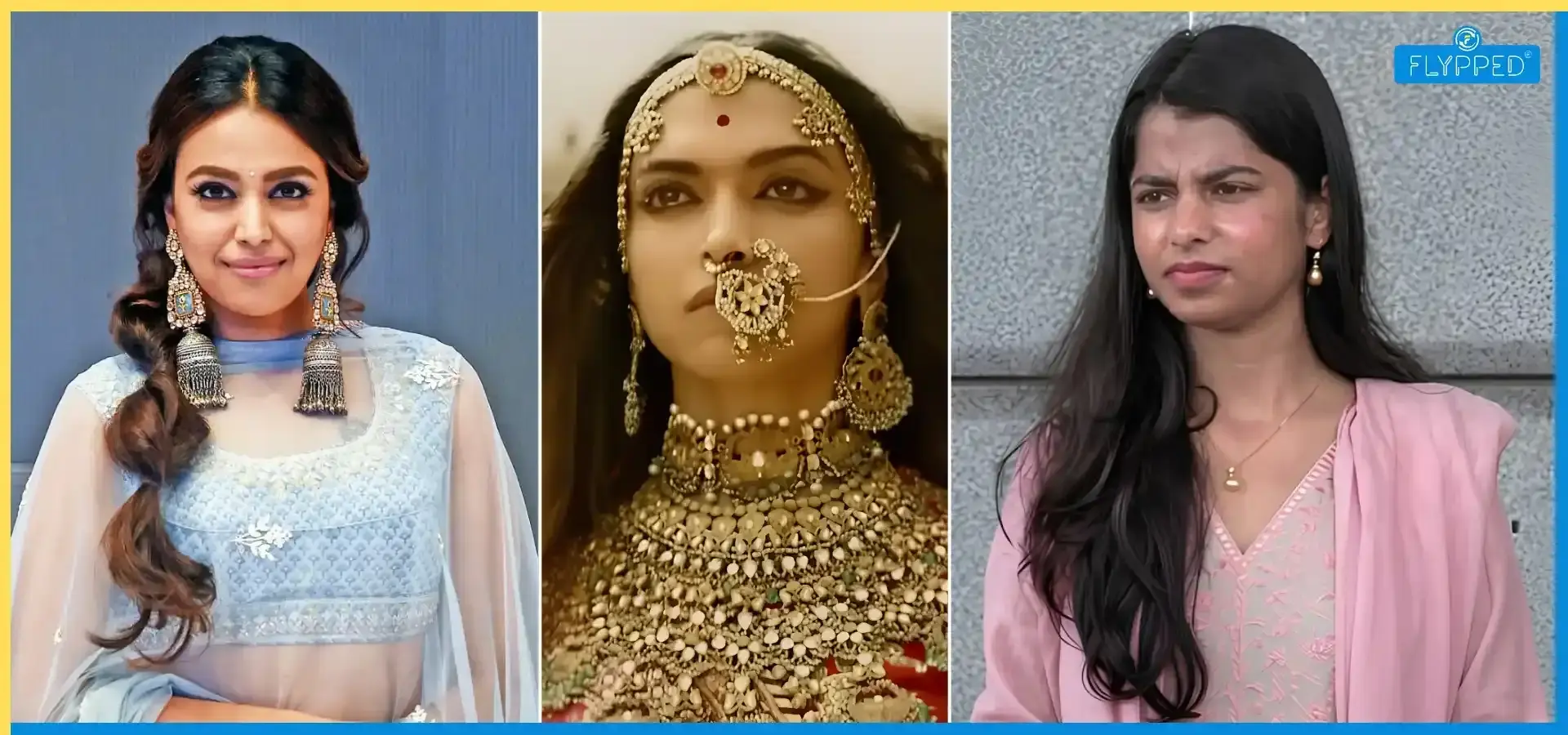
BJP MLA Maithili Thakur is making waves with her recent criticism of actress Swara Bhasker.
The controversy sparked after Bhasker made remarks about the Jauhar scene in the film "Padmaavat."
Maithili Thakur Slams Swara Bhasker: Calls Her Comments ‘Ugly’
Maithili Thakur Comments: Thakur called Bhasker's comments "ugly" and suggested she doesn’t fully grasp the importance of this historical topic.
This clash has opened up a broader conversation about how films represent history and the responsibilities that come with public commentary.
NOTE: Discover entertainment news, celebrity news, movie reviews, OTT releases, trending stories, and breaking news.
Thakur’s comments underscore the sensitivity surrounding the history of Jauhar, especially the story of Rani Padmavati and her courage.
Many view Bhasker’s remarks as undermining the seriousness of these historical events.
Maithili Thakur Advises Bhaskar To Educate Herself on the Matter
Maithili Thakur slams Swara Bhasker: In response, Thakur encouraged Bhasker to educate herself on the matter, stressing the significance of understanding the cultural context behind Jauhar's portrayal in movies.
As this situation unfolds, it raises important questions about how films influence societal views and the power of celebrities in shaping public discourse.
The exchange between Thakur and Bhasker is likely to attract ongoing attention, as both figures represent distinct perspectives in this ongoing debate.
Maithili Thakur Slams Swara Bhasker: Background of the Controversy
The Padmaavat Jauhar Scene
Jauhar refers to the tragic practice of self-immolation by women to safeguard their honour from invaders.
This powerful act symbolises bravery and sacrifice, particularly in the context of Rani Padmavati, whose story has been celebrated in various forms of art and literature.
Sanjay Leela Bhansali's Padmaavat: In Sanjay Leela Bhansali's film "Padmaavat," the Jauhar scene is central, showcasing Rani Padmavati’s valour in the face of impending capture.
This moment resonates deeply within the cultural memory of many, representing the strength and resilience of women throughout history.
The depiction of Jauhar in "Padmaavat" has sparked significant discussions, encapsulating the complexities of honour, duty, and sacrifice.
This scene is considered by many as a tribute to the historical narrative surrounding Rani Padmavati, making it a sensitive subject that touches on themes of identity and cultural heritage.
The cultural perceptions surrounding this act are intertwined with notions of dignity and valour, making it a critical element of the film's story.
Swara Bhasker's Remarks
Maithili Thakur slams Swara Bhasker: Swara Bhasker's comments on the Jauhar scene in "Padmaavat" have ignited considerable controversy.
She described the film's portrayal of Jauhar as problematic, suggesting it glorifies violence against women.
These remarks drew backlash from various sectors, including Maithili Thakur, who labelled Bhasker's comments as "ugly" and ignorant.
Swara Bhasker Jauhar Controversy: Maithili Stresses Importance of Jauhar
Thakur stressed the importance of understanding the historical significance of Jauhar before making such statements.
Public reaction to Bhasker's remarks was divided. Many defended her right to critique cultural narratives, while others believed she misrepresented a crucial aspect of Indian history.
Social media was instrumental in amplifying this debate, with users expressing strong opinions on both sides.
Maithili Thakur Slams Swara Bhasker: The Unforgiving Pace of Online Heritage Debates
The rapid spread of opinions online has turned this incident into a larger discussion about the responsibilities of public figures when addressing historical and cultural topics.
As this controversy continues, it highlights the delicate balance between artistic expression and historical accuracy, as well as the dynamics at play in public discussions about cultural heritage.
Maithili Thakur Latest News: BJP MLA’s Response
Key Points from Thakur's Criticism
Maithili Thakur's response to Swara Bhasker's comments on the Jauhar scene was pointed and straightforward.
Thakur insisted that Bhasker should "first study it and then speak on it," emphasising the need for a deeper understanding of cultural and historical contexts before making public statements.
She categorically described Bhasker's remarks as "ugly" and "useless," indicating a lack of awareness of Jauhar's historical significance, particularly relating to Rani Padmavati's legacy.
In her statements, Thakur stressed that the portrayal of Jauhar isn't just a cinematic choice but a vital part of Indian history, reflecting themes of honour and sacrifice that resonate with many.
Reactions to Thakur's comments have varied; some support her call for greater respect toward historical narratives, while others criticise her for potentially stifling freedom of expression.
Maithili Thakur Slams Swara Bhasker: Implications of Thakur's Statements
Thakur's remarks shed light on the influence that political figures have when commenting on cultural narratives.
This exchange reflects broader societal debates about the responsibilities of public figures in discussing sensitive historical issues.
The way Thakur framed her critique highlights the potential consequences of celebrities addressing cultural topics, which can significantly sway public perceptions.
This ongoing controversy serves as a reminder of how the representation of historical events in popular media can impact collective memory and identity.
Public figures like Thakur play an essential role in shaping discourse around these narratives, and their statements can either reinforce or challenge existing views.
The ongoing dialogue surrounding the history of Jauhar, particularly regarding Rani Padmavati, reveals the complexities of interpreting and discussing cultural heritage today.
The Jauhar History and Its Interpretations
Historical Perspectives on Jauhar
Jauhar, a practice deeply rooted in Indian history, refers to the self-immolation of women, primarily during invasions.
This act was regarded as a means to preserve honour and dignity against the threat of capture, often associated with the narrative of Rani Padmavati.
Historically, Jauhar was not just a single event but part of a broader cultural tradition in which sacrifice was honoured.
Over time, different interpretations of Jauhar have emerged, reflecting the complexities of cultural narratives.
In some contexts, it's viewed as a noble sacrifice, while in others, it raises questions about agency and the portrayal of women in historical accounts.
Understandings of Jauhar differ significantly across cultures and eras, often influenced by the prevailing social norms and values of the time.
The Cultural Impact of "Padmaavat"
Sanjay Leela Bhansali's "Padmaavat" has significantly shaped modern perceptions of the Jauhar practice.
Rani Padmavati Jauhar: The film's depiction of Rani Padmavati and the Jauhar scene has sparked discussions about historical accuracy and filmmakers' responsibilities.
By dramatising the narrative, "Padmaavat" encourages audiences to engage with a complex historical event but risks oversimplifying its implications.
Padmaavat’s Mixed Reception: Praised for Performances, Questioned Over Historical Portrayal
The reception of "Padmaavat" has been mixed. While many praised its visual storytelling and performances, critics raised concerns about its representation of sensitive historical themes.
The film's impact highlights how cinematic interpretations can shape collective memory and influence public discourse regarding historical events.
As debates continue about the film's portrayal of Jauhar and Rani Padmavati's legacy, it’s evident that the intersection of history and cinema remains a powerful arena for cultural reflection.
This ongoing discussion underscores the necessity of understanding the historical context behind such narratives, as emphasised by Maithili Thakur in her remarks about Swara Bhasker's criticisms.
Maithili Thakur Slams Swara Bhasker: The Role of Public Figures
In today's digital age, public figures have immense influence. Their statements can shape narratives and sway public sentiment.
This situation illustrates how a critique can lead to a heated debate over historical accuracy and representation.
Critics argue that Bhasker's comments, while rooted in a modern perspective on women's rights, may overlook the cultural complexities embedded in historical practices like Jauhar.
On the other hand, Thakur's firm stance underscores the importance of respecting historical narratives, particularly those tied to national pride and identity.
The history of Jauhar, especially concerning Rani Padmavati, has been a subject of reverence and controversy, making it crucial that discussions be approached with care.
Conclusion
The exchange between Maithili Thakur and Swara Bhasker emphasises the delicate balance between historical representation and modern interpretations.
As public figures engage in discussions about cultural narratives, their words can resonate widely, influencing both public opinion and scholarly discourse.
Thakur's assertion that Bhasker should "first study it and then speak on it" highlights the necessity of a comprehensive understanding of historical contexts, especially regarding sensitive topics such as Jauhar.
This incident reflects a broader challenge faced by artists, historians, and the public: how to honour historical events while allowing for contemporary interpretations.
Read More:
- Samay Raina felicitated by Devendra Fadnavis, Jokes about his Cyber Cell Run-In
- Nora Fatehi Alleges Paid Influencers Behind "Sarke Chunar" Controversy
- Himanshi Khurana warns Asim Riaz: Responds to Recent Claims About Their Relationship
- Taapsee Pannu Cryptic Post: Responds to Kangana Ranaut’s ‘Sasti Copy’ Remark
- Toxic Advance Booking Report: Film Opens Strong, Eyes ₹20 Crore Milestone
- Yami Gautam Nayyi Navelli: Aditya Dhar Teases Yami Over Her ‘Daayan’ Role in Upcoming Spooky Film
- Sunil Pal’s Shocking Claim About Samay Raina: Says Samay Touched His Feet on The Kapil Sharma Show
- Shatrughan Sinha BJP IT Cell: Actor defends his daughter Sonakshi Sinha amid online trolling
- Somy Ali Defends Govinda: Actress supports Chichi amid Sunita Ahuja’s Allegations