Algorithm-Driven Entertainment: Is Choice an Illusion?
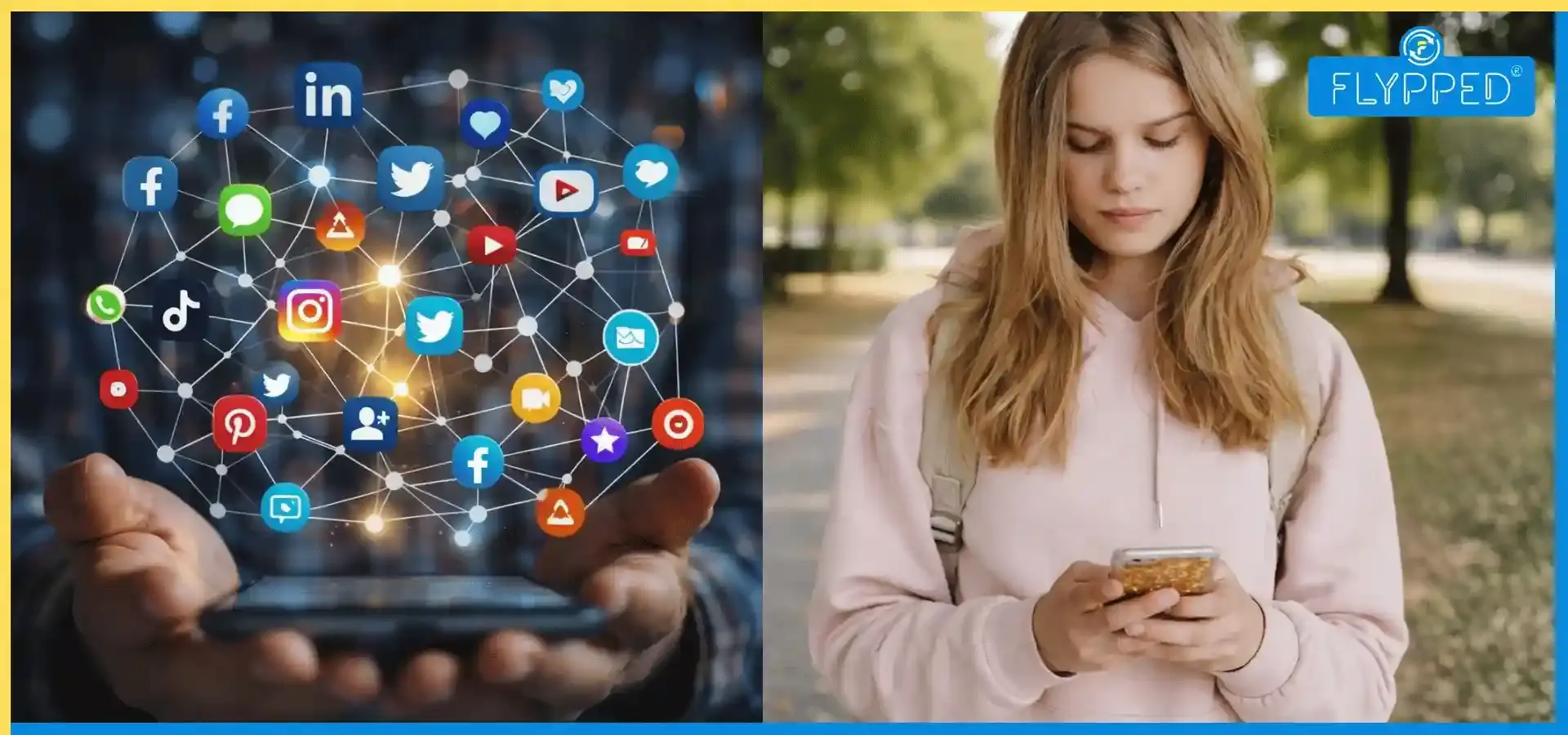
In today’s world, a single touch gives us access to the ever-vast world. We consider ourselves the masters of our digital domain, with unlimited access and personalised feeds. We can decide which movie to watch, which song to queue, and of course, which creator to subscribe to, but as we navigate the vast libraries of Netflix, Spotify, or YouTube, a quiet question begins to linger: Are you actually choosing, or are you just following a trail of digital breadcrumbs?
This is the world we live in. The era in which algorithm-driven entertainment has blurred the line between personalised and predetermined content, making choice a restrictive illusion.
How Algorithms Build Our World
Algorithms aren't just simple tools; they are the silent, invisible editors of our experiences. When we open any app, for instance, a streaming app, the platform doesn't show us everything. Instead, it presents a curated subset of content (not even 1% of its total library) aligned to our interests.
By analysing our watch time, skip rates, and even the time of day you browse, these systems build a box around us, almost like a category that shows our interests. We feel empowered by the rows of “Top picks for you,” yet in reality, our field of vision has been narrowed by algorithmic codes that analyse, observe, and know us better than even our closest ones.
We are not making a choice; we are choosing from a pre-approved menu designed to keep us on the platform for as long as possible.
The new “Choice Fatigue”
If most of us know we're already being fed predetermined content, then why don't we fight back? This is due to Choice Fatigue. In our world, with 70,000+ subgenres and millions of hours of content going out every day, the sheer number of choices makes us anxious and less satisfied.
Algorithms shorten that process for us, offering a refuge of sorts. It spoon-feeds us exactly what feels safe and likeable—sequels, remarks, and content similar to what we have already watched and liked.
While this lowers the responsibility and friction of deciding what to watch, it also kills the serendipity of discovery. We no longer stumble upon a weird indie film or a new genre of music. We are ushered towards the most probable outcome.
The Cost of Personalisation
The most hidden danger of the algorithm is how it changes the art itself. Everything is based on engagement metrics and not on genuine authenticity. They begin producing content they know will be well received by the audience, and the algorithm will support it.
This has led to shorter song lengths to fit Instagram reel trends. Films are structured to ensure viewers don't click away in the first ten minutes. We are rarely challenged by art that disagrees with us or makes us feel uncomfortable.
We only consume what’s comfortable to us, narrowing our worldview and preventing us from exploring unfamiliar surroundings.
Over time, this creates a "homogenised" culture. We all see different versions of the same thing, reinforced by a system that rewards repetition over risk-taking.
Reclaiming the Power to Choose
Is choice a total illusion? It hasn't changed much, but it's become heavily managed, which has diluted the freedom. To move from being a passive consumer to an active discoverer, we have to break the feedback loop intentionally.
Occasionally, dislike things you actually like or browse in incognito mode to see what the algorithm is hiding.
Newsletters, independent critics, and word-of-mouth recommendations from friends often provide the soul that data-driven systems miss.
Lean into content that feels raw or unpolished, authentic work that often gets buried by PR-heavy, big-budget productions.
Nostalgia feels safer because the past was a time of discovery, not optimisation. In the modern era, the "grip" of the algorithm is tight because it knows exactly what we want before we do. But art is meant to do more than satisfy a preference; it is meant to surprise, challenge, and connect us to the unfamiliar.
The next time you’re about to click on a "Recommended" title, ask yourself: Am I watching this because I want to, or because the algorithm told me I’m the type of person who would? Sometimes, the most radical thing you can do is search for something the system didn't want you to find.