Bollywood’s Underworld Connections: How Gangsters Shaped, Funded and Threatened Hindi Cinema
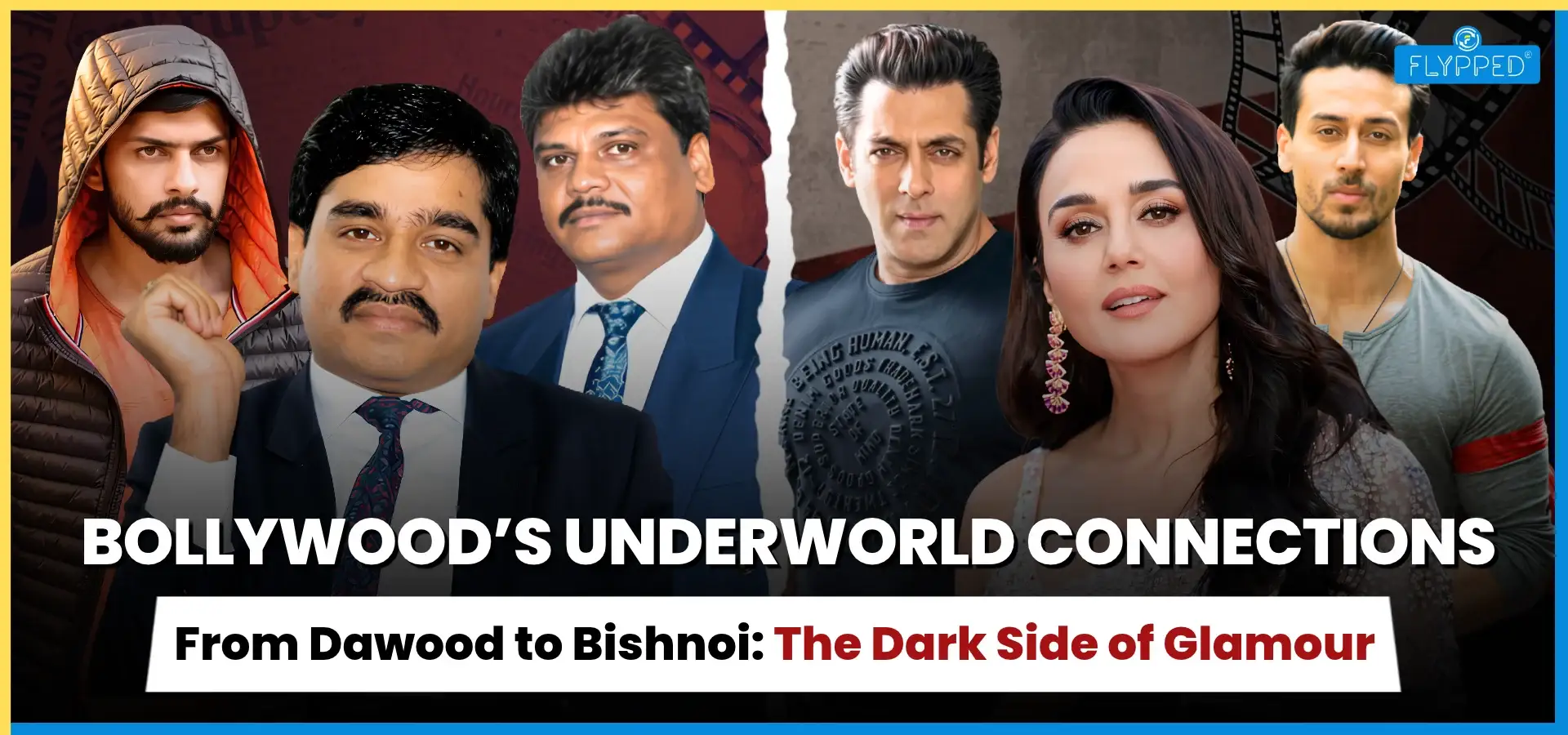
On 18 October 2026, shots were fired at Tiger Shroff's car in Juhu, with the Lawrence Bishnoi gang claiming responsibility for the attack. This incident is the latest chapter in a long story of Bollywood’s underworld connections, which stretch back decades. The influence of organized crime on the Hindi film industry has been profound, involving funding through illicit means, coercion, extortion and acts of violence. The narratives of money in the 80s-90s, murder and extortion, financing scandals and the new gangster threat reveal the ongoing challenges Bollywood faces in distancing itself from the shadows of organized crime.
Why Bollywood Attracted the Underworld
Film finance in Bollywood was opaque and cash-heavy. Banks did not lend to film producers until the film industry achieved "industry status" in 2001, leaving a vacuum that informal money filled. The stars, glamour and the prospect of quick cash made the industry an attractive target for both investment and extortion.
Bollywood Underworld History: From Mumbai's Dons to the 1990s
The rise of Mumbai crime syndicates significantly shaped Bollywood’s underworld connections.
Dawood Ibrahim and Bollywood
Dawood Ibrahim, the D-Company boss and accused in the 1993 Mumbai serial blasts, is widely alleged to have had influence over film finance and film-world gossip in the 1990s. According to police and media reports, Ibrahim's connections allowed him to exert considerable control over the film industry. D-Company is criminal organisation led by Dawood Ibrahim, involved in various illegal activities including extortion and drug trafficking. MCOCA (Maharashtra Control of Organised Crime Act) enacted to combat organized crime in India.
Bollywood and Gangster Links: Extortion and Violence in the 1990s–2000s
The Gulshan Kumar Murder (1997)
The T-Series founder was shot dead on 12 August 1997 outside a temple in Andheri, Mumbai. Prosecutors alleged that gangster Abu Salem and composer Nadeem Saifi were behind the killing. Abdul Rauf Merchant was convicted in 2002. In July 2021, the Bombay High Court upheld his life sentence and also convicted his brother Abdul Rashid Merchant. The court upheld the acquittal of producer Ramesh Taurani. Nadeem Saifi was never tried because he stayed abroad.
Shootings and threats against film personalities
By the late 90s, demands turned violent. In January 2000, Rakesh Roshan was shot at, an incident police linked to the underworld, highlighting the dangerous intersection of Bollywood and organized crime. In 1997, director Rajiv Rai survived a shooting, and producer Mukesh Duggal was killed. That August, T-Series founder Gulshan Kumar was shot dead with sixteen bullets outside a Mumbai temple, a killing linked to Abu Salem’s gang. In 2000, Rakesh Roshan was shot weeks after a major hit and in 2001, Manisha Koirala’s secretary, Ajit Dewani, was killed after allegedly ignoring extortion demands.
The Chori Chori Chupke Chupke Underworld Financing Case
In 2000, police tapped Chhota Shakeel’s calls and found stars referred to by code names. According to Hussain Zaidi’s book, Dongri to Dubai, Shakeel wanted Shah Rukh Khan or Salman Khan for his first film as a producer. Shah Rukh, wary after earlier threats, reportedly avoided Shakeel’s go-between. Salman initially brushed him off, until a henchman handed him a phone with Shakeel on the line. Salman then worked in Chori Chori Chupke Chupke, financed with fifteen crore rupees. The actors were treated as acting under duress and not charged, though the film’s producers were convicted. Bharat Shah trial fundamentally reshaped Indian cinema by exposing the deep, terrifying financial and operational links between Bollywood and the Mumbai underworld.
The 2001 film starred Salman Khan, Preity Zinta, and Rani Mukerji. Producer Nazim Rizvi was arrested in December 2000 on the allegation that the film was financed by Chhota Shakeel of D-Company. Diamond merchant Bharat Shah was arrested in January 2001. Police relied on taped phone conversations. Several film figures reportedly retracted earlier statements. Preity Zinta told the court she had received an extortion threat, which she thought was a crank call.
The outcome was that Rizvi and an associate were convicted under MCOCA and each received six years of rigorous imprisonment. Shah was convicted of concealing information under IPC Section 118, not MCOCA. This case was one of the few where underworld financing of a film was tested in court.
The Shift: From Dawood-Era Mafia to Modern Gangs
The threat has evolved from financing and extortion to social-media-driven intimidation by Punjab and Haryana-based gangs.
| Era | Main actors | Typical method | Famous case |
| Dawood-Era Mafia | Dawood Ibrahim | Financing, extortion | Gulshan Kumar murder |
| Modern Gangs | Lawrence Bishnoi | Intimidation, social media threats | Tiger Shroff firing incident |
Lawrence Bishnoi Gang and Bollywood
The gang leader has been in jail since 2023 but the gang is still alleged to operate through associates in India and abroad. The gang's stated grudge against Salman Khan stems from the 1998 blackbuck poaching case.
Timeline of attacks and threats
In between, numerous threat announcements and calls were made in the wake of which Salman’s personal security and residential security was strengthened over the time.
- 14 April 2024: Shots were fired outside Salman Khan's Galaxy Apartments home in Bandra, Mumbai. Salman told police he believed the intent was to kill him and his family.
- 12 October 2024: NCP leader Baba Siddique, a Salman Khan associate, was shot dead in Mumbai. This was claimed by the gang as a retaliation.
- Tiger Shroff firing incident (18 October 2026): About three rounds were fired at his car near Pushpa Park in Juhu while he was returning from football. He was unhurt, but his driver was injured. The gang claimed responsibility, stating Shroff ignored warnings about working with Salman Khan. Three suspects were later arrested in Kota, Rajasthan. Police indicated that the original target was a different high-profile celebrity and the shooters switched to Shroff due to tight security. The investigation is ongoing.
Underworld Threats to Bollywood Actors: Who Else Has Been Targeted?
Shah Rukh Khan Underworld Threats
Maharashtra government upgraded SRK's security to Y+ in October 2023. In November 2024, a Raipur lawyer, Faizan Khan, was arrested for a threat call demanding money. This was an extortion threat, not a proven gang operation. Other names reported as targeted include Salman Khan and Aamir Khan. Film stars now typically use Y and Y+ categories of security along with private guards.
After Tiger Shroff shooting incident. SRK’s residential security has also been tightened, the glimpse of which was seen during his recent appearance on birthday while meeting fan’s via his balcony.
How Bollywood has Responded
Bollywood's response to these threats has included better film financing through corporate studios, banks and insurers. Police crackdowns have intensified, with MCOCA cases, special units and arrests of shooters. Stars have upgraded their security and exercised public caution, reflecting a more proactive stance against underworld threats. Renowned celebs like Amitabh Bachchan, Akshay Kumar, Aamir Khan, Tiger Shroff and Salman Khan have strengthened security around their public appearances and residential areas too. During the investigation of Shroff shooting case, these actor’s name came up as scouted targeted for the attack.
Final Thoughts
The underworld's methods have changed from film finance to gun violence and online threats, but the pattern of intimidation continues. Bollywood’s underworld connections remain a significant concern, impacting the lives and careers of its stars and filmmakers. The industry must navigate these challenges while striving to maintain artistic integrity and security.