
What Is Dolo 650 Tablet? Uses, Benefits, Side Effects and Safety Information
Introduction
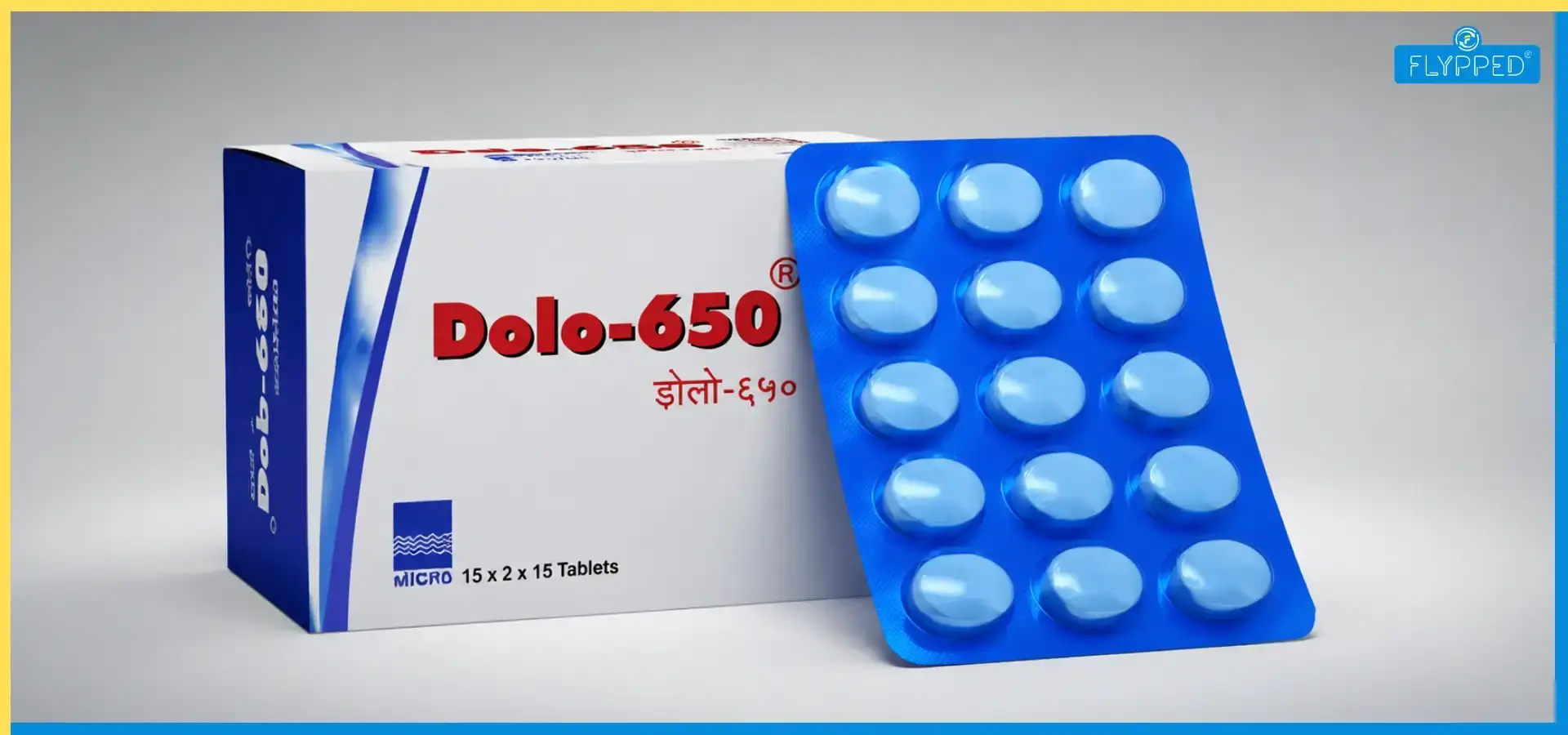
Dolo 650 is one of the most commonly used medicines in India for treating fever and relieving mild to moderate pain.
Whether you have a high temperature due to a viral infection, a headache after a busy day, or body pain from the flu, Dolo 650 is often the first medicine doctors recommend.
The active ingredient in Dolo 650 is paracetamol, a medicine known for its pain-relieving and fever-reducing properties.
It is generally considered safe when taken in the correct dose. However, like every medicine, it should be used responsibly.
Taking more than the recommended amount can be harmful, especially to the liver.
In this guide, you will learn everything you need to know about Dolo 650, including its uses, dosage, benefits, side effects, precautions, and who can safely take it.
The information is written in simple language so that everyone can easily understand it.
NOTE: Explore health and fitness news, workout guides, nutrition advice, and more from our latest updates.
What is Dolo 650?
Dolo 650 is a tablet that contains 650 mg of paracetamol (also called acetaminophen). It belongs to a group of medicines called analgesics (pain relievers) and antipyretics (fever reducers).
Doctors commonly prescribe Dolo 650 to lower fever and reduce pain from various health conditions.
Unlike antibiotics, Dolo 650 does not treat infections. Instead, it helps reduce symptoms such as fever and pain while your body recovers.
It works by affecting the part of the brain that controls body temperature and pain signals. As a result, it helps lower fever and makes pain more manageable.
Dolo 650 is widely available at pharmacies and is often recommended for short-term use.
Even though it is commonly used, it should always be taken at the dosage recommended by a doctor or listed on the medicine label.
Dolo 650 Composition
Each Dolo 650 tablet contains:
Active Ingredient: Paracetamol IP 650 mg
Paracetamol is one of the safest pain-relieving medicines when used correctly. It has been used worldwide for many years to treat fever and various types of pain.
In addition to the active ingredient, the tablet contains inactive ingredients that help maintain its shape, stability, and shelf life. These ingredients do not provide pain relief but help in manufacturing the tablet.
When is Dolo 650 Used?
Doctors prescribe Dolo 650 for many common health problems involving fever or pain. It is suitable for adults and older children when taken in the correct dose.
Here are the most common uses of Dolo 650.
1. Dolo 650 for Fever
Fever is one of the most common reasons people take Dolo 650.
When your body fights infections such as the common cold, viral fever, or flu, your temperature may rise above normal. Dolo 650 helps reduce body temperature by acting on the brain\'s temperature-regulating centre.
It may be recommended for fever caused by:
- Viral infections
- Seasonal flu
- Common cold
- Dengue (only under medical supervision)
- COVID-19 (as advised by a healthcare provider)
- Post-vaccination fever
Remember that Dolo 650 lowers the fever but does not cure the underlying infection. If your fever lasts for more than two to three days or becomes very high, consult a doctor.
2. Dolo 650 for Headache
Headaches can occur due to stress, lack of sleep, dehydration, fever, or illness.
Dolo 650 can help relieve:
- Tension headaches
- Fever-related headaches
- Mild migraine pain (in some cases)
- Headaches caused by viral infections
If headaches occur frequently or are severe, medical evaluation is important because they may indicate another health condition.
3. Dolo 650 for Body Pain
Body pain is common during viral infections, physical exertion, or muscle strain.
Dolo 650 helps reduce mild to moderate pain such as:
- Muscle pain
- Joint pain
- Back pain
- Neck pain
- General body aches during fever
- Pain after vaccination
It helps people feel more comfortable as their bodies heal naturally.
4. Dolo 650 for Sore Throat
A sore throat caused by viral infections can make swallowing painful.
Although Dolo 650 does not treat the infection itself, it helps reduce:
- Throat pain
- Fever associated with throat infections
- Discomfort while swallowing
For bacterial throat infections, doctors may prescribe antibiotics if necessary. Dolo 650 only helps relieve symptoms.
Dolo 650 Benefits
Dolo 650 offers several benefits when used correctly.
1. Quickly Reduces Fever
One of its biggest advantages is that it starts lowering body temperature within about 30–60 minutes in many people.
2. Effective Pain Relief
It helps manage many common types of pain, including headaches, body aches, muscle pain, and mild joint pain.
3. Gentle on the Stomach
Compared with several other painkillers, paracetamol is generally less likely to irritate the stomach when taken at the recommended dose.
4. Suitable for Many Conditions
Doctors prescribe Dolo 650 for various illnesses involving fever or mild to moderate pain, making it a versatile medication.
5. Easily Available
Dolo 650 is widely available in pharmacies across India, making it accessible when prescribed or recommended by a healthcare professional.
6. Can Be Used with Many Treatments
Doctors often include Dolo 650 in the treatment plan for viral infections and other illnesses because it helps relieve discomfort while the underlying illness is treated.
Is Dolo 650 an Antibiotic?
One of the biggest misconceptions is that Dolo 650 is an antibiotic. The answer is \'No\'.
Dolo 650 contains paracetamol, which is a pain reliever (analgesic) and fever reducer (antipyretic). It helps lower body temperature and reduce pain but does not kill bacteria, viruses, or fungi.
What Is an Antibiotic?
Antibiotics are medicines that kill or stop the growth of bacteria. Doctors prescribe them only for bacterial infections such as:
- Bacterial pneumonia
- Urinary tract infections (UTIs)
- Strep throat
- Certain skin infections
Antibiotics do not work against viral illnesses like the common cold or most seasonal flu cases.
Difference Between Dolo 650 and Antibiotics
| Dolo 650 | Antibiotics |
| Contains paracetamol | Contains medicines that kill bacteria |
| Reduces fever | Treats bacterial infections |
| Relieves pain | Does not usually relieve pain directly |
| Does not cure infections | Helps eliminate bacterial infections |
| Available for symptom relief | Should only be taken if prescribed |
Common Misconceptions
Many people think that once their fever comes down after taking Dolo 650, the infection has been cured. This is not true.
Dolo 650 only treats the symptoms, not the actual cause of the illness.
For example:
- Viral fever → Dolo 650 helps reduce fever.
- Bacterial infection → Dolo 650 reduces fever, but antibiotics may still be needed if prescribed by a doctor.
How to Take Dolo 650 Safely
Although Dolo 650 is considered a safe medicine, taking it correctly is very important.
General Instructions
- Swallow the tablet whole with a glass of water.
- It can be taken with or without food.
- If it upsets your stomach, take it after a meal.
- Follow your doctor\'s advice or the dosage mentioned on the medicine label.
- Do not take more than the recommended dose.
If you miss a dose and still have fever or pain, take it when you remember. However, if it is almost time for the next dose, skip the missed dose and continue with your normal schedule.
Never take two doses together to make up for a missed one.
Dolo 650 Dosage for Adults
The correct dosage depends on factors such as age, body weight, overall health, and the severity of symptoms.
In general:
- Adults may take one Dolo 650 tablet when needed for fever or pain.
- There should usually be at least 4–6 hours between doses.
- Do not exceed the maximum daily dose of paracetamol recommended by your doctor or the product label, as too much paracetamol can cause serious liver damage.
If your fever or pain persists for more than 2–3 days, consult a healthcare professional rather than taking the medicine repeatedly.
Dolo 650 Dosage for Children
Dolo 650 tablets are not suitable for young children unless specifically prescribed by a doctor.
Children usually require paracetamol syrup or drops, and the dose is calculated according to their:
- Age
- Body weight
Giving an adult-strength tablet to a child without medical advice can increase the risk of overdose.
Always:
- Read the dosing instructions carefully.
- Use the measuring device provided with liquid medicines.
- Consult a paediatrician if you are unsure about the correct dose.
Who Can Take Dolo 650?
Dolo 650 is commonly prescribed, but it is not suitable for everyone.
It may be recommended for:
- Adults with fever
- Adults with mild to moderate pain
- Older children (only if advised by a doctor)
- Elderly patients, with dose adjustments if needed
People with certain medical conditions should speak to a doctor before taking it.
Dolo 650 Age Limit
There is no fixed age limit for paracetamol use. However, the 650 mg tablet strength is generally intended for adults and, when appropriate, older adolescents.
For younger children, doctors usually prescribe lower-strength formulations such as:
- Paracetamol syrup
- Oral suspension
- Pediatric tablets
Never give Dolo 650 to a child simply by breaking the tablet into smaller pieces unless your doctor specifically advises it.
Can Pregnant Women Take Dolo 650?
Paracetamol is generally considered the preferred medicine for relieving fever and mild pain during pregnancy when medically necessary. However, it should be used:
- Only when needed
- At the lowest effective dose
- For the shortest possible duration
- Under the guidance of a healthcare professional
Pregnant women should avoid taking any medicine without consulting their doctor.
Is Dolo 650 Safe During Breastfeeding?
Paracetamol passes into breast milk in very small amounts and is generally considered compatible with breastfeeding when used at the recommended dose.
However, breastfeeding mothers should still consult their healthcare provider before taking any medication, especially if:
- The baby was born prematurely.
- The baby has liver problems.
- The medicine is needed for several days.
Who Should Consult a Doctor Before Taking Dolo 650?
Talk to a healthcare professional before using Dolo 650 if you have:
- Liver disease
- Kidney disease
- Heavy alcohol use
- Allergy to paracetamol
- Chronic medical conditions requiring multiple medicines
Your doctor may adjust the dose or recommend a different treatment based on your health condition.
Possible Risks and Side Effects of Dolo 650
Dolo 650 is generally considered safe when taken as directed. Most people do not experience any side effects when using it for a short period and at the recommended dose.
However, like all medicines, Dolo 650 may cause side effects in some people. The risk of side effects increases if you take more than the recommended dose or use it for a long time without medical advice.
Common Side Effects of Dolo 650
Most side effects are mild and go away on their own. Some people may experience:
- Nausea
- Vomiting
- Mild stomach discomfort
- Loss of appetite
- Feeling tired
- Mild dizziness
These side effects are uncommon and usually improve after stopping the medicine.
Rare but Serious Side Effects
Although rare, some people may develop serious reactions that require immediate medical attention.
1. Allergic Reaction
Stop taking Dolo 650 and seek emergency medical help if you notice:
- Skin rash
- Itching
- Swelling of the face, lips, tongue, or throat
- Difficulty breathing
- Severe dizziness
These may be signs of a serious allergic reaction.
2. Liver Damage
One of the most serious risks of paracetamol is liver damage, especially if:
- You take too much Dolo 650.
- You take it with other medicines that contain paracetamol.
- You drink excessive alcohol while using it.
- You already have liver disease.
Liver damage may not cause symptoms immediately, which is why it is important never to exceed the recommended dose.
3. Kidney Problems
Long-term or excessive use of paracetamol may increase the risk of kidney damage, although this is uncommon when the medicine is taken correctly.
People with existing kidney disease should consult their doctor before taking Dolo 650.
Signs of a Dolo 650 Overdose
Taking more than the recommended amount can be dangerous.
Early symptoms of overdose may include:
- Nausea
- Vomiting
- Sweating
- Pale skin
- Loss of appetite
- Feeling weak
More serious symptoms may develop later, such as:
- Severe stomach pain
- Yellowing of the skin or eyes (jaundice)
- Dark-colored urine
- Confusion
- Extreme tiredness
A paracetamol overdose is a medical emergency. Even if you feel well initially, seek immediate medical attention if you think you have taken too much. Early treatment can help prevent serious liver damage.
Who Should Avoid Dolo 650?
Although Dolo 650 is safe for many people, some individuals should avoid it unless advised by a doctor.
These include people who have:
- A known allergy to paracetamol
- Severe liver disease
- Active liver failure
- A history of serious allergic reactions to paracetamol-containing medicines
Your doctor may recommend another medicine if Dolo 650 is not suitable for you.
Important Precautions Before Using Dolo 650
Following a few simple precautions can help you use Dolo 650 safely.
1. Avoid Taking Multiple Paracetamol Medicines Together
Many cold, flu, cough, and pain medicines already contain paracetamol.
Taking two products with paracetamol at the same time can accidentally lead to an overdose.
Always check the medicine label before combining medicines.
2. Avoid Alcohol
Heavy alcohol consumption increases the risk of liver damage while taking paracetamol.
If you regularly drink alcohol, tell your doctor before using Dolo 650.
3. Inform Your Doctor About Other Medicines
Some medicines can affect how paracetamol works or increase the risk of side effects.
Tell your healthcare provider if you are taking:
- Blood thinners (such as warfarin)
- Medicines for epilepsy
- Tuberculosis medicines
- Certain antibiotics
- Other pain relievers
- Herbal supplements
4. Use Only for the Recommended Duration
Dolo 650 is meant for short-term relief.
Consult a doctor if:
- Fever lasts more than 3 days.
- Pain lasts more than 5 days.
- Symptoms become worse.
- New symptoms appear.
Persistent fever or pain may indicate an underlying condition that needs proper medical evaluation.
5. People With Liver or Kidney Disease Need Extra Care
Your doctor may prescribe:
- A lower dose
- Longer intervals between doses
- A different medicine
Never adjust the dose yourself.
Can Dolo 650 Be Taken Daily?
Dolo 650 should not be taken daily unless your doctor specifically advises it.
Frequent or long-term use may:
- Hide symptoms of a serious illness.
- Increase the risk of liver damage.
- Increase the chance of accidental overdose.
If you need pain relief regularly, consult a healthcare professional to identify the underlying cause instead of self-medicating.
Drug Interactions
Dolo 650 may interact with certain medicines.
Examples include:
- Warfarin and other blood thinners
- Anti-seizure medicines
- Rifampicin
- Some anti-tuberculosis medicines
- Other paracetamol-containing products
Always tell your doctor about all prescription medicines, over-the-counter drugs, vitamins, and herbal supplements you are taking.
When Should You See a Doctor?
Seek medical advice if:
- Fever remains high despite taking Dolo 650.
- Fever lasts longer than three days.
- Pain becomes severe or does not improve.
- You develop a rash or allergic reaction.
- You accidentally take too much Dolo 650.
- You have persistent vomiting or severe weakness.
- Your skin or eyes turn yellow.
These symptoms may need further medical evaluation.
Dolo 650 vs Other Paracetamol Tablets
Many people wonder whether Dolo 650 is better than other paracetamol tablets available in the market. The active ingredient in Dolo 650 is paracetamol, which is also found in many other brands.
The main differences between brands are usually:
- Brand name
- Manufacturer
- Tablet strength (500 mg, 650 mg, 1000 mg, etc.)
- Price
- Packaging
The medicine works similarly because the active ingredient is the same.
Common Paracetamol Tablet Strengths
| Table | Active Ingredient | Common Use |
| Dolo 500 | Paracetamol 500 mg | Mild fever and pain |
| Dolo 650 | Paracetamol 650 mg | Fever and moderate pain (as advised by a doctor) |
| Crocin | Paracetamol | Fever and pain relief |
| Calpol | Paracetamol | Mostly available as syrup for children |
The choice of medicine depends on factors such as your age, weight, medical condition, and your doctor\'s advice.
Which One Should You Choose?
There is no "best" paracetamol tablet for everyone.
Your healthcare provider may recommend a particular strength based on:
- Your body weight
- Your age
- The severity of your symptoms
- Your medical history
- Other medicines you are taking
Instead of choosing a medicine based on advertisements or recommendations from friends, always follow professional medical advice.
Common Myths About Dolo 650
Many myths about Dolo 650 continue to circulate. Let\'s separate facts from fiction.
Myth 1: Dolo 650 Is an Antibiotic
Fact: Dolo 650 is not an antibiotic. It only reduces fever and relieves pain.
Myth 2: More Tablets Work Faster
Fact: Taking extra tablets does not make the medicine work better. It only increases the risk of serious liver damage.
Myth 3: Dolo 650 Can Cure Viral Fever
Fact: Dolo 650 helps reduce fever and body pain, but it does not kill viruses. Your immune system fights the infection while the medicine helps you feel more comfortable.
Myth 4: It Is Safe to Take Every Day
Fact: Dolo 650 should not be taken daily for extended periods unless a doctor advises it. Long-term or unnecessary use may increase health risks.
Myth 5: Anyone Can Take Dolo 650
Fact: Although it is safe for many people, individuals with liver disease, allergies to paracetamol, or certain medical conditions should consult a doctor before taking it.
Final Thoughts
Dolo 650 is one of the most trusted medicines for relieving fever and mild to moderate pain. When used correctly, it is generally safe and effective for many adults and older children.
However, like any medicine, it should be taken responsibly and only in the recommended dose.
It is important to remember that Dolo 650 treats symptoms, not the underlying cause of an illness.
If your fever, pain, or other symptoms do not improve within a few days, or if they worsen, consult a healthcare professional for proper diagnosis and treatment.
Avoid self-medicating for long periods, never exceed the prescribed dose, and always read the medicine label carefully.
By using Dolo 650 wisely and following medical advice, you can safely manage common symptoms while supporting your overall health.
Read More:
- Diet Plan for Weight Gain
- Salicylic Acid Serum Benefits
- Jaggery Benefits
- Euthanasia in India
- Healthy Indian Breakfast Recipes
- Best 6 Day Gym Workout Schedule That Boosts Weight & Fat Loss
- Intermittent Fasting Diet Plan
- Soy Protein vs Whey Protein
- Top 10 Major Detox Water Benefits You Should Know
- What Are the Best Home Remedies for Cough and Cold
- Hyaluronic Acid Uses for Skin