What is Inflammation in the Body? Understanding Its Causes, Symptoms and Types
Although inflammation is essential for healing, it can become problematic if it continues for too long. This is known as chronic inflammation, which happens when the signals that trigger the body's response remain active even after the original cause has gone. This ongoing reaction can lead to serious health issues, such as heart disease, diabetes, and autoimmune conditions.
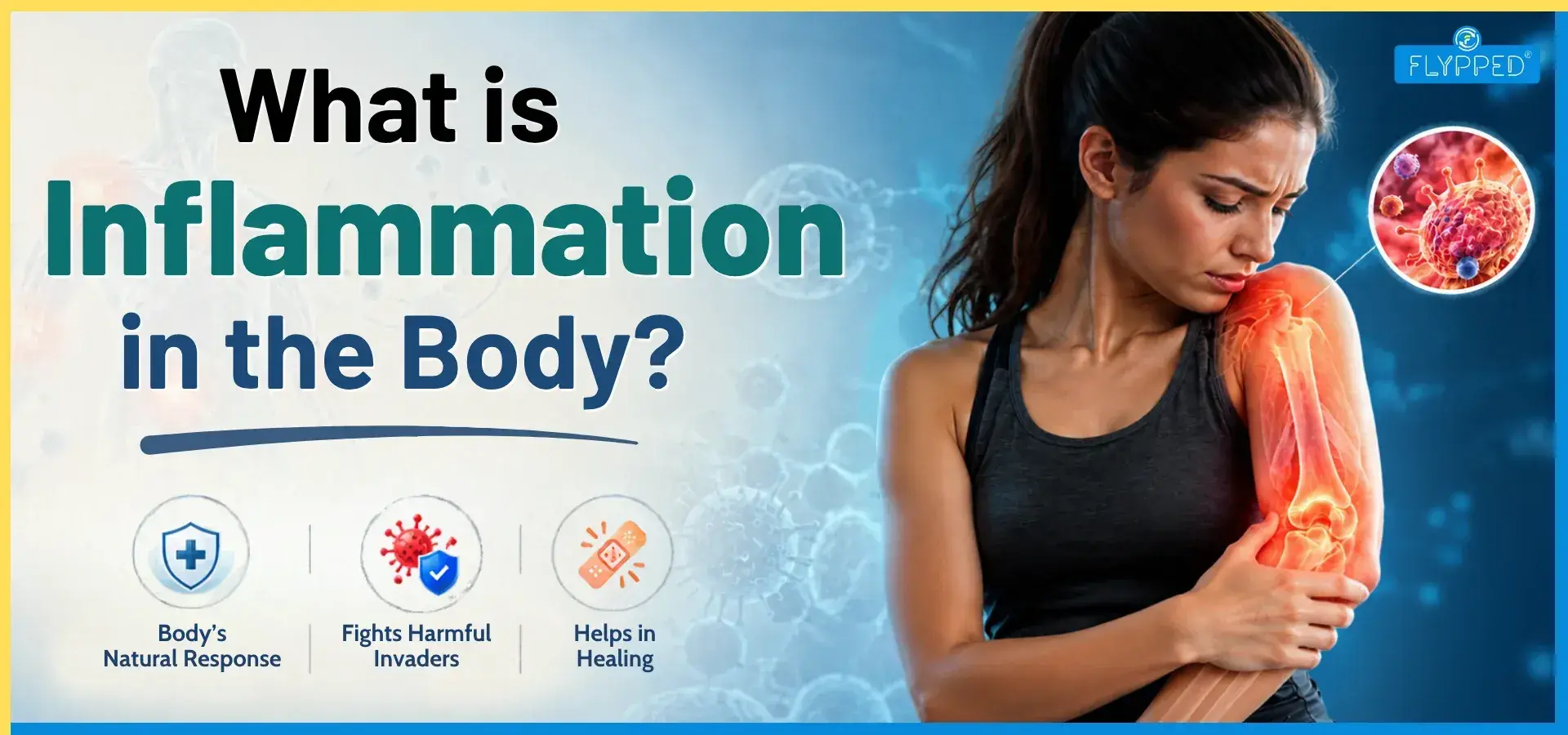
What is Inflammation in the Body?
Inflammation is a key process that occurs when the body reacts to something harmful, such as an injury, infection, or irritant. This reaction protects the body, fights off harmful invaders, and helps repair damaged tissue. When inflammation begins, it may show symptoms like redness, warmth, swelling, and pain. Now let's learn about the two main types of inflammation below:
Acute inflammation is a short-term response that occurs after an injury or infection. The affected area becomes swollen and painful, but it usually heals on its own. Chronic inflammation, on the other hand, lasts for a long time—sometimes for months or even years.
It can occur because of ongoing issues like arthritis or autoimmune disorders, where the immune system doesn't shut off after the initial problem is resolved. If inflammation becomes chronic, it can lead to health problems such as heart disease and diabetes. This highlights the importance of a healthy lifestyle, including a balanced diet and regular exercise.
What Causes Inflammation in the Body?
Many factors can cause inflammation. Chronic inflammation can be triggered by obesity, stress, smoking, and certain dietary habits. Foods that promote inflammation, such as refined sugars and trans fats, can worsen the condition. When the body detects a threat, it activates immune cells and releases chemical signals that start the inflammatory response.
These signals tell the body to increase blood flow and bring defences to the infection. If the immune system becomes unbalanced, it can cause excessive inflammation. Environmental factors can also lead to inflammation. Pollution, toxins, and allergens can trigger an inflammatory response.
Acute Inflammation vs Chronic Inflammation
Acute inflammation and chronic inflammation play crucial roles in your body’s immune response. Grasping the differences between these two forms can help you identify symptoms, seek the right treatments, and understand their effects on your overall health.
What is Acute Inflammation?
Acute inflammation is a temporary immune response that arises when your body encounters injury or infection. This type of inflammation typically lasts from a few days to a few weeks and is marked by a swift reaction to safeguard the body.
Symptoms of Acute Inflammation
Acute inflammation presents several noticeable symptoms, including:
- Swelling: An increase in fluid in the affected area.
- Pain: Discomfort from stimulated nerve endings.
- Heat: Elevated blood flow to the area.
Understanding Chronic Inflammation
Chronic inflammation is a prolonged immune response that can persist for months or even years. Unlike acute inflammation, which serves a protective purpose, chronic inflammation can be detrimental and is often linked to various diseases. There are various factors may contribute to chronic inflammation, such as:
- Long-term exposure to irritants: Environmental toxins or pollutants.
- Autoimmune diseases: Conditions where the immune system mistakenly attacks healthy cells.
- Lifestyle factors: Poor diet, inactivity, and high-stress levels can all elevate chronic inflammation.
Comparison Table: Acute vs Chronic Inflammation
Feature | Acute Inflammation | Chronic Inflammation |
|---|---|---|
Duration | Short-term (days to weeks) | Long-term (months to years) |
Causes | Injury, infection | Persistent irritants, autoimmune |
Symptoms | Localized (pain, redness, swelling) | Systemic (fatigue, fever, etc.) |
Treatment | Ice, rest, medications | Lifestyle changes, long-term therapy |
What are the Symptoms of Inflammation?
When inflammation occurs, several physical signs become apparent. The most common symptoms include:
- Redness: Increased blood flow to the affected area can cause it to appear red.
- Heat: The same increase in blood flow can make the area feel warmer than usual.
- Swelling: Fluid leaks into the tissues, resulting in noticeable swelling.
- Fever: A rise in body temperature can happen as part of the immune response.
- Fatigue: Tiredness may arise as the body allocates energy to combat the underlying cause of inflammation.
Recognizing these symptoms is crucial, as they indicate both acute and chronic inflammation.
How are Inflammation and Swelling Connected?
Inflammation and swelling are closely linked. When the body detects an injury or infection, the inflammatory process kicks off, leading to swelling. This occurs because blood vessels become more permeable, allowing fluid and immune cells to move into the affected area for healing.
This connection can be visualized in a few steps:
- Injury or Infection: A harmful stimulus triggers inflammation.
- Fluid Accumulation: Increased permeability allows fluid to leak from blood vessels into surrounding tissues, causing swelling.
- Healing Response: White blood cells and other immune components arrive to combat pathogens and repair tissue.
This interplay between inflammation and swelling is vital for recovery. If inflammation continues unchecked, chronic swelling and potential health issues may follow. Being aware of the symptoms and effects of inflammation helps recognize when the body signals a problem.
If these signs persist, consulting a healthcare professional is essential to prevent complications.
How do Chemical Mediators of Inflammation Work?
Chemical mediators are crucial for the inflammatory response. Two key players are cytokines and prostaglandins.
- Cytokines are signaling proteins released by immune cells, helping regulate the immune response and promote inflammation. They facilitate communication between cells and can enhance or inhibit inflammation based on context.
- Prostaglandins are lipid compounds derived from fatty acids. They play various roles, including promoting blood flow to the affected area and causing pain and fever. Together, these mediators initiate and sustain the inflammatory process, enabling the body to respond effectively to injury or infection.
Foods That Cause Inflammation
Diet significantly influences inflammation levels in the body. Certain foods are known to promote inflammation, including:
- Refined Sugars: These can spike insulin levels and lead to increased inflammation.
- Trans Fats: Common in many processed foods, these fats can trigger inflammatory responses.
- Refined Carbohydrates: Foods like white bread and pastries can raise levels of inflammatory markers.
- Fried Foods: Often containing unhealthy fats, these can worsen inflammation.
- Processed Meats: High in preservatives and unhealthy fats, processed meats can contribute to inflammation.
Foods That Reduce Inflammation
Consider adding these anti-inflammatory foods to your diet:
- Fatty Fish: Rich in omega-3 fatty acids, fishlike salmon and mackerel can lower inflammation.
- Fruits and Vegetables: Berries, leafy greens, and colorful produce are packed with antioxidants that combat inflammation.
- Olive Oil: A staple in the Mediterranean diet, extra virgin olive oil is known for its heart-healthy and anti-inflammatory benefits.
To manage inflammation through diet, aim for a balanced plate filled with whole foods. Focus on a variety of colors and incorporate healthy fats to support overall health. Making these dietary adjustments can lead to a significant reduction in inflammation and improve well-being.
What Does Anti-Inflammatory Activity Mean?
Anti-inflammatory activity refers to the body’s capacity to counteract inflammation. This process involves various mechanisms, such as regulating immune responses and producing anti-inflammatory compounds. Some well-known substances with anti-inflammatory properties include:
• Curcumin: The active compound in turmeric.
• Quercetin: A flavonoid found in onions, apples, and berries.
By grasping the concept of anti-inflammatory activity, you can make more informed dietary choices that support your health.
Key Ingredients for an Anti-Inflammatory Diet
Adding specific foods to your diet can significantly enhance your anti-inflammatory activity. Here are some ingredients worth considering:
- Berries: Packed with antioxidants that can help reduce inflammation.
- Fatty Fish: Rich in omega-3 fatty acids, known for their strong anti-inflammatory effects.
- Nuts: Full of healthy fats, fiber, and vitamins.
Including these foods in your daily meals can lead to benefits like improved heart health, reduced joint pain, and overall better well-being.
Lifestyle Factors That Influence Inflammation
Beyond your diet, several lifestyle factors can affect inflammation levels:
- Physical Activity: Regular exercise is known to lower inflammation and boost the immune system.
- Stress Management: Chronic stress can trigger inflammation. Practices like meditation and yoga can be beneficial.
- Quality Sleep: Getting enough rest is crucial for overall health and can help reduce inflammation.
Avoiding pro-inflammatory substances, such as processed foods and excessive sugar, is also essential in managing inflammation.The Impact of Anti-Inflammatory Activity on Health
Lowering inflammation can lead to significant health benefits. There's a strong link between chronic inflammation and conditions such as heart disease, diabetes, and autoimmune disorders. Studies suggest that adopting an anti-inflammatory diet can help mitigate these risks.
"Inflammation is a part of the healing process, but when it becomes chronic, it can lead to serious health issues." — Dr. Andrew Weil
These diets illustrate how focusing on whole, nutrient-dense foods can lead to better health and overall well-being.
When Should You Be Concerned About Inflammation?
Recognizing the signs that signal potential problems with inflammation in the body can empower you to take proactive steps for your wellness. Chronic inflammation can show up in various ways, including:
Ongoing fatigue
Joint pain
Digestive issues
Skin problems
Physical signs like redness, swelling, and warmth in the affected areas shouldn’t be overlooked. Emotional symptoms like anxiety and depression may also accompany chronic inflammation. Chronic inflammation is linked to several serious health conditions, such as:
- Heart Disease: Inflammation can damage blood vessels.
- Diabetes: It may affect insulin sensitivity.
Here’s a quick comparison of acute versus chronic inflammation:
Feature | Acute Inflammation | Chronic Inflammation |
|---|---|---|
Duration | Short-term | Long-term |
Symptoms | Redness, swelling, pain | Fatigue, joint pain, digestive issues |
Health Impact | Generally, resolves quickly | Linked to serious diseases |
Managing Inflammation: Tips and Strategies
To manage inflammation effectively, you must incorporate fruits, vegetables, nuts, and fatty fish rich in omega-3 fatty acids into your meals. Physical activity can help lower inflammation levels significantly. Some of the other daily habits can also aid in managing inflammation. These include staying hydrated, having better sleep, and engaging in meditation sessions.
When to Seek Professional Help
If you experience ongoing symptoms or they disrupt your daily life, consult a healthcare provider. Do this if the problem persists; act early to prevent more serious health complications.
Conclusion
Grasping the concept of inflammation is vital for your overall well-being. It serves a key function in your immune response, protecting you from injury and infection. However, it’s important to distinguish between acute and chronic inflammation; while the former is a short-term protective measure, persistent inflammation can trigger serious health problems like heart disease, diabetes, and autoimmune conditions. Embracing a healthy lifestyle can greatly assist in managing inflammation. Adding anti-inflammatory foods to your meals, such as fatty fish, various fruits, and plenty of vegetables, can help lower the risks tied to chronic inflammation.
Frequently Asked Questions
Find answers to common questions about this topic
Inflammation is the body’s natural immune response to injury, infection, or harmful substances. It helps protect tissues and supports the healing process.
Common signs include redness, swelling, warmth, pain, and reduced movement in the affected area. Chronic inflammation may cause less noticeable symptoms such as fatigue.
No. Short-term inflammation is generally a helpful response that protects the body and promotes healing. However, long-term or chronic inflammation can contribute to various health problems.
Inflammation can result from infections, injuries, autoimmune conditions, allergies, prolonged stress, smoking, poor diet, obesity, or exposure to certain environmental irritants.
A balanced diet, regular physical activity, adequate sleep, stress management, maintaining a healthy weight, and avoiding smoking can support healthy inflammatory responses.