Normal Cholesterol Level and Symptoms: Ways to Prevent High Cholesterol
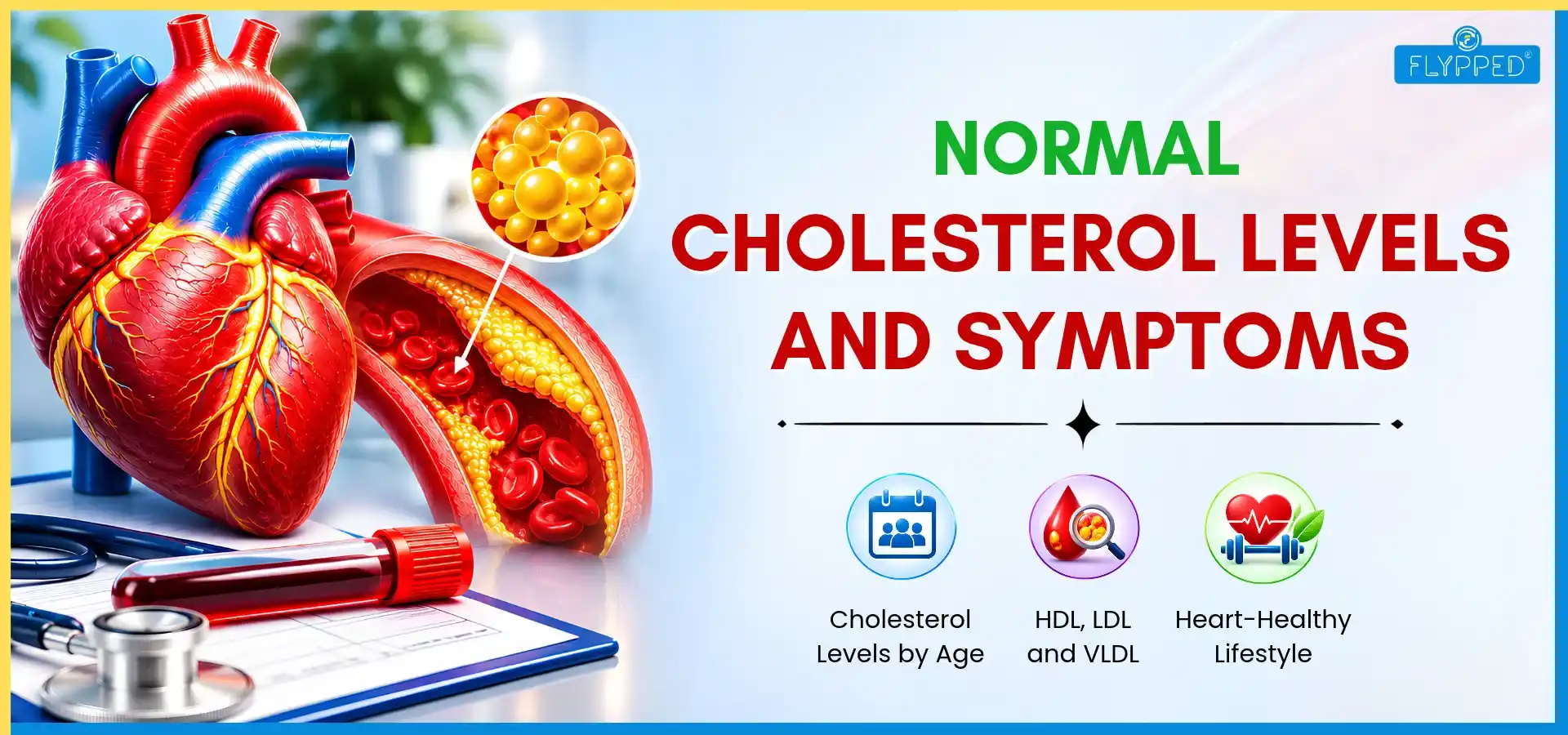
Cholesterol is a fat in your blood that your body needs to build healthy cells. The problem is that if you have too much of it, your risk of heart disease goes up. Excess cholesterol can lead to the build-up of fats and other substances in your arteries which forms plaque. This plaque can narrow or even block your arteries, making it difficult for blood to flow. Sometimes a piece of the plaque can break off and form a clot which can result in a heart attack or stroke. Let us understand what is normal cholesterol level and symptoms through this guide.
Normal Cholesterol Level and Symptoms
Some people have high cholesterol as a result of their genes, but it's often down to lifestyle factors such as not being active enough, eating the wrong kind of food and having too much saturated fat. The good news is that you can do things to prevent high cholesterol. If you already have high cholesterol then you can reduce it by eating better, being more active and in some cases by taking medication. According to medical experts, the standard cholesterol level should be below 200mg/dL.
NOTE: Explore health and fitness news, workout guides, nutrition advice, and more from our Latest updates.
Two Different Types of Cholesterol
Cholesterol moves around in your blood by attaching itself to proteins to form so-called lipoproteins. When people talk about cholesterol, what they're normally referring to is the lipoprotein that carries it. Below are the two types of cholesterol.
HDL Cholesterol
Also known as High-density lipoprotein cholesterol, this is the 'good' cholesterol. HDL picks up the excess cholesterol and takes it back to the liver.
LDL Cholesterol
LDL cholesterol or Low-density lipoprotein cholesterol is called 'bad' cholesterol. LDL is the transport molecule for cholesterol. If there's too much of the 'bad' cholesterol then it can deposit in the walls of the arteries and make them hard and narrow. If a genetic change leads to high cholesterol, then the body may not be able to get the LDL out of the blood.
How to Control VLDL Cholesterol Levels
VLDL is a bad cholesterol particle made by the liver. It mainly carries triglycerides to the body's tissues. Rather than being directly measured in a standard blood test by laboratories, its calculation is done by a mathematical formula, usually by dividing one's triglyceride level by 5. 30 mg/dL is said to be the highest level of VLDL, indicating a higher risk of plaque in one's arteries, triggering heart disease and stroke.
VLDL levels are generally lowered by reducing overall triglycerides and LDL cholesterol through medical treatment and lifestyle changes. You can lower high VLDL levels by eating a heart-healthy diet, cutting down on alcohol, exercising, managing your weight, avoiding cigarettes, and taking prescribed medication as directed by your healthcare provider.
Symptoms of High Cholesterol: Signs to Notice
High cholesterol usually has no physical symptoms because it is often silent. Many people are unaware they have it. Therefore, routine cholesterol blood test is important. In some extreme conditions, like Xanthomas, rare physical signs include yellowish, fatty skin deposits around the knees, elbows, hands, and eyes. In another condition, corneal arcus, physical symptoms include a light-yellow ring around the iris.
It can also be hazy white and grey. If high cholesterol goes untreated for a long time, it can trigger atherosclerosis. As a result, a person may experience acute chest pain and tightness. Other conditions include shortness of breath during physical activity, numbness, leg pain, and frequent cramps. The worst to expect is a heart attack and speech impairment.
What are the Causes of High Cholesterol?
Normal Cholesterol level: Keeping cholesterol at a normal level depends a lot on one’s lifestyle. Some factors are within a person's control and are among the most common causes of high cholesterol. These factors include a diet high in saturated and trans fats. A lack of exercise can also contribute.
Besides this, there are factors which are beyond our control that can also trigger high cholesterol. These include genetic changes inherited from parents or caused by certain medicines or health conditions. The conditions associated with high cholesterol that may cause a serious heart attack include
- Hypothyroidism
- HIV/AIDS
- Chronic liver disease
- Lupus
- Sleep apnea
- Overweight
- Diabetes
How to Reduce Cholesterol Quickly
Besides figuring out normal cholesterol level, if you wish to know how to increase HDL Cholesterol, improve your lifestyle to help lower cholesterol levels. This is possible if you incorporate these healthy habits:
- Choose a diet that emphasises whole grains, lean protein, vegetables, and fruits.
- Reduce the intake of sodium and added sugar.
- Also limit saturated and trans fats. Instead, choose olive oil, nuts, and fatty or oily fish.
- Try to lose that stubborn extra fat that makes you appear overweight.
- Avoid smoking, and if unable to quit, take help from a care team to help you quit.
- Do exercise and indulge in physical activity
- Resistance training twice a week will also help improve HDL cholesterol levels.
- Besides smoking, you must also reduce your alcohol intake. Limit intake to fewer drinks.
Cholesterol Levels in Women by Age: Which is the Normal level?
Find out the normal cholesterol level in females through the table below:
| Age Group | Total Cholesterol | LDL ("Bad") Cholesterol | HDL ("Good") Cholesterol | Non-HDL Cholesterol | Triglycerides |
| 19 years and younger | Less than 170 | Less than 110 | Greater than 45 | Less than 120 | Less than 75 (ages 0–9) |
| 20 to 39 years | Less than 200 | Less than 100 | 50 or higher (60+ optimal) | Less than 130 | Less than 150 |
| 40 to 54 years | Less than 200 | Less than 100 | 50 or higher (60+ optimal) | Less than 130 | Less than 150 |
| 55 to 64 years | Less than 200 | Less than 100 | 50 or higher (60+ optimal) | Less than 130 | Less than 150 |
| 65 years and older | Less than 200 | Less than 100 | 50 or higher (60+ optimal) | Less than 130 | Less than 150 |
What is Triglyceride?
Triglycerides are a type of fat that your body stores for future energy. They're formed when glycerol combines with three fatty acids. If you consume more calories than you need your body will convert the surplus into triglycerides and store them as energy. Let us understand the Triglyceride normal range and what do the numbers indicate?
| Normal | Less than 150 mg/dL |
| Borderline High | 150 to 199 mg/dL |
| High | 200 to 499 mg/dL |
| Very High | 500 mg/dL or above |
Flypped Conclusion
This ends our guide to normal cholesterol levels and related symptoms. Keeping cholesterol levels normal is only possible if we address our sedentary lifestyle, including unhealthy eating and a lack of adequate exercise. Those with the habit of chain-smoking and drinking alcohol must take it seriously, or else they will have to face the repercussions on the body in their later years. Hence, it’s a wake-up call to mould our lifestyle and make it healthier by adopting the right diet.
Read More:
- Hba1c test normal range: what do healthy levels mean for adults, females and pregnancy?
- What is inflammation in the body? understanding its causes, symptoms and types
- Dengue symptoms and platelet count: normal range, danger level and warning signs
- What are endometriosis ovarian cyst
- What is metastatic cancer?
- How to check colour blindness
Frequently Asked Questions
Find answers to common questions about this topic
A healthy total cholesterol level for adults is generally below 200 mg/dL (milligrams per deciliter). Levels between 200 and 239 mg/dL are considered borderline high, and anything at or above 240 mg/dL is classified as high.
For most healthy adults, LDL (low-density lipoprotein) should be kept below 100 mg/dL to prevent plaque buildup in the arteries. HDL (high-density lipoprotein) acts as a scavenger that clears excess cholesterol from the bloodstream, so higher levels are better—ideally 60 mg/dL
A normal fasting triglyceride level is below 150 mg/dL. High triglycerides combined with low HDL or high LDL significantly increase the risk of heart disease and stroke.
Yes. Standard ranges apply primarily to people without underlying cardiovascular conditions. Doctors typically recommend stricter LDL targets—often below 70 mg/dL or even 55 mg/dL—to minimize the risk of future cardiac events.
Healthy adults with no cardiovascular risk factors should have a baseline lipid panel every 4 to 6 years starting at age 20. Once you reach age 40 screening is typically recommended every 1 to 2 years, or more frequently.