
LASIK Treatment: Benefits, Risks, Side Effects, Recovery and Complete Guide
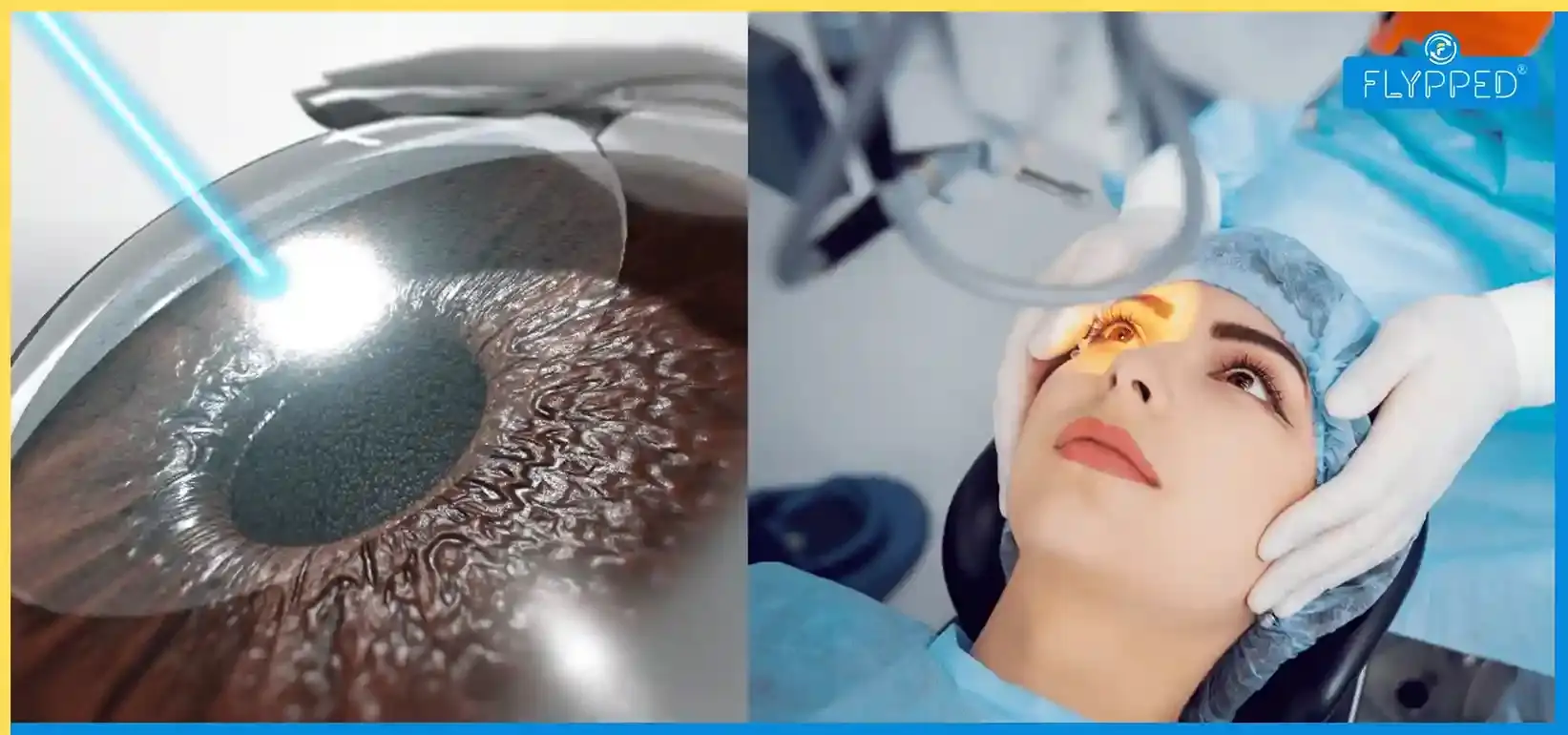
For most people, LASIK treatment is not their first choice. Usually, people choose glasses or contact lenses, or they simply put up with headaches from staring at screens all day.
Many people hear about LASIK gradually. Someone might mention it, or a friend might share how they woke up and could see clearly for the first time in years.
Suddenly, it starts to seem like a real option. In India, more people are considering LASIK eye surgery now. It is not just a trend; it is a practical choice. When done right, it removes a daily hassle instead of adding a new one.
What is Lasik Treatment?
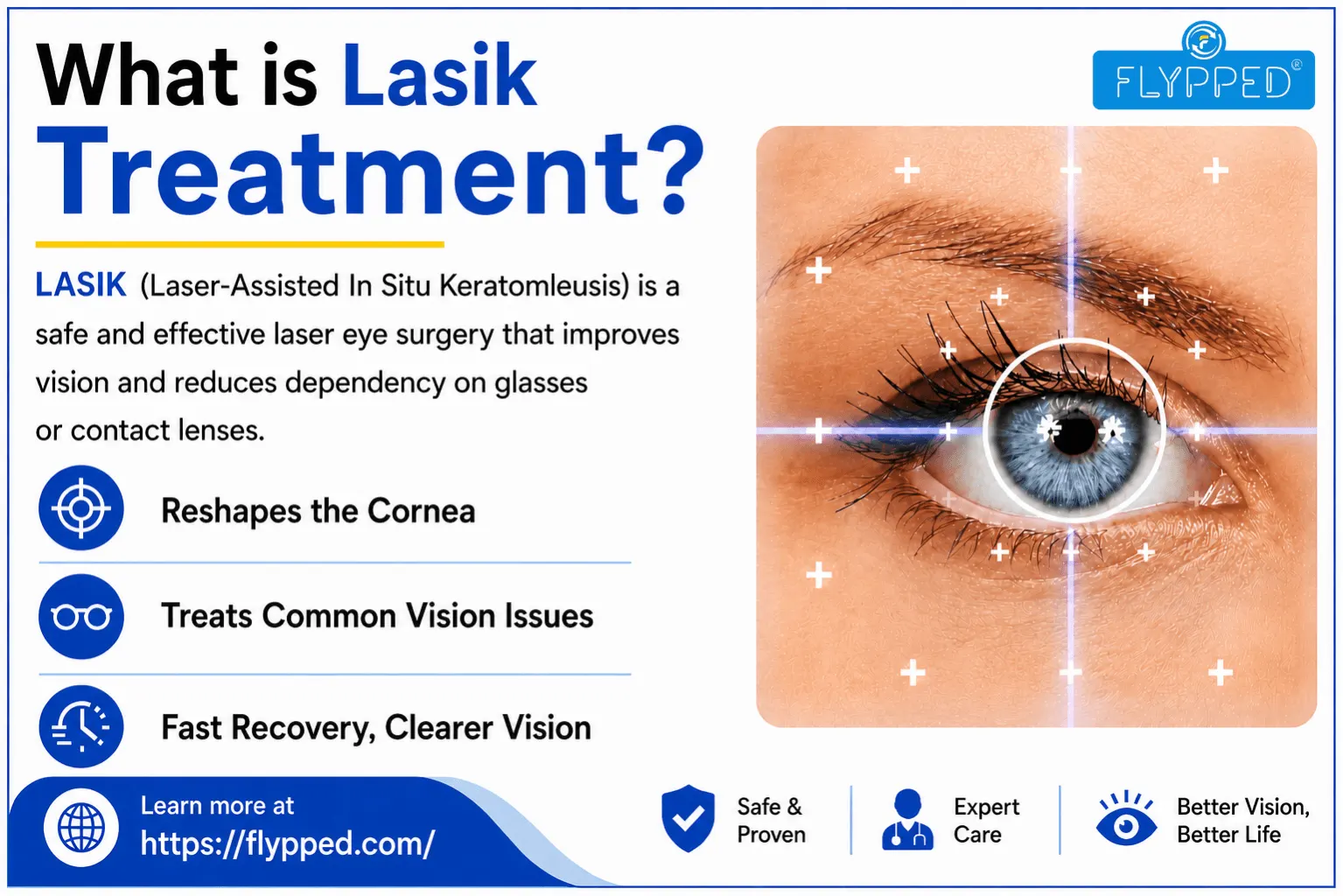
Lasik treatment is a common way to fix vision problems. LASIK means Laser-Assisted In Situ Keratomileusis.
During the procedure, a doctor reshapes the cornea, which is the clear front part of your eye. This helps light focus correctly on the retina and can improve vision for people with nearsightedness, farsightedness, or astigmatism.
After LASIK, you might not need to wear glasses or contact lenses every day because the surgery changes the shape of your cornea for good.
Many people see better just a few hours after the procedure and often wake up the next day with clearer vision. Let\'s dive deeper into the topic today.
NOTE: Explore health and fitness news, workout guides, nutrition advice, and more from our latest updates.
Lasik Treatment Procedure
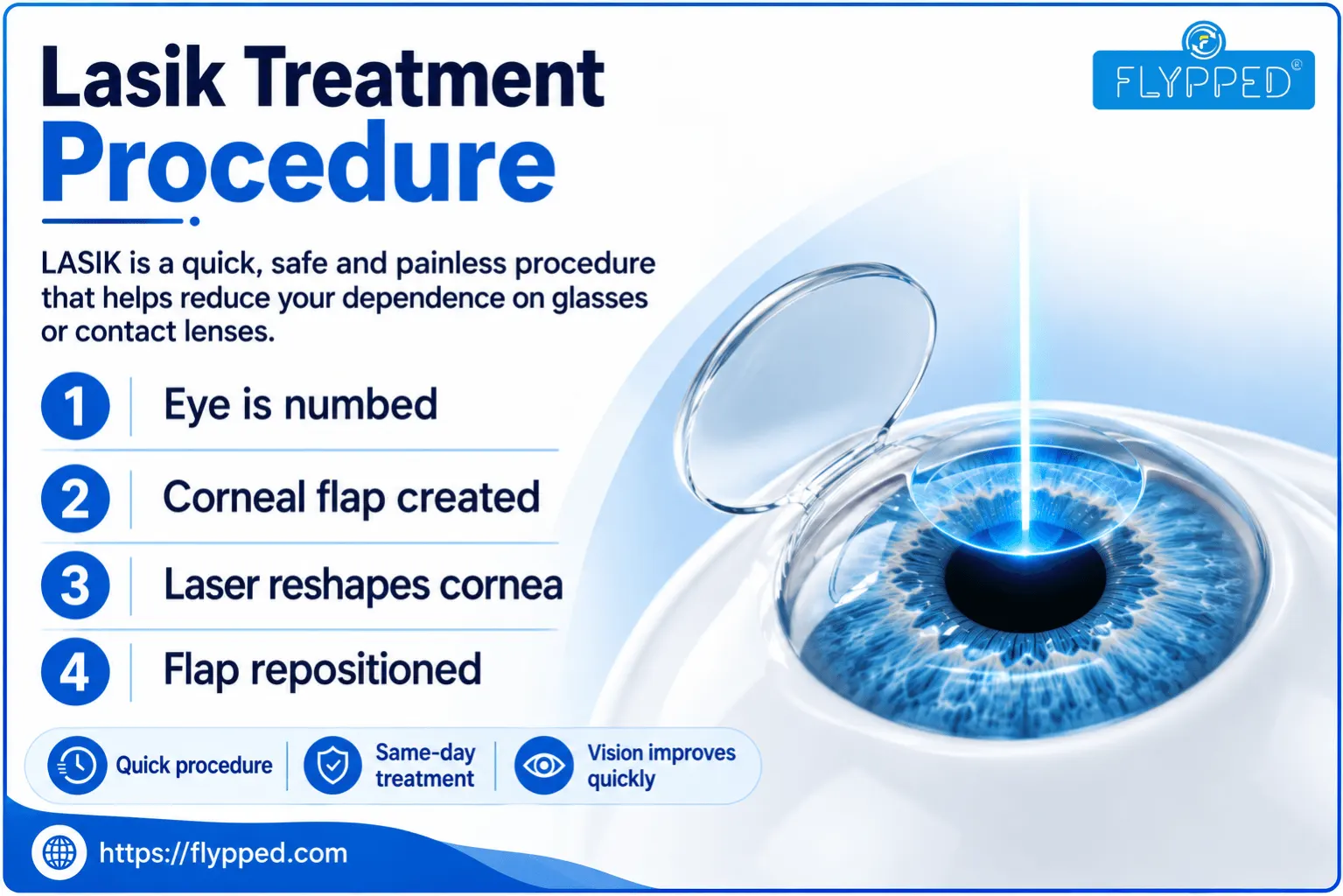
LASIK can help your eyes focus more clearly. If you have blurry vision, you may need glasses or contacts to see well.
LASIK solves the problem at its source. Rather than relying on glasses or contacts, a laser gently reshapes your cornea so light focuses properly. The procedure is quick, usually done in a single day, and most people find it easier than expected.
Most people are more surprised by how fast their vision gets better after the procedure than by the technology used.
Lasik Surgery Benefits
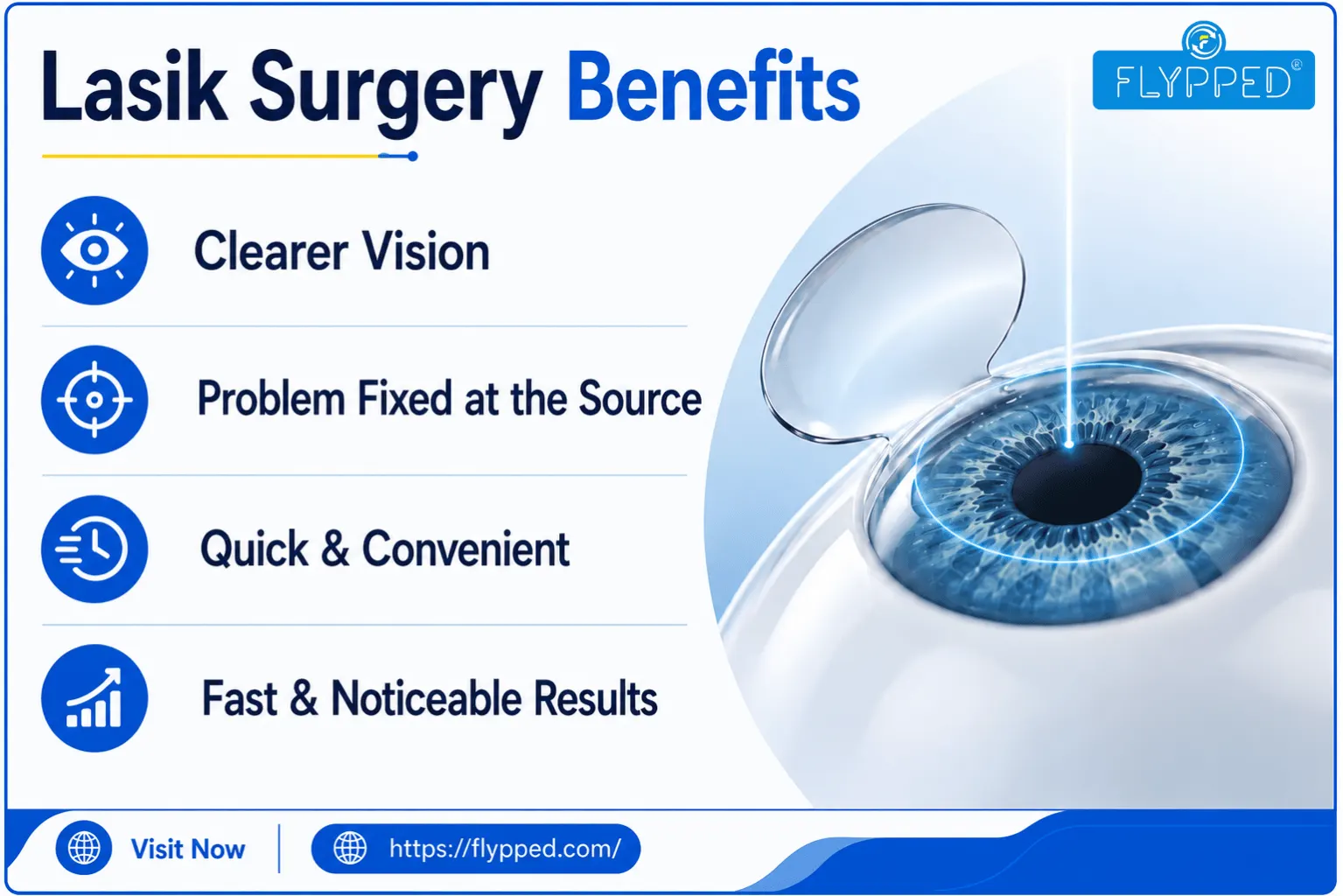
- LASIK can help you see more clearly. If your vision is blurry, you might need glasses or contact lenses to improve it.
- LASIK fixes the problem directly. Instead of using glasses or contacts, a laser gently reshapes your cornea so light focuses correctly.
- The procedure is quick, usually finished in one day, and most people find it easier than they thought.
- Many people are surprised by how quickly their vision gets better after the procedure, sometimes even more than by the technology itself.
Lasik Eye Surgery Risks
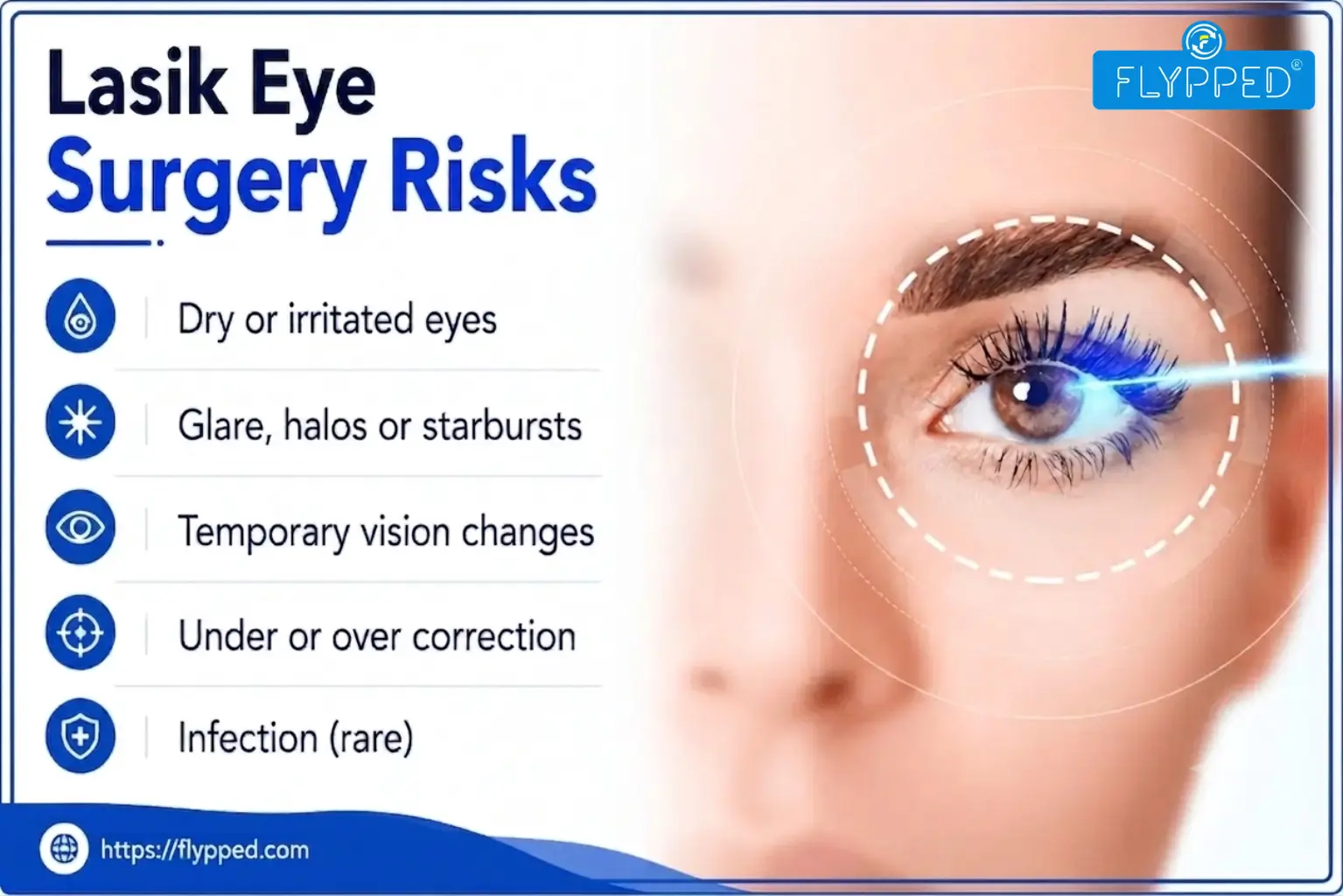
LASIK treatment can improve your vision. If you have blurry eyesight, you might use glasses or contact lenses to see clearly. LASIK fixes the main cause of blurry vision.
Rather than depending on glasses or contacts, a laser gently reshapes your cornea so light focuses correctly.
The procedure is quick, usually finished in one day, and most people find it easier than they thought.
Many people are surprised at how quickly their vision improves after LASIK, sometimes even more than they expected from the technology itself.
Lasik Surgery Side Effects
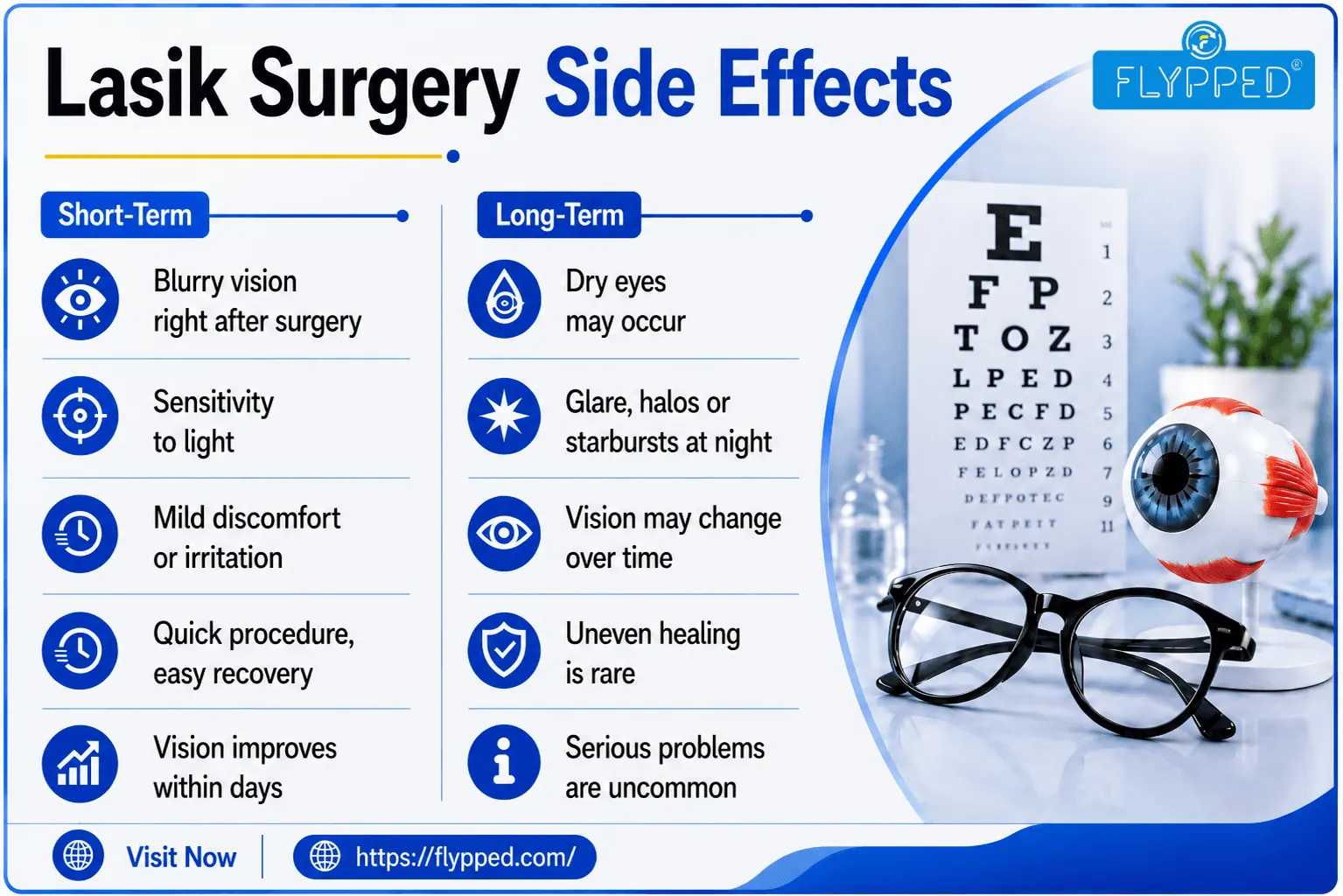
To know the possible side effects of LASIK surgery, let\'s examine them in two ways.
Short-Term
- LASIK can help you see more clearly. If your vision is blurry, you probably wear glasses or contact lenses.
- LASIK works by addressing the main reason for blurry eyesight.
- During LASIK, a laser changes the shape of your cornea so light focuses properly. After the surgery, you may not need glasses or contacts anymore.
- The procedure is quick, usually done in one day, and most people find it easier than expected.
- Many people are surprised at how fast their vision gets better after LASIK. Often, their results are even better than they hoped for.
Long-Term
- Most people see clearly after LASIK treatment, but some may still have issues. Dry eyes can happen and feel uncomfortable.
- A few people notice glare, starbursts, or halos around lights at night. Vision can also change over time, so some may need glasses again.
- In rare cases, the eye may heal unevenly, which can affect vision.
- If you are thinking about LASIK, keep in mind that serious problems are uncommon when experienced surgeons at hospitals like Nethradhama do the procedure.
- Regular check-ups and taking care of your eyes help you keep the benefits of LASIK and spot any problems early.
- Knowing about possible side effects can help you feel more confident and prepared.
Post-LASIK Care: Key Precautions to Know
After your lasik eye surgery is over, it does not mean the end. You have to follow the steps below.
- Try not to rub your eyes, even if they are itchy or dry. This will help keep the healing flap safe.
- Wear protective glasses when you go outside to keep your eyes safe from dust, wind, and bright sunlight.
- Use lubricating eye drops as your doctor recommends to relieve dryness.
- Stay away from swimming pools, saunas, and hot tubs for a few weeks to reduce your risk of infection.
- After LASIK surgery, making a few small changes to your daily routine can help you heal. Remember to see your surgeon regularly to check your vision.
- Sticking to these habits in the first weeks will help your recovery go more smoothly.
Lasik Treatment for Myopia
High myopia is a serious type of nearsightedness where the refractive error is more than -6.00 diopters.
People with high myopia struggle to see things far away because their eyeballs are longer than usual or their corneas have a different shape.
Astigmatism is another vision problem that happens when the cornea is uneven, which makes vision blurry or distorted at any distance.
Most people with these vision problems use glasses or contact lenses to see better.
Recently, more people with high myopia have started choosing LASIK surgery because it is a simple procedure that can provide a long-term solution.
Before and After Lasik Surgery
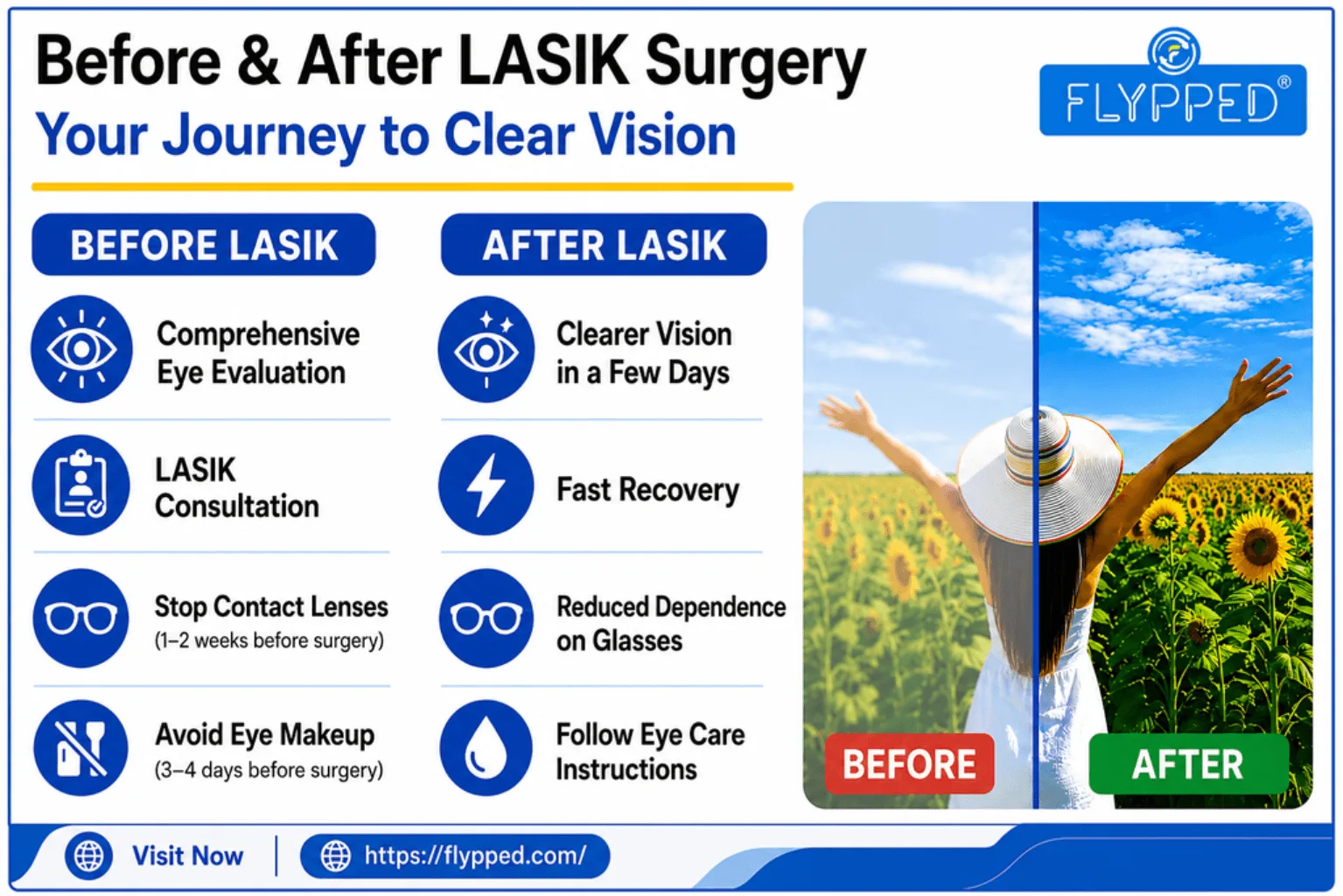
Before LASIK treatment can improve your vision and may help you stop wearing glasses. Before the procedure, the surgeon examines the eyes to see if this treatment is a good fit for the eye patient.
Most people notice clearer vision within a few days. By following the care instructions, you can expect a smooth recovery and lasting results.
Pre-Lasik Evaluation
- The pre-LASIK evaluation is the first step in your LASIK journey. This visit helps your doctor decide if LASIK is right for you and which type of surgery fits you best.
- During the appointment, your doctor will ask about your medical history and do a full eye exam. They will check your vision, eye pressure, refraction, cornea, optic nerve, and retina.
- You will also have tests like corneal topography, which creates colorful maps of your cornea, as well as corneal thickness measurements, dry eye tests, muscle balance checks, and measurements of your corneal diameter and pupil size.
Discussion with a LASIK Surgeon
- At your consultation, the LASIK surgeon will talk with you about whether LASIK is a good choice. They will go over your test results to decide which type of LASIK surgery suits you best.
- The surgeon will explain the risks, benefits, and other options so you can make an informed choice. You will learn what to do, what to avoid, and what to expect before, during, and after surgery.
- Each step will be explained, including what you need to do. You are welcome to ask any questions or share concerns. You can also take a few days to think about your options before deciding.
- If you wear contact lenses, stop using them a few days before your procedure. For soft lenses, stop wearing them about 1 to 2 weeks before your appointment. If you use semi-soft RGP lenses, try to stop for 2 to 3 weeks.
Avoid Eye Makeup and Creams Around the Eyes
- Contact lenses can change the shape of your cornea, so it is important to let your eyes return to normal before your tests and surgery.
- Once you decide to have LASIK treatment, stop using eye makeup or creams around your eyes for 3 to 4 days before the procedure.
- Any leftover product on your eyelashes or eyelids can raise the risk of infection and make irritation worse after surgery.
Budget
- Make sure you know the cost of LASIK before you begin.
- Prices can vary based on your city, the type of procedure, and the technology used.
Wrap Your Work Before Eye Surgery
- Try to finish any urgent tasks before your surgery day so you can arrive feeling calm.
- Arrange for someone to drive you, as you will not be able to drive yourself on the day of surgery.
What to Do and What to Avoid After LASIK Surgery
After surgery, you may feel some discomfort, have watery eyes, or notice burning and itching. Your vision could be hazy or blurry at first.
For most people, these symptoms get much better within the first few days after LASIK.
You will need to come in for a check-up the day after your LASIK surgery. After that, you will have regular follow-up visits over the next few months.
- Keep your eye clean and avoid dirt or dust for the first three weeks.
- When you shower, make sure tap water or soap does not get into your eye.
- Avoid getting hairspray or shaving lotion in your eyes, especially during the first three weeks.
- Do not swim in pools, lakes, or the sea, and avoid saunas or Jacuzzis for four weeks after your surgery.
- Wait at least 2 weeks after your surgery before colouring or perming your hair.
- Do not exercise for two days after LASIK treatment, and keep sweat out of your eyes for the next three weeks.
- Avoid dirty or dusty places for two to three weeks.
- Wear sunglasses outside for the first three weeks. Do not use eye makeup, especially old makeup, for three weeks.
- For at least a week, avoid heavy work, gardening, mowing the lawn, yard work, or dusting. Stay away from any activities that could disturb the flap made during surgery.
- Do not rub your eyes for two to three weeks after LASIK surgery.
- When you return to exercise or sports after LASIK surgery, wear eye protection for at least the first few months.
- Your vision may take three to six months to fully stabilise.
- Be patient as your eyes heal.
- It is normal to experience blurriness or poor vision at night. It does happen in the first few months.
LASIK Eye Surgery Recovery Tips
LASIK treatment is popular because it works well and lets you get back to your normal routine quickly. Still, you should keep in mind that recovery does take some time.
Here are tips to help you recover more quickly after LASIK.
- After LASIK, follow your eye doctor’s instructions. This will help you heal faster and prevent any issues.
- Screens are everywhere, but after LASIK, try to use them less for a few days.
- Looking at screens makes you blink less, which can dry out your eyes. LASIK can also cause dryness, so try to limit screen time to keep it from getting worse.
- After your procedure, you’ll get goggles or eye shields. Wear them when you sleep for the first few nights.
- These help keep you from touching your eyes while you sleep. Rubbing your eyes right after LASIK can slow your recovery. Try not to touch your eyes during the first week.
- Your eyes might feel uncomfortable after the procedure, and you may want to rub them. Try not to, so your eyes can heal well.
- After LASIK, give your eyes plenty of rest. Sleep helps your body heal. Even though LASIK is simple, your body still needs time to recover.
- Over the next few weeks, you’ll have follow-up appointments so your doctor can see how you’re doing.
- If anything seems unusual, your doctor can catch it early and help prevent bigger problems.
- The doctor will give you different eye drops to help you heal. Use them exactly as directed, even if your eyes don’t feel dry.
- Always wash your hands before using the drops to help prevent infection.
- After LASIK, stay away from things that could irritate your eyes, like smoke, dust, or strong fumes. These can slow your recovery.
- To keep your eyes clean, don’t wear makeup for about a week.
- Your eyes will be sensitive to light after LASIK, so try to stay out of bright places.
- Wear sunglasses when you go outside.
- If it’s bright indoors, it’s okay to wear them inside too.CT scans for one month, because a hard bump could affect your incision and slow your recovery.
- Avoid swimming for about 2 weeks, as getting water in your eye could lead to an infection.
- Be patient as you recover.
Top Eye Hospitals for LASIK Surgery in Delhi
When considering LASIK treatment, it is advisable to have it done at a genuine centre. Here are the top choices to make.
| Centre for Sight | Delhi-NCR region (including Safdarjung Enclave and Dwarka) |
| Dr. R.P. Centre for Ophthalmic Sciences (AIIMS) | Shri Aurobindo Marg |
| Aakash Healthcare Superspeciality Hospital | Dwarka |
| Shroff Eye Centre | Kailash Colony and Connaught Place |
| Save Sight Centre | Adarsh Nagar |
| Eye7 Eye Hospitals | Lajpat Nagar, Janakpuri, and Daryaganj |
Read More:
- Diet Plan for Weight Gain
- Salicylic Acid Serum Benefits
- Jaggery Benefits
- Euthanasia in India
- Healthy Indian Breakfast Recipes
- Best 6 Day Gym Workout Schedule That Boosts Weight & Fat Loss
- Intermittent Fasting Diet Plan
- Soy Protein vs Whey Protein
- Top 10 Major Detox Water Benefits You Should Know
- What Are the Best Home Remedies for Cough and Cold
- Hyaluronic Acid Uses for Skin
Frequently Asked Questions
Find answers to common questions about this topic
Lasik Treatment is a popular laser eye procedure used to correct vision problems such as myopia (nearsightedness), hyperopia (farsightedness), and astigmatism. It reshapes the cornea to improve how light focuses on the retina, reducing or eliminating the need for glasses or contact lenses.
LASIK is generally not painful because numbing eye drops are used before the procedure. Patients may feel slight pressure during surgery and mild irritation, dryness, or discomfort for a few hours afterward. Most people find the recovery process quick and manageable with prescribed medications and eye care instructions.
Most patients notice improved vision within 24 to 48 hours after LASIK surgery. While daily activities can usually be resumed within a day or two, complete healing may take several weeks. Following the surgeon’s instructions and attending follow-up visits are important for optimal recovery.
A good candidate for LASIK is typically over 18 years old, has stable vision, healthy eyes, and no serious eye diseases. People with severe dry eyes, thin corneas, or certain medical conditions may not qualify. A detailed eye examination determines eligibility for the procedure.
LASIK provides long-lasting vision correction, and the changes made to the cornea are permanent. However, natural age-related vision changes, such as presbyopia or cataracts, can still occur later in life. Some patients may require enhancement procedures if vision changes significantly over time.