
Movement Breaks at Desk Work: Tips You Need to Follow
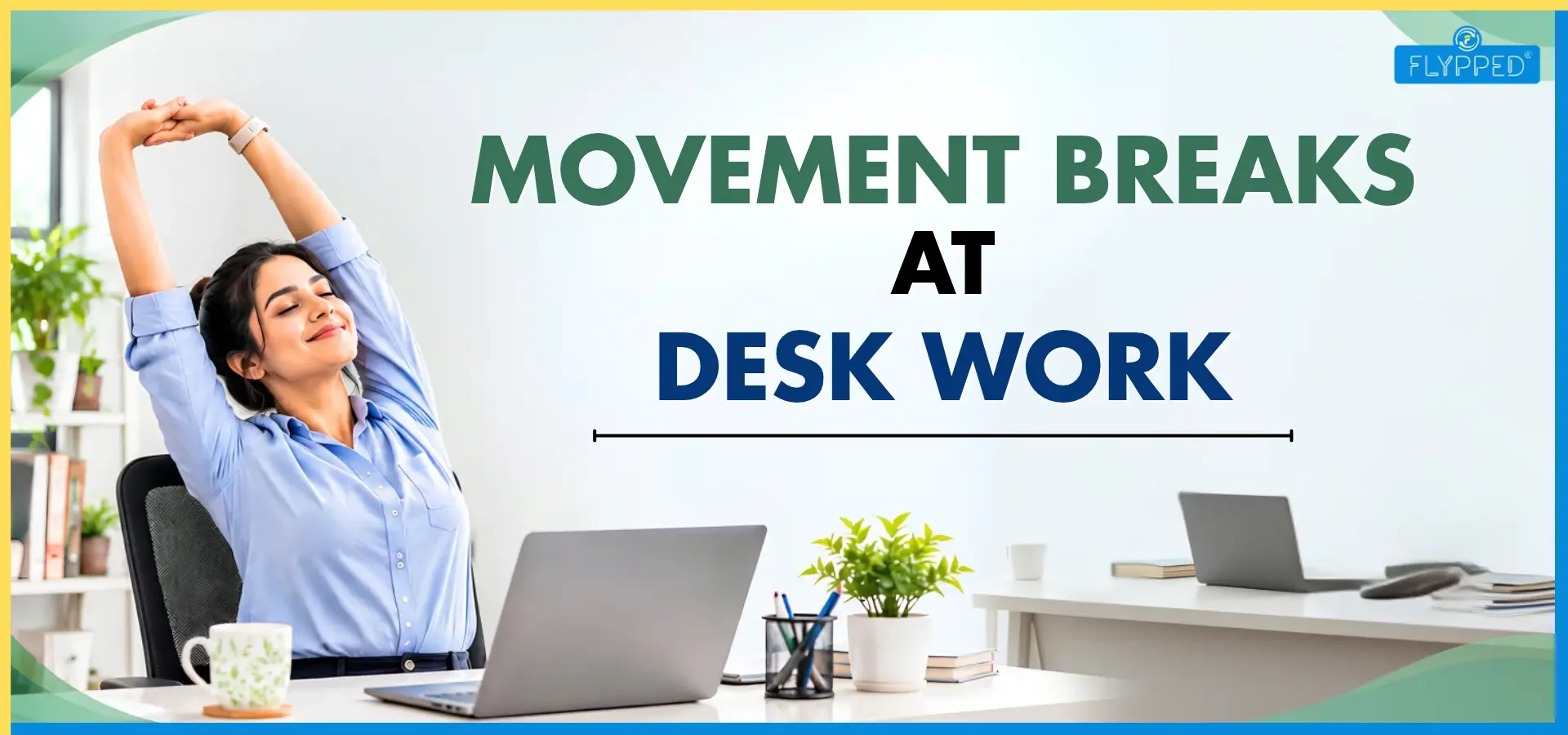
Many people wrongly believe that sitting for long hours relaxes them after stressful work. But this is the wrong approach, and they need to drop it, because staying in one posture will only make their body sag. This can tighten hip muscles and cause back and neck pain. This means you need breaks at your desk. Taking regular breaks, whether you're studying or working in an office, helps blood flow smoothly and keeps you energetic from morning to evening.
What Are Movement Breaks? Key Facts You Must Know
Have you ever thought of movement breaks? If not, the answer is simple: they're short intervals during long hours of sitting. During these breaks, take a walk or stretch. Moreover, you don't need a gym membership or special gear, since you can do it in your leisure time.
NOTE: Discover fashion trends, beauty tips, wellness advice, lifestyle guides, and Latest updates.
Five-minute breaks help activate muscles stiffened by long hours of sitting. They also clear brain fog. Short breaks come in many forms, like fetching water, walking down a hallway, or doing gentle exercises near your chair. Movement breaks are essential not only for professionals but also for students.
Setting Up a Good Sitting Position
Movement breaks during desk work work better when you sit in a healthy position. When sitting in your chair, employees must sit properly and keep their bodies moving. Leaning toward the monitor puts pressure on your spine and shoulders. Below are some exercises you need to incorporate into your daily office work. These are:
- Feet flat on the floor: Keep your knees roughly level with your hips instead of tucking your legs far back.
- Support your lower back: Let the back of your chair support your spine so you do not slump.
- Relax your shoulders: Drop your shoulders away from your ears and keep your elbows close to your sides.
- Bring screens to eye level: Looking down for hours strains your neck and upper back.
Good posture at the workplace does not replace movement breaks during desk work. Consider good posture a helpful base, and do move your body in between while working. This helps support your body's flexibility.
Easy Stretches and Exercises You Can Do Anywhere
When you put your daily task on hold, do gentle movements and focus on spots prone to stiffness. Now move your body slowly, without bouncing or forcing stretches that may hurt.
- Gentle Neck Exercises
People who constantly stare at their screens often jut their chins forward, which can cause pain in the back of the neck. If you're experiencing the same problem, it’s time to start doing some simple neck exercises that can relax you and ease the tightness in a few minutes.
- Chin Tucks
Whether sitting or standing, working employees must draw their chin straight back, just like making a double chin. But this should be done without tilting your head up or down. Now hold for few seconds and relax.
- Side Tilts
Slowly lower your right ear toward your right shoulder until you feel a light stretch along the left side of your neck. Hold for fifteen to twenty seconds, then switch sides.
- Slow Shoulder Rolls
Roll your shoulders up toward your ears, back, and down five times to release tension around your neck and upper back.
- A Quick Hamstring Stretch
Sitting keeps your hamstrings—the muscles along the backs of your thighs—shortened. Tight hamstrings can tug on your lower back and make standing feel clunky. A hamstring stretch can easily loosen that tightness.
To try a simple seated or standing hamstring stretch, sit near the edge of your chair and raise one leg straight out, keeping your heel on the floor and your toes slightly up. Now, keeping your back straight, gently hinge forward from the hips. Pause in this position for 20 to 30 seconds, and keep breathing normally. Now repeat the same activity with the other leg.
Building a Simple Time Schedule and Daily Routine Chart
When you get busy with an important project or homework, you may forget to move your body because you're focused on the task. To avoid this, make a schedule so it's easier to set aside time for movement breaks while working at your desk. Setting a quiet timer for a set duration will remind you to step away. Using your routine chart, whether on paper or on the wall, will help you track how often you stand, stretch, and reset.
| Time of Day | Desk Activity | Movement Break Idea | Duration |
| 9:00 AM | Morning tasks or study block | Stand up, do shoulder rolls, and try neck exercises | 3 minutes |
| 10:30 AM | Screen focus session | Walk around the room and do a hamstring stretch | 4 minutes |
| 12:30 PM | Midday wrap-up | Step away from the screen for lunch and a short walk | 15–20 minutes |
| 2:15 PM | Afternoon projects | Do short breaks with gentle back and arm stretches | 3–5 minutes |
Making Movement a Lasting Habit
Beginning with small steps is the easiest way to stay regular with your new habits. Choose one or two stretches you find convenient, set a timer during your workday, and keep the routine consistent for a week. Taking breaks during work and study sessions will be more beneficial, as it will keep you refreshed and help you wrap up your tasks faster with better focus.
Flypped Conclusion
Now you know how important it is to take movement breaks at your desk. Besides working professionals, students also need to keep their bodies in good shape. This is only possible if they build a daily routine and start with exercises they can do easily at first. Once you get used to it, increase the duration and feel refreshed throughout the day. Health is Wealth, remember!
Read More:
- Delhi running groups for beginners
- Compare home internet plans in india
- Diwali online shopping offers in india 2026
- Best diwali gift ideas for family, staff and clients
- Diwali decoration ideas for home 2026
- Online shopping scams you must know
- How to decrease melanin in body naturally
- How to increase hemoglobin naturally
Frequently Asked Questions
Find answers to common questions about this topic
Aim to stand, stretch, or walk for 2 to 5 minutes every 30 to 60 minutes. Frequent micro-breaks counteract prolonged sitting and keep your circulation active throughout the day.
They reduce neck and lower back stiffness, boost energy and mental focus, improve posture, and lower long-term health risks linked to sedentary behavior, such as cardiovascular strain and sluggish metabolism.
Try seated spinal twists, shoulder rolls, neck stretches, calf raises, chair squats, or marching in place. Even standing up to reach overhead for 30 seconds relieves muscle tension.
No—they actually improve it. Short physical resets prevent mental fatigue, reduce eye strain, and sharpen concentration, allowing you to return to tasks with greater clarity and efficiency.
Set a recurring timer on your phone or computer, use a smartwatch reminder, or link movement to natural cues like finishing a task, refilling water, or taking a phone call.