How to Increase Hemoglobin Naturally: Best Foods, Drinks and Healthy Habits
Have you ever felt tired, had shortness of breath, or noticed your skin looks pale? These symptoms could indicate low haemoglobin levels, which can affect your overall health and energy.
The good news is that you can usually increase your haemoglobin by changing your diet.
In the blog below, we explain the importance of haemoglobin and give examples of foods that may help raise your levels.
First, let us consider what haemoglobin is and what it does..
What is Hemoglobin and Why Is It Important?
Haemoglobin’s primary function is to carry oxygen from the lungs to the cells throughout the body.
It attaches to oxygen as blood circulates through the lungs and releases it when it reaches areas that need it for cellular respiration, a process that produces energy.
Normal haemoglobin levels can vary based on age and gender. For adult males, healthy levels typically range from 13.5 to 17.5 grams per decilitre (g/dL). For females, it’s usually between 12.0 and 15.5 g/dL.
Low haemoglobin levels could lead to anaemia, resulting in fatigue and weakness, while elevated levels may indicate conditions like polycythaemia, which can put a strain on the heart.
Hence understanding haemoglobin and its vital role in the body is essential for maintaining good health. Regular check-ups can help track haemoglobin levels and prevent potential health concerns.
What is a Normal Hemoglobin Level?
Hemoglobin is an essential protein in our red blood cells, responsible for transporting oxygen throughout the body.
Knowing what a normal hemoglobin level is can significantly impact your overall health.
These levels can differ based on various factors, including age, and sex. Let’s understand it with below segments.
Understanding Normal Hemoglobin Levels
Hemoglobin is vital for carrying oxygen from your lungs to other body tissues. Keeping your hemoglobin levels within a healthy range is crucial for maintaining energy and overall wellness.
Both low and high levels can result in health problems, making regular monitoring important.
Typical Hemoglobin Ranges
Normal hemoglobin levels can vary widely among different groups of people. Here’s a quick look at the standard ranges:
| Demographic | Normal Range (g/dL) |
|---|---|
| Adult Men | 13.8 - 17.2 |
| Adult Women | 12.1 - 15.1 |
| Children | Varies by age |
Differences in Hemoglobin Levels by Gender
Men and women typically have different hemoglobin levels, largely due to biological and hormonal differences.
Generally, men tend to have higher hemoglobin levels, which is influenced by greater muscle mass and the effects of testosterone that promote red blood cell production.
Dietary Choices to Boost Haemoglobin
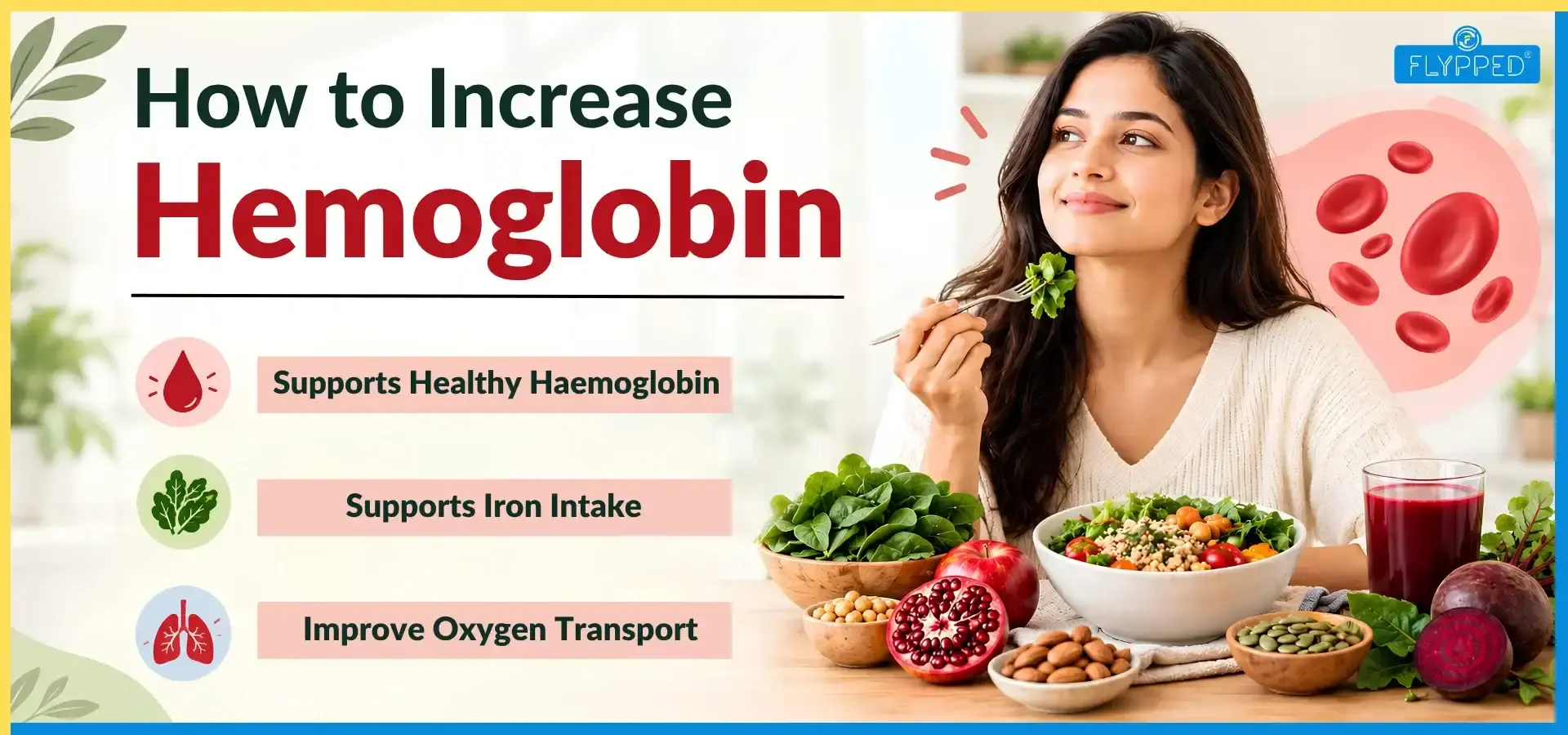
To increase haemoglobin naturally, start by focusing on your diet. Certain foods are rich in iron, a key component of haemoglobin. Include the following in your meals:
- Leafy Greens: Spinach and kale are excellent sources of iron and vitamins.
- Legumes: Lentils and chickpeas provide iron along with protein.
- Fruits: Pomegranates, apples, and guavas are packed with vitamin C, which helps in iron absorption.
- Nuts and Seeds: Almonds and pumpkin seeds offer healthy fats and minerals that support haemoglobin production.
Combining these foods with vitamin C-rich items enhances iron absorption, making it easier for your body to utilize the nutrients effectively.
Daily Habits That Can Support Healthy Haemoglobin
In addition to dietary changes, certain daily habits can help improve haemoglobin levels. Here are some beneficial practices:
- Stay Hydrated: Drinking plenty of water aids in circulation and overall health.
- Regular Exercise: Engaging in physical activity can stimulate red blood cell production.
- Limit Caffeine and Alcohol: These can interfere with iron absorption, so moderation is key.
When making these changes, it's essential to monitor your body's response and consult a healthcare professional if you notice any persistent symptoms of low haemoglobin, such as fatigue or dizziness.
Taking proactive steps can help you maintain healthy haemoglobin levels naturally. The catch?
What Causes Low Haemoglobin?
Low haemoglobin levels can stem from various factors, each affecting the body differently.
Understanding these causes is crucial for knowing how to increase haemoglobin naturally.
- Genetic Factors
Conditions like sickle cell disease lead to abnormal haemoglobin, causing red blood cells to become misshapen. This can severely affect oxygen transport and overall health.
- Nutritional Deficiencies
Lack of essential nutrients, particularly iron, vitamin B12, and folate, can hinder haemoglobin production. Iron is vital for haemoglobin synthesis, (which helps) while B12 and folate support red blood cell formation. See the pattern?
- Chronic Diseases
Conditions such as kidney disease and cancer can interfere with the body's ability to produce haemoglobin.
These diseases may lead to anaemia, where the body doesn’t have enough healthy red blood cells.
Identifying these causes can help you take proactive steps toward improving haemoglobin levels through diet and lifestyle changes.
What are the Symptoms of Low Haemoglobin?
Haemoglobin plays a critical role in your health by transporting oxygen from the lungs to other parts of the body.
This process is essential for maintaining energy levels and overall bodily functions. So, what's the takeaway?
When haemoglobin levels are low, the body may not receive adequate oxygen, leading to symptoms such as fatigue, weakness, and shortness of breath.
You might also experience dizziness or a rapid heartbeat, all of which signal that your body is struggling to get enough oxygen.
Maintaining healthy haemoglobin levels is vital for your well-being. To support this, consider incorporating iron-rich foods and engaging in regular physical activity.
Monitoring your haemoglobin levels and being aware of the symptoms of low haemoglobin can empower you to take the necessary actions to enhance your health.
How to Increase Haemoglobin Naturally
To successfully increase haemoglobin naturally, incorporating iron-rich foods into your diet is essential. Here are some key sources of iron that can help:
- Red Meat: Beef and lamb are excellent sources of heme iron, which is more easily absorbed by the body.
- Leafy Greens: Vegetables like spinach and kale are packed with iron and also provide vitamins that support haemoglobin production.
- Legumes: Lentils and chickpeas not only offer iron but also provide protein and fibre, (surprisingly) making them a nutritious choice.
In addition to iron, vitamin C matters for enhancing iron absorption. Foods rich in vitamin C can significantly improve how your body uses the iron from your diet.
Consider including fruits such as guava, pomegranates, and oranges in your meals.
These fruits are not only delicious but also contribute to better iron absorption, helping to boost your haemoglobin levels.
What to Drink to Increase Haemoglobin?
To find out more about how to increase haemoglobin naturally there are several drinks can effectively raise your hemoglobin levels thanks to their rich nutrient profiles. Consider adding these options to your routine:
- Green Smoothies: Bursting with leafy greens, these smoothies not only taste great but also provide essential iron and other nutrients.
- Beet Juice: Known for its high iron content, beet juice can significantly help in boosting hemoglobin.
- Pomegranate Juice: Full of iron and antioxidants, this juice is an excellent choice for enhancing hemoglobin levels.
Vitamin C-Rich Drinks
Vitamin C is vital for improving iron absorption, making it especially important for those looking to elevate their hemoglobin. Check out these tasty Vitamin C-rich drinks:
- Citrus juices (like orange and lemon)
- Berry smoothies
- Orange juice
- Lemon juice
- Strawberry smoothie
- Kiwi juice
Drinks to Avoid Around Iron-Rich Meals
Avoiding specific drinks around meals rich in iron can enhance your body's ability to absorb this important mineral effectively.
- Coffee and Tea: Consuming these beverages during meals can reduce the amount of iron your body absorbs.
- Calcium-Rich Drinks: Dairy products can interfere with iron absorption, so it's best to limit them during meals.
How to Increase Blood in the Body Through Diet
When learning about how to increase haemoglobin naturally, it is very essential to maintain optimal health and ensure your body has sufficient blood volume and quality.
This guide will explore various dietary strategies that can help boost blood production, improve circulation, and enhance overall wellbeing.
From understanding key nutrients to practical meal suggestions, learn how to effectively increase blood in your body through diet.
Key Components of Blood
Blood is made up of several vital components, including:
- Red Blood Cells: Carry oxygen throughout the body.
- Hemoglobin: A protein in red blood cells that binds to oxygen.
- Plasma: The liquid portion of blood that transports nutrients and waste.
- Platelets: Help with blood clotting.
Why Adequate Blood Levels Matter
Having the right levels of blood is crucial for:
- Oxygen Transport: Ensures all body cells receive the oxygen they need.
- Nutrient Delivery: Transports essential nutrients to cells.
- Immune Function: Supports the body’s defense against diseases.
Nutrients That Support Blood Production
To enhance blood production, focus on these key nutrients:
- Iron: Essential for hemoglobin formation, iron-rich foods can significantly boost blood levels.
- Vitamin B12: Important for the production of red blood cells, this vitamin is vital for overall blood health.
- Folate: Aids in DNA synthesis and red blood cell formation, making it crucial for blood health.
Foods Rich in Blood-Boosting Nutrients
Incorporate these foods into your diet for better blood health:
- Leafy Greens: Spinach and kale are packed with iron and folate.
- Lean Meats: Chicken and turkey provide significant amounts of iron and vitamin B12.
- Legumes: Beans and lentils are excellent sources of iron and folate.
- Nuts and Seeds: Pumpkin seeds and almonds offer iron along with healthy fats.
Meal Ideas to Enhance Blood Levels
Here are some practical meal suggestions regarding how to increase haemoglobin naturally.
- Breakfast: Spinach omelet with whole grain toast provides iron and protein.
- Lunch: Quinoa salad with chickpeas and mixed greens is rich in iron and folate.
- Dinner: Grilled chicken with steamed broccoli and brown rice combines protein and essential nutrients.
- Snacks: Hummus with carrots or a handful of nuts for a nutrient-dense boost.
Common Mistakes to Avoid When Trying to Increase Blood
Staying hydrated is crucial for maintaining blood volume. Here are some tips:
- Drink plenty of water throughout the day.
- Include hydrating foods like fruits and vegetables in your diet.
- Relying on Supplements Alone
While supplements can help, whole foods should be your primary source of nutrients. Risks include:
- Potential toxicity from excessive supplementation.
- Missing out on the full spectrum of benefits that whole foods provide.
Daily Habits That Can Support Healthy Haemoglobin
What you eat greatly affects your haemoglobin levels. Consuming iron-rich foods is crucial since iron is a key component of haemoglobin. Here are some iron-packed foods to consider:
- Red Meat: Beef and lamb are excellent sources of heme iron, which your body absorbs easily.
- Legumes: Beans and lentils provide plant-based iron, making them great options for vegetarians.
- Dark Leafy Greens: Spinach and kale offer non-heme iron that can be better absorbed when paired with vitamin C.
- Nuts and Seeds: Almonds and pumpkin seeds are nutritious choices that contribute to your iron intake.
- Don’t forget to include vitamin C-rich foods—like citrus fruits and bell peppers—to further enhance iron absorption.
Staying Hydrated
Staying hydrated is another critical factor that influences blood volume and haemoglobin concentration.
When you’re well-hydrated, your blood becomes less viscous. This allows haemoglobin to work more efficiently.
Aim for at least eight cups of water daily. Increase your intake during physical activity or hot weather.
Here are a few tips to keep your hydration on track:
- Carry a water bottle to remind yourself to drink throughout the day.
- Set reminders on your phone for hydration breaks.
- Incorporate hydrating foods into your meals, such as cucumbers and watermelon.
Regular Physical Activity
Exercise is essential for promoting red blood cell production. Engaging in regular physical activity can stimulate the synthesis of haemoglobin. This enhances your body's oxygen transport capabilities.
Consider these types of exercises:
- Aerobic activities: Walking and running can boost your cardiovascular health while aiding red blood cell production.
- Strength training: Lifting weights or doing bodyweight exercises enhances overall fitness and supports haemoglobin levels. Aim for at least 150 minutes of moderate-intensity exercise each week for the best results.
Managing Stress Effectively
Chronic stress can negatively affect haemoglobin levels. It may cause hormonal imbalances that disrupt production. Finding effective stress management techniques is essential. Here are some practices to consider:
- Mindfulness Practices: Meditation and yoga can help calm your mind and reduce stress.
- Regular Sleep Patterns: Prioritize getting enough sleep to support your body’s recovery and overall health.
- Leisure Activities: Spend time on hobbies or with loved ones. This can boost your mood and alleviate stress.
Regular Health Check-Ups
Keeping tabs on your haemoglobin levels through regular health screenings is important. It’s wise to have your levels checked during routine visits.
This is especially true if you experience symptoms like fatigue or weakness. Consulting with a healthcare professional can provide clarity and guidance if you have concerns.
Can Diet Alone Increase Haemoglobin?
A balanced diet is crucial for maintaining healthy hemoglobin levels. While specific foods can help, it's essential to combine them wisely for optimal results.
If you're wondering, "Can Diet Alone Increase Hemoglobin?" the answer is a resounding yes, especially when you focus on the right nutrients and food combinations.
When Should You See a Doctor for Low Haemoglobin?
While diet plays a significant role in increasing haemoglobin, there are times when medical intervention is essential.
Besides knowing about how to increase haemoglobin naturally, it is important to reach out doctor in case, you experience symptoms like persistent fatigue, (seriously) weakness, or dizziness.
It may indicate that your haemoglobin levels are low and need professional evaluation.
Here are some signs that suggest you should seek medical advice:
- Unexplained Fatigue: If you feel constantly tired despite adequate rest.
- Shortness of Breath: Difficulty breathing during normal activities can be a red flag.
- Pale Skin: Noticeable paleness can signify low haemoglobin. Still, getting a blood test is crucial to diagnose low haemoglobin accurately. This test measures your haemoglobin levels and can help identify the underlying causes.
Understanding whether your low levels are due to dietary deficiencies, chronic diseases, or other health issues is vital for effective treatment.
Here's the thing — Beyond dietary adjustments, treatments may include iron supplements, vitamin B12 injections, or medications to stimulate red blood cell production.
In some cases, addressing underlying health conditions is necessary for improving haemoglobin levels.
Expert Insight
"Nutrition is a critical component in managing haemoglobin levels and overall health." — Nutrition Expert
If you suspect your haemoglobin levels are low, don’t hesitate to consult a healthcare professional.
They can guide you on the best steps to take, whether it’s enhancing your diet, taking supplements, or exploring other medical treatments.
Taking action early can prevent complications and promote better health outcomes.
Comparison of Foods for Haemoglobin Support
When looking to naturally boost your haemoglobin levels, the foods you choose play a significant role.
Some foods are particularly rich in iron and vitamin C, both of which are crucial for maintaining healthy haemoglobin levels.
Let’s compare some common foods that can support your haemoglobin production.
| Food Item | Iron Content (mg) | Vitamin C Content (mg) |
| Spinach | 2.7 | 28 |
| Red Meat | 2.7 | 0 |
| Guava | 0.2 | 228 |
| Pomegranate | 0.3 | 10 |
What is the Comparison?
Spinach
This leafy green isn't only high in iron but also packed with vitamin C, which enhances the absorption of iron in the body. It’s a versatile ingredient that can be added to salads, smoothies, or cooked dishes.
Red Meat
An excellent source of heme iron, red meat such as beef and lamb provides a substantial amount of iron, which is easily absorbed by the body. However, it lacks vitamin C, so pairing it with vitamin C-rich foods can optimize absorption. See the pattern?
Guava
Surprisingly, guava stands out with its exceptionally high vitamin C content, making it a fantastic choice for improving iron absorption. Although it contains lower iron levels, its vitamin C can significantly boost your body’s ability to utilize iron from other sources.
Pomegranate
While it has moderate iron content, pomegranate is also beneficial for its vitamin C.
It’s delicious and can be consumed as juice or added to various dishes, providing both taste and health benefits.
Incorporating a mix of these foods into your diet can help you effectively increase haemoglobin levels naturally.
Aim to combine iron-rich foods with those high in vitamin C to maximize your nutritional intake and support healthy blood levels.
Conclusion
Boosting your iron intake and making thoughtful daily choices ensures your red blood cells receive the essential nutrients they need to flourish.
Pairing iron-rich meals with regular physical activity creates an ideal setting for effective oxygen transport throughout your body.
Understanding how to increase haemoglobin naturally empowers you to enhance your daily energy, but consistency is crucial.
Simple changes, like combining citrus fruits with plant proteins, can lead to meaningful improvements over time.
If you continue to feel unusually fatigued despite these adjustments, it’s wise to consult a healthcare professional to assess your blood health.
Frequently Asked Questions
Find answers to common questions about this topic
Iron-rich foods such as spinach, lentils, beans, chickpeas, sesame seeds, pumpkin seeds, dates and lean meats can support haemoglobin production. Pairing plant-based iron sources with vitamin C-rich foods like oranges, amla, tomatoes and bell peppers can improve iron absorption.
Include iron-rich foods in your daily meals and combine them with vitamin C sources. Avoid tea or coffee immediately with meals because they can reduce iron absorption. If haemoglobin is significantly low, consult a doctor rather than relying only on dietary changes.
Beetroot contains nutrients such as folate and other compounds that can support a healthy diet, but it is not a reliable treatment for iron-deficiency anaemia. For low haemoglobin, include proven iron-rich foods and identify the underlying cause with medical guidance.
Fruits such as oranges, amla, guava, strawberries and kiwi are rich in vitamin C, which helps the body absorb iron from plant-based foods. Dried fruits such as raisins and apricots also provide some iron but should be eaten in moderation because they are calorie-dense.
The time varies depending on the cause and severity of low haemoglobin. Dietary improvements may help gradually, but significant iron deficiency may require supplements prescribed by a healthcare professional. Persistent or very low haemoglobin should always be medically evaluated.