
How to Stop Phone Addiction: Symptoms, Effects & Easy Ways to Quit
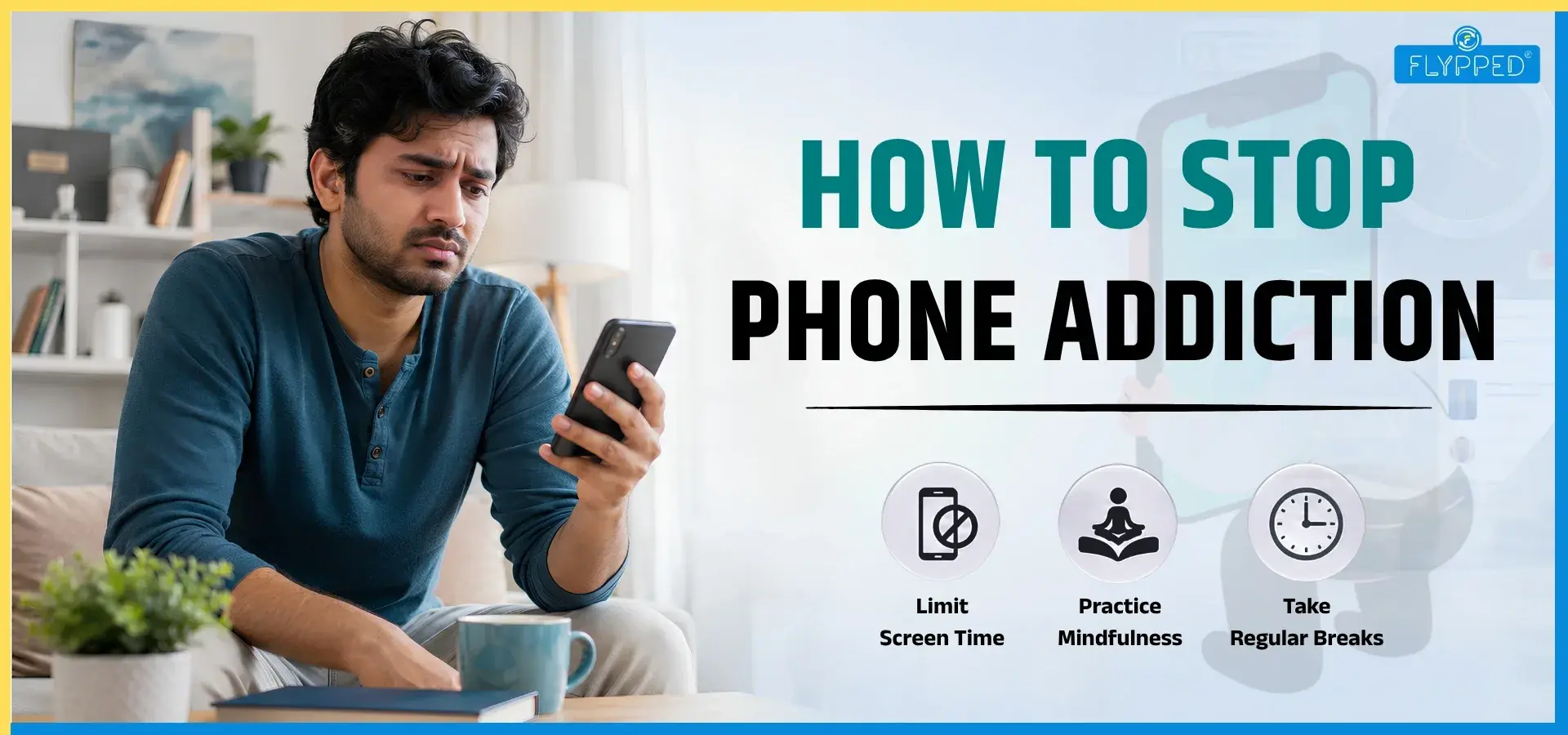
You pick it up to check one notification. Twenty-two minutes later, you're three reels deep into content you didn't choose and can't quite remember. If that sounds familiar, you're not lacking willpower, you're up against products engineered by teams of behavioral scientists and designers whose job is to keep you scrolling. Learning how to stop phone addiction isn't about self-blame. It's about understanding the mechanics behind the pull and putting deliberate friction back into your day.
This blog breaks down why phones hook us, the real effects of too much screen time and a practical, research-informed plan including apps to reduce screen time, healthy phone habits and digital detox tips that you can start using today.
NOTE: Discover fashion trends, beauty tips, wellness advice, lifestyle guides, and latest updates.
What Phone Addiction Actually Is?
"Phone addiction" isn't yet a formal clinical diagnosis in the way substance use disorders are but researchers and clinicians widely recognize problematic smartphone use as a behavioral pattern that mirrors addiction: compulsive checking, loss of control and continued use despite negative consequences. It shares neurological ground with other behavioral addictions, each notification or new piece of content triggers a small dopamine release and the brain learns to crave that unpredictable reward much like a slot machine.
Causes of Phone Addiction
Understanding the causes of phone addiction makes it easier to interrupt the cycle:
- Variable Reward Schedules: Apps deliver rewards (likes, messages, new content) unpredictably, which is the same mechanism that makes gambling compelling.
- Infinite Scroll and Autoplay: Removing natural stopping cues keeps you consuming longer than intended.
- Social Validation Loops: Likes, comments and shares tap into a basic human need for belonging and approval.
- FOMO (Fear of Missing Out): Constant connectivity creates anxiety about missing messages, news or social moments.
- Boredom and Emotional Avoidance: Phones offer instant escape from discomfort, stress or difficult emotions, which reinforces reflexive reaching.
- Habit-Stacking with Daily Routines: Checking your phone becomes fused with waking up, eating or waiting in line until its automatic rather than intentional.
Signs and Symptoms of Phone Addiction
Recognizing the signs of addiction to phone use early can prevent it from affecting your relationships, sleep, and mental health. Common symptoms of phone addiction include:
- Reaching for your phone within minutes of waking up
- Feeling anxious, irritable or "phantom vibrations" when separated from your phone
- Losing track of time while scrolling (sometimes called "time collapse")
- Using your phone during conversations, meals or while driving
- Repeatedly trying to cut back and failing
- Checking your phone as the first and last thing you do each day
- Neglecting work, sleep, exercise or in-person relationships in favor of screen time
- Using your phone to escape stress, sadness or boredom rather than dealing with the underlying feeling
If several of these feel familiar, it doesn't mean something is fundamentally wrong with you rather it means the design of these products is working as intended, and it's time to redesign your own environment to counter it.
The Real Effects of Too Much Screen Time
The effects of too much screen time extend well beyond "wasted time." Research over the past decade points to several consistent patterns:
- Sleep Disruption: Blue light exposure suppresses melatonin production and mentally stimulating content before bed delays sleep onset. This is a major reason experts emphasize how to reduce phone use at night as a health issue, not just a productivity one.
- Reduced Attention Span: Frequent task-switching between apps and notifications trains the brain toward shorter bursts of focus, making sustained concentration on single tasks harder.
- Elevated Stress and Anxiety: Constant connectivity keeps the nervous system in a low-grade alert state, and heavy social media use in particular has been associated with higher rates of anxiety and depressive symptoms, especially among teens and young adults.
- Physical Strain: "Text neck," eye strain and reduced physical activity are well-documented consequences of prolonged screen use.
- Weakened Real-World Relationships: Phone use during face-to-face interactions sometimes called "phubbing" (phone snubbing) has been linked to lower relationship satisfaction.
- Reduced Productivity: Each notification-driven interruption costs time not just for the interruption itself but for the mental refocusing needed afterward.
The Benefits of Reducing Screen Time
The benefits of reducing screen time show up quickly once you start often within a week or two. People who successfully cut back commonly report:
- Better sleep quality and easier time falling asleep
- Improved mood and lower baseline anxiety
- Longer attention spans and better focus at work or school
- More meaningful in-person conversations and relationships
- More time for hobbies, exercise, and rest
- A greater sense of control over their own time and attention
How to Stop Phone Addiction: A Practical, Step-by-Step Plan
1. Audit Your Actual Usage
Before changing anything, look at your real numbers using your phone's built-in tools (Screen Time on iOS, Digital Wellbeing on Android). Most people underestimate their usage by 30–50%. Seeing the actual hours and the specific apps consuming them is often the wake-up call needed to act.
2. Turn Off Non-Essential Notifications
Notifications are the single biggest driver of reflexive checking. Keep alerts for calls, messages from real people, and calendar events. Turn off badges and banners for social media, games, news, and shopping apps entirely.
3. Use Apps to Reduce Screen Time
Ironically, some of the best tools for this problem are apps themselves. Popular apps to reduce screen time include:
- Screen Time / Digital Wellbeing (built into iOS and Android) set daily app limits and downtime schedules
- Forest grows a virtual tree that dies if you leave the app, gamifying focus
- One Sec inserts a mindful pause before opening distracting apps
- Opal or Freedom block specific apps or the entire internet for set periods
- StayFree or RescueTime provide detailed usage analytics and weekly trends
These work best paired with intention, not as a substitute for it, an app can add friction but you still decide what to do with the extra seconds it buys you.
4. Redesign Your Physical Environment
- Charge your phone outside the bedroom, especially if you struggle with how to stop using your phone in bed.
- Keep your phone in another room while working or during family time.
- Switch your screen to grayscale removing color makes apps noticeably less stimulating.
- Delete or hide the apps you check most compulsively; log in only via a browser when truly needed.
5. Replace, Don't Just Remove
Willpower alone rarely sustains a habit change. Figure out how to spend less time on your phone by replacing the behavior with something that meets the same underlying need like boredom relief, social connection or stress relief through a book, a short walk, a phone call or a hobby that keeps your hands and mind occupied.
6. Set Phone-Free Zones and Times
Designate specific times and places as phone-free: meals, the first and last 30 minutes of your day and time with family or friends. This builds structure without requiring constant willpower for every decision.
7. How to Reduce Phone Use at Night
- Set an automatic "bedtime mode" that grays out the screen and silences notifications after a set hour.
- Use a separate alarm clock so you don't need your phone in the bedroom at all.
- Stop scrolling at least 30-60 minutes before sleep; read a physical book instead.
- If you must use your phone at night, enable night mode and lower brightness to reduce blue light exposure.
8. Try a Structured Digital Detox
Among the most effective digital detox tips is scheduling a defined break rather than an open-ended "I'll use my phone less." Options include:
- A full day without non-essential apps once a week
- Deleting one or two of your most-used apps for a week and reinstalling only if you genuinely miss the core function
- A weekend trip with your phone left in airplane mode except for emergencies
Healthy Phone Habits to Maintain Long-Term
- Check email and social media at set times rather than continuously
- Keep your phone out of arm's reach during focused work
- Use "Do Not Disturb" as a default, not an exception
- Review your screen time weekly and adjust limits as needed
- Practice noticing the urge to check your phone without automatically acting on it, a few seconds of pause is often enough to break the reflex
Disclaimer: This article is for general informational purposes and is not a substitute for professional medical or mental health advice. If phone use is significantly affecting your daily functioning, mood, or relationships, consider speaking with a licensed therapist or counselor.
Read More:
Frequently Asked Questions
Find answers to common questions about this topic
Common symptoms include compulsively checking your phone, anxiety when separated from it, losing track of time while scrolling, using screens to avoid negative emotions, sleep disruption from late-night use and repeated failed attempts to cut back despite wanting to.
Very few people need to eliminate phone use entirely, the more realistic goal is a healthier relationship with it. If you want to try going without one for a period, start with short trial windows (a day, then a weekend), inform close contacts in advance, keep a basic phone or landline for emergencies and rely on offline alternatives like a paper planner, alarm clock and physical maps.
There's no single official hour threshold that defines addiction, because it depends on impact, not just duration. That said, researchers often flag recreational screen use above roughly 4-7 hours a day as a marker worth attention, especially when it displaces sleep, work or relationships. The better indicator is whether use feels compulsive and causes real-life problems, not the raw number of hours.
A short break can meaningfully lower stress, improve sleep for those few nights and reduce the urge to check compulsively and many people report noticeably clearer focus afterward. However, three days is not enough to permanently rewire deep habitual patterns built over months or years lasting change requires sustained new habits after the detox, not the detox alone.
Start by tracking current usage, then remove or mute the most tempting apps, turn off non-essential notifications, set specific phone-free times and zones (meals, bedroom, first hour of the day), replace scrolling with an alternative activity, and use a screen-time app to enforce limits. Treat it as a gradual habit shift rather than a one-time event for the results to stick.