How to Stop Comparing Your Life to Social Media
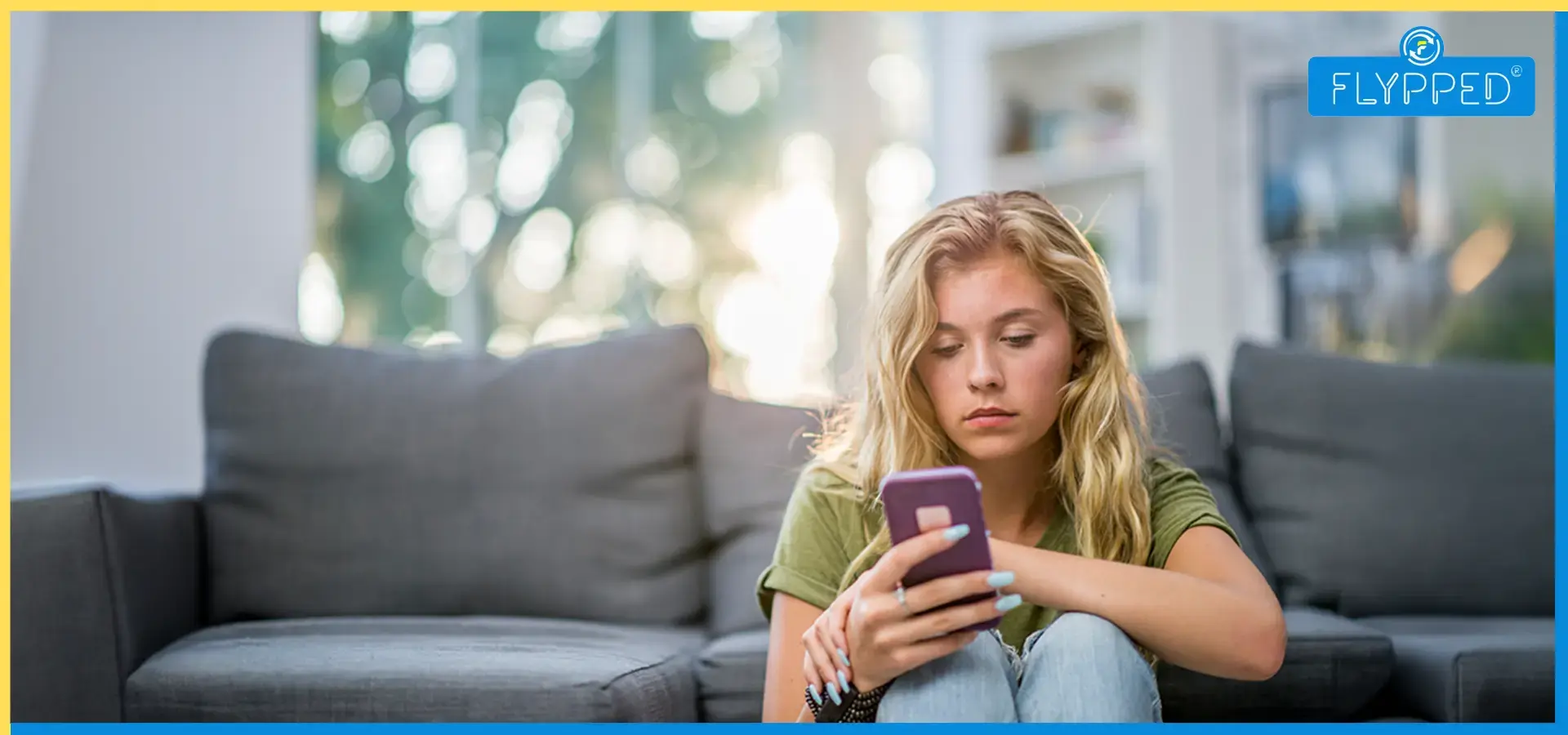
We’ve all been there. You’re having a perfectly fine Tuesday, maybe you’re wearing your favourite worn-out sweater and eating a sandwich that’s “good enough.” Then, you open your phone.
Suddenly, you’re scrolling through photos of a college friend on a white-sand beach in Bali, a coworker’s perfectly minimalist kitchen renovation, and a stranger who somehow looks like a fitness model three weeks after having a baby. In less than sixty seconds, your sandwich feels sad, your sweater feels frumpy, and your life feels… empty.
This is the social media comparison trap, and in the digital age, it’s become a constant background noise in our lives. You just can't stop comparing your life to social media.
Mindful Use Of Social Media
The first step in building a healthy relationship with social media is acknowledging one simple truth: you are comparing your "behind-the-scenes" footage with everyone else’s "highlight reel."
No one posts the argument they had with their spouse before the sunset photo. No one shares the three hours of crying that preceded the "vulnerable" post about personal growth.
Comparing life on social media is like walking into a movie theatre halfway through a film and assuming the actors live in those costumes 24/7. It’s an unfair fight. When we measure our messy, beautiful, complicated reality against a curated, filtered, and edited 1:1 square, our self-worth and social media habits become dangerously intertwined.
Social Media’s impact on mental health
Biologically, humans are wired for social comparison. It’s how our ancestors determined their standing within a tribe to ensure survival. But our brains haven't evolved as fast as our fibre-optic cables. This is why mindful social media use should be our priority.
In the past, you might have compared your harvest to your neighbour’s. Now, you’re comparing your life to the top 0.1% of the world’s most beautiful, wealthy, and lucky individuals.
The link between social media and mental health is well-documented; when we constantly perceive ourselves as "less than," our brains trigger a stress response. We begin to feel an urgency to "catch up" to a standard that doesn't actually exist.
How to stop comparing yourself
If you’re tired of feeling like your life isn't enough, the stress caused by social media is catching up to you. Here are tips to avoid social media comparison:
1. Curate Your Feed Like a Gallery
Your feed is your digital environment. If you walked into a room every day where people made you feel small or inadequate, you’d eventually stop going into that room. Social media and Mental health, so don't shy away from doing what feels good to you. Unfollow people and pages that do not align with your ideas and ethics, follow what adds value to your life.
2. Practice "Digital Minimalism"
We often scroll because we’re bored, lonely, or anxious. This mindless consumption is where the comparison trap thrives. Try setting "phone-free zones" or times. Maybe the first hour of your day belongs to your thoughts, not the internet’s. By creating space between yourself and the screen, you remind yourself that the physical world, the one you can touch, smell, and see, is the one that actually matters.
3. Shift from Comparison to Connection
The original intent of social media was to connect us. Somewhere along the way, it became a tool for broadcasting. To foster a healthy relationship with social media, try using it actively rather than passively. Instead of silently scrolling and judging yourself, send a direct message to a friend to tell them you’re thinking of them. Comment something genuinely kind on a post. When you use the tools to build relationships rather than monitor status, the focus shifts from "How do I look?" to "How can I connect?"
Self-Worth And Social Media
Your self-worth and social media presence are not the same thing. You are a complex human being with a story that can’t be captured in a caption. You have bad hair days, brilliant ideas, embarrassing moments, and quiet triumphs that will never see a "Like" button, and that’s exactly what makes them yours.
Breaking the habit of comparing life on social media won't happen overnight. It’s a muscle you have to train. But the more you lean into your own reality, the less the digital world can shake your foundation.
The world doesn't need another filtered version of you. It needs the real thing.
For Hindi Reader, Please Click for aaj ki khabar
Explore Trending Lifestyle Stories at Flypped
- The Silent Revolution: The Ultra Rich and Quiet Luxury
- What Are The Major Benefits Of Meditation For Students?
- Minimalistic Living: The Path to Intentional Home Organisation
For more news updates, follow the Flypped Side of English News