Understanding Drunk Driving Laws in India for Adults and Minors
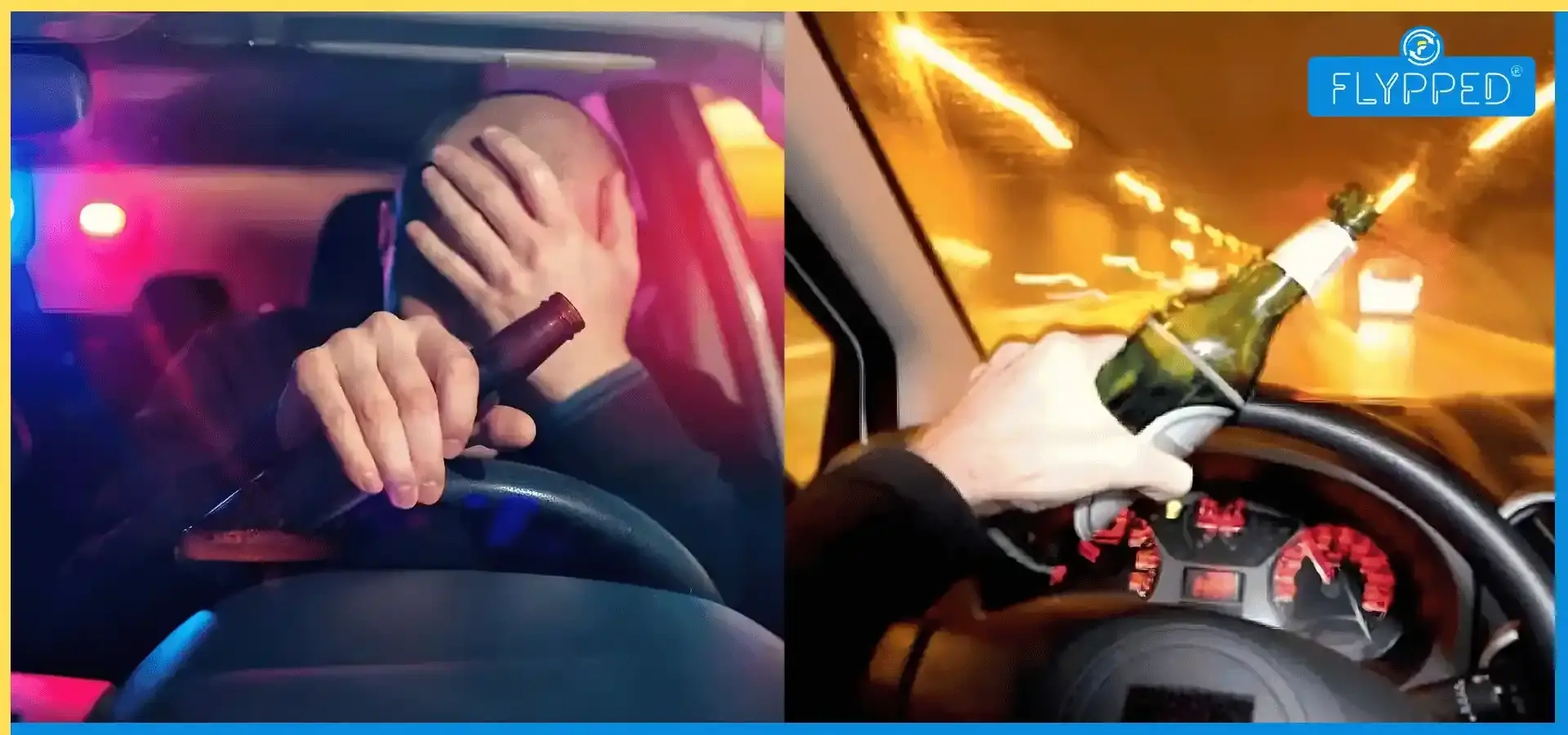
Road safety in India has long been a subject of national concern, and at the heart of this issue lies one of the most preventable causes of an accident- drunk driving. Whether it’s a celebratory toast or a one for the road after a long day, being a social drinker to a felon can happen in a matter of minutes.
In India, the legal framework surrounding Driving Under the Influence has been increasingly stringent. With the implementation of the Motor Vehicles (Amendment) Act, the government sent a clear message. The safety of the collective outweighs the convenience of an irresponsible individual.
Understanding these laws is not just about avoiding a ticket; it's about recognising the thin line between a responsible night-out and a life-altering mistake.
What is Drunk Driving?
Drunk driving, also known as driving under the influence (DUI), refers to operating a vehicle after consuming alcohol beyond the legal limit. In India, this limit is measured in Blood Alcohol Content (BAC).
Legal BAC Limits in India
The legal BAC limits in India are as follows:
- Adults: The permissible BAC limit for adults is 0.03% (30 mg of alcohol per 100 ml of blood).
- Minors: For individuals below 18 years, any detectable level of alcohol in the blood is illegal since the legal drinking age varies between 18 and 25 across different states in India.
.webp)
Defining the Limit: The Science of Sobriety
In India, to be labelled drunk is defined by your Blood Alcohol Content (BAC). The limit is set at 0.03%, which translates to 30 mg of alcohol per 100 ml of blood.
It is a common misconception that one or two drinks are safe. In reality, BAC is influenced by weight, metabolism, gender, and even whether you have eaten before. For many, a single pint of strong beer can push them over 0.03% threshold.
For minors (those under 18), the law is even simpler: zero tolerance. Any detectable amount of alcohol in a minor's system while operating a vehicle is a direct violation of the law.
The Legal Hammer: Penalties for Adults
If you are caught driving with a BAC above the legal limit, the consequences are immediate and severe. The Indian legal system categorises these offences to discourage repeat behaviour:
1. The First Offence
There is no longer a scope of a sly warning or spot challan that would settle the matter. Under the amended laws, a first-time offender can face:
- A Challan of ₹10,000: A hike from previous years is indeed to hit where it hurts, your wallet.
- Imprisonment: You could face up to 6 months in jail.
- License Suspension: The Regional Transport Office (RTO) has the authority to suspend your driving privileges for a minimum of three months.
2. Subsequent Offences
If you have already been registered as a first-time offender but still get caught up again within a three-year window, the law views you as a habitual offender, raising your punishment accordingly.
- A Challan of ₹15,000: The financial penalty increases
- Imprisonment: Imprisonment can extend up to 2 years.
- License Suspension: Repeat offenders risk the permanent revocation of their driving license.
Minors and the Juvenile Justice System
When a minor is caught behind the wheel after consuming alcohol, the crime is no longer just DUI. A minor should not have been driving in the first place, and even if they have just turned 18, have a driving license, they should not be drinking, as they are still below the drinking age limit of 18 to 25 ( Delhi, Punjab, Haryana have set the age limit to 25, whereas Goa, Himachal Pradesh allow drinking from 18 to 21)
The offence will now involve a complex legal battle involving the Juvenile Justice Act.
For a minor’s first offence, the fine remains steep (up to ₹10,000), but implications for the future are strict. A DUI record as a juvenile can lead to appearances in Juvenile Court and may be flagged during future background checks for government jobs and visa applications.
A minor can also be barred from obtaining a permanent driving license until they reach the age of 25.
The Enforcement Process: What Happens at a Checkpoint?
Traffic police in major Indian metro cities like Delhi, Mumbai, and Bengaluru have set up “Drink and Drive” checks, especially on weekends and holidays.
- The Breathalyser Test: This is the most common tool. You are asked to blow into the device, and a digital reading is considered primary evidence.
- The Lab Test: If a driver is too intoxicated to provide a breath sample or contests the breathalyser’s accuracy, the police have the right to take them to the nearest government hospital for a blood test.
- Vehicle Impoundment: In most DUI cases, the police will seize your vehicle on the spot. You cannot drive it home; a sober friend or family member must claim it, or it remains in police custody.
Knowing Your Rights
While the law is strict, corruption can occur, so one should know their rights. You can never be asked to pay a discrete amount, and challans should only be given if lawful. If you are stopped:
- Ask for ID: You have the right to see the officer's identification.
- Request a Fresh Nozzle: To ensure hygiene and accuracy, you can request a new, sealed plastic nozzle for the breathalyser.
- The Right to a Receipt: If a fine is collected or documents are seized, the officer must provide an official receipt or a "challan."
Conclusion
Understanding and adhering to drunk driving laws in India is essential for your safety and the safety of others on the road. Whether you’re an adult or a minor, the consequences of drunk driving are severe and can have long-lasting impacts on your life.
By staying informed and making responsible choices, you can help create safer roads for everyone.
For More Information on Road Safety and Legal Advice, Visit Flypped
- Amitabh Bachchan adds luxurious BMW i7 electric sedan worth over Rs 2 crore to his collection
- Port Blair is now Sri Vijaya Puram with Amit Shah focusing on erasing colonial slavery's historical symbols
- Port Blair is now Sri Vijaya Puram with Amit Shah focusing on erasing colonial slavery's historical symbols
- PM Narendra Modi to flag off three Vande Bharat Express trains today