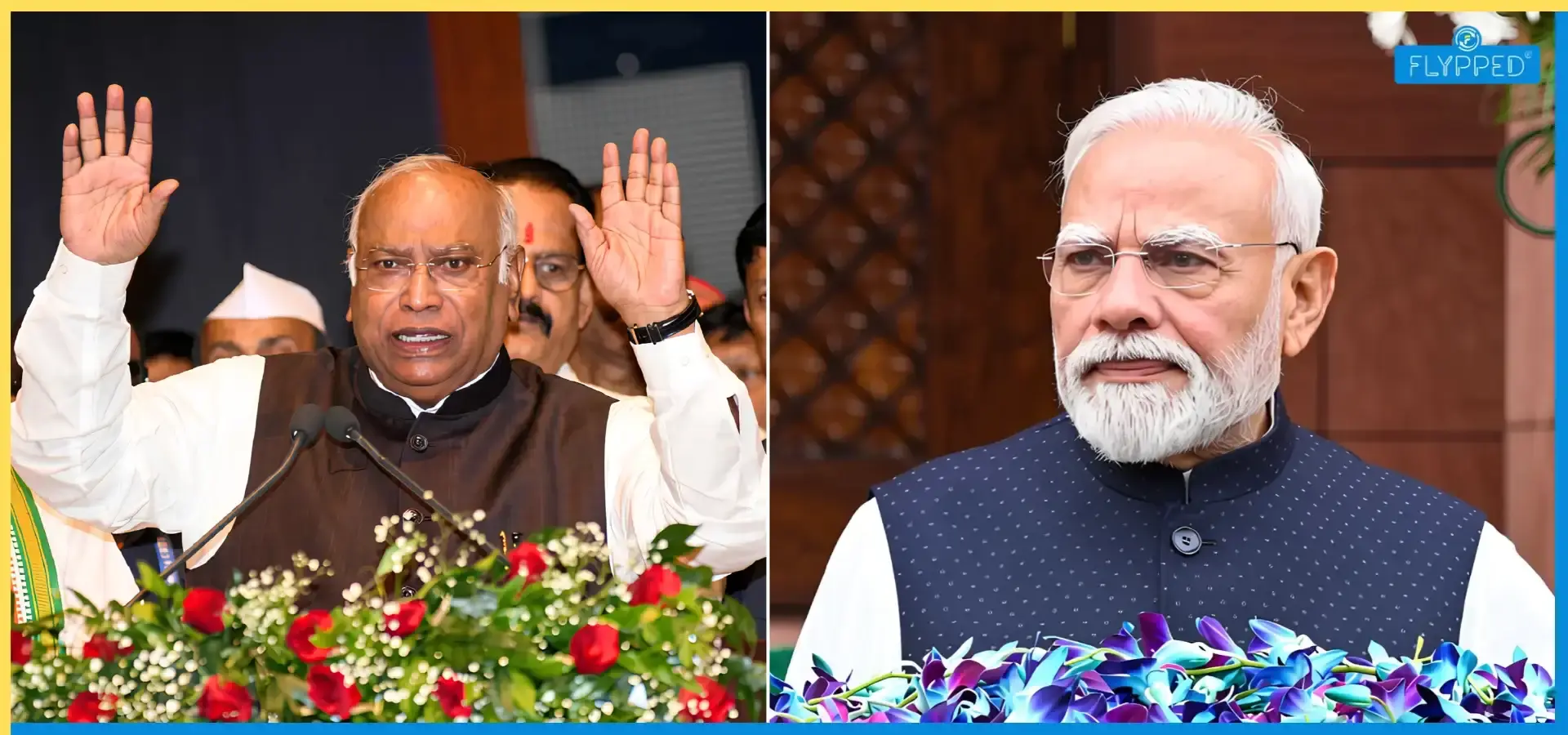
6 By-Elections in India 2026: West Bengal and Tamil Nadu Go to Polls as Key Battles Begin
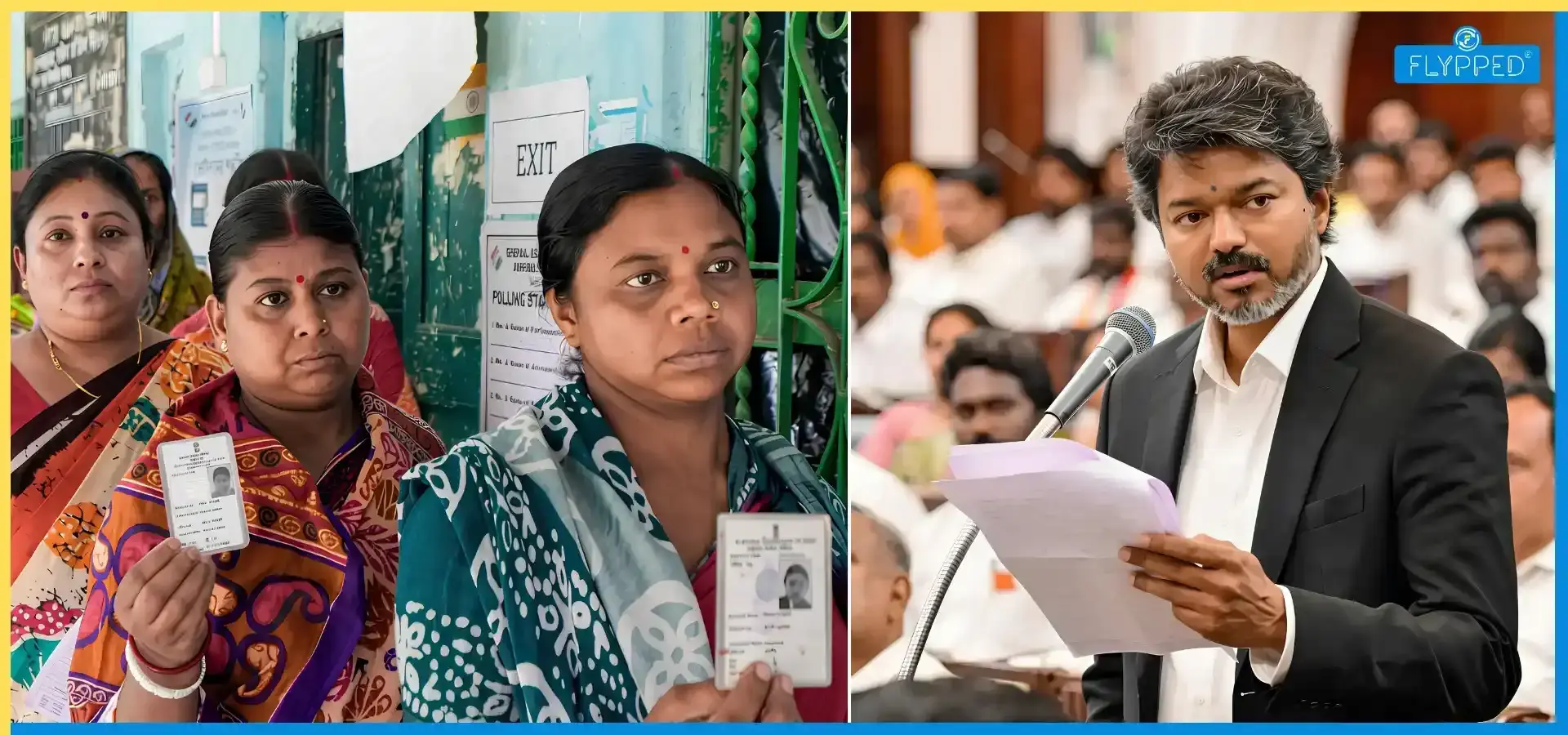
The upcoming 6 By-Elections in India 2026, scheduled for October 6, are set to alter the political landscape across key constituencies in Tamil Nadu, West Bengal, and Puducherry.
These elections will significantly affect representation in these regions and may shape political dynamics ahead of the general elections.
In Tamil Nadu, voters will select representatives for critical seats in Madurantakam and Dharapuram.
The ruling party, Tamilaga Vettri Kazhagam (TVK), will face a significant test of its popularity.
Candidates from both the TVK and the AIADMK are expected to compete vigorously, mirroring the changing allegiances among voters.
In West Bengal, the political atmosphere is similarly charged as by-elections approach.
The outcomes will influence local governance and may also affect future political strategies, particularly as parties prepare for the general elections.
NOTE: Stay informed with the latest breaking news, current affairs, top headlines, and latest updates from across the globe.
As the election date nears, the Tripura state election commission and local political parties are preparing for what could be a key event in the political calendar.
6 By-Elections in India 2026 | Overview of the Upcoming By-Elections
Key Constituencies Involved
The 6 By-Elections in India 2026 will focus on several key constituencies across different states.
In Tamil Nadu, voters will head to the polls for two critical seats: Madurantakam and Dharapuram.
These constituencies have recently experienced shifts in political alliances, with the ruling Tamilaga Vettri Kazhagam (TVK) aiming to strengthen its position against a formidable AIADMK presence.
In Puducherry, attention will center on the Thattanchavady constituency following the resignation of the former Member of the Legislative Assembly (MLA).
Changes in political affiliations in this area will be closely monitored.
Specific constituencies in West Bengal are yet to be determined, but anticipation is already building.
The political landscape in this state remains fluid, with various parties vying for influence as they prepare for the upcoming general elections.
Timing and Significance
Voting for these by-elections is set for October 6, 2026, with the counting of votes scheduled for October 9, 2026.
This timing is significant as it coincides with a broader political narrative across India.
The elections will serve as a litmus test for ruling parties in their respective states, providing insights into voter sentiment and party performance ahead of the general elections.
These by-elections aren't merely about filling vacant seats. They reflect the political dynamics of the regions involved.
As parties strategize for the future, the outcomes are likely to influence tactics and alliances moving forward.
Voters in Tamil Nadu, Puducherry, and West Bengal will express their preferences, making these elections critical in shaping local governance and political dynamics.
The 6 By-Elections in India 2026 are set to be a significant event in the political landscape, with key constituencies involved and important implications for the ruling parties.
The Stakes in Tamil Nadu | Political Dynamics
In the context of the 6 By-Elections in India 2026, Tamil Nadu faces a crucial moment as the ruling Tamilaga Vettri Kazhagam (TVK) encounters its first significant electoral challenge.
The political atmosphere is intensifying, with the AIADMK and other opposition parties preparing for a vigorous contest.
This election transcends mere seat allocation. It serves as a barometer of voter sentiment influenced by pressing local issues that could significantly affect turnout.
Voter sentiment in Tamil Nadu is shaped by various factors, including economic conditions and ongoing development projects.
Recent shifts in political alliances, particularly following the resignations of former AIADMK MLAs, have raised questions about constituents' loyalties.
As voters head to the polls, they will evaluate the TVK's promises against the AIADMK's historical presence in the state.
Expected Competition
The competition is anticipated to be fierce. K Maragatham Kumaravel and P Sathyabama will represent the TVK in Madurantakam and Dharapuram, respectively.
Both candidates must address the electorate's concerns effectively. The AIADMK, traditionally strong in these areas, is unlikely to yield its influence without a fight.
The recent resignations within the party have created a complex landscape, potentially shifting voter allegiance.
Key issues likely to influence voters' decisions include:
- Economic policies
- Local development projects
- Health and education reforms
- Party alliances and splits
As the date of the by-elections nears, the political dynamics in Tamil Nadu will continue to shift, raising the stakes for all parties involved.
The results won't only determine local governance but also offer insights into the broader political landscape as the nation prepares for general elections.
West Bengal's By-Election Landscape | Current Political Climate
The West Bengal by-election 2026 is generating significant attention due to recent political developments in the state.
Key issues include concerns over local governance, infrastructure, and the implications of party alliances.
The electorate's mood is heavily influenced by the performance of the ruling Trinamool Congress (TMC) and the opposition's ability to address any discontent.
Voter demographics in Nandigram and surrounding constituencies reveal a diverse electorate focused on issues such as land rights and agricultural policies.
Understanding these dynamics is crucial, as they will likely dictate voting behavior on election day.
Major Parties Competing
Three major political parties are competing in the West Bengal by-elections:
- Trinamool Congress (TMC)
As the ruling party, the TMC seeks to maintain its stronghold in key constituencies. Their focus is on development and welfare policies, which they believe will resonate with voters.
- Bhartiya Janata Party (BJP)
The Bharatiya Janata Party is actively working to establish a presence in West Bengal. Their strategy involves highlighting local grievances and promising rapid development if elected.
- Left Front
Although less dominant than in previous years, the Left Front is attempting to regain relevance by appealing to traditional supporters and emphasizing social justice issues.
Comparison Table of Constituencies
| Constituency | Party in Power | Last Election Result | Key Issues |
|---|---|---|---|
| Madurantakam | TVK | AIADMK won | Local infrastructure |
| Dharapuram | TVK | AIADMK won | Social welfare programs |
| Thattanchavady | TBD | TBD | Development and education |
| Nandigram | TBD | TBD | Land rights and agriculture |
The political landscape in West Bengal is on the brink of transformation, particularly with the 6 By-Elections in India 2026 approaching.
Each party's ability to connect with the electorate on pressing issues will be critical in determining the outcome of these elections.
As the date draws nearer, attention will focus on how these dynamics evolve.
Implications of the By-Elections | Potential Outcomes
The 6 By-Elections in India 2026 are set to have a substantial impact on both state and national politics. At the state assembly level, these elections could significantly alter power dynamics.
For instance, a strong performance by the ruling Tamilaga Vettri Kazhagam (TVK) in Tamil Nadu may solidify its authority and enable further governance initiatives.
Conversely, if the opposition, particularly the AIADMK, succeeds in reclaiming seats, it could indicate a resurgence that poses a challenge to the TVK's stability.
On a national scale, the results of these by-elections will be essential in shaping the political landscape leading up to the general elections.
Analysts are observing how voter behavior in these constituencies may reflect broader electoral trends.
The outcomes could influence party strategies and coalition formations as parties prepare for the pivotal 2026 general elections.
Expert Opinion
"By-elections often serve as a precursor to larger electoral trends. Observing voter behavior can provide insights into the political climate ahead of general elections." — Political Analyst
The 6 By-Elections in India 2026 are more than a series of local contests; they provide a vital opportunity for parties to measure public sentiment.
With vote counting set for October 9, the immediate aftermath will likely shape political strategies in the lead-up to the general elections.
In competitive states like West Bengal, the results could redefine party loyalties and influence future governance.
As these elections progress, attention will focus on the Tripura state election commission and its management of the electoral process, particularly regarding transparency and fairness.
With the West Bengal election today and Tamil Nadu election today, the implications of voter turnout and choices will resonate well beyond individual constituencies.
6 By-Elections Underway Across India, Results on October 9
The 6 By-Elections in India 2026 are set to take place on October 6, with results anticipated on October 9.
These elections are expected to influence local governance and have broader implications for national politics.
Voter participation will be pivotal, as every vote is crucial in shaping the future of these constituencies.
The Election Commission has emphasized the importance of these elections, allowing voters time to consider critical issues ranging from economic policies to local governance.
Nandigram By-Election 2026: Tamil Nadu, Bengal Polls Set to Shape Political Battle
The outcomes of the by-elections are particularly significant in states such as Tamil Nadu and West Bengal, where political sentiments run high.
Local issues, party alliances, and candidate performance are expected to impact voter turnout and choices.
Residents in these constituencies are encouraged to participate actively in the electoral process.
As political parties intensify their campaigns, understanding the implications of these by-elections will enable voters to make informed decisions.
The results could indicate shifts in party dynamics and influence the landscape for the forthcoming general elections.
As the countdown to October 6 continues, anticipation grows.
The Nandigram by election date 2026 and the broader significance of these contests are expected to shape the political narrative in India in the coming months.
Read More:
- Gyanesh Kumar Contempt Plea: What Do Supreme Court Judgments Say About the CEC?
- CJP Demands Gyanesh Kumar Resignation: SIR Controversy, 48-Hour Ultimatum
- Greater Noida Bus Fire: 9 Killed, Passengers Jump from Moving Bus to Escape
- PM Modi US Visit for G20 Summit: What to Expect from Trump and QUAD Talks
- Sahil Wakode CCTV Footage: IIT Bombay Student Asked to Leave Exam Hall
- Delhi Gangrape Near Kalkaji Temple: Minor Girl Allegedly Raped by 3 Men Posing as Cops