Gyanesh Kumar Contempt Plea: What Do Supreme Court Judgments Say About the CEC?
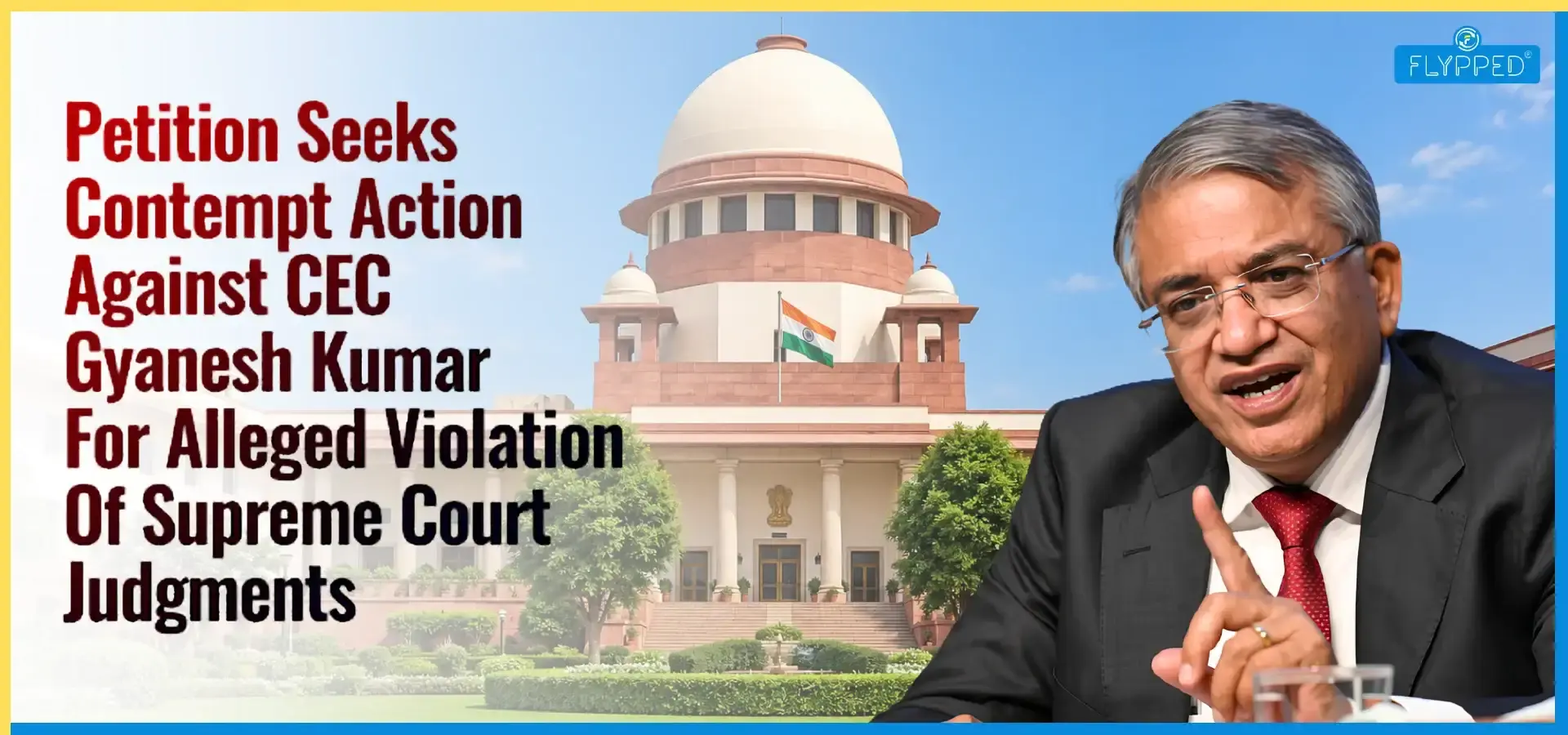
Gyanesh Kumar CEC: Chief Election Commissioner Gyanesh Kumar is currently at the center of a contempt plea that raises critical questions about how the Election Commission of India operates.
This situation has emerged from allegations that he has sidestepped other Election Commissioners when making decisions, potentially disregarding directives from the Supreme Court.
Critics argue that such behavior undermines the integrity of the commission, which is meant to function as a collaborative body.
The plea has been filed by a lawyer who is seeking the Attorney General's approval to move forward with criminal contempt actions against Kumar.
NOTE: Stay informed with the latest breaking news, current affairs, top headlines, and latest updates from across the globe.
What is Gyanesh Kumar Controversy?
This legal challenge hinges on claims that his independent decisions violate the Contempt of Courts Act 1971, which is established to maintain the authority of the judiciary.
As this case develops, it has captured significant attention from both legal experts and the general public, sparking discussions about its implications for electoral governance in India.
The unfolding events surrounding the Gyanesh Kumar Contempt Plea are being watched closely, as they could have long-term consequences for the credibility and operational structure of the Election Commission.
Background of the Contempt Plea | The Allegations Against Gyanesh Kumar
Gyanesh Kumar faces serious allegations that he has taken unilateral actions, sidelining his fellow Election Commissioners.
Critics argue this approach undermines the core principles of the Election Commission of India, which is meant to function as a collective body.
Concerns have arisen about the adherence to directives from the Supreme Court, particularly those emphasizing the need to maintain the commission's independence.
The Supreme Court has repeatedly affirmed that the Election Commission should operate as a multi-member entity to ensure transparency and accountability in its decision-making processes.
These allegations have ignited debates about the potential effects on India's electoral governance.
Critics contend that bypassing fellow commissioners not only breaches internal guidelines but might also violate the Contempt of Courts Act 1971, a law designed to uphold the judiciary's authority.
As the situation unfolds, it will be interesting to see how the legal proceedings progress and what impact they may have on the integrity of the electoral process in the country.
Gyanesh Kumar News | Key Players in the Contempt Plea
At the heart of this controversy is Chief Election Commissioner Gyanesh Kumar, whose role involves overseeing India's electoral process, making these allegations particularly sensitive.
The plea also includes significant figures like the Attorney General, who must approve any criminal contempt actions before they can proceed.
This requirement highlights the gravity of the allegations and the legal framework that surrounds them.
Other Election Commissioners are also vital to this case. Their insights and experiences are essential as they navigate the complexities of the situation.
As the developments continue, the involvement of these key players will likely shape both the legal proceedings and the public's perception of the Election Commission's integrity.
Legal Framework Surrounding the Case | What Is the Contempt of Courts Act 1971?
The Contempt of Courts Act 1971 is an essential law in India that aims to protect the authority and dignity of the judiciary.
It defines contempt as any action that shows disrespect or disobeys the court's orders, which can hinder its effectiveness.
This legislation plays a vital role in ensuring that individuals and institutions follow court directives, helping to maintain the rule of law.
In relation to the Gyanesh Kumar Contempt Plea, there are allegations that Chief Election Commissioner Gyanesh Kumar's actions may amount to contempt.
By reportedly bypassing other Election Commissioners in decision-making, he may be perceived as ignoring established judicial principles.
The consequences of this situation could be significant, raising questions about the integrity of the Election Commission of India and its commitment to the Supreme Court's rulings.
Historical Precedents of Contempt Cases in India
India's legal landscape includes several notable contempt cases that underline the judiciary's determination to uphold its authority.
One prominent case involved a well-known politician who faced contempt charges for making statements that challenged the court's authority.
In another instance, a media organization was held in contempt for publishing content that violated a court order.
These examples serve as powerful reminders of the judiciary's ability to enforce its decisions.
When comparing these historical cases to the situation with Gyanesh Kumar, there are clear parallels regarding the potential fallout from defying court orders.
Just as past cases emphasized the necessity of respecting judicial authority, the current plea highlights the importance of maintaining integrity within the Election Commission.
The outcome of this case could have far-reaching effects, not only for Kumar but also in shaping how similar situations are approached in the future, reinforcing the importance of compliance with the Contempt of Courts Act 1971.
Implications of the Contempt Plea | Potential Outcomes and Reactions
The Gyanesh Kumar Contempt Plea is set to result in a range of legal outcomes, largely hinging on how the Supreme Court interprets the allegations.
Should the court find substance in the claims against Chief Election Commissioner Gyanesh Kumar, he could face significant consequences, which might include penalties or limitations on his authority.
Legal experts believe that a ruling like this could strengthen the principles of collective decision-making within the Election Commission of India, highlighting that unilateral actions won't be accepted.
Public reaction has been fervent, with many raising alarms about the integrity of the Election Commission.
Observers are noting that the outcome of this plea could set a critical precedent for how similar cases are managed in the future.
It brings to light issues of accountability within electoral bodies and underscores the necessity of adhering to established judicial orders.
The public's confidence in the Election Commission rests on its ability to function transparently and cooperatively.
The Role of the Supreme Court
The involvement of the Supreme Court is crucial in determining the outcome of the Gyanesh Kumar Contempt Plea.
Traditionally, the court has emphasized the significance of a multi-member commission in its rulings concerning the Election Commission of India.
Previous decisions underscore the necessity for collective governance, reinforcing that all commissioners must be engaged in significant decisions.
Insights from past cases suggest that the Supreme Court may adopt a strong stance against any actions that could undermine its authority.
A ruling that supports the allegations could bolster the legal framework established by the Contempt of Courts Act 1971, ensuring that such violations are dealt with seriously.
The court's approach will likely shape public perception and influence the future operations of the Election Commission, making its role in this case essential for maintaining electoral integrity in India.
Related Quote
"Justice delayed is justice denied." - William E. Gladstone
This quote strikes a chord when considering the Gyanesh Kumar Contempt Plea. When legal proceedings are drawn out or improperly handled, the core idea of justice can be at risk.
The allegations against Chief Election Commissioner Gyanesh Kumar carry significant weight for electoral governance in India.
As the legal scenario develops, the demand for timely justice grows stronger. Kumar’s actions, reportedly bypassing other commissioners, not only challenge the integrity of the Election Commission but also raise concerns about following judicial orders.
Should the Supreme Court find the claims valid, it may act promptly to reinforce the value of collective decision-making within the commission. Why does this matter?
It’s crucial to address these allegations without delay. Prolonged resolution of the Gyanesh Kumar Contempt Plea could create a troubling precedent, likely shaking public confidence in the electoral process.
Citizens deserve transparency and accountability, particularly from the institutions that uphold democracy.
Justice, as Gladstone noted, isn’t just about the final verdicts but also about how quickly and effectively those verdicts are reached.
The forthcoming legal decisions in this case will not only impact Kumar but will also resonate throughout the Election Commission of India, highlighting the importance of swift and just resolutions.
Comparison of Similar Contempt Cases
Understanding past contempt cases can shed light on the Gyanesh Kumar Contempt Plea. Here’s a look at some notable instances that provide context for the current situation involving Chief Election Commissioner Gyanesh Kumar.
| Case Name | Year | Outcome | Key Issues |
|---|---|---|---|
| Case A | 2018 | Dismissed | Misinterpretation of court orders |
| Case B | 2020 | Sanction imposed | Breach of judicial independence |
| Gyanesh Kumar Contempt Plea | 2026 | Pending | Bypassing of multi-member commission |
Case A: Dismissed for Misinterpretation
In 2018, a prominent case was dismissed due to a misinterpretation of court orders.
The court emphasized the need to follow judicial directives, making it clear that defiance wouldn't be tolerated.
This incident serves as a reminder that even misunderstandings can result in serious legal consequences.
Case B: Sanction Imposed for Judicial Breach
The 2020 case involved sanctions against a party for undermining judicial independence.
This ruling highlighted the importance of safeguarding the integrity of the judiciary from any kind of interference.
The outcomes of such cases reflect a consistent judicial commitment to respecting court orders.
Gyanesh Kumar Contempt Plea: A Unique Situation
The Gyanesh Kumar Contempt Plea in 2026 remains pending, with significant allegations concerning the Chief Election Commissioner bypassing other Election Commissioners in vital decisions.
This situation raises crucial questions about the structure and governance of the Election Commission of India.
If the Supreme Court finds merit in the claims, it could lead to serious repercussions, not only for Kumar but for the overall functioning of the commission.
By examining these cases, the implications of the Gyanesh Kumar Contempt Plea become more apparent.
The outcomes of these historical precedents reinforce the judiciary's dedication to upholding the rule of law and ensuring compliance with court orders.
Conclusion
The Gyanesh Kumar contempt plea raises questions about the functioning and independence of the Election Commission of India.
The case highlights the importance of collective decision-making, accountability and transparency in electoral governance.
As the Supreme Court considers the matter, its proceedings could influence discussions around the commission’s functioning.
The allegations against Chief Election Commissioner Gyanesh Kumar remain subject to legal scrutiny.
The Contempt of Courts Act, 1971, provides the legal framework for addressing alleged contempt.
The case also underscores the importance of maintaining public trust in electoral institutions and ensuring that democratic processes operate within the law.
Read More:
- IIT Bombay Student Dies by Suicide After Being Caught Using ChatGPT in Exam
- Surendra Koli Found Dead in Haridwar After 12 Death Sentences and 13 Acquittals
- 16-Year-Old Girl Gang Raped and Murdered in Delhi, 4 Teens Arrested in Swaroop Nagar
- PM Modi 76th Birthday: Varanasi Celebrations Begin with NDA Leaders and Seva Sankalp Abhiyan
- Trump 100% Tariff on India: Why Russian Oil Imports are under US Pressure
- Rajasthan Local Body Election Results 2026: BJP vs Congress, Key Winners and Major Updates
- PM Modi-Putin Bilateral Talks: Su-57 Deal Likely to Feature in Defence Talks
- Delhi PG Collapse: Families Mourn Five Students Killed in Satya Niketan
- Sanjay Dutt refuses to speak Marathi after Minister’s Request, Gives a Witty Reply