INDIA Bloc Protest Against Gyanesh Kumar: EC Says No Opposition Party Sought Meeting Before 4 PM
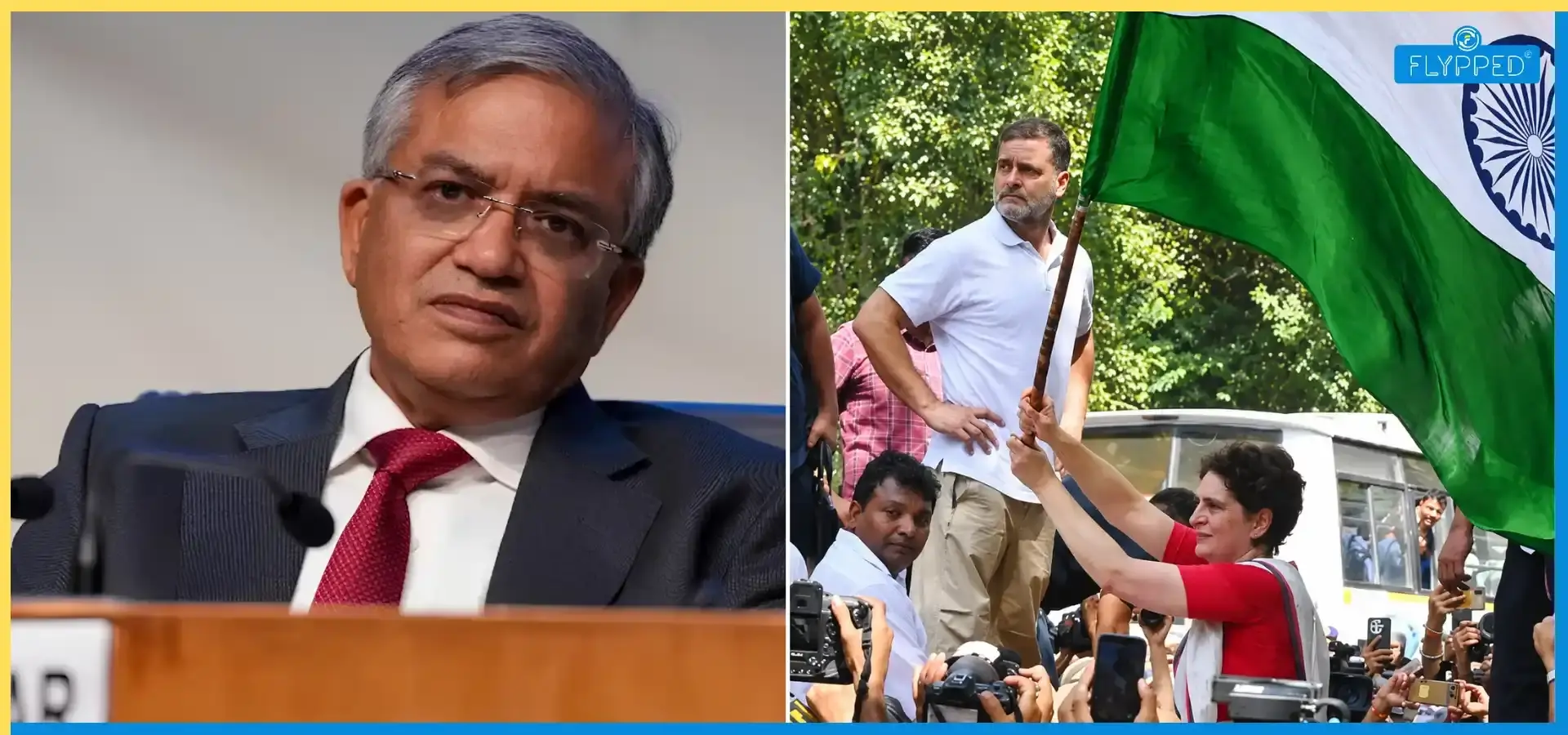
Opposition parties in India have united in a protest against Chief Election Commissioner Gyanesh Kumar, demanding his resignation over allegations of electoral irregularities.
The INDIA Bloc, which includes prominent leaders such as Rahul Gandhi and Priyanka Gandhi Vadra, staged a demonstration in New Delhi that escalated into a sit-in.
This protest reflects ongoing tensions in Indian politics as the opposition seeks to challenge the electoral processes overseen by the Election Commission of India.
The protest centers on claims of manipulation in the electoral rolls. Opposition leaders assert that the current electoral framework is compromised.
NOTE: Stay informed with the latest breaking news, current affairs, top headlines, and latest updates from across the globe.
No Party Sought Meeting Before 4 PM
During the demonstration, members of the INDIA bloc emphasized that no party sought a meeting with Gyanesh Kumar before 4 pm.
This underscored their frustration with the Election Commission's lack of communication.
As the protest continued, Rahul Gandhi and Priyanka Gandhi were among several leaders detained.
Their detention marked a significant escalation in the conflict between the opposition and the government.
The INDIA bloc's actions illustrate their commitment to a "Save Democracy" campaign, aimed at restoring public trust in the electoral system.
Background of the Protest | Allegations Against Gyanesh Kumar
The INDIA Bloc Protest Against ECI Gyanesh Kumar has emerged from serious allegations concerning irregularities in the electoral roll.
Opposition leaders accuse Chief Election Commissioner Gyanesh Kumar of overseeing a flawed process during the Special Intensive Revision (SIR) of voter lists.
Critics contend that these irregularities compromise the integrity of the electoral system and undermine the democratic process in India.
The Election Commission of India has faced scrutiny in the past, with previous controversies raising questions about its impartiality and effectiveness in ensuring fair elections.
Discontent among the opposition stems from a belief that Kumar's leadership has resulted in a lack of transparency and accountability within the commission.
Allegations of bias in favor of certain political factions have intensified calls for his resignation, as many view these actions as detrimental to democracy.
The Political Landscape
India's current political environment is highly charged and polarized. The ruling party, led by Prime Minister Narendra Modi, faces increasing scrutiny and opposition from various parties united under the INDIA Bloc.
This coalition was formed in response to growing dissatisfaction with government policies.
It aims to present a collective front against perceived injustices and undemocratic practices.
The formation of the INDIA Bloc signifies a notable shift in Indian politics. Various regional and national parties are collaborating to challenge the government's authority.
This coalition includes major parties like the Indian National Congress, which has been vocal in its demands for electoral reforms.
Leaders such as Rahul Gandhi and Priyanka Gandhi are central figures in the ongoing protests.
Their commitment to the cause reflects a broader desire among opposition groups to reclaim democratic space and ensure electoral processes are free from manipulation.
As the INDIA Bloc continues its protest against Gyanesh Kumar, the implications for the political landscape are profound, potentially affecting future elections and the overall trust in the Election Commission of India.
Key Events of the Protest | Timeline of the March
The INDIA Bloc Protest Against Gyanesh Kumar occurred on October 6, 2026, in New Delhi, marking a pivotal moment in India's political scene.
The demonstration commenced with a march from the Parliament House to the Election Commission of India's headquarters, known as Nirvachan Sadan.
Opposition leaders, including Rahul Gandhi and Priyanka Gandhi, delivered speeches that underscored the importance of electoral integrity.
Gyanesh Kumar resignation demand: They called for Gyanesh Kumar's resignation, citing serious allegations of manipulation in the electoral rolls. The protest framed itself as part of a broader "Save Democracy" initiative.
INDIA bloc MPs Protest | Detention of Leaders
As tensions rose, police intervened, resulting in the detainment of several prominent opposition figures, including Rahul and Priyanka Gandhi.
After approximately nine hours of peaceful protest, officers forcibly removed them from a sit-in at Akashvani Bhawan.
They had sought refuge following an obstruction of the march. This action elicited strong condemnation from INDIA Bloc MPs and supporters, who characterized the police's measures as an infringement on democratic rights.
Supporters rallied around the detained leaders, pledging to persist in their advocacy for electoral reforms and accountability within the Election Commission.
Response from the Election Commission
Following the protest, Gyanesh Kumar and the Election Commission of India released statements addressing the allegations.
Kumar defended the commission's actions during the Special Intensive Revision (SIR) of voter lists.
He asserted that all procedures were conducted transparently. The Election Commission claimed no irregularities occurred and criticized the protest as politically motivated.
This response intensified the INDIA Bloc's calls for Gyanesh Kumar's resignation. Opposition leaders insisted that the integrity of the electoral process is at risk and that the commission must be held accountable for its actions.
Public and Political Reactions | Support and Solidarity
The INDIA Bloc Protest Against Gyanesh Kumar has received considerable public backing.
Citizens are rallying in support of opposition leaders demanding electoral integrity.
Social media platforms have seen an influx of messages expressing solidarity.
Numerous individuals have participated in the protests to voice concerns over perceived manipulation of the electoral process.
Prominent political figures from various parties have also shown their support, reinforcing the belief that urgent reforms are needed within the current electoral system.
Regional party leaders have joined this call, emphasizing the necessity for transparency and accountability within the Election Commission of India.
Statements from other political leaders have amplified the protest's message. Some have urged a unified front against what they view as a threat to democracy.
This widespread backing reflects growing frustration among the electorate regarding electoral practices and the perceived bias of the Election Commission.
Counter Arguments
In response to the protests, the government has defended Gyanesh Kumar and the Election Commission of India.
Members of the ruling party have characterized the claims of electoral irregularities as unfounded and politically motivated.
They assert that the commission has performed its duties diligently and that the allegations lack credible evidence.
This defense includes statements underscoring the independence of the Election Commission and its dedication to fair elections.
Government representatives have criticized the opposition's actions as mere political theatrics.
They suggest that the INDIA bloc is attempting to divert public attention from their own shortcomings.
This counter-narrative aims to portray the protestors as opportunists rather than genuine defenders of democratic values.
Quote from a Political Leader
"This is merely the beginning," warned Congress leader Pawan Khera. He hinted at a broader strategy for future protests if Gyanesh Kumar doesn't resign.
His statement underscores the determination within the INDIA bloc to continue their fight for electoral justice and integrity.
It signals that the current protests may be just the start of a more extensive movement for change.
Implications for Future Elections | Potential Impact on Upcoming Elections
The INDIA Bloc Protest Against Gyanesh Kumar is set to significantly influence voter perceptions ahead of forthcoming elections.
As opposition parties unite to challenge the credibility of the Election Commission of India (ECI), many voters may begin questioning the integrity of the electoral process.
This protest underscores concerns regarding transparency and fairness. These issues could sway undecided voters toward the opposition, especially if they view the current leadership as compromised.
The implications of the protest extend to the ECI's credibility. If the commission does not effectively address allegations of bias and irregularities, its reputation may suffer lasting damage.
The strength of the INDIA Bloc's demands, along with public support, could lead to increased scrutiny of the commission's actions.
Voters may become more skeptical of the ECI's role, potentially affecting turnout and engagement in the electoral process.
The Broader Picture
The role of the opposition in Indian democracy is critical, particularly in light of the INDIA Bloc's current actions.
By uniting to voice their concerns, opposition parties reinforce their significance as a counterbalance to the ruling government.
Historically, protests like this have ignited significant political movements, often resulting in electoral reforms or leadership changes.
Comparing this protest to past demonstrations, such as those against previous election commissions, reveals a pattern.
Sustained public pressure has led to accountability. Similar protests have resulted in resignations or policy changes, illustrating the power of collective opposition.
As the INDIA Bloc continues its efforts, the potential for meaningful change in the political landscape remains a distinct possibility. This highlights the importance of active participation in democracy.
The INDIA Bloc Protest Against Gyanesh Kumar isn't merely about one individual; it concerns the future of electoral integrity in India.
If successful, it could lead to reforms that enhance public trust in the electoral system. Ultimately, this could shape the political landscape for years to come.
Protest Overview
The INDIA Bloc Protest Against Gyanesh Kumar represents a significant moment in Indian politics, reflecting the opposition's unity and determination.
This demonstration has underscored the increasing dissatisfaction among opposition parties with the Election Commission of India (ECI).
It highlights concerns regarding electoral integrity in the nation.
The call for Gyanesh Kumar's resignation stems from widespread fears of potential irregularities in the electoral process, particularly concerning the Special Intensive Revision of voter lists.
Implications for the Election Commission
As the situation evolves, the ramifications for the Election Commission and upcoming elections are critical.
The protest has begun to shape public perception. Many voters are questioning the credibility of the electoral system.
Should the allegations against Gyanesh Kumar and the commission remain unaddressed, there's potential for a significant shift in voter sentiment, which could affect electoral outcomes.
Commitment to Accountability
The INDIA bloc's steadfast refusal to concede highlights their commitment to holding the Election Commission accountable.
This movement has the potential to inspire additional protests and calls for reform. It resonates with leaders such as Rahul Gandhi and Priyanka Gandhi.
Increased scrutiny of the commission may lead to substantial changes, reinforcing the importance of electoral transparency in a healthy democracy.
Future Engagement
Given these developments, citizens are urged to stay informed and engaged. The forthcoming elections will test not only the resolve of the opposition but also the electorate's commitment to holding their leaders accountable.
The INDIA Bloc Protest Against Gyanesh Kumar may signal the start of a transformative period in Indian politics, advocating for a more transparent and trustworthy electoral process.
Read More:
- Gyanesh Kumar Contempt Plea: What Do Supreme Court Judgments Say About the CEC?
- Greater Noida Bus Fire: 9 Killed, Passengers Jump from Moving Bus to Escape
- PM Modi US Visit for G20 Summit: What to Expect from Trump and QUAD Talks
- Sahil Wakode CCTV Footage: IIT Bombay Student Asked to Leave Exam Hall
- Delhi Gangrape Near Kalkaji Temple: Minor Girl Allegedly Raped by 3 Men Posing as Cops
- Tata Sons Reappointment Controversy: Noel Tata Raises Questions Over Chandrasekaran’s Third Term