Iran Ceasefire Extension: Trump Credits Asim Munir, Extends Pause
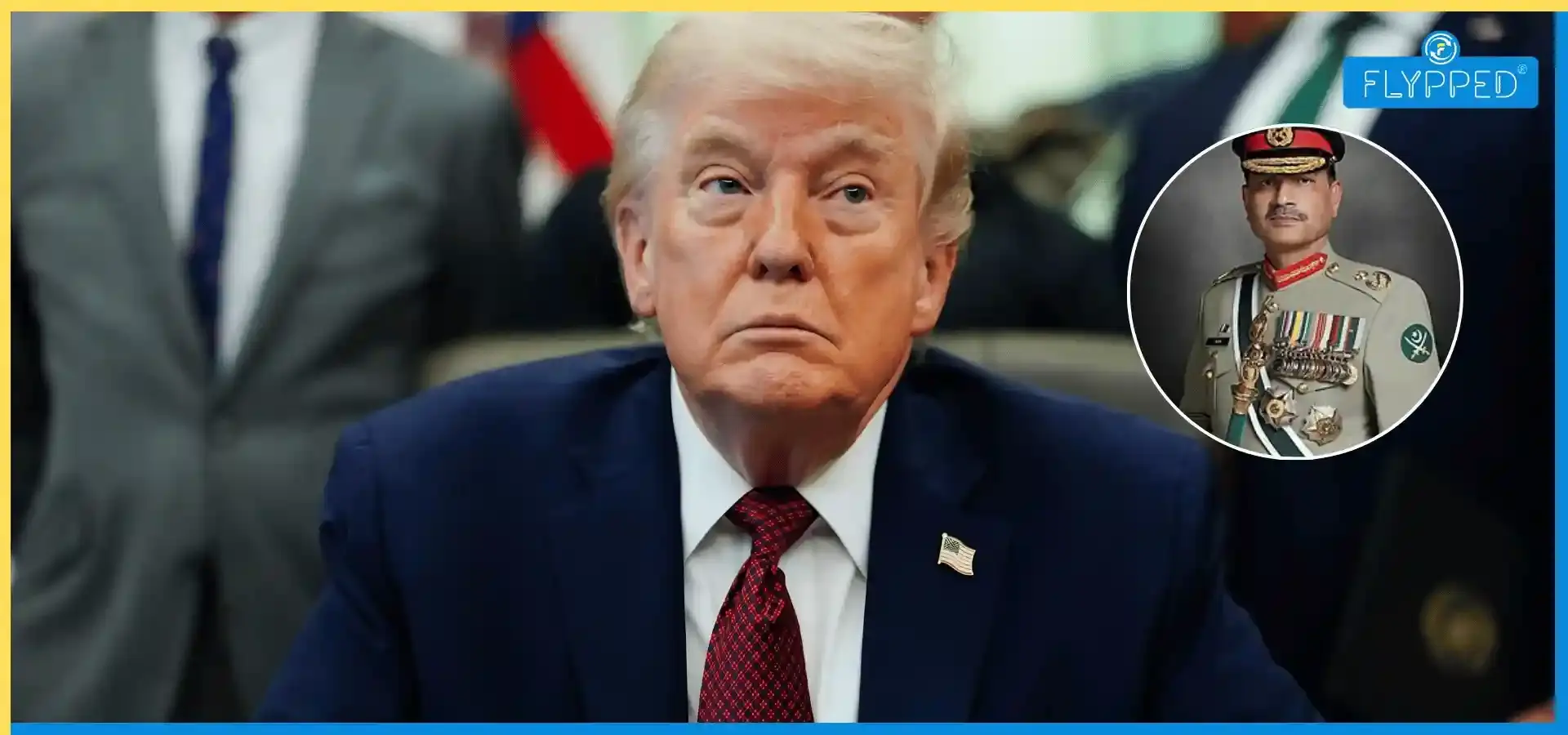
On Tuesday, US President Donald Trump announced that the ceasefire with Iran will be extended. He said it will stay in place until Iranian leaders agree on a unified proposal and the talks are finished.
Trump posted on Truth Social that he made this decision after Pakistan requested a pause in military action to allow diplomacy to work.
Iran Ceasefire Extension: Trump Claims Pakistan Leaders Asked Him For Ceasefire Extension
In an official statement, Trump said that Pakistan’s leaders, including Asim Munir and Prime Minister Shehbaz Sharif, directly asked him to extend the ceasefire.
Trump extends ceasefire: According to Trump, since Iran is going through internal issues, hence, at the request of Pakistan leaders, the United States took a stance on halting the attack, unless Iran comes up with a unified proposal.
He also added “I have therefore directed our Military to continue the blockade and, in all other respects, remain ready and able, and will therefore extend the ceasefire until such time as their proposal is submitted, and discussions are concluded, one way or the other.”
This decision temporarily lowers tensions but maintains pressure on Iran through the ongoing blockade and military preparedness.
US Vice President JD Vance remained in Washington on Tuesday instead of travelling to Islamabad as planned. The White House later told reporters he would not go.
Abbas Araghchi Calls Blockade of Iranian Ports An Act of War
Iran Ceasefire Extension: A few hours before Trump’s announcement, Abbas Araghchi posted on X. He called the blockade of Iranian ports “an act of war” and said it broke the ceasefire. He warned that targeting commercial ships and detaining crews would raise tensions, and said Iran knows how to defend its interests and resist pressure.
At the same time, the semi-official Tasnim News Agency reported that Iran has decided not to attend the upcoming talks in Pakistan.
The agency, quoting one of its reporters, said Iran made this decision after the US refused to drop what it called “excessive demands” in recent days.
Iran US war latest news: Iran Finds Negotiations a Waste of Time
For this reason, Iran today declared that, in such a situation, it finds negotiations a waste of time, since the US is foiling any suitable agreement. Hence, there is no possible chance of engaging with Americans.
The report also said Iran has officially informed Pakistan and mediators that it will not attend the scheduled talks.
US Iran Ceasefire News: Iran Doubts Trump’s Ceasefire Extension a Conspiracy
On Tuesday, an adviser to Iran's chief negotiator and parliamentary speaker, Mohammad Baqer Ghalibaf, said Trump’s decision to extend the ceasefire is a “ploy to buy time” for a possible surprise attack.
The adviser warned that the ongoing US blockade of Iranian ports is “no different from bombardment” and should be met with a military response.
Iran Ceasefire Extension: He also said that Trump’s ceasefire extension is an excuse to spare time for his sudden attack.
Hence, according to him, Iran must take the initiative. Adding further, the advisor calls Trump’s ceasefire extension hopeless, as the losing side cannot impose its terms.
Trump Iran War Updates: Pakistan Prime Minister Express Gratitude to US President
Pakistan Prime Minister Shehbaz Sharif thanked US President Donald Trump in a post on X for extending the ceasefire, saying the decision would let diplomatic efforts continue.
From his part and from the behalf of Field Marshal Syed Asim Munir, he thanked Trump for considering their request and making it possible to extend the ceasefire and allow for ongoing diplomatic efforts to take place.
He also said that Pakistan will keep working for a negotiated settlement. He hopes both sides will respect the ceasefire and aim for a full “peace deal” at the next talks in Islamabad.
Bottom line
The Iran ceasefire extension by US President Donald Trump came after Pakistan’s top leaders, including Field Marshal Asim Munir and Prime Minister Shehbaz Sharif, requested more time for talks and a unified peace proposal from Tehran.
Trump said the pause in attacks would continue while Iranian leaders work toward agreement, although the US naval blockade of Iranian ports remains in place.
The extension aims to keep diplomatic space open but is not open‑ended — Iran has yet to present a unified plan and some Iranian officials view the move with skepticism. Tensions and negotiations continue.
Frequently Asked Questions
Find answers to common questions about this topic
President Donald Trump has announced the extension of the ceasefire with Iran, initially agreed upon in early April 2026. The decision extends the pause in hostilities between the US and Iran until Tehran can present a unified proposal for further negotiations.
Trump expressed that his decision to extend the ceasefire was heavily influenced by the efforts of senior Pakistani officials, particularly Field Marshal Asim Munir and Pakistan’s Prime Minister Shehbaz Sharif, who have acted as intermediaries in the US-Iran talks.
Reports indicate that this ceasefire extension is not indefinite. While the US has agreed to extend the truce, the decision is tied to a specific timeline. Iran has been given a limited period to present a consolidated peace proposal, after which the situation will be reevaluated.
Although hostilities have been paused, the US blockade of Iranian ports remains in place, especially in the vital Strait of Hormuz. The continuation of the ceasefire depends on Iran’s ability to put forward a unified peace proposal to move toward further discussions.
Iran’s response to the extension has been marked by skepticism. Many officials view the extension as a temporary strategy to buy time for possible future military actions, and Iran has not fully agreed to the proposed terms for resuming peace talks.