
Iran Agrees to 2-Week Ceasefire, Strait Of Hormuz May Reopen
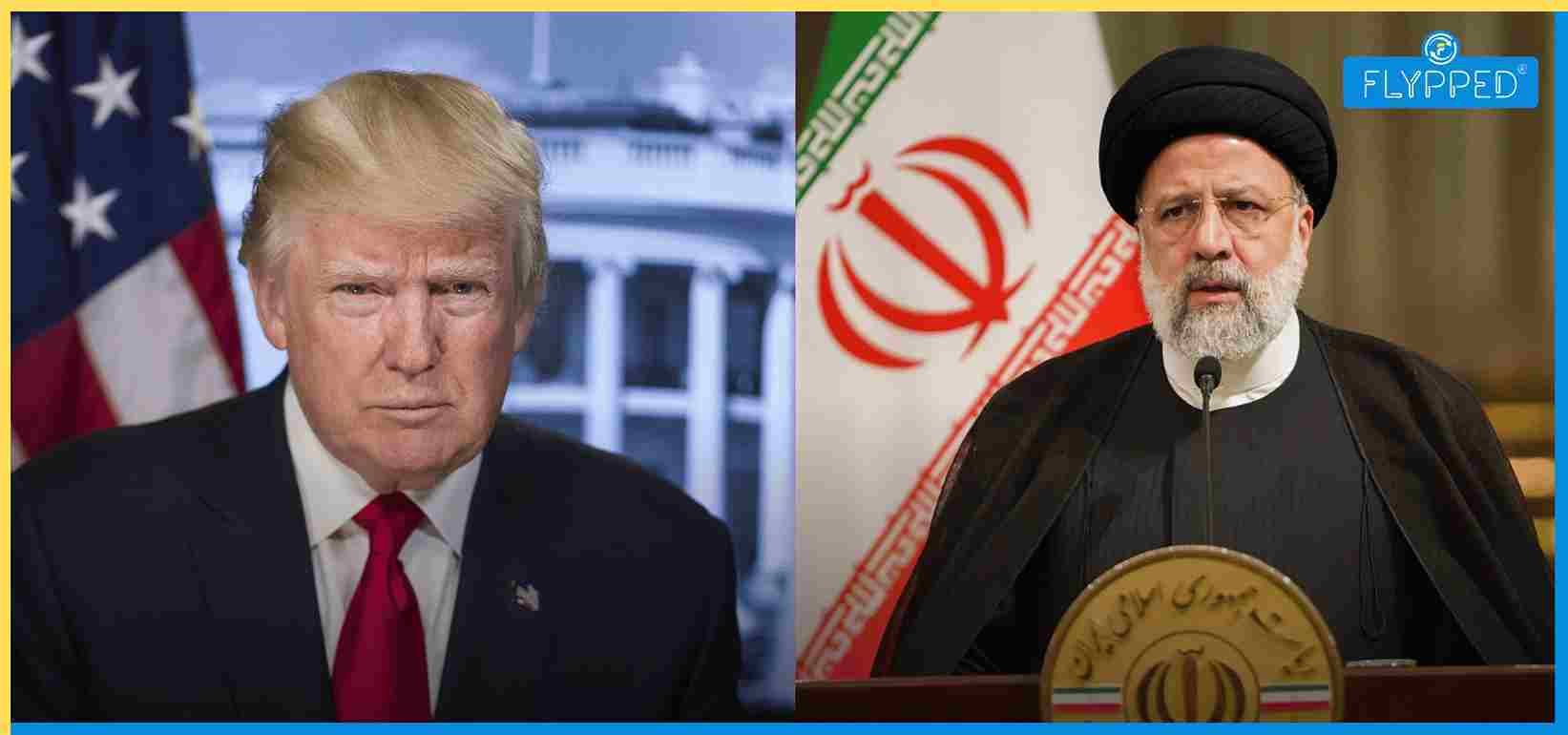
Iran ceasefire latest update: On Wednesday, United States President Donald Trump made a decision not to initiate further attacks on Iran.
He withdrew his warnings just before Iran's deadline and agreed to a two-week ceasefire, enabling peaceful dialogue and reducing the 40-day conflict.
In response, Iran accepted the peace agreement and will reopen the Strait of Hormuz under conditions.
US Iran Ceasefire: More Details
According to Trump, the US will halt war activities and not strike Iranian civilian infrastructure, following the 10-point peace proposal from Iran.
Further talks to secure long-term peace in the Middle East will take place in Islamabad on April 10 between Washington and Tehran.
Even though diplomatic efforts have accelerated, the uncertainty remains on the ground. Despite Iran’s confirmation of its acceptance of the ceasefire, there are reports of missile alerts across the Gulf.
Israel also supports the two-week ceasefire, specifying it does not apply to Lebanon, where airstrikes continue.
Trump Iran Peace Plan: What did the US President Say in His Speech?
Trump's speech: "I hold off the destructive force being sent tonight to Iran, and, if the Islamic Republic agrees to the COMPLETE, IMMEDIATE, and SAFE OPENING of the Strait of Hormuz, I suspend bombing and attacks for two weeks."
As per Iran ‘’If the attacks on it are halted, the defence operations would cease by its powerful armed forces. Iran also said it was considering the US request for negotiations, which would be based on both its 15‑point plan and Iran's 10‑point proposal.
Strait Of Hormuz Reopen
Iran also clarified that for two weeks, it will allow the safe passage of ships through the Strait of Hormuz, as long as it is done in coordination with Iran’s military and adhering to technical limitations.
It described the agreement as a victory, stating that Trump accepted its terms to end the conflict. Conversely, the White House claims the US military compelled Iran to reopen the waterway.
Iran War Ceasefire: Israel Too Supports It
Israeli Prime Minister Benjamin Netanyahu also came in support of the US’s stance to stop attacks on Iran that have been ongoing for two weeks. He also mentioned Lebanon's exclusion from the ceasefire. According to Iran, any ceasefire must also stop attacks on Lebanon, as it is still facing bombardments from Israel.
Even after the declaration of a ceasefire, missile alerts are triggered in Saudi Arabia, Kuwait, and Bahrain as defence systems have stopped the Iranian missiles.
US Iran War News: Ships Passing Through Hormuz To Be Charged
As per Iran’s long-term peace plan, ships passing through the Strait of Hormuz will be charged. The money would be used for reconstruction. Besides that, Iran also demands the removal of US troops from the region, the release of frozen funds, and the lifting of sanctions.
Impact of Iran War: Shehbaz Sharif Leads Ceasefire Talks, Oil Prices Fall
Pakistani Prime Minister Shehbaz Sharif, who is the main negotiator, stated that the ceasefire includes stopping the clash between Israel and Hezbollah in Lebanon. To restore lasting peace, he convened a meeting in Islamabad on Friday, inviting both the US and Iranian delegations.
After the announcement of the ceasefire, oil prices have dipped to below to $ 100 per barrel, and stock markets in Asia and the US have scaled up. Where Brent Crude oil dropped 13.3% to $94.74, US crude oil also fell 14.3% to $96.83 per barrel.
The war, which has now reached its sixth week, has claimed 5,000 people in nearly a dozen countries, including more than 1,600 Iranian civilians. Iran’s Supreme Leader Ayatollah Ali Khamenei, security chief Ali Larijani, and other prominent figures were killed during US airstrikes. Along with the death of these leaders, Iran’s critical infrastructure was also destroyed.
Frequently Asked Questions
Find answers to common questions about this topic
The United States and Iran agreed to a two‑week ceasefire in their conflict, aimed at reducing hostilities and creating space for talks.
As part of the deal, Iran agreed to allow safe passage of ships through the Strait of Hormuz, a key route for global oil supplies, during the truce.
The Strait of Hormuz is a narrow waterway through which around 20% of the world’s oil exports normally pass, so its reopening could ease supply disruptions.
Officials from both sides are expected to begin negotiations in Islamabad during the two‑week period to try to reach a longer‑term settlement.
No — the truce is temporary. Fighting could resume if talks fail, and some regional clashes may continue outside the ceasefire’s scope.