US Missile Stockpile Shortage: Key Weapons Depletion Concerns
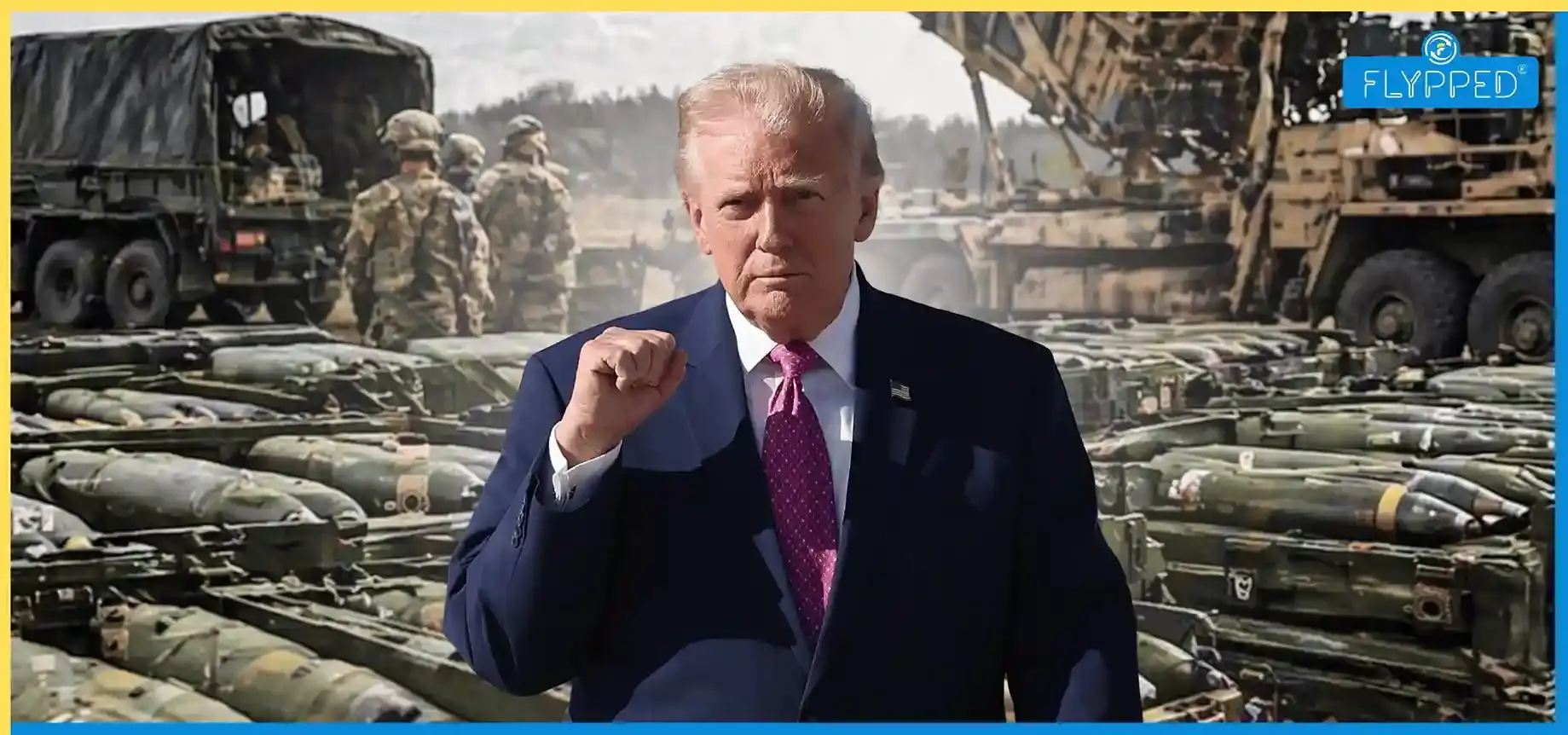
US Missile Stockpile Shortage: Amid ongoing tensions with Iran, the United States is facing problems in staging further wars because it is losing its key weapons.
During the US Iran conflict that began on February 28, 2026, America applied maximum of its weapons that it was supposed to reserve for major threats Russia and China.
This has raised fresh concerns about the United States’s military steadiness in the coming years.
NOTE: Stay informed with the latest breaking news, current affairs, top headlines, and latest updates from across the globe.
US Missile Stockpile Shortage: United States Bereft of Weapons Prepared for Major Rivals
US Missile Stockpile Reduction: The United States is now currently facing a lack of stockpile of its major weapons which has raised worry and heavy strain on its military strength for the future.
It has utilised around 1,100 long-range missiles named JASSM-ER, which were supposed to be prepared for the possible battles against big rival nations like China.
But now there are only 1,500 of the missiles remaining. Additionally, the US has fired over 1,000 Tomahawk missiles, priced $3.6 million each, and more than 1,200 Patriot missiles, costing $4 million each.
These figures are so high in contrast to what is produced per year, resulting in excess loss of finance and supply.
US Missile Stockpile Shortage: The United States had also utilized a maximum amount of ground missiles and other weaponries which has now caused a shortage in their supplies.
The total cost of the war is massive. According to some experts, around $28 billion and $35 billion have been spent on the war by the United States.
In the first two days, the country has used weapons worth $5.6 billion. Because of excess expenditure on armed weapons, the United States is now facing shortage of some key equipment.
Also during a mission to save troops, two planes and three helicopters have been destroyed, resulting in loss of $275 million.
List of Weapons Used in the War
- JASSM-ER Cruise Missiles: Used 1,100
- Tomahawk Cruise Missiles: Used over 1,000
- Patriot Missiles: Used over 1,200
- ATACMS Missiles: Used in large numbers
- HIMARS and Other Missiles: Used many
- Air and Sea Missiles: Used to defend against attacks
- Drones: Used for surveillance and attack
US Arms Shift Weakens NATO, Pacific Defenses
US missile stockpile shortage: Due to excess use of weapons, the United States is now borrowing weapons from other regions to continue their war in the Middle East.
This has resulted in weakening of NATO (the alliance between the US and European nations) in Europe.
Now with such a current situation, the United States is prompted to shift its defence system from the Pacific, which could make it vulnerable in withstanding threats from countries like North Korea.
US Missile Shortage: America Facing Financial Crunch To Restock Arms, Need for Cheap Drones Raises
In the current situation, restocking weapons used in the war is not possible sooner, as it will take years. Also the United States does not have much money in bringing new weapons quickly right now. According to experts, it can pose a big problem for the country, if it does not seek cheaper weapons like drones for the coming years.
US Military is Still Strong, Claims the White House
Even though White House still follows a positive approach towards the strength of the US military, experts are raising concerns about the massive drop in the crucial weapons.
In fact the supply of some weapons before the war had already been low, now it is becoming impossible to fetch them.
Experts also think that the US military is much dependent on high tech weapons that are too costly.
From their perspective the Pentagon must now rely on affordable and rapidly producible weapons such as drones to sustain long-term operations.
Bottom line
In conclusion, while the US military is still powerful, the war in Iran has shown that relying too much on expensive weapons can lead to big problems, especially if they run out faster than they can be replaced.
Frequently Asked Questions
Find answers to common questions about this topic
The U.S. military has used large quantities of advanced missiles and interceptors in recent conflicts, draining inventories that were previously held in reserve for future needs. This extensive use has reduced the number of high‑end weapons available.
Because building missiles and interceptors involves complex manufacturing and long lead times, rebuilding depleted inventories to pre‑conflict levels is expected to take several years, even with increased production efforts.
Lower inventories of key missiles can create short‑to‑medium‑term challenges for U.S. defense planning, especially if another major crisis arises while stockpiles are still being replenished.
Yes — current inventories are sufficient to continue ongoing operations — but experts warn that relying on fewer expensive, slow‑to‑produce weapons could limit flexibility if a new conflict emerges.
The U.S. Department of Defense and defense industry are working to increase production capacity and accelerate deliveries, including expanding manufacturing and seeking additional funding to build more missiles and interceptors.