US Won't Renew Waiver Allowing India to Buy Russian Oil
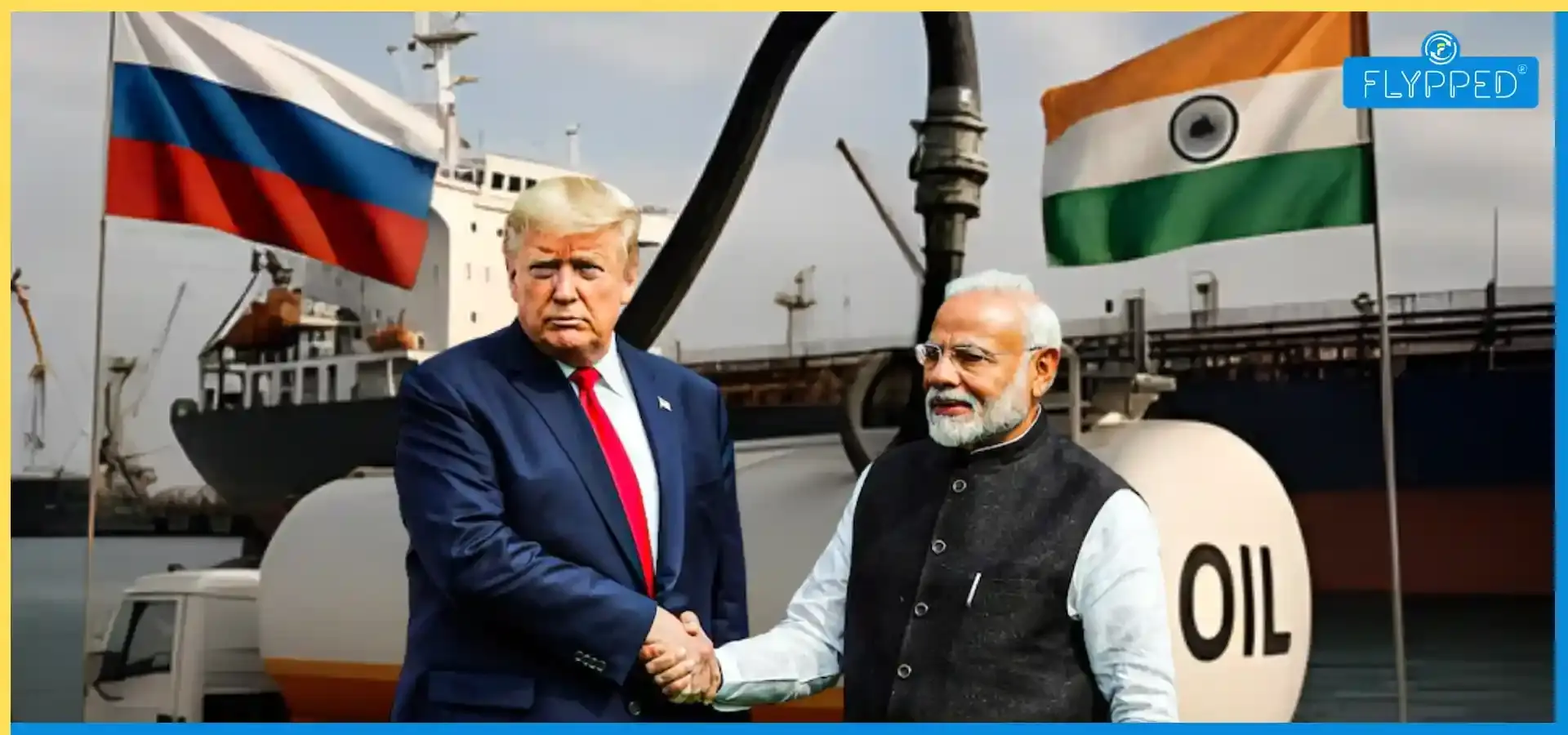
On Wednesday, U.S. Treasury Secretary Scott Bessent announced that Washington will not extend the sanctions waivers, with the objective of preventing the purchase of Russian and Iranian energy.
India, the main country to benefit from the sanction's waivers, was criticized by US politicians for helping to ease financial pressure on Moscow and Tehran.
While addressing the press conference, Bessent said “We will not be renewing the general license on Russian oil, and we will not be renewing the general license on Iranian oil. That was oil that was on the water prior to March 11. So, all that has been used.”
US - Iran Latest News: What Does 30-Day Waiver Include?
On March 12, the US Treasury announced a 30-day waiver, allowing Indian refiners to purchase Russian energy that had already been loaded onto tankers.
“To enable oil to keep flowing into the global market, the Treasury Department is issuing a temporary 30-day waiver to allow Indian refiners to purchase Russian oil.
According to Bessent, this intentionally short term will be of no use in providing financial advantage to the Russian government, as it only approves transactions involving oil stranded at sea.
Washington justified the waiver as a necessary measure to stabilise global energy prices, especially crude oil, which surged above $100 a barrel due to the outbreak of the US-Iran conflict in late February.
Washington later announced another 30-day license for countries to buy Iranian oil. The Russian oil waiver ended on April 11, while the Iranian oil waiver will end on April 1.9.
India - Russia Oil News: Washington Requested to Increase Sanctions Waivers
The US Treasury made its decision even though officials from several Asian countries, including India, had asked Washington to extend the sanctions waiver.
India benefited the most from the sanctions waivers. Reports quoting government officials say India ordered about 30 million barrels of oil from Russia after the waiver took effect.
Indian refiners, such as Reliance, had earlier reduced purchases from Russian suppliers, including Rosneft and Lukoil, due to US sanctions against those companies.
Russia - Iran Oil News: Sanctions Waivers Faces Backlash
However, the sanctions waivers faced strong criticism, especially from the opposition Democratic Party.
On April 10, in his X post, US Senator Richard Blumenthal supported no rise in the Russia sanctions waiver.
He said that because of Trump’s waiver, Russia has received $150 billion a day to fund its war and harm Ukrainian kids, while it is helping Iran with intelligence against US forces.
Three more Democratic senators, including Senate Minority Leader Chuck Schumer, also urged the Trump administration to reverse the “dangerous” sanctions waiver policy.
The senators said in a joint statement, "Secretary Bessent ignored the law requiring Congress to be told before easing sanctions on the Kremlin. He called the license a temporary, short-term measure that would not give the Russian government a big financial benefit."
"Russia’s move to cancel budget cuts shows it’s taking advantage of the sanctions relief, as we had warned."
He said Russia’s stance in cancelling its planned budget cuts indicates its benefits from the administration’s sanctions relief, as was warned.
The Trump Administration should reverse this policy, stop any more benefits to Russia, and make sure the United States does not help strengthen Putin’s war machine," the statement said.
Rise in Russian Oil Imports
The rise in Russian oil imports has come after the United States decision in not renewing the waiver given to India, as it permitted them to purchase Russian oil without sanctions.
The waiver which was introduced in 2022, benefitted the country in sustaining its oil deal at minimum cost, which is indeed crucial for a nation that depends much on oil imports to meet its energy requirements.
The waiver prevented India from facing penalties from Western countries for trading with Russia, even though it faced worldwide sanctions because of its rift with Ukraine.
Waiver Expiration Poses Big Challenge For India
With the end of the waiver, it posed a big challenge for India as it could not further deal in its oil imports, while avoiding the financial and political risks of violating sanctions.
Despite this, many countries, including India, continue to buy Russian oil. The reasons behind this are straightforward: Russian oil remains very cheap compared to other sources.
For countries like India, where energy prices are a major concern, Russian oil provides an opportunity to maintain affordable energy costs.
However, this situation has created a global dilemma. On one hand, countries like India and China are benefiting from the discounted oil, making them less affected by global energy price fluctuations.
On the other hand, it undermines the impact of the sanctions imposed on Russia by the West, as the continued trade with Russia weakens the intended pressure on its economy.
This has led to concerns that the sanctions may not be as effective as initially hoped in curbing Russia's military ambitions.
The situation highlights the complex nature of international relations and the balancing act countries must perform when dealing with economic, political, and security concerns.