Infatuation vs Love: Key Differences, Signs & How to Know What\'s Real

Introduction
Have you ever felt attracted to someone you find unable to move your eyes from? Well, such things do happen in our social circles or even at workplaces.
It does appear like you have fallen in love with that person, or in other words, what we call ‘Love at First Sight’, isn’it?
Well, this is where we mistake it for love, when it is actually an infatuation. Indeed, both appear the same, as we fall for someone for their captivating presence.
Getting attracted to someone is natural, but you cannot call it love completely, as there are key differences between the two.
NOTE: Read relationship tips, dating advice, marriage insights, and latest updates for stronger connections.
Even though in both cases you feel elated and happy, you still need to know the difference between the two.
Hence, in this article, we will explain the difference between infatuation and love, along with indicative signs. Let us first begin with:
What Is Infatuation?
Simple Definition of Infatuation
Infatuation can be understood as a strong, exciting attraction to someone you find attractive because of their looks or physical appearance, which can lead you to develop an image of a perfect person you have dreamt of.
During infatuation, you may:
- Think about the person all day.
- Feel nervous or excited around them.
- Ignore their flaws.
- Want their attention all the time.
These feelings can be intense, but may not last longer.
Psychology Behind Infatuation
Now let us understand the psychology behind infatuation. Whenever you are infatuated with someone, your brain releases chemicals called dopamine, making you feel overexcited and on top of the world.
But these feelings aren’t real because they are merely generated from emotions and physical attractiveness.
The person you are attracted to is a stranger, as you don’t know much about him or her. However, unaware of it, you carve an ideal image of them.
What Is True Love?
Definition of Love
Love is an emotional connection that is built on four pillars: trust, care, honesty, and respect.
Unlike infatuation, it is not confined to attraction, but to accepting someone with their evens and odds.
In other words, love means:
- Supporting each other.
- Respecting differences.
- Communicating honestly.
- Growing together through good and difficult times.
How Love Develops Over Time
One more key difference between infatuation and love is that the latter takes time and does not happen overnight, like the former.
It grows as two people:
- Spend quality time together.
- Build trust.
- Solve problems together.
- Learn about each other\'s strengths and weaknesses.
When the love between two individuals gets stronger with time, it is called real love, as it is based on understanding instead of imagination.
Infatuation and Love: 10 Major Differences
Here is a quick overview of infatuation vs love.
| Infatuation | Love |
| Happens quickly | Develops slowly |
| Based mainly on attraction | Based on trust and respect |
| Focuses on perfection | Accepts imperfections |
| Strong emotions at the beginning | Steady and lasting feelings |
| Wants constant attention | Gives space and freedom |
| Can be selfish | Is caring and supportive |
| Often ignores problems | Solves problems together |
| May fade quickly | Grows stronger over time |
| Driven by excitement | Driven by commitment |
| Usually short-term | Often long-term |
Signs of Infatuation
Here are some common signs that you may be infatuated:
- You think about the person constantly.
- You feel jealous very easily.
- You ignore red flags or bad behaviour.
- You feel your happiness depends on their attention.
- You imagine a future without really knowing them.
- You are more attracted to their appearance than their personality.
- Your feelings change quickly depending on how they treat you.
Infatuation can feel exciting, but it may not provide a stable emotional connection.
Can Infatuation Turn into Love?
Now the question is whether infatuation can turn into real love. The answer to this is absolutely ‘Yes’, but not always.
There are healthy relationships between couples that started from infatuation. This becomes possible when both spend time together and become familiar with each other’s traits (both negatives and positives).
This understanding led them to move their relationship forward with a strong base of trust, respect, and emotional closeness.
This is how infatuation slowly transitions into real love.
Why People Mistake Infatuation for Love
Now there are two things that might appear the same but are different. The same is true of infatuation and love.
Many people get confused between the two and consider them the same. Well, the common reasons behind this are
- Strong physical attraction.
- Romantic movies and social media creating unrealistic expectations.
- Excitement of something new.
- Lack of relationship experience.
- Believing that intense emotions always mean true love.
Please note that feeling butterflies does not always indicate a lifelong love.
How to Know Whether You\'re in Love or Just Infatuated
Whenever you fall into the situation of infatuation and are unable to figure out the difference from love, ask yourself these questions.
- Do I know this person\'s real strengths and weaknesses?
- Do I respect them even when we disagree?
- Can I trust them?
- Am I attracted only to their looks, or also to their character?
- Do I care about their happiness as much as my own?
- Can we solve problems together without giving up?
If your feelings are based on physical attraction alone, then it is infatuation; and if your relationship is getting stronger with trust, respect, honesty, and support, then it is, of course, love.
Relationship Compatibility: Why It Matters More Than Chemistry
Chemistry creates attraction, but compatibility helps a relationship last.
Compatibility means:
- Similar values.
- Respect for each other\'s opinions.
- Good communication.
- Shared life goals.
- Ability to solve conflicts calmly.
A relationship with chemistry often wanes with time, but a relationship with a strong base of trust lasts longer. This somehow clearly defines the difference between infatuation and love.
Healthy Relationship Tips to Build Lasting Love
If you don’t want your relationship merely limited to infatuation and want to make it serious, then below are the simple habits to do.
- Communicate honestly.
- Listen carefully to each other.
- Respect personal space.
- Build trust through your actions.
- Solve disagreements calmly.
- Appreciate each other\'s efforts.
- Support each other\'s goals.
- Spend quality time together.
- Be patient as love grows.
Common Myths About Love and Infatuation
Myth 1: Love happens instantly.
Reality: Love usually develops gradually.
Myth 2: Strong attraction means true love.
Reality: Attraction is only one part of a healthy relationship.
Myth 3: If it\'s true love, you\'ll never argue.
Reality: Every relationship has disagreements. Healthy couples solve them respectfully.
Myth 4: Jealousy proves love.
Reality: Excessive jealousy often shows insecurity, not love.
Myth 5: Love should always feel exciting.
Reality: Real love also brings comfort, trust, and emotional security.
Does Real Love Still Exist Today?
Well, this answer is very tricky. As we see today, couples often lose track of their bond and switch to alternatives; we can say that true love happens only to the luckier ones.
We say this because these days people indulge in multiple linkups and are unable to maintain existing relationships; hence, we can say that nowadays it is more infatuation, not real love.
Because real love never fades over time; it grows over time instead, and remains forever till the last breath.
Some major examples of Bollywood couples that define real love are:
Sunil Dutt and Nargis

Dharmendra and Hema Malini

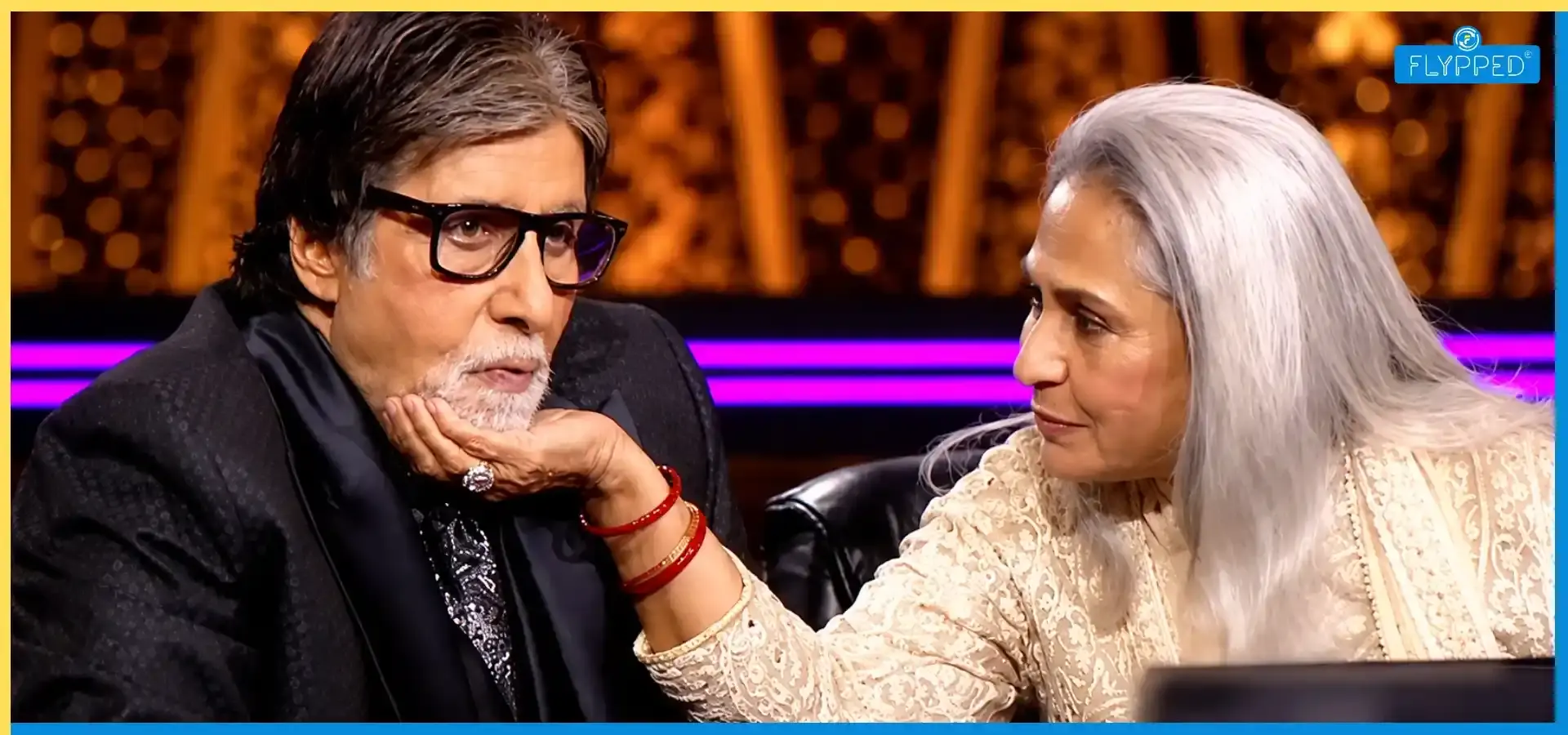
Amitabh Bachchan and Jaya Bhaduri
Shah Rukh Khan and Gauri

Akshay Kumar and Twinkle Khanna

Ajay Devgn and Kajol

Ritesh Deshmukh and Genelia D’Souza

Conclusion
Infatuation and love may feel similar at first, but they are not the same. Infatuation is fast, exciting, and often based on attraction or fantasy.
Love is deeper, stronger, and grows through trust, respect, patience, and understanding.
If you\'re unsure about your feelings, don\'t rush. Give the relationship time to grow.
Real love isn\'t just about excitement—it is about caring for someone, accepting them as they are, and building a healthy future together.
By understanding the difference between the two, you can make better relationship decisions and build meaningful, lasting connections.
Read More: