What Is Marriage Counseling? Benefits and Signs You Need Marriage Counseling
Every marriage goes through rough patches. Disagreements, misunderstandings and moments of distance are a normal part of sharing a life with someone else. But when these patches start to feel permanent, many couples find themselves searching for a way back to each other. That's where marriage counseling comes in. It offers a structured, supportive space where couples can address their problems with the guidance of a trained professional rather than trying to navigate them alone.
In this blog, we'll break down everything you need to know about marriage counseling covering what it is, why it matters, the signs that indicate it's time to seek help, how the process actually works and practical tips to make the most of it.
NOTE: Read relationship tips, dating advice, marriage insights, and latest updates for stronger connections.
What is Marriage Counseling?
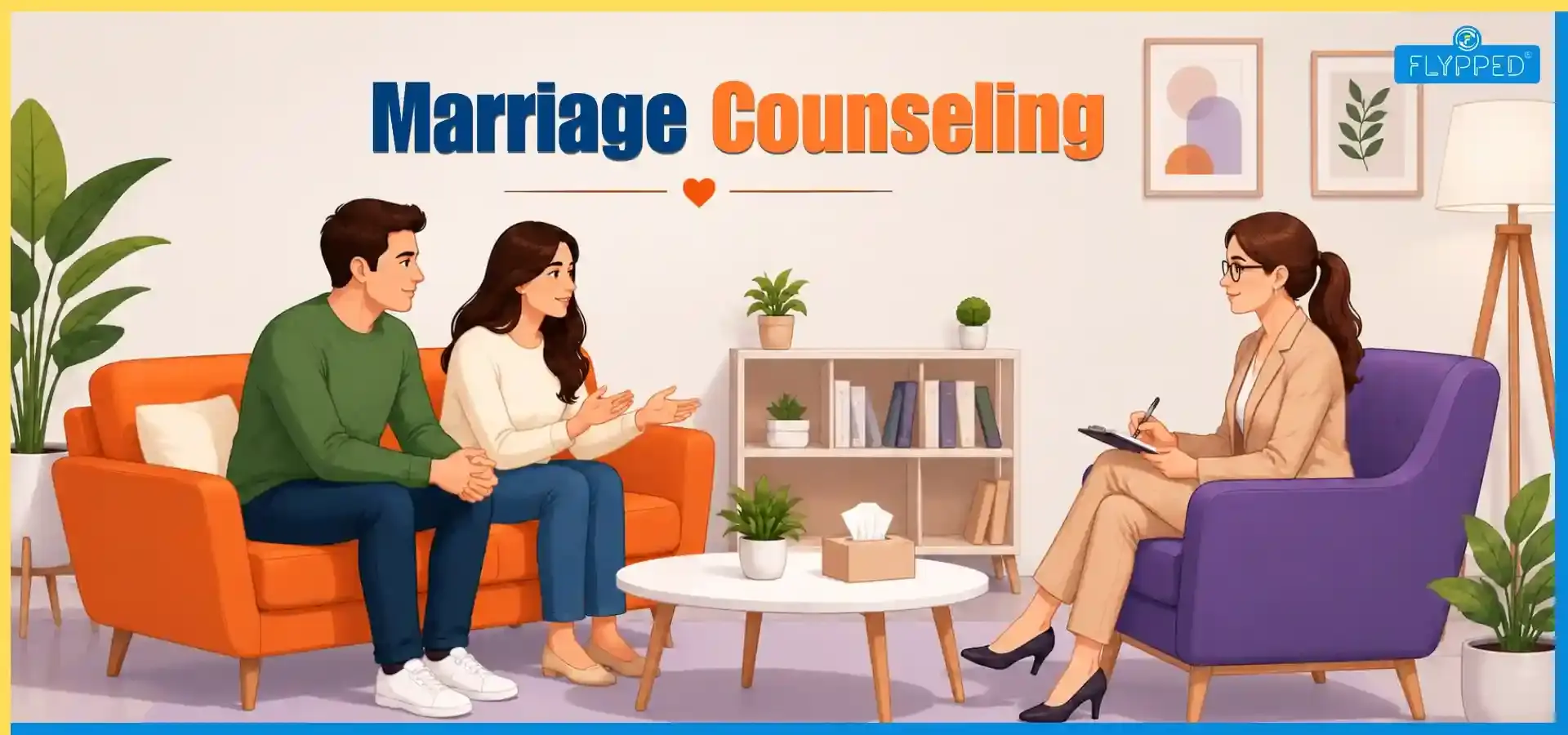
Marriage Counseling is a form of psychotherapy that helps partners recognize and resolve conflicts in their relationship. A licensed therapist works with both partners together, helping them understand each other's perspectives, improve communication and develop practical strategies to strengthen their bond. It's not about assigning blame but creating a safe environment where both people feel heard and understood.
Marriage counseling isn't only for couples on the brink of divorce. It can benefit:
- Newlyweds who want to build a strong foundation early on
- Long-term couples facing recurring arguments or emotional distance
- Partners dealing with major life transitions, such as having a child, relocating or career changes
- Couples recovering from infidelity or broken trust
- Anyone who simply wants to improve their communication and connection
In short, any couple who wants a healthier, more fulfilling relationship can gain something valuable from counseling.
Why is Marriage Counseling Important?
The importance of marriage counseling lies in its ability to catch small issues before they grow into bigger problems. Left unaddressed, minor irritations can snowball into resentment and resentment can quietly erode a relationship over time. Counseling gives couples the tools to communicate more effectively, resolve disagreements constructively and rebuild emotional intimacy.
Beyond conflict resolution, marriage counseling also helps couples understand each other's needs, love languages and triggers. This deeper understanding often leads to a more compassionate, resilient partnership that can weather future challenges together.
Common Relationship Challenges Couples Face
Most couples who seek counseling are dealing with one or more of these common challenges:
- Poor or ineffective communication
- Financial disagreements
- Differences in parenting styles
- Intimacy and connection issues
- Trust and infidelity concerns
- Balancing work and family life
- Differing expectations about the relationship's future
Recognizing that these struggles are common and treatable is often the first step toward seeking help.
Signs to Seek Marriage Counseling
Not sure if it's time to book that first session? Here are some clear signs to seek marriage counseling.
- Constant Misunderstandings: If you find yourselves misinterpreting each other's words or intentions on a regular basis, it may signal a deeper communication breakdown that needs professional support.
- Communication gap in Marriage: A communication gap in marriage often shows up as one-word answers, avoiding difficult topics, or feeling like you're talking past each other rather than to each other. Over time, this gap can leave both partners feeling isolated.
- Trust issues in Marriage: Whether stemming from infidelity, dishonesty or simple insecurity, trust issues in marriage can create a cycle of suspicion and defensiveness that's hard to break without outside guidance.
- Frequent unresolved conflicts: When the same arguments keep resurfacing without resolution, it's a sign that the underlying issue hasn't actually been addressed, only avoided.
- Emotional Disconnection: Feeling more like roommates than romantic partners or noticing a lack of emotional or physical intimacy, is a common reason couples turn to therapy.
- Considering separation or Divorce: If either partner has started thinking about separation, counseling can help determine whether the relationship can be repaired or provide clarity and support if the couple decides to part ways.
- Stress affecting children and family life: When marital tension starts to affect children's wellbeing or the overall atmosphere at home, it's a strong signal that professional intervention is needed.
Common Reasons Couples Choose Marriage Counseling
Beyond the warning signs above, couples often choose counseling proactively to strengthen their relationship before problems escalate, to prepare for marriage through pre-marital counseling, to navigate a major life change or simply to have a neutral third party help them communicate more effectively. Choosing counseling isn't a sign of failure; it's a sign of commitment to the relationship's long-term health.
How Marriage Counseling Works
Understanding how marriage counseling works can make the process feel less intimidating.
- Initial Assessment: The therapist typically begins with an assessment session, learning about the couple's history, current concerns, and goals for therapy. This may involve individual conversations with each partner as well as joint sessions.
- Identifying Core Problems: From there, the therapist helps the couple identify the root causes of their conflicts which are often different from the surface-level arguments that bring them into therapy in the first place.
- Goal Setting: Together, the couple and therapist set specific, achievable goals, whether that's improving communication, rebuilding trust or resolving a specific recurring conflict.
- Progress Evaluation: Throughout the process, the therapist regularly checks in on progress, adjusting techniques and goals as needed to ensure the couple is moving in a positive direction.
Techniques Used in Marriage Counseling
Therapists draw on a range of evidence-based techniques, including:
- Active Listening: teaching partners to truly hear and understand each other without interrupting or planning their rebuttal
- Conflict resolution in Marriage: structured approaches to disagreements that focus on solutions rather than winning arguments
- Emotional validation: helping partners acknowledge and respect each other's feelings, even when they disagree
- Problem-solving Exercises: practical frameworks for tackling specific issues like finances or parenting
- Trust rebuilding Activities: exercises designed to restore honesty and reliability after a breach of trust
- Homework between Sessions: assignments that help couples practice new skills in real life, not just in the therapy room.
Marriage Counseling Tips to Make Therapy More Effective
To get the most out of your sessions, consider these marriage counseling tips:
- Approach sessions with an open mind rather than trying to prove your partner wrong
- Be honest, even when it's uncomfortable
- Practice the skills and homework outside of sessions
- Avoid using counseling as a platform to keep score of past mistakes
- Be patient, meaningful change takes time
- Choose a therapist who specializes in couples work, not just individual therapy.
Can Online Marriage Counseling Be Effective?
With busy schedules and geographic constraints, many couples are turning to online marriage counseling as a convenient alternative to in-person sessions.
Benefits
- Greater flexibility and convenience, especially for busy or long-distance couples
- Access to a wider pool of qualified therapists, regardless of location
- A comfortable, familiar environment that can make some couples feel more at ease
- Often more affordable than traditional in-person therapy
Limitations
- Technical issues can occasionally disrupt sessions
- Some couples find it harder to build rapport with a therapist virtually
- It may not be ideal for situations involving severe conflict, abuse or safety concerns, where in-person support is safer
Overall, research suggests online counseling can be just as effective as in-person therapy for many couples, particularly for communication and general relationship concerns.
Marriage Counseling vs Couples Therapy: Know The Difference
Although the terms are often used interchangeably, there are subtle differences worth understanding.
| Marriage Counseling | Couples Therapy |
| Typically focused on legally married partners | Open to any couple, married or not, including dating or engaged partners |
| Often shorter-term and goal-specific | Can be longer-term and more exploratory |
| Frequently addresses practical issues like communication and conflict | May delve deeper into individual psychological patterns affecting the relationship |
| Common during specific crises (e.g., infidelity, considering divorce) | Often used for ongoing relationship growth, not just crisis situations |
In practice, many therapists use both terms to describe the same core service — support for partners looking to improve their relationship.
Healthy Marriage Tips to Support Counseling
Alongside professional support, these healthy marriage tips can reinforce the work done in therapy:
- Prioritize regular, distraction-free quality time together
- Express appreciation and gratitude for each other daily
- Keep communication open, honest, and respectful
- Support each other's individual goals and growth
- Address small conflicts before they build up
- Keep intimacy, emotional and physical, a shared priority
Common Myths About Marriage Counseling
Despite its proven benefits, several myths keep couples from seeking help:
"Counseling is only for marriages on the verge of divorce." In reality, many couples attend counseling proactively to strengthen a healthy relationship.
"The therapist will take sides." A good therapist remains neutral, helping both partners feel heard.
"Needing counseling means the marriage has failed." Seeking help is a sign of commitment, not failure.
"It doesn't really work." With an engaged, willing couple, counseling has a strong track record of improving relationship satisfaction.
"It takes years to see results." Many couples notice meaningful improvements within just a few months of consistent sessions.
Final Thoughts
Marriage counseling isn't a last resort but a proactive tool for building a stronger, more resilient partnership. Whether you're dealing with a communication gap in marriage, trust issues or simply want to deepen your connection, seeking help early can make all the difference. With the right therapist, whether in-person or through online marriage counseling, couples can rediscover understanding, trust and intimacy and build a relationship that lasts.
Read More: