Navratri Day 2: Maa Brahmacharini Rituals, Bhog and Significance
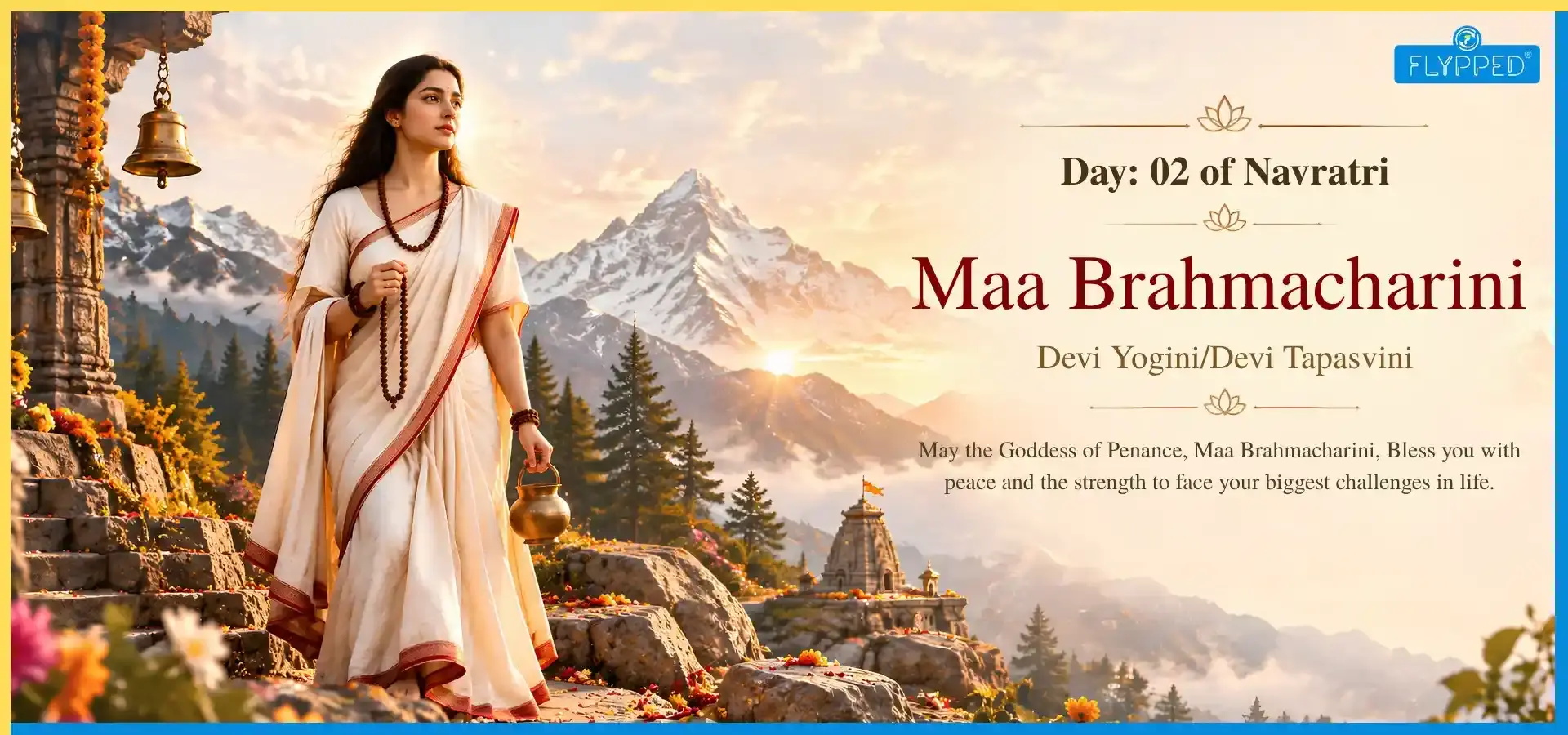
The 2nd day of Navratri is dedicated to Maa Brahmacharini, a powerful manifestation of Goddess Durga that embodies austerity, wisdom and inner strength. As the Navratri Day 2 goddess, her worship infuses devotees with calmness, unwavering focus and spiritual resilience. Engaging in the detailed Maa Brahmacharini puja vidhi with heartfelt devotion allows you to invite her grace and energy into your home.
By adhering to these sacred traditions and offering heartfelt bhog, you ensure a spiritually enriching observance. The date for this year's observance is Monday, 12 October 2026, Dwitiya Tithi. This blog will guide you through the puja vidhi, bhog, mantra, katha, aarti and colour associated with Maa Brahmacharini.
Who is Maa Brahmacharini? The Navratri Day 2 Goddess
Maa Brahmacharini is the unmarried, ascetic form of Goddess Parvati. The meaning of her name signifies that Brahma means tapas (penance) and charini means one who practises it. In iconography, she is depicted wearing white, holding a japa mala (rosary) in her right hand and a kamandalu (water pot) in her left and is shown barefoot. "Brahmacharini Mata" is also spelled "Bramcharini Mata" in many searches, and devotees also call her Tapascharini or Aparna.
Significance of Brahmacharini
Maa Brahmacharini stands for tapasya, patience, devotion, self-discipline and perseverance. Devotees traditionally pray to her for strength, focus and resilience, especially students and spiritual seekers. She is traditionally associated with the Swadhisthana (sacral) chakra and Mars (Mangal) in many Jyotish traditions. This association reflects the steady inner growth theme of the nine nights.
Maa Brahmacharini Katha (Story of Her Penance)
Parvati is born as the daughter of Himavan, and Sage Narada advises her to win Lord Shiva's heart. She undertakes severe tapasya for thousands of years, first living on fruits and flowers then leaves and finally giving up even dry leaves, which is why she is also called Aparna.
Her penance shakes the heavens and the gods and sages praise her, leading to Shiva's acceptance of her. The moral of her story is that sincere, consistent effort bears fruit. Note that versions of the Katha vary slightly by region and text.
Maa Brahmacharini Puja Vidhi (Step by Step)
1. Clean the Puja Area: Begin by thoroughly cleaning your puja space. This sets a pure environment for the rituals.
2. Place the Idol or Picture: Set up the idol or picture of Maa Brahmacharini. Decorate it with flowers and a diya.
3. Offer Flowers and Fruits: Present fresh flowers and fruits as offerings, symbolising purity and devotion.
4, Light the Diya and Incense: Create a peaceful atmosphere with the light and fragrance of incense.
5. Recite the Maa Brahmacharini Mantra: Chant the mantra for spiritual growth and wisdom.
- Main mantra: Om Devi Brahmacharinyai Namah meaning "Salutations to the Goddess Brahmacharini."
- Dhyana shloka: Dadhana kara padmabhyam akshamala kamandalu / Devi prasidatu mayi brahmacharinyanuttama meaning "May the great goddess Brahmacharini, holding a lotus in her hand with a rosary and a water pot, bless me."
- Stuti: Ya Devi Sarvabhuteshu Brahmacharini Rupena Samsthita, meaning "O Goddess who is worshipped in the form of Brahmacharini by all beings."
6. Perform Aarti: After chanting, perform the aarti while ringing the bell, expressing gratitude to the goddess for her blessings.
7. Conclude with Prasad: Share the prasad with family members, ensuring everyone receives her blessings.
Note: Ideally, chant the mantra 108 times on a mala. The best time of day for chanting is early morning.
Do's and Don'ts
- Do: Fast on this day, if possible and consume sattvic food.
- Don't: Include onion and garlic in your meals.
Maa Brahmacharini Bhog: What to Offer
The traditional offering for Maa Brahmacharini is sugar (shakkar) which many devotees offer for long life and good health for the family. Other common offerings include panchamrit, fruits and white sweets.
A simple kheer or sugar-based prasad can be made as an optional mini-recipe. Note that these offerings should be fasting-friendly (vrat).
Maa Brahmacharini Aarti
The aarti is sung at the end of the puja. Here is the traditional aarti text:
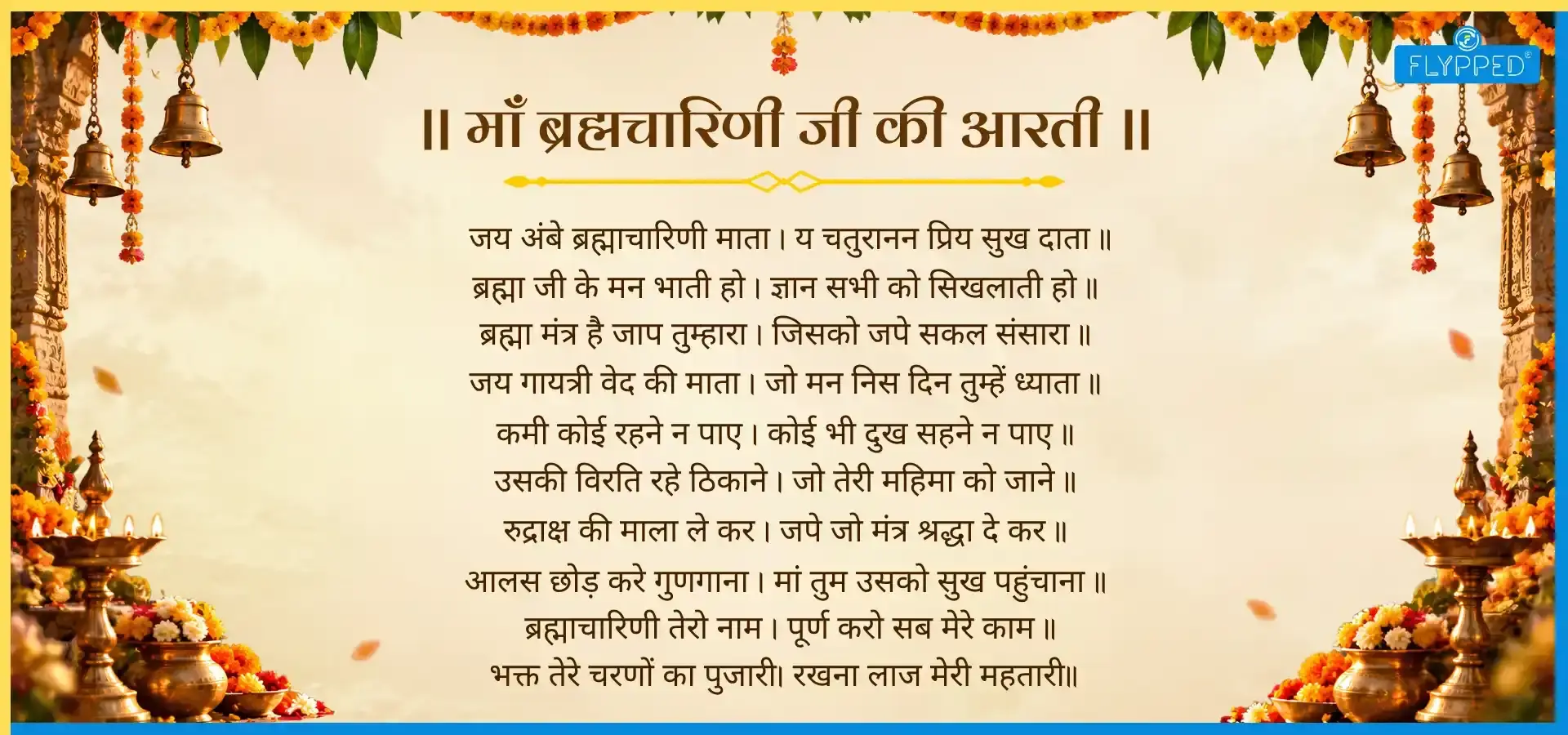
How to perform aarti:
- Light a diya.
- Move the diya in a circular motion in front of the deity.
- Sing the aarti while ringing the bell.
Brahmacharini Mata Colour for 2026
The popular Day 2 colour for 12 October 2026 (a Monday) is white symbolizing purity, peace and devotion. However, colour sequences are a modern tradition and not a religious requirement; they differ by region and calendar, so some sources list other colours. White outfits and puja decor can enhance the spiritual ambience.
What to Pray for on Day 2
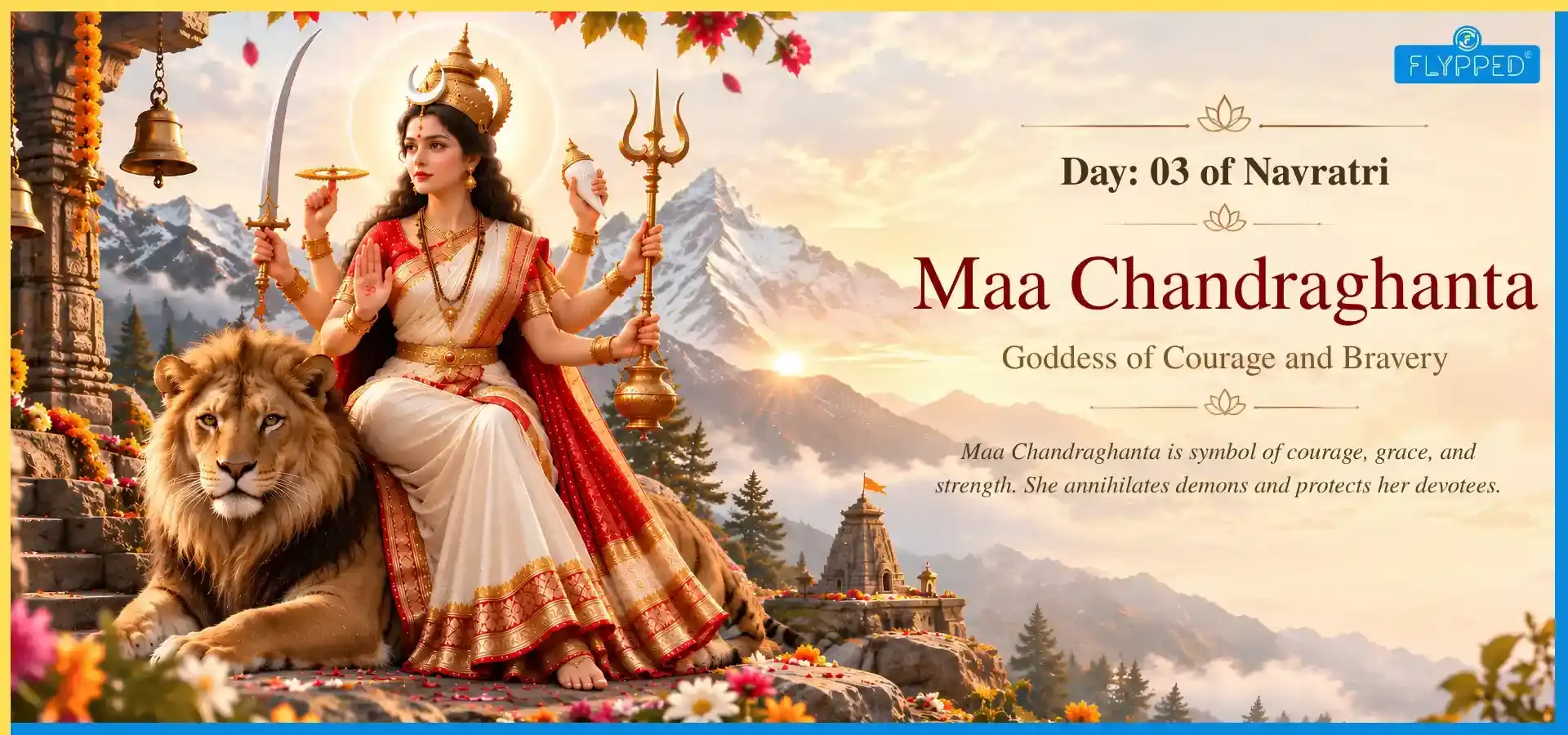
Consider journaling prompts or daily practices about discipline and focus. This day connects to Day 3, when Maa Chandraghanta is worshipped on 13 October.
Final Thoughts
Worshipping Maa Brahmacharini on the second day of Navratri brings a deep sense of tranquility, mental clarity and spiritual strength to your everyday life. Her story teaches us that genuine personal growth often requires patience, self-discipline and quiet devotion.
When you engage in rituals with heartfelt sincerity, you invite divine guidance and cultivate the emotional resilience needed to face daily challenges.
As you prepare your home for this sacred occasion, remember to follow the essential steps with care and maintain a peaceful mindset. Offering a simple sweet bhog is a lovely way to honour her pure and ascetic spirit.
Frequently Asked Questions
Find answers to common questions about this topic
You can offer plain sugar, unrefined sugar crystals, or fresh fruits as bhog. These choices honour the deity's ascetic nature, symbolizing purity, simplicity and sincere devotion during your prayers.
White or yellow is the traditional choice for the second day. This colour represents knowledge, optimism and spiritual growth, reflecting the warm energy of sacred festive celebrations.
The early morning hours, close to sunrise, are ideal for your prayers. This serene time carries high spiritual energy, perfect for chanting and meditation.
The story emphasizes the importance of patience, self-mastery and determination. It shows that steady effort and pure intentions can help us overcome difficult obstacles in our daily lives.
Absolutely! Devotion is what truly matters. A pure heart, clean lighting, simple sugar offerings and attentive chanting are all you need to receive divine blessings.