Why Diwali is Celebrated in India, History, Religious Significance, Rituals and Five Days of Diwali
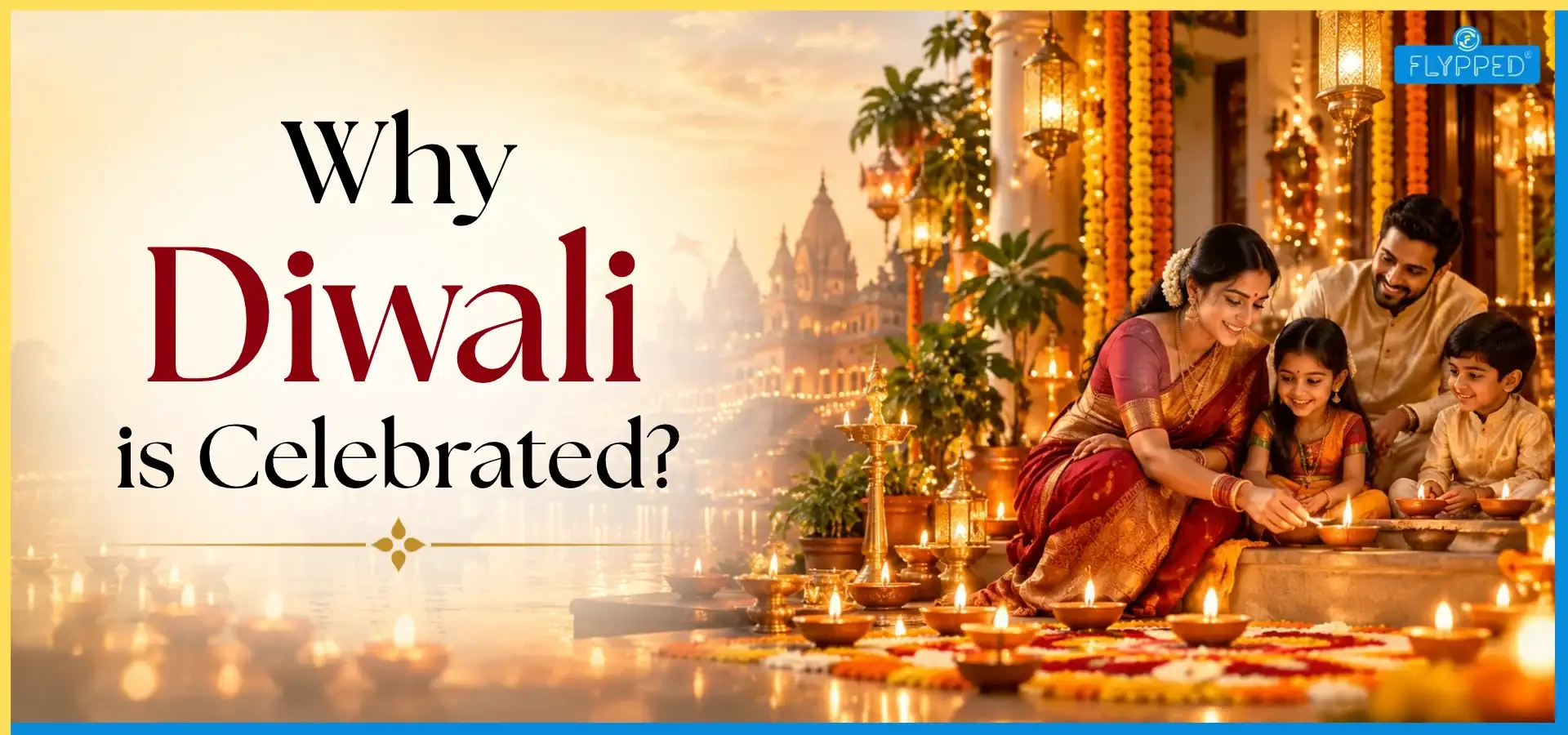
Diwali, often celebrated as the festival of lights, is a remarkable occasion that brings vibrancy to homes in India and throughout the global Indian community. Every autumn, countless households illuminate their surroundings with clay lamps and intricate rangoli designs. But when you dig deeper into why diwali is celebrated? You discover a rich tapestry of traditions that goes well beyond the tale of Lord Rama's return to Ayodhya. This festival is a beautiful celebration of various themes including the worship of Goddess Lakshmi, Lord Krishna's triumph over Narakasura and the joy of seasonal harvests.
Quick-facts: Diwali 2026 date: 12th November | Lakshmi Puja muhurat: 6:57 PM to 8:14 PM | Tithi: Kartik Amavasya
NOTE: Read spiritual insights, meditation tips, religious stories, and Latest updates for mindful living.
Why Diwali is Celebrated? The Core Meaning
Diwali symbolises the victory of light over darkness, good over evil, and knowledge over ignorance. The festival, known as “Deepavali,” means a row of lamps and falls on the new moon (Amavasya) of the Hindu month of Kartik (Ashwin in the Purnimanta calendar), usually in October-November.
The festival evolved from an autumn harvest and new-year festival into a pan-Indian celebration. Diwali is observed by Hindus, Jains, Sikhs and some Buddhist communities, each with its own significance.
Diwali celebrations can vary widely from one community to another, showcasing the festival's cultural richness. For example, in North India, the festivities are primarily linked to Lord Rama’s return, while in West India, the focus often shifts to worshipping Goddess Lakshmi. In South India, the celebrations highlight Krishna's victory, and in East India, they may coincide with the veneration of Goddess Kali.
These variations create a vibrant tapestry of customs, rituals and festivities. Each community adds its unique flavour to Diwali, from the types of sweets prepared to the specific prayers offered. The joy and togetherness experienced during Diwali resonate across cultures, making it a truly national festival.
Legends Behind Diwali: Why Different Regions Celebrate It
Return of Lord Rama to Ayodhya
After 14 years of exile and the defeat of Ravana, as told in the Ramayana. Common in North India, this story signifies the triumph of good over evil and the return of righteousness.
Goddess Lakshmi and the Churning of the Ocean
Lakshmi is believed to have emerged during Samudra Manthan, symbolising prosperity and wealth. Her worship is central to Diwali night, where devotees seek her blessings for abundance.
Krishna and Narakasura
The slaying of Narakasura by Lord Krishna, linked to Naraka Chaturdashi, is especially observed in South and West India. It represents the removal of negative forces and the arrival of joy.
Vamana and King Bali
Associated with Balipratipada, prominent in Maharashtra, Gujarat, and Kerala traditions, this legend tells the story of Vamana, the dwarf avatar of Vishnu, who subdued the demon king Bali, restoring balance.
Kali Puja in Bengal and Eastern India
In Bengal, Goddess Kali is worshipped on the Diwali new moon night, highlighting the fierce protective aspect of femininity and the triumph over darkness.
Other faith traditions
Jains mark the nirvana of Lord Mahavira, and Sikhs observe Bandi Chhor Divas, the release of Guru Hargobind Ji. These diverse beliefs and regional accounts illustrate the festival's rich multiplicity.
Each narrative embodies themes of victory and hope, encapsulating the universal message of light conquering darkness. Recognising these diverse origins enhances our understanding of why Diwali is celebrated in so many unique ways, each reflecting regional traditions and local beliefs.
Five Days of Diwali: What Each Day Means
| Day | Name | Significance |
| 1 | Dhanteras (Dhanatrayodashi) | Worship of Lakshmi, Kubera and Dhanvantari; buying metals or utensils to bring prosperity. |
| 2 | Naraka Chaturdashi (Choti Diwali) | Celebrates the victory over Narakasura; early-morning ritual bath; lamps lit to dispel darkness. |
| 3 | Lakshmi Puja (main Diwali, Amavasya) | Evening worship of Lakshmi and Ganesha, inviting wealth and wisdom into homes. |
| 4 | Govardhan Puja / Annakut (Balipratipada) | Commemorates Krishna lifting the Govardhan hill; food offerings made as gratitude; marks the new year in some regions. |
| 5 | Bhai Dooj | A day for brothers and sisters to honour and strengthen their bond, celebrating familial love. |
Note regional variations (for example, the Gujarati new year falls on day 4, and day dates can shift when tithis overlap).
Here’s a glimpse at some essential Diwali rituals:
- Cleaning and decorating homes: Families meticulously clean and adorn their homes to welcome Goddess Lakshmi, ensuring every corner radiates positivity.
- Lighting diyas and candles: The act of lighting diyas signifies the victory of light over darkness, symbolising hope and joy.
- Preparing sweets and snacks: Traditional sweets are made and shared among family and friends, fostering a spirit of generosity and celebration.
- Exchanging gifts and greetings: Families exchange gifts and warm wishes, reinforcing relationships and spreading happiness during this joyous season.
Engaging in these rituals allows individuals to embrace the essence of the festival, creating lasting memories that are treasured for generations. Understanding why Diwali is celebrated through these practices unveils the festival's deeper meanings, connecting people to their heritage and to each other.
Lakshmi Puja Mantra: What to Chant
1. General Lakshmi Mantra
- Sanskrit/Transliteration: Om Shreem Mahalakshmyai Namah
- Meaning: I bow and offer my salutations to the great Goddess Lakshmi.
2. Lakshmi Beej Mantra
- Sanskrit/Transliteration: Om Hreem Shreem Lakshmibhayo Namah
- Meaning: Salutations to Goddess Lakshmi, the source of energy and wealth.
3. Mahalakshmi Prosperity Mantra
- Sanskrit/Transliteration: Om Shreem Hreem Shreem Kamale Kamalalaye Praseed Praseed Om Shreem Hreem Shreem Mahalakshmyai Namah
- Meaning: O lotus-dwelling Goddess Lakshmi, please be pleased and bestow your grace upon me.
4. Lakshmi Gayatri Mantra
- Sanskrit/Transliteration: Om Shree Mahalakshmyai Cha Vidmahe Vishnu Patnyai Cha Dheemahi, Tanno Lakshmi Prachodayat Om
- Meaning: Let us meditate on the great Goddess, the consort of Lord Vishnu, and may she inspire and enlighten our intellect with abundance
How to Celebrate Eco Friendly Diwali
Celebrating Diwali can harmoniously blend joy and environmental mindfulness. Here are some straightforward yet impactful ways to ensure your festivities are more sustainable:
- Use Natural Decorations: Ditch the plastic and opt for decorations crafted from natural materials. Dried flowers, clay diyas, and biodegradable rangoli colours add charm without harming Mother Earth.
- Choose Eco-Friendly Diyas: Replace chemical-laden electric lights with traditional clay diyas. You can even make your own using local clay and decorate them with organic paints for a personal touch.
- Limit Fireworks: Fireworks lead to significant air and noise pollution. Consider reducing their use or selecting eco-friendly alternatives that produce less smoke and sound.
- Sustainable Gifting: When it’s time to exchange gifts, think about eco-friendly options. Handmade items, potted plants or experiential gifts can be thoughtful and sustainable alternatives to plastic toys and electronics.
- Reduce Waste: Plan your meals wisely to avoid excess food waste. Using reusable plates and cutlery instead of disposables can significantly minimise trash. Invite friends and family to bring their favourite dishes for a communal feast, allowing everyone to savour different flavours while easing the cooking burden.
- Community Clean-Up: After the celebrations, consider organising or joining a community clean-up. It not only benefits the environment but also strengthens community bonds. Organise a charity drive to collect food, clothes, or toys for those in need. This reflects the core values of sharing and generosity that Diwali embodies.
By embracing these tips, you can celebrate an eco-friendly Diwali that honours both tradition and the planet.
These ideas not only enrich the festive atmosphere but also promote unity and creativity among participants. As you reflect on why Diwali is celebrated, remember that the essence of this festival lies in joy, sharing and connection with others. Incorporating these unique elements can deepen your appreciation of the festival and help create cherished memories.
Final Thoughts
Diwali isn’t just a festival; it’s a beautiful celebration of light, hope, and community. Each day during Diwali comes with its own rituals and stories, all contributing to the vibrant spirit of this occasion. By understanding the reasons behind the festival, everyone involved can enjoy a more enriching experience, making it truly inclusive.
When you think about why Diwali is celebrated, it’s important to appreciate the tales that shape this festival. From the victory of good over evil to cherishing family ties, these narratives reinforce the values of love, unity, and gratitude.
Frequently Asked Questions
Find answers to common questions about this topic
Diwali is primarily linked to Lord Rama's return to Ayodhya after defeating Ravana. It also honours Goddess Lakshmi, Lord Krishna, and various regional customs.
A typical Diwali celebration in India features lighting oil lamps, adorning homes with vibrant rangolis, conducting evening prayers, exchanging sweets, and enjoying time with family and friends.
Key rituals during Diwali include adhering to the proper Diwali puja vidhi, reciting the Lakshmi Puja mantra, offering prayers for prosperity, lighting clay diyas and sharing traditional sweets.
Lights symbolise the triumph of knowledge over ignorance, good over evil, and hope over despair. Illuminating homes with lamps reflects this essential theme during the festival of lights.
Celebrating an eco-friendly Diwali involves using clay diyas, creating rangolis with natural colours, steering clear of noisy firecrackers, and gifting eco-friendly or handmade items to loved ones.