Navratri Day 4: Maa Kushmanda, the Goddess Behind the Creation of the Universe
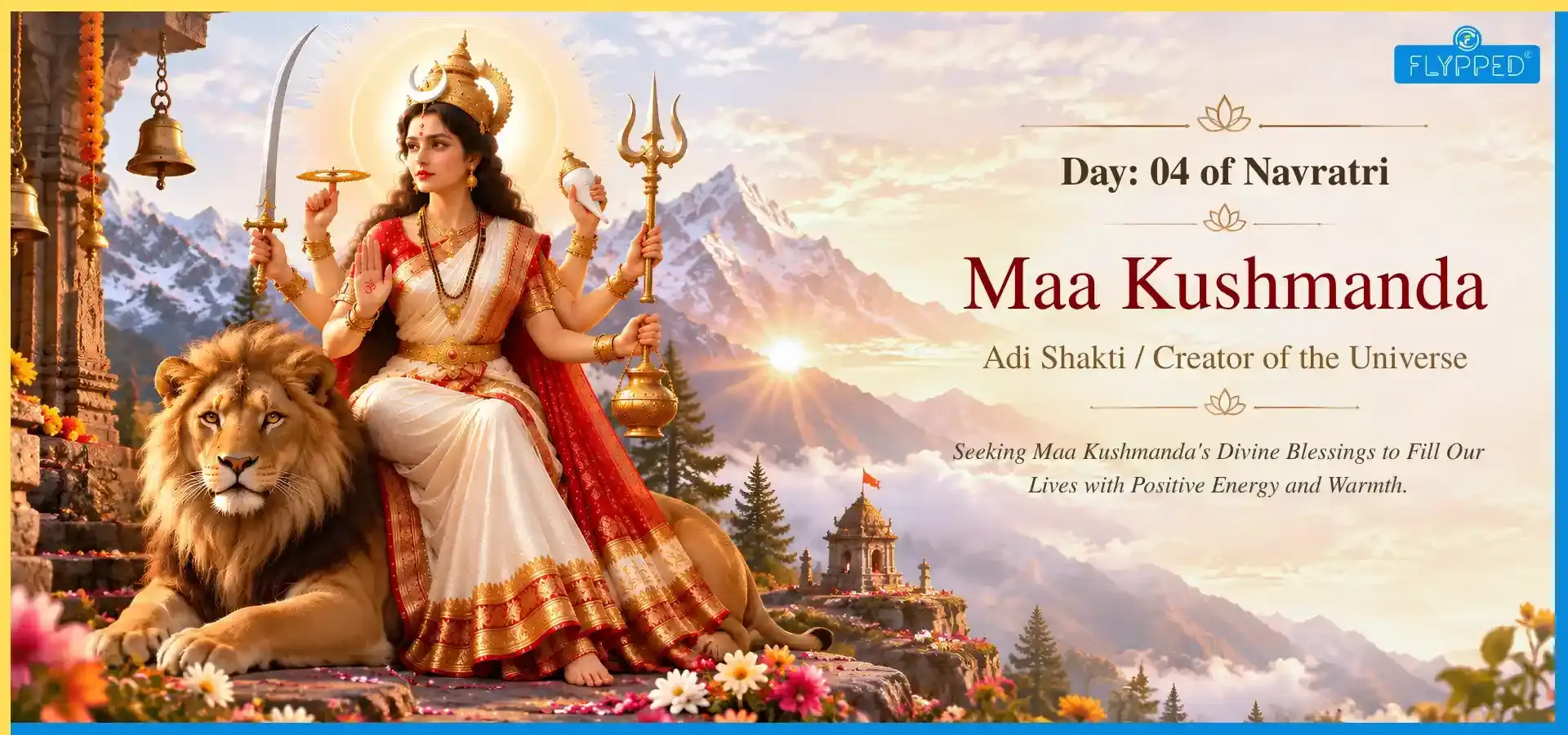
Maa Kushmanda, honoured as the fourth form of Goddess Durga is celebrated for her role in the creation of the universe. As we prepare for 14 October, 2026, a day devoted to her worship during Navratri, it’s a wonderful opportunity to look at her significance, the rituals associated with her and the deep teachings she imparts.
On Navratri Day 4, which falls on Wednesday, 14 October 2026 (Chaturthi tithi in India), devotees will engage in various rituals to honour her. In this blog, we will delve into the Maa Kushmanda Katha, puja vidhi, mantra, aarti, bhog, colour and the significance of Maa Kushmanda.
Everything You Need To Know about Maa Kushmanda
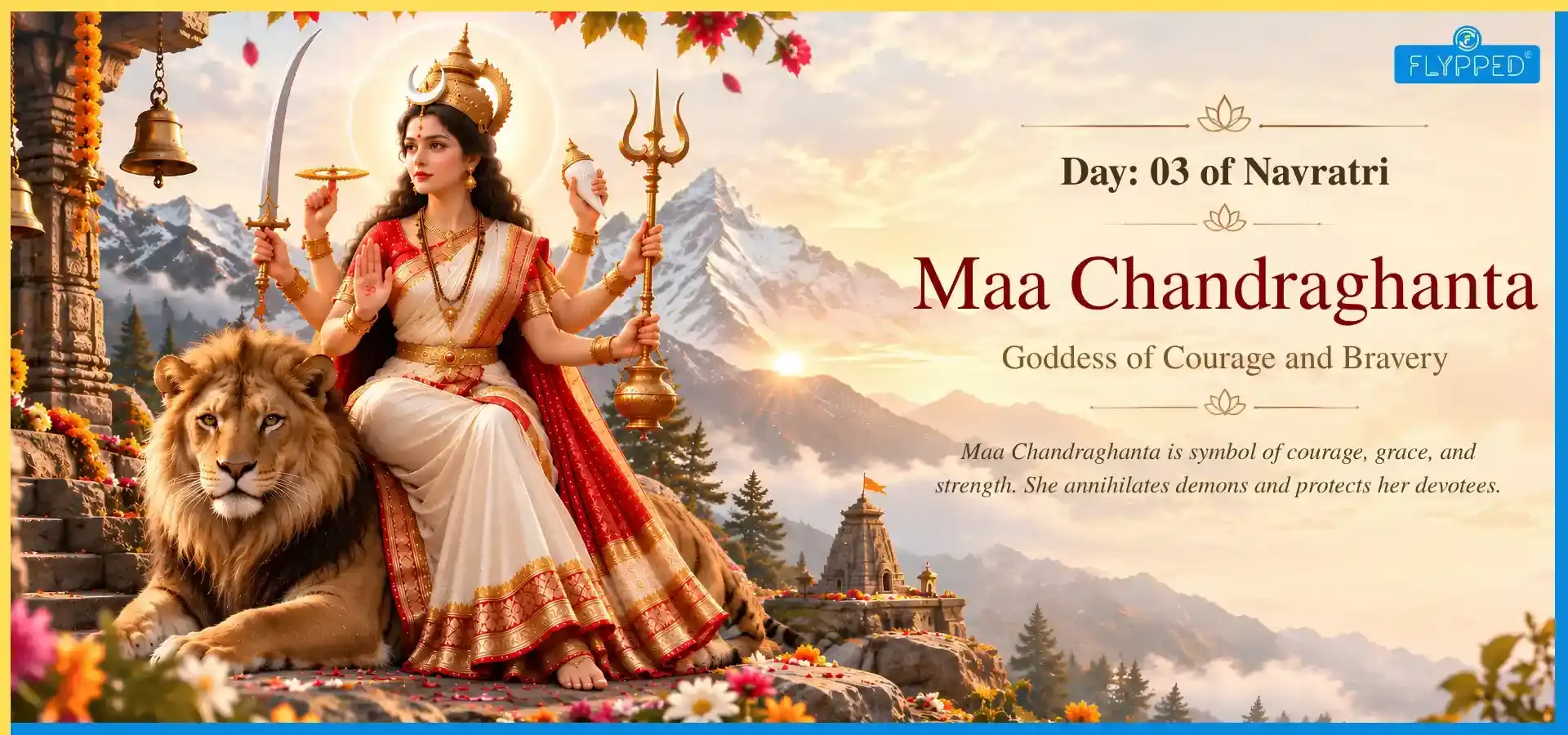
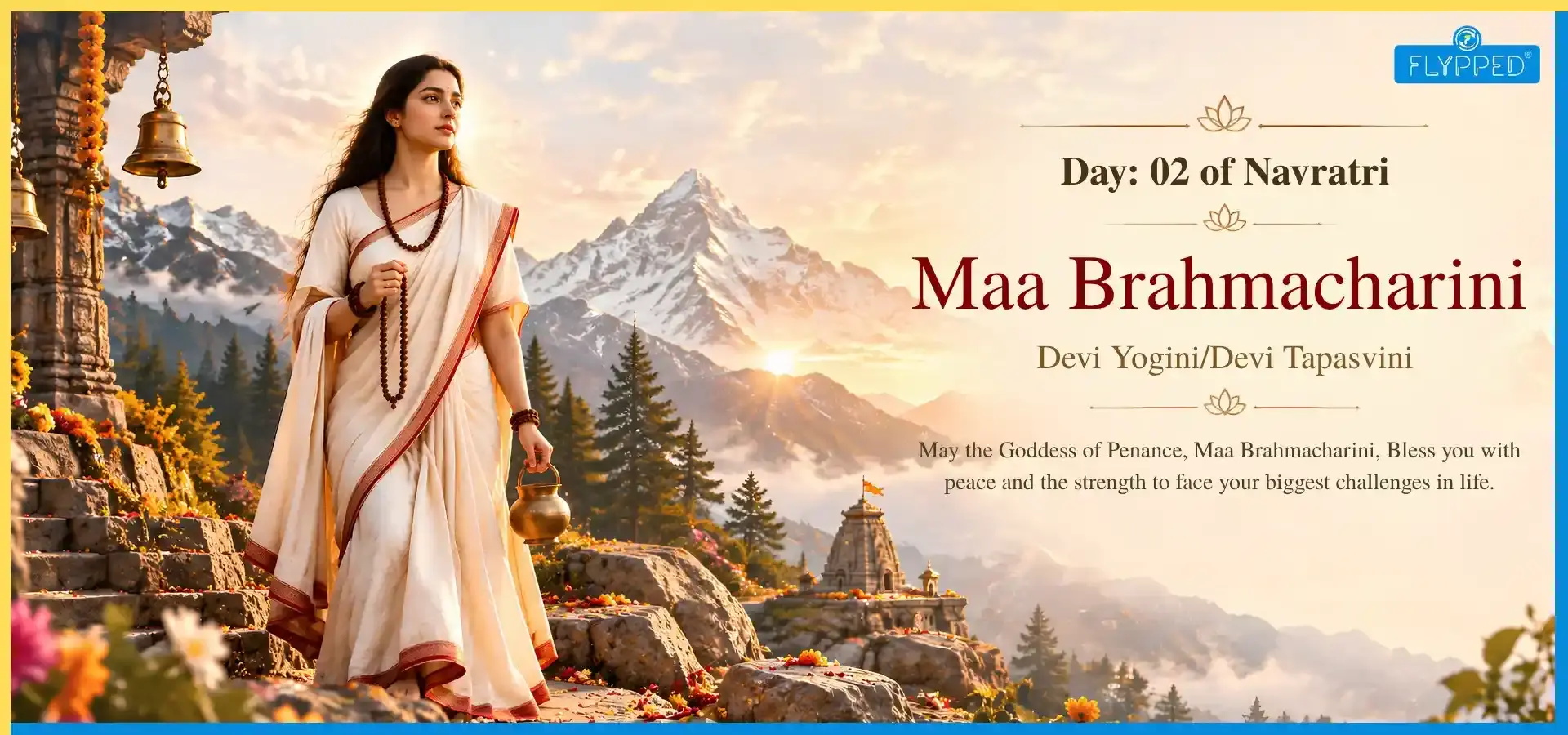
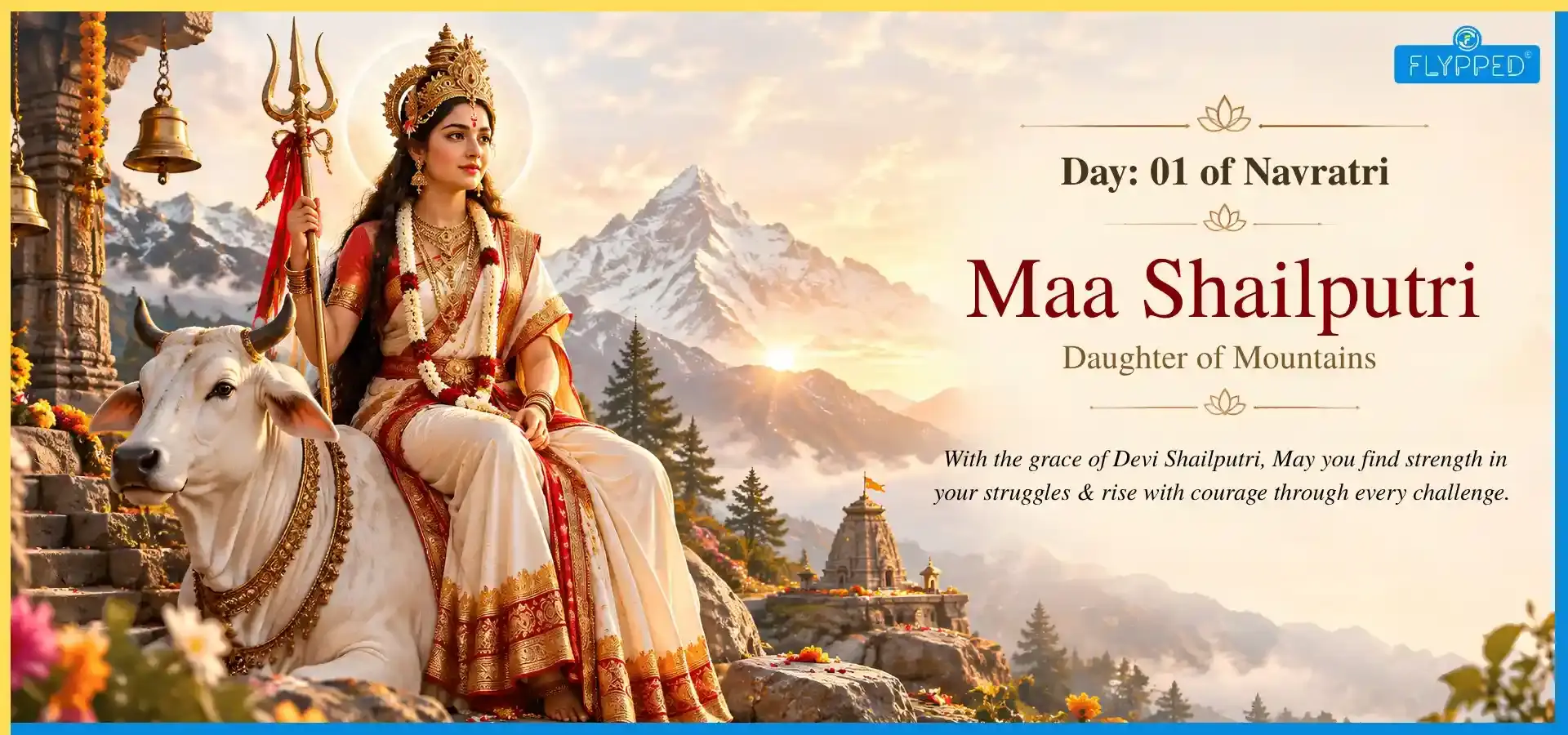
Maa Kushmanda occupies the fourth position in the Navadurga sequence: Shailaputri, Brahmacharini, Chandraghanta and then Kushmanda. The name "Kushmanda" is derived from "Ku" (little), "Ushma" (warmth or energy) and "Anda" (cosmic egg).
Her iconography is rich and meaningful:
Eight arms (Ashtabhuja)
The lion as her vahana
Objects she holds, such as the kamandalu, bow, arrow, lotus, amrit kalash, chakra, mace and japamala.
Maa Kushmanda resides in the core of the Sun, symbolising her link to Surya, the sun god.
Maa Kushmanda Katha/ Kushmanda Devi story
Maa Kushmanda is celebrated as the creator of the universe, a divine presence whose tales inspire and guide countless devotees. Legend says she emerged from the cosmic void, her radiant smile illuminating the darkness and bringing life forth. This act of creation highlights her nurturing spirit, symbolizing the endless possibilities that arise from love and joy.
A particularly significant story showcases her compassion during chaotic times. When the universe was shrouded in darkness, Maa Kushmanda created the sun, moon and stars, banishing the shadows and restoring balance. This moment not only reveals her immense power but also teaches us about the importance of bringing light into our own lives and the lives of those around us.
Her narratives often convey profound lessons, such as the value of positivity and resilience. Through her divine actions, she reminds us that even in adversity we can create beauty and harmony. The teachings of Maa Kushmanda encourage us to embrace our inner strength and pursue our dreams with unwavering faith and optimism.
Significance of Maa Kushmanda
Maa Kushmanda is a symbol of cosmic energy, creation and the sustaining life force. She is associated with the Anahata (heart) chakra which some sources link to this day. Devotees traditionally seek health, vitality, strength, removal of sorrow and illness and clarity of mind through her worship.
A spiritual takeaway from her teachings is the importance of brightness and warmth, even during dark phases. Day 4 sits mid-festival, after discipline (Day 2) and courage (Day 3), signifying balance in devotion and life.
Maa Kushmanda Colour for Day 4, 2026
The colour of the day is royal blue, a shade associated with calm and depth. However, wearing a set colour each day is a popular modern tradition rather than a religious requirement. It's important to note that colour lists differ between regions, communities and families while some lists may suggest orange or other colours for this day. Therefore, readers should follow their family or temple customs.
Maa Kushmanda Puja Vidhi: Step-by-Step for Day 4
To prepare for the worship of Maa Kushmanda, follow these steps:
Preparation: Take an early bath, clean the puja space and wear fresh clothes in the day's colour.
Sankalp: State that you are worshipping Maa Kushmanda on the fourth day.
Worship of Kalash and Ganesha: Begin the worship with the Kalash and then proceed to Maa Kushmanda.
Offerings: Present red flowers, roli or kumkum, sandalwood, incense and a diya.
Special Offering: If available, offer a white pumpkin (kushmanda) per tradition.
Chanting: Conclude with mantra chanting, the aarti and prasad distribution.
Note: A practical tip is to check local muhurat and tithi on a trusted Panchang, as timings may vary by city. For fasting devotees, ensure you adhere to the household's vrat rules.
Kushmanda Mata Mantra
The popular shloka is:
Surasampurna kalasham rudhirapluta meva cha, Dadhana hastapadmabhyam Kushmanda shubhadastu me.
This mantra expresses a plea for blessings and prosperity.
The stuti mantra:
Ya Devi Sarvabhuteshu Maa Kushmanda Rupena Samsthita, Namastasyai Namastasyai Namastasyai Namo Namah.
This praises the goddess as the divine essence in all beings.
A simple beej or short chant is:
Om Devi Kushmandayai Namah.
For effective chanting, aim for 108 repetitions with a mala, facing east, and remaining calm and focused.
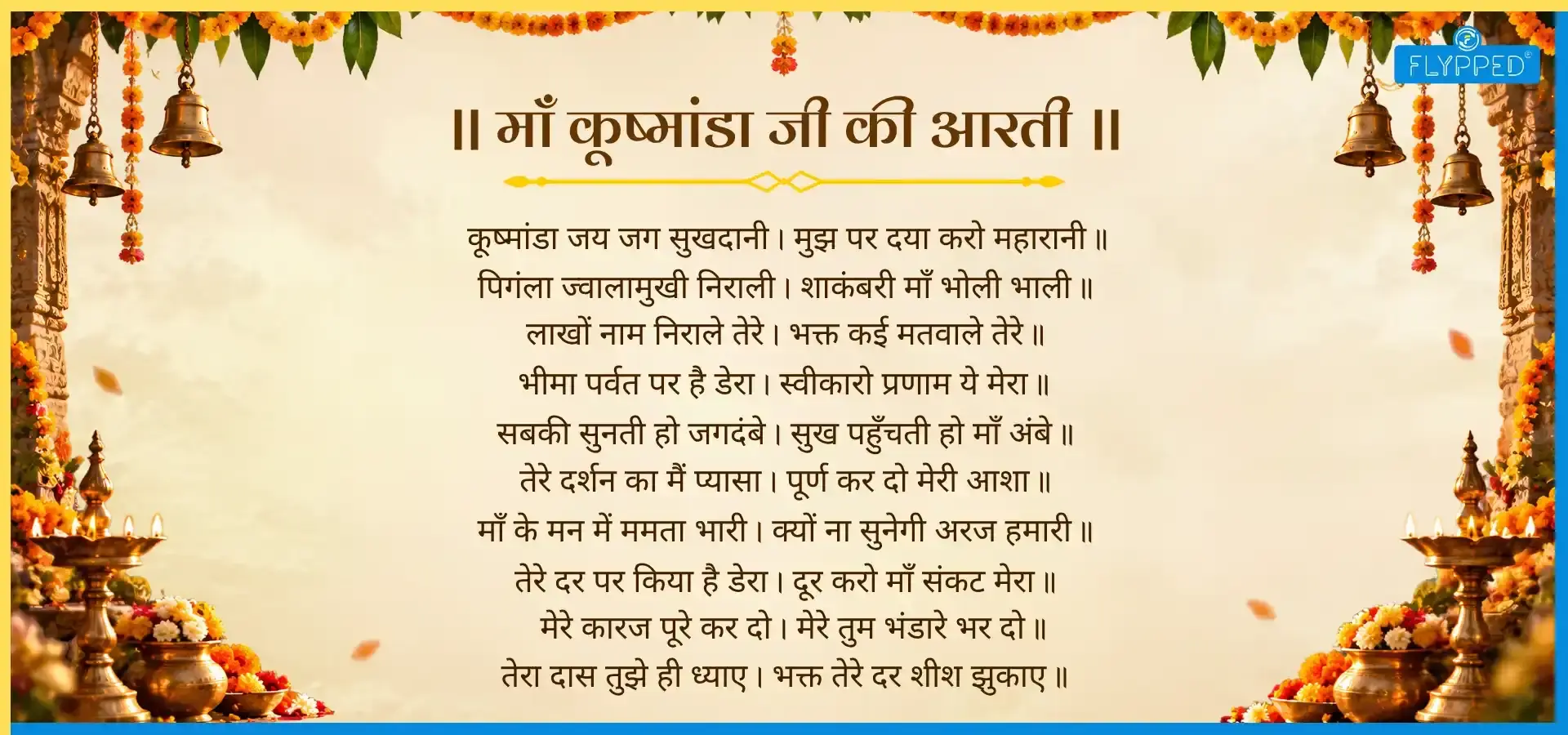
Kushmanda Mata Aarti
The Kushmanda Mata Aarti is performed at the end of the puja and holds great devotional meaning, praising the goddess and seeking her compassion and blessings.
Traditional Bhog Offerings for Maa Kushmanda
During the puja, devotees prepare Maa Kushmanda bhog which typically features offerings of pumpkin and various sweets. These dishes carry deep significance:
Pumpkin: This vegetable symbolizes nourishment and abundance, reflecting the goddess’s role as the source of creation.
Sweets: Often made from jaggery and milk, these represent the sweetness of life and the joy that comes from devotion. Malpua specifically holds special recognition among sweet offerings.
When preparing bhog, it’s important to select fresh ingredients, cook with love and present them beautifully on a clean plate. Offering the food to the goddess before consuming it signifies sharing a meal with her and receiving her blessings in return.
Fasting devotees should ensure that ingredients comply with their household's vrat rules (e.g., using sendha namak, kuttu or singhara flour).
Final Thoughts
Reflecting on the essence of Maa Kushmanda reveals her transformative teachings. This goddess, who created the universe with just a smile, embodies positivity, resilience and nurturing love. Worshipping Maa Kushmanda during Navratri invites a time of introspection and devotion.
On the 4th day of Navratri, as devotees partake in rituals like the Kushmanda Mata mantra and the Kushmanda Mata Aarti, they reaffirm their faith and commitment to the divine. This period goes beyond mere rituals; it’s an opportunity to connect deeply with the goddess and understand her significance in our lives.
Maa Kushmanda teaches us about inner strength and the ability to create beauty even in tough times. When offering Maa Kushmanda bhog often consisting of dishes like pumpkin and sweets, devotees not only fulfil spiritual duties but also share in the joy of creation and abundance that the goddess represents.
As you prepare for the festivities, remember that the heart of worship lies in the love and devotion you bring to the rituals. This Navratri, may you find strength in the teachings of Maa Kushmanda and experience her blessings in every aspect of your life.
Frequently Asked Questions
Find answers to common questions about this topic
Maa Kushmanda embodies the energy of creation and is honoured on the fourth day of Navratri, representing fresh starts.
Traditional bhog includes dishes made from pumpkin and sweets, symbolising abundance and prosperity.
The Kushmanda Mata mantra matters for her worship, assisting devotees in connecting with her energy during the puja.
Royal Blue is the colour linked to Maa Kushmanda, symbolising energy, enthusiasm and creativity.
To prepare for the puja, gather necessary items, prepare bhog and follow the established puja vidhi.