Navratri Day 1: Maa Shailputri Significance, Story & Puja Rituals
Sharad Navratri begins on Sunday, 11 October 2026 (Ashwin Shukla Pratipada) with Dussehra on 20 October. Maa Shailputri revered as the Navratri Day 1 Goddess represents strength and new beginnings. This blog covers her significance, story, rituals and offerings associated with the first day of Navratri, guiding devotees in their worship of Shailputri Mata.
Who is Maa Shailputri? The First Day of Navratri Goddess Explained
Maa Shailputri, fondly referred to as Shailputri Mata, embodies the essence of divine feminine energy. She represents both strength and stability. On the first day of Navratri, devotees come together to invoke her blessings, seeking empowerment and a fresh beginning. This day includes specific rituals that lay the foundation for the entire festival.
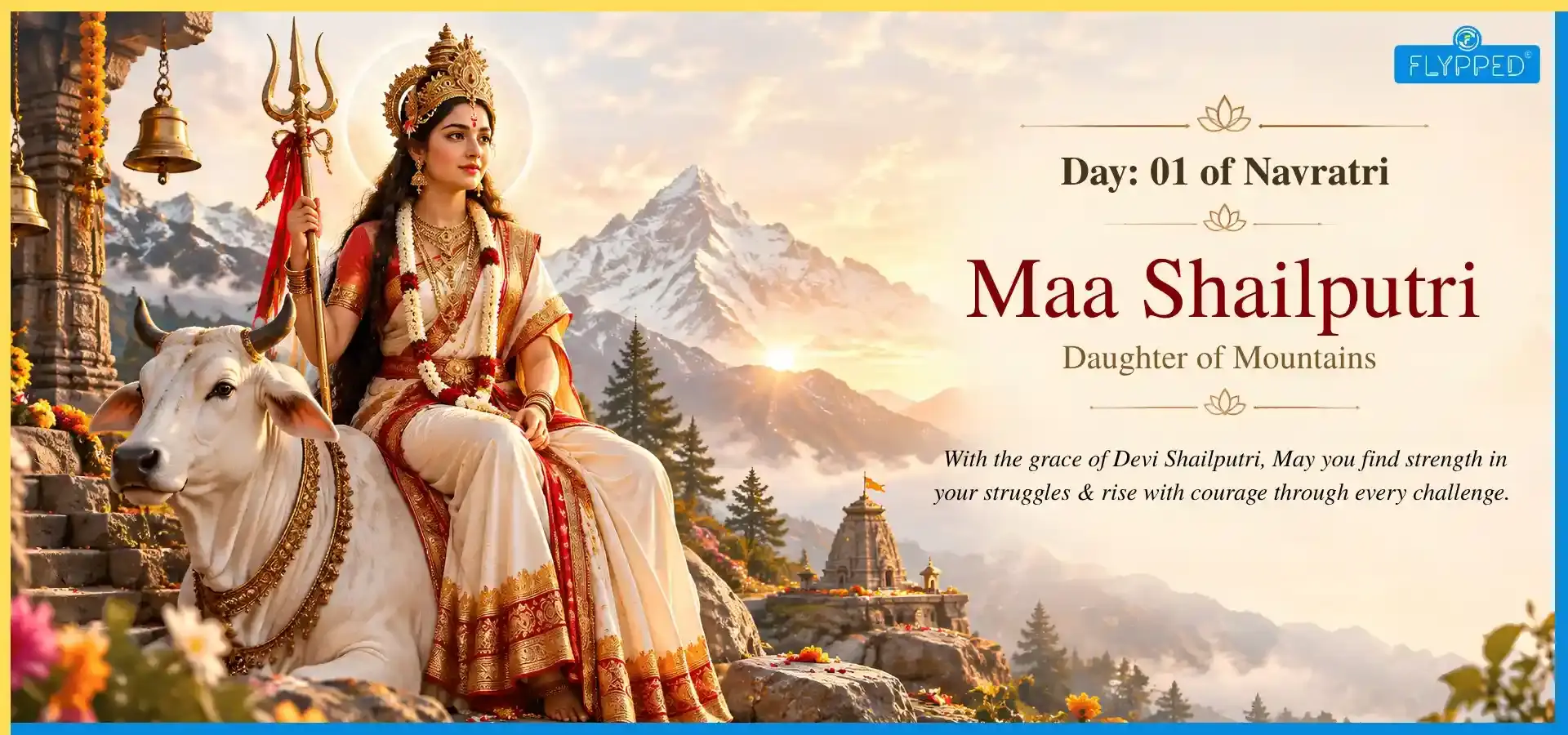
Maa Shailputri is the first of the Navadurga, worshipped on Pratipada. The name Shailputri derives from "Shaila," meaning mountain and "Putri," meaning daughter representing her as the "daughter of the Himalayas" (Parvat Raj Himavan). She is also known by other names such as Sati, Parvati, Hemavati and Bhavani. Within the nine forms of Durga, she holds a vital place as the initiator of the Navratri festival.
Maa Shailputri rides the bull Nandi (Vrisharudha), which is why she is also called Vrishabharudha. She holds a trident in her right hand, a lotus in her left, and has a crescent moon on her forehead. Each symbol represents her divine qualities: the trident signifies power, the lotus represents purity, and the crescent moon embodies tranquility.
Maa Shailputri Story/Maa Shailputri Katha
The story of Maa Shailputri Katha begins with her previous life as Sati, the daughter of Daksha. Sati married Lord Shiva but when Daksha insulted him during a yagna, Sati self-immolated out of devotion. She was reborn as Parvati, the daughter of Himavan and eventually reunited with Shiva. This tale illustrates the themes of devotion, resilience and renewal, embodying the essence of the Maa Shailputri story.
Maa Shailputri Significance: Why Day 1 Matters
Maa Shailputri significance on Day 1 is profound. She represents strength, stability and the initiation of spiritual practices. Her worship is linked to the Muladhara (root) chakra, symbolising grounding and stability. Additionally, she is popularly associated with the Moon, and it is believed that worshipping her eases emotional imbalances. The theme of new beginnings and discipline is embodied in the rituals performed on this day.
Shailaputri Devi Colour for Day 1 (2026)
Navratri colours follow the weekday every year. For 2026, sources differ on the Day 1 colour, with options including yellow or white.
- Traditionally, white is connected to the goddess's purity and peace.
- Also, yellow is associated with happiness and positive energy.
On this auspicious day, wearing white or yellow can enhance the festive atmosphere.
Navratri First Day Puja Vidhi (Step by Step)
Embracing the Navratri First Day Puja Vidhi is essential. Here’s a step-by-step guide:
1. Wake early, bathe and clean the puja space.
2. Take the sankalp (resolution).
3. Ghatasthapana (Kalash Sthapana): Place a clean pot filled with water, barley seeds in soil and a coconut on the kalash during the muhurat.
4. Light an akhand jyoti or diya.
5. Invoke Maa Shailputri and offer flowers, roli, akshat and incense.
6. For Maa Shailputri bhog, traditional offerings include pure desi ghee and white items such as kheer, milk sweets and sabudana. It is believed that offering ghee promotes good health. Try this low effort delicious bhog recipe this Navratri:
Ingredients:
- 1 cup samak rice
- 4 cups milk
- 1/2 cup sugar/jaggery/sweetener of your choice
- 1/4 cup nuts (cashews, almonds)
- Cardamom for flavour
Instructions:
- Wash and soak rice for 30 minutes.
- Boil milk and add soaked rice.
- Cook on low heat until rice is soft.
- Add sugar/jaggery/sweetener of your choice, nuts and cardamom, stirring well.
7. Chant the Maa Shailputri mantra. The primary Maa Shailputri mantra is "Om Devi Shailaputryai Namah" recommended to be chanted 108 times.
8. The dhyan shloka is "Vande Vanchhitalabhaya Chandrardhakritashekharam, Vrisharudham Shuladharam Shailaputrim Yashasvinim," which invokes her blessings for success and prosperity.
Hindi Translation: वन्दे वञ्च्छितलाभाय चन्द्रार्धकृतशेखरम्, वृषारूढं शूलधरं शैलपुत्रिं यशस्विनीम्।
Perform the aarti and distribute prasad.
Note: It is customary to observe a fast on this day, focusing on sattvic food and avoiding onion, garlic and alcohol.
Maa Shailputri Aarti
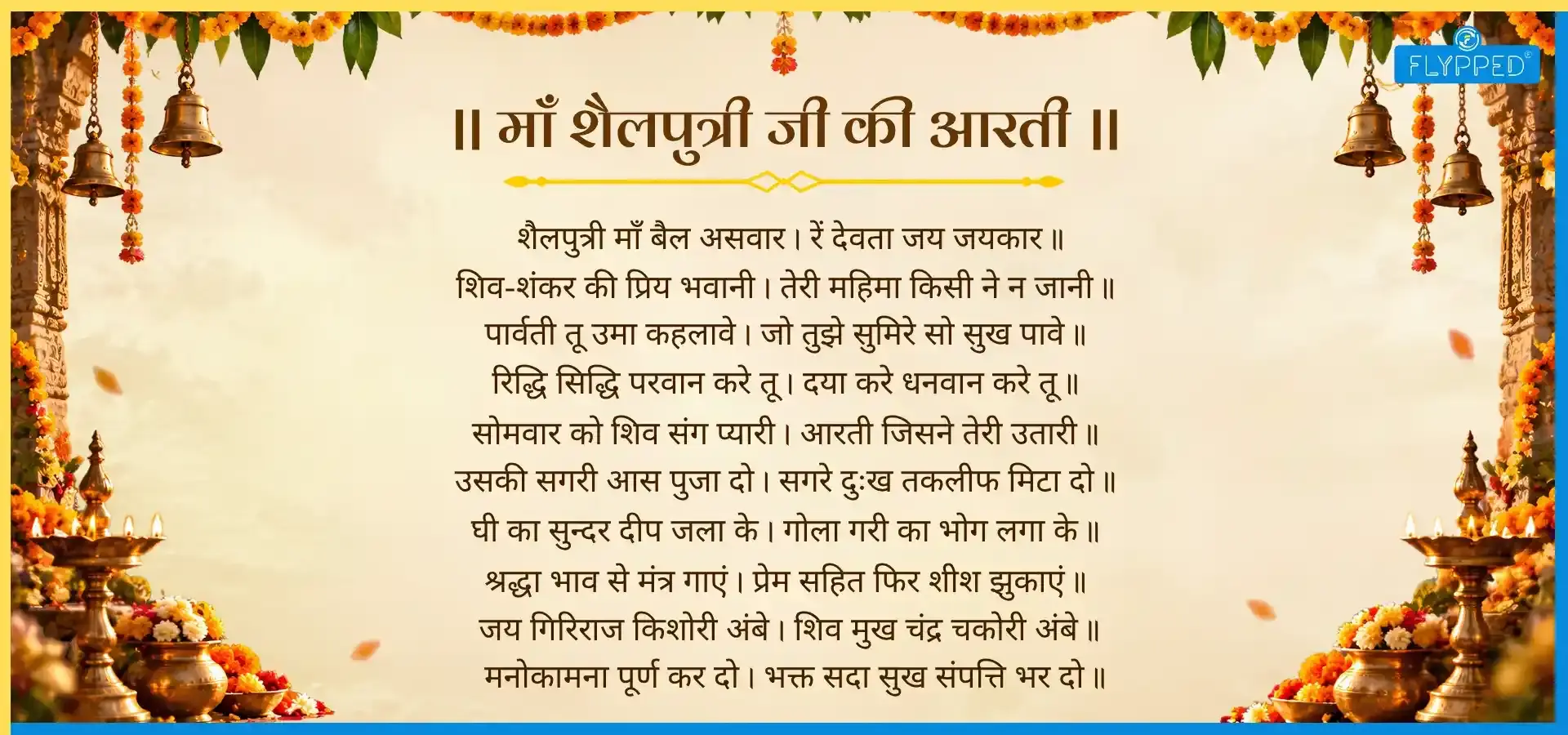
The Maa Shailputri Aarti should be performed at the end of the puja, typically in the morning and evening. For a licensed or devotional source, consider linking to an appropriate aarti version instead of reproducing the full text.
Do's and Don'ts on Navratri Day 1
Do:
| Don't:
|
Final Thoughts
Maa Shailputri embodies strength and new beginnings, making her worship on the first day of Navratri truly significant. Engage in the rituals and offerings to honour the goddess and pave the way for a fulfilling nine days of puja.
As you begin this sacred journey, remember to set your spiritual intentions, ensuring your nine-day experience is meaningful and complete.
Frequently Asked Questions
Find answers to common questions about this topic
The main ritual is Ghatasthapana, where a water-filled kalash is placed to invite divine energy into your home for nine sacred days.
Traditionally, pure milk items, ghee, sweets like samak rice kheer or sabutdana kheer and fresh fruits are offered to seek divine blessings and nurture spiritual energy.
Devotees typically wear white during morning prayers, as this this colour embodies purity and peace.
Establishing the sacred kalash anchors positive energy in your altar room ensuring that your spiritual practice remains balanced and complete.
Clean your home thoroughly, create a peaceful atmosphere and arrange the altar with fresh flowers and the necessary offerings.
She embodies quiet strength, patience and the power to overcome obstacles, making her an essential figure on the first day of Navratri. Her presence inspires devotion and resilience in devotees.