Navratri Day 5: Maa Skandamata, the Goddess of Motherhood and Protection
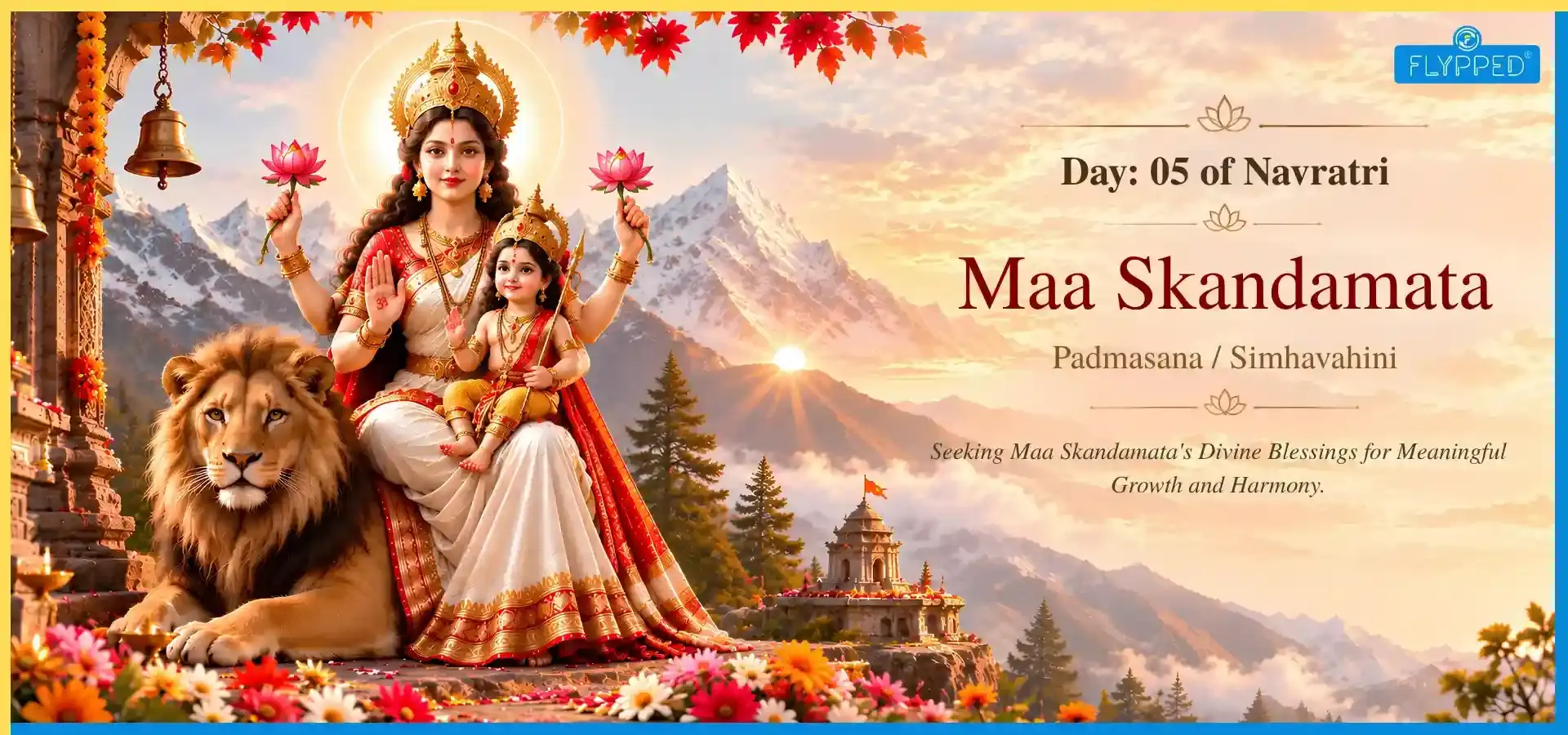
Maa Skandamata, the fifth form of Goddess Durga, is revered on the 5th day of Navratri. This marks a significant occasion for her followers. As the goddess of motherhood, she embodies nurturing, love and protection. On this auspicious day, devotees express their devotion through heartfelt rituals including chanting the Maa Skandamata mantra and performing the puja vidhi with sincerity.
The colour linked to Navratri Day 5 is yellow representing peace, joy, and happiness. Devotees don yellow attire and present bhog made from ingredients like bananas and gram flour which are dear to her. This offering, known as the 5th day of Navratri bhog, invites prosperity and joy into the lives of those participating in the rituals.
Maa Skandamata's importance goes beyond her divine presence; she exemplifies strength and compassion. Her story, celebrated through the skandamata devi aarti, motivates many to seek her blessings for guidance and support. Worship on this day allows devotees to connect with her nurturing energy, fostering peace and fulfillment.
Who is Maa Skandamata? (Navratri Day 5 Goddess)
Maa Skandamata is celebrated as the fifth form of Goddess Durga, embodying the spirit of motherhood. She’s often depicted as a radiant woman cradling her son, Lord Kartikeya, symbolising the deep bond of maternal love and protection.
This portrayal highlights both the nurturing side of a mother and the immense strength that accompanies it. Known for her wisdom and compassion, Maa Skandamata helps devotees overcome challenges. She serves as an inspiring figure.
Her serene expression and the lotus she holds represent purity and enlightenment. The association with Lord Kartikeya, a divine warrior, reinforces the belief that motherhood encompasses care and the imparting of strength and courage. By worshipping Maa Skandamata, devotees connect with these profound qualities, seeking her blessings for guidance in their lives.
Skandamata Story: How She Became the Mother of Skanda
The demon Tarakasura received a boon that only a son of Shiva could kill him. Goddess Parvati, as Shiva’s consort, gave birth to Skanda (Kartikeya). Skanda grew up to lead the devas’ army and defeated Tarakasura.
Parvati is worshipped as Skandamata because she is honoured as the mother of the divine commander. Note that Skanda is also known as Kartikeya, Murugan and Subramanya in different traditions. Retellings of this skandamata story vary by region and text, keeping the narrative factual.
Navratri Day 5 Colour 2026: Which Colour to Wear
The Navratri Day 5 colour for 2026 is Yellow, which most 2026 colour calendars list for 15 October. The colour sequence follows the weekday, which is why Day 1 (Sunday) is orange this year. Yellow stands for optimism, brightness, clarity and positivity. Note that colour lists can vary by region and publication.
Maa Skandamata Puja Vidhi: Step by Step
Celebrating the 5th day of Navratri with a puja for Maa Skandamata is a heartfelt ritual that brings peace and joy to devotees. Here’s a simple guide to help perform the puja with devotion:
Preparation: Start by cleaning your puja area, creating a serene space for worship. Set up a small altar and place an idol or picture of Maa Skandamata. Adorn her with fresh flowers and have a diya (lamp) ready to light.
Offering Flowers: Present fresh yellow flowers, her favourite, as a symbol of respect and love. Yellow represents happiness and prosperity, making it especially significant on this day.
Incense and Diya: Light incense sticks and the diya to create a divine atmosphere. This purifies the space, filling it with positive energy.
Chanting Mantras: Recite the Maa Skandamata mantra with sincerity. This includes singing her aarti, a prayer that praises her. The vibrations from these mantras are believed to invite her blessings.
Offering Bhog: Prepare the traditional bhog for this day, typically made with ingredients like bananas and gram flour. Place the bhog in front of the deity as a gesture of gratitude.
Prayers and Gratitude: After making your offerings, take a moment for quiet reflection. Express your wishes and gratitude for her guidance and blessings.
Aarti: Conclude the puja by performing the aarti. This beautiful ritual celebrates your devotion and invites the goddess's presence into your home.
The significance of each offering during the puja is profound. Every item holds meaning and is believed to attract Maa Skandamata's blessings. Engaging in these rituals sincerely enhances the spiritual experience, allowing for a deeper connection with her divine energy.
Maa Skandamata Mantra (with Meaning)
Beej/Naam Mantra: “Om Devi Skandamatayai Namah” (often chanted 108 times).
Dhyana Shloka: “Simhasanagata Nityam Padmanchitakaradvaya | Shubhadastu Sada Devi Skandamata Yashasvini.” Meaning, May Skandamata, who sits on a lion with two lotus-bearing hands, always grant auspiciousness.
Stuti Mantra: “Ya Devi Sarvabhuteshu Maa Skandamata Rupena Samsthita | Namastasyai Namastasyai Namastasyai Namo Namah.”
5th Day of Navratri Bhog: What to Offer Maa Skandamata
The traditional bhog is banana. Many also offer yellow sweets such as kesar kheer or halwa. Vrat-friendly options (sabudana, kuttu, singhara items) are fine for those fasting. Some traditions link bananas with good health and wellbeing.
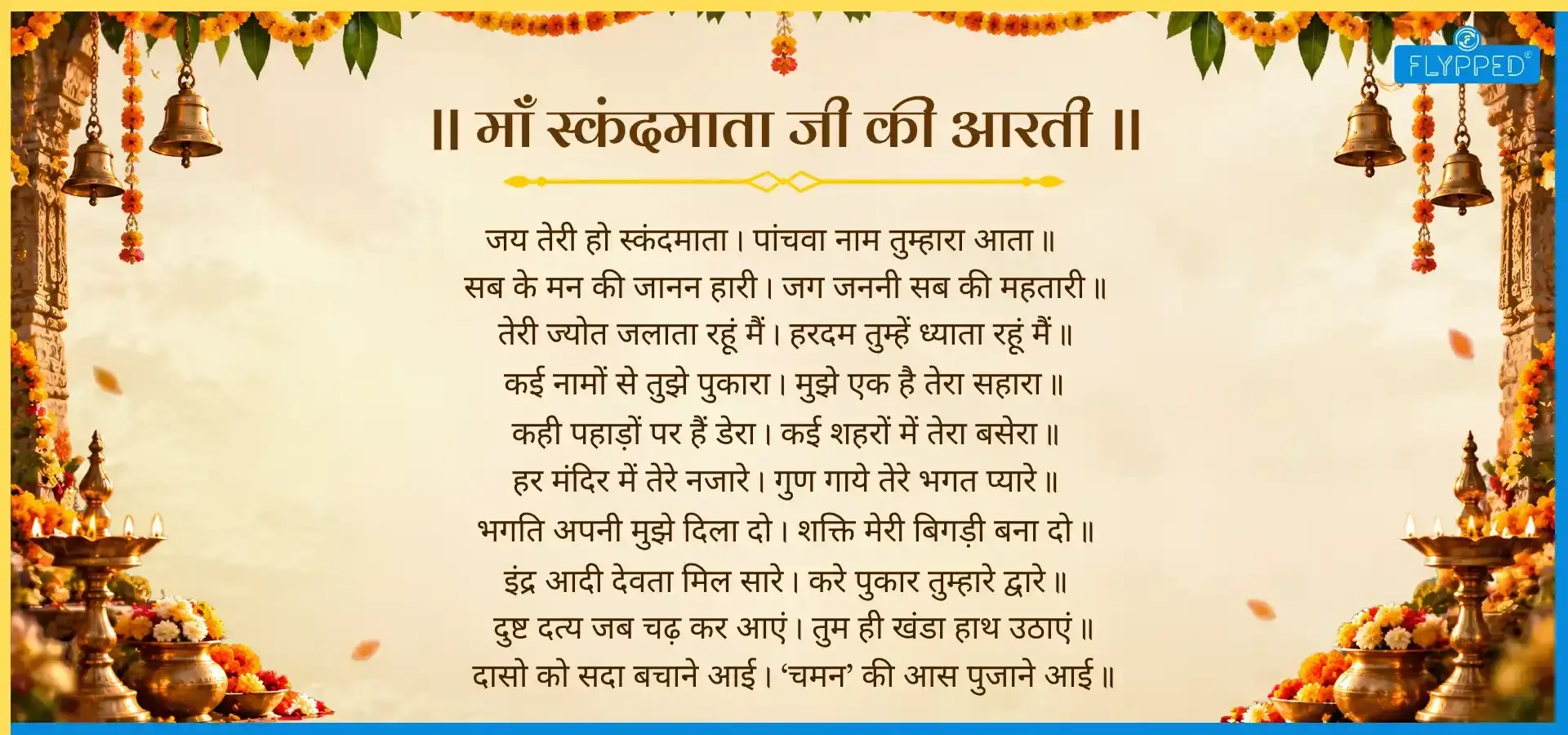
Skandamata Devi Aarti
The skandamata devi aarti is performed at the end of puja, with lamp and bell.
Benefits of Worshipping Maa Skandamata
Devotees believe that worshipping Maa Skandamata brings:
Peace of mind
Protection of children and family
Wisdom and spiritual progress
The blessings of both Mother and Son
Do’s and Don’ts on Navratri Day 5
|
|
Final Thoughts
Reflecting on the significance of Maa Skandamata during Navratri reveals that her worship offers a deeply enriching experience for devotees. Engaging in rituals dedicated to her strengthens spiritual ties and nurtures a sense of community and shared devotion. The 5th day of Navratri is particularly special, celebrating the essence of motherhood, compassion, and resilience through lively rituals and heartfelt offerings.
As devotees don yellow attire, symbolizing joy and positivity, they invite the goddess’s blessings into their lives. Wearing yellow on this special day enhances the festive spirit, reinforcing intentions of love and respect towards Maa Skandamata.
Frequently Asked Questions
Find answers to common questions about this topic
Maa Skandamata
Yellow
Thursday, 15 October
Banana
“Om Devi Skandamatayai Namah”
Because she is the mother of Lord Skanda (Kartikeya).