
What is Pitru Paksha? Know Its Significance, Rituals & Sacred Traditions

Pitru Paksha holds a special place in the Hindu calendar, dedicated to honoring and remembering our ancestors.
This significant observance takes place during the lunar month of Bhadrapada, usually falling between late September and early October.
It's a time filled with meaningful rituals and ceremonies that aim to bring peace to the souls of departed family members.
Throughout this fortnight, families engage in rituals known as Shraddha, which matter for paying tribute to their ancestors.
The period culminates in Mahalaya Amavasya, a day dedicated to special prayers and offerings that invite the spirits of ancestors to join in the meals prepared for them.
Understanding the traditions and rules surrounding Pitru Paksha can enhance one’s appreciation for this time of remembrance.
The rituals often involve offerings of water and food, symbolizing gratitude and respect for those who have gone before us.
Observing Pitru Paksha not only honors our ancestors but also serves as a beautiful reminder of our family connections and cultural heritage.
What is Pitru Paksha | Understanding the Historical Background
Pitru Paksha is steeped in Hindu tradition, with origins traced back to ancient texts that stress the importance of honoring one's ancestors.
This period serves as a time for reflection and remembrance, helping individuals connect with their heritage.
Vedic scriptures underscore the practice of ancestral worship, showing that these rituals have been vital to Hindu culture for centuries.
Observing Pitru Paksha reminds us of the familial ties that span generations, reinforcing the notion that our ancestors’ matter for the lives of their descendants.
Spiritual Importance
In Hindu philosophy, Pitru Paksha carries significant spiritual meaning. It’s a chance for individuals to show gratitude to their ancestors, acknowledging the sacrifices made for future generations.
During this time, believers participate in various rituals, such as Shraddha, which are thought to bring peace to ancestral souls.
The faith behind these practices is rooted in the belief in an afterlife, where the blessings of ancestors can positively impact their descendants’ lives.
So, performing the rituals linked to Pitru Paksha is viewed not only as a duty but also as an expression of love and respect, nurturing a sense of continuity and connection within the family lineage.
Dates and Duration of Pitru Paksha
Pitru Paksha Dates
In 2026, Pitru Paksha kicks off on September 26 with Purnima Shraddha, and the main rituals begin the following day, September 27.
This significant period stretches until October 10, wrapping up with Sarva Pitru Amavasya, a day set aside for honoring all ancestors with prayers and offerings.
One of the highlights during this time is Mahalaya Amavasya, a special day when families conduct elaborate rituals to invite the spirits of their ancestors to share in the offerings made for them.
Variations in Observance
The observance of Pitru Paksha can differ based on regional calendars, leading to some variations in the start and end dates.
Some traditions may begin on September 26, while others might officially recognize September 27 as the kickoff.
This variation stems from the lunar calendar’s tithis (days), influencing how families celebrate this sacred period.
Regional practices also shape the rituals conducted during Pitru Paksha.
While core customs—like Shraddha ceremonies and offerings of water and food—remain similar, the specific rituals can vary between communities.
This diversity showcases the rich mix of Hindu culture, where local beliefs and traditions play a significant role in how important events like Pitru Paksha are observed.
Pitru Paksha Shraddha | Key Dates in Pitru Paksha
| DATE | EVENT | SIGNIFICANCE |
| September 26 | Purnima Shraddh | Marks the beginning of Pitru Paksha |
| September 27 | Pratipada Shraadh | Commencement of main rituals |
| October 10 | Sarva Pitru Amavasya | Conclusion of the Pitru Paksha period |
Understanding the key dates during Pitru Paksha is essential for participating in the rituals and honoring ancestors properly.
It all kicks off on September 26 with Purnima Shraddha, marking the start of this sacred observance.
Families get ready to pay tribute to their ancestors through important rituals.
The very next day, September 27, is Pratipada Shraddha. This day signals the beginning of the main ceremonies, where families perform rituals like Tarpan, offering water and food to their ancestors.
These acts stem from the belief that such offerings bring comfort and nourishment to the spirits of those who have passed.
The observance wraps up on October 10 with Sarva Pitru Amavasya.
This day holds special significance as families unite to make offerings and prayers for all their ancestors, ensuring their memories are cherished and their souls find peace.
Honoring these dates not only fulfills spiritual duties but also deepens family connections, linking the living with their heritage.
Prominent Quote on Ancestors
"To be without ancestors is to be without a past." - Unknown
This quote carries a profound meaning during Pitru Paksha, a special time set aside for honoring our lineage.
Observing this period highlights the importance of remembering those who paved the way before us.
By acknowledging our ancestors, we deepen our connection to our family history and strengthen our roots, fostering a sense of belonging and continuity.
During Pitru Paksha, rituals like Shraddha provide a heartfelt way for individuals to express gratitude and love for their departed family members.
These practices are far more than mere customs; they embody a deep connection to our heritage.
Engaging in these rituals affirms that the past shapes both the present and the future.
What is Pitru Paksha Significance
The spiritual beliefs surrounding these observances underscore the significance of maintaining this bond, ensuring that our ancestors are honored and remembered.
In many ways, this quote reflects a universal truth: understanding where you come from enriches your grasp of who you're today.
As you participate in the rituals of Pitru Paksha, take a moment to reflect on the sacrifices and lessons your ancestors imparted.
This period serves as a reminder that while they may no longer walk among us, their influence continues to guide our lives.
Embracing this connection can bring comfort and a deeper appreciation for the legacies we carry forward.
Pitru Paksha Rules
Observing Pitru Paksha comes with certain rules and guidelines that enhance the spiritual depth of the rituals.
Participants are encouraged to approach these practices with sincerity and respect, ensuring that the offerings made are genuine and heartfelt.
To properly honor your ancestors during Pitru Paksha, there are several crucial rituals that families should engage in:
- Shraddha: A ritual where offerings are made to the ancestors.
- Tarpanam: An offering of water to appease the spirits.
- Offerings: These generally include food and items that ancestors cherished.
Approaching these rituals with sincerity and intention is vital, as the energy behind your actions plays a significant role.
Foods to Offer and Avoid

During this sacred time, specific foods are traditionally offered to ancestors while others are best avoided.
Foods to Offer:
- Rice
- Black sesame seeds
- Water
Foods to Avoid:
- Non-vegetarian dishes
- Alcohol
- Drugs
Activities to Refrain From
To maintain the sanctity of this period, there are certain practices to avoid:
- Steer clear of purchasing new items, particularly gold and jewelry.
- Refrain from engaging in negative actions or behaviors.
- It’s advisable to limit social gatherings.
What is Pitru Dosh | Signs to Notice
| TYPE | SYMPTOMS |
| Finance | Loss in business, job stagnation, financial instability, and recurring debts |
| Mental & Physical Health | Depression, disturbed peace in house, and unknown reason of constant sickness |
| Dreams | Dreaming for deceased forefathers asking for help, snakes in dreams, or falling from somewhere |
| Personal Life | Delay or failure in marriage, miscarriages, marital discord, and problems with children |
Remedies for Pitru Dosh
There are several rituals you can practice to alleviate the effects of Pitru Dosh:
- Pitru Paksha Puja: A special ceremony held during the Pitru Paksha period dedicated to honoring ancestors.
- Tarpanam and Shraddha: Offerings made to appease the souls of the departed, often involving water mixed with sesame seeds.
- Food and Water Offerings: Nourishing crows and other animals is a simple yet significant way to honor your ancestors.
Simple Daily Remedies
Incorporating these easy acts into your daily routine can help mitigate Pitru Dosh:
- Feeding Stray Animals: Regularly feeding stray animals, especially crows, is believed to be a gesture that honors your ancestors.
- Acts of Charity: Engaging in charitable deeds brings peace to ancestral spirits and fosters goodwill.
- Observing Fasts: Fasting on significant tithis like Amavasya and Mahalaya can strengthen your spiritual connections.
- Worshipping Sun God: Offer Arghya to the Sun with “Om Suryaya Namaha” or observe Sunday fasting.
- Chanting Specific Mantras: For peace and liberation of souls, chant Maha Mrityunjaya Mantra and Pitru Gayatri mantra.
What is MahalayaAmavasya Pitru Paksha?
The Significance of This Sacred Fortnight
Pitru Paksha, often referred to as the fortnight of the ancestors, holds deep cultural significance in Hinduism.
It’s a time focused on remembering and paying tribute to loved ones who are no longer with us.
While the observance has evolved over the years, its essence remains unchanged — it’s all about expressing gratitude and seeking blessings from our ancestors.
Mahalaya Amavasya, which falls at the end of this period, highlights the bond between the living and the deceased, making it an important moment for reflection and reverence.
Rituals and Observances During This Time
Throughout Mahalaya Amavasya Pitru Paksha, several meaningful rituals are performed to honor our ancestors.
One of the key practices is Tarpan, where offerings of water and food are made to appease the spirits of the departed.
Another significant custom is Brahmin Bhoj, a meal offered to Brahmins for their blessings.
Here are some of the common rituals observed during this sacred time:
- Offering food and water to ancestors.
- Performing prayers and homas (sacred fire rituals).
- Engaging in charitable acts in memory of ancestors.
Dates and Timing for 2026
In 2026, Mahalaya Amavasya will be observed on October 10, marking the conclusion of Pitru Paksha, which begins on September 27.
Here's a handy overview of the key dates:
| Date | Event |
|---|---|
| September 26 | Purnima Shraddha |
| September 27 | Start of Pitru Paksha |
| October 10 | Mahalaya Amavasya |
Keep in mind that the dates of observance may vary based on regional customs and local traditions.
Regional Variations in Celebrations
Mahalaya Amavasya is particularly vibrant in West Bengal, where it's celebrated with great enthusiasm.
Various local customs, such as immersing idols of Goddess Durga in rivers, mark the occasion.
In other parts of India, families often gather to perform rituals, wearing traditional attire and preparing special dishes as offerings.
Each region adds its unique touch to the festivities, enriching the overall cultural experience.
Spiritual Benefits of Observing This Time
Participating in rituals during this sacred period is believed to bring spiritual benefits to families.
It's seen as a way to secure the blessings of ancestors, fostering well-being and prosperity within the lineage.
Engaging in these observances cultivates a sense of connection and continuity.
As noted by the esteemed spiritual leader Swami Sivananda, "The memory of the departed ancestors is essential for the peace and prosperity of the living."
Embrace the Tradition
Mahalaya Amavasya Pitru Paksha is much more than a collection of rituals; it’s a heartfelt opportunity to connect with your roots and express gratitude to your ancestors.
By taking part in these sacred practices, you can strengthen family bonds and establish a legacy of respect for your heritage.
As this important time draws near, consider honoring those who came before you, nurturing a sense of belonging and continuity within your family.
Why Crows Are Fed During Shraadh?
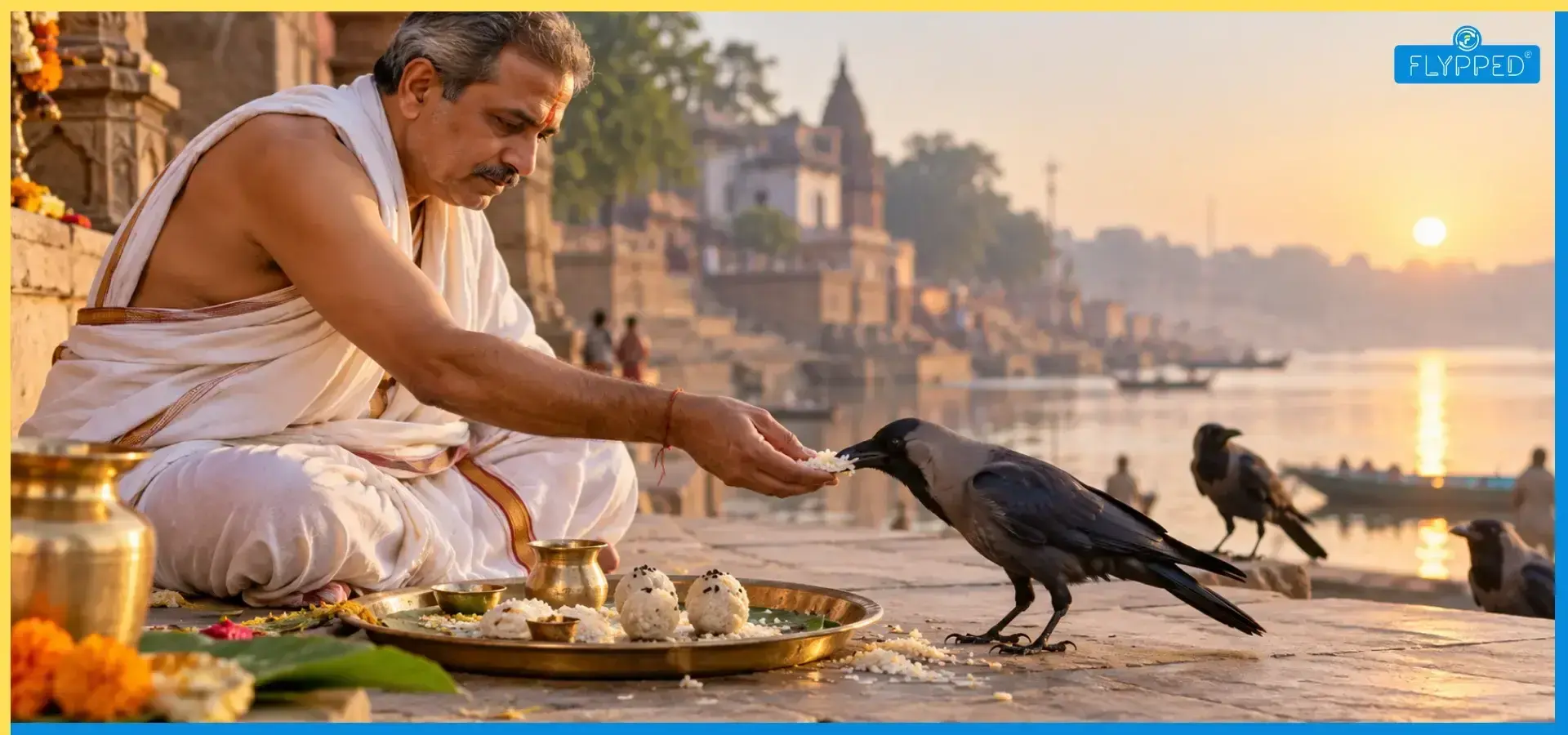
Feeding crows during Pitru Paksha holds deep meaning in Hindu culture, serving as a powerful way to honor and remember our ancestors.
This tradition arises from the belief that crows act as messengers for the departed souls, making them essential during this sacred time.
Feeding crows during this period is deeply entrenched in spiritual beliefs. Many people think this act ensures peace for the ancestors and strengthens family ties.
Some of the spiritual benefits associated with this practice are:
- Ensuring peace for ancestors
- Strengthening family connections
- Attracting blessings for prosperity
What If Crow Does Not Eat Your Offering During Shraadh?

As mentioned above, feeding crows during Pitru Paksha or shraadh has significance in our Hindu belief.
But what if it does not accept your offering? It can make you worry that your ancestors are not happy with you.
Well, this is a myth—no need to feel bad if the black bird isn't interested in your offering. Cows, dogs, fish, and ants are other alternatives to feed during Shraadh.
In Hinduism, people believe all deities are present in cows, while dogs are seen as symbols of Yama, the god of death.
Hence, feeding cows or dogs is considered a way to offer food to ancestors. Sometimes, people also put food in ponds or rivers for fish.
Conclusion
Now you know what is Pitru Paksha. It is a heartfelt reminder of the ties that link the living to those who have passed on.
By paying tribute to our ancestors through rituals and offerings, we not only seek their blessings but also reflect on our lineage and heritage, nurturing a sense of continuity and belonging.
This sacred time invites you to pause and appreciate the sacrifices made by those who came before us, bridging the gap between generations.
Engaging in Pitru Paksha rituals, like the Shraddha ceremony and Tarpan, allows families to express their gratitude and love for their ancestors.
These practices go beyond mere tradition; they embody a deep spiritual connection that enriches our understanding of family history.
By taking part in these observances, you contribute to a legacy that honors the past while nurturing the present.
The rituals during this period also encourage reflection and strengthen family bonds.
As you gather with loved ones to perform these sacred acts, you reinforce not just your ties to your ancestors, but also to each other.
Remembering is a powerful act, reminding us that our lives are shaped by a mix of histories, stories, and lessons passed down through the years.
By embracing the essence of what Pitru Paksha signifies, you cultivate a deeper appreciation for your roots.
This time serves as an opportunity to recognize the significance of your ancestry and to carry forward the values and teachings that have shaped your family's journey.
As you honor those who came before, you fortify the bonds of love and remembrance that connect us all.
Frequently Asked Questions
Find answers to common questions about this topic
Pitru Paksha is a 16-day Hindu period dedicated to remembering and honoring deceased ancestors. During this time, families traditionally perform rituals such as Shraddha and Tarpan to pay respect to their Pitrs and seek their blessings.
Pitru Paksha is observed to express gratitude and respect toward departed ancestors. According to Hindu traditions, performing Shraddha and offering food and water during this period is believed to provide peace to the souls of ancestors.
Pitru Paksha generally lasts for 16 lunar days and falls during the Krishna Paksha of the Hindu month of Bhadrapada or Ashwin, depending on the regional calendar. The period ends with Sarva Pitru Amavasya.
Common Pitru Paksha rituals include Shraddha, Tarpan, Pind Daan, and offering food to Brahmins, cows, crows, and other beings. Ritual practices can vary according to family traditions and regional customs.
Yes. Hindu traditions allow families to perform Shraddha and Tarpan for deceased parents, grandparents, and other ancestors. Sarva Pitru Amavasya is traditionally considered an occasion to perform rituals for ancestors whose specific death date is unknown.