
India Refuses Women's Asia Cup Trophy: Why Did the Team Skip the Presentation?
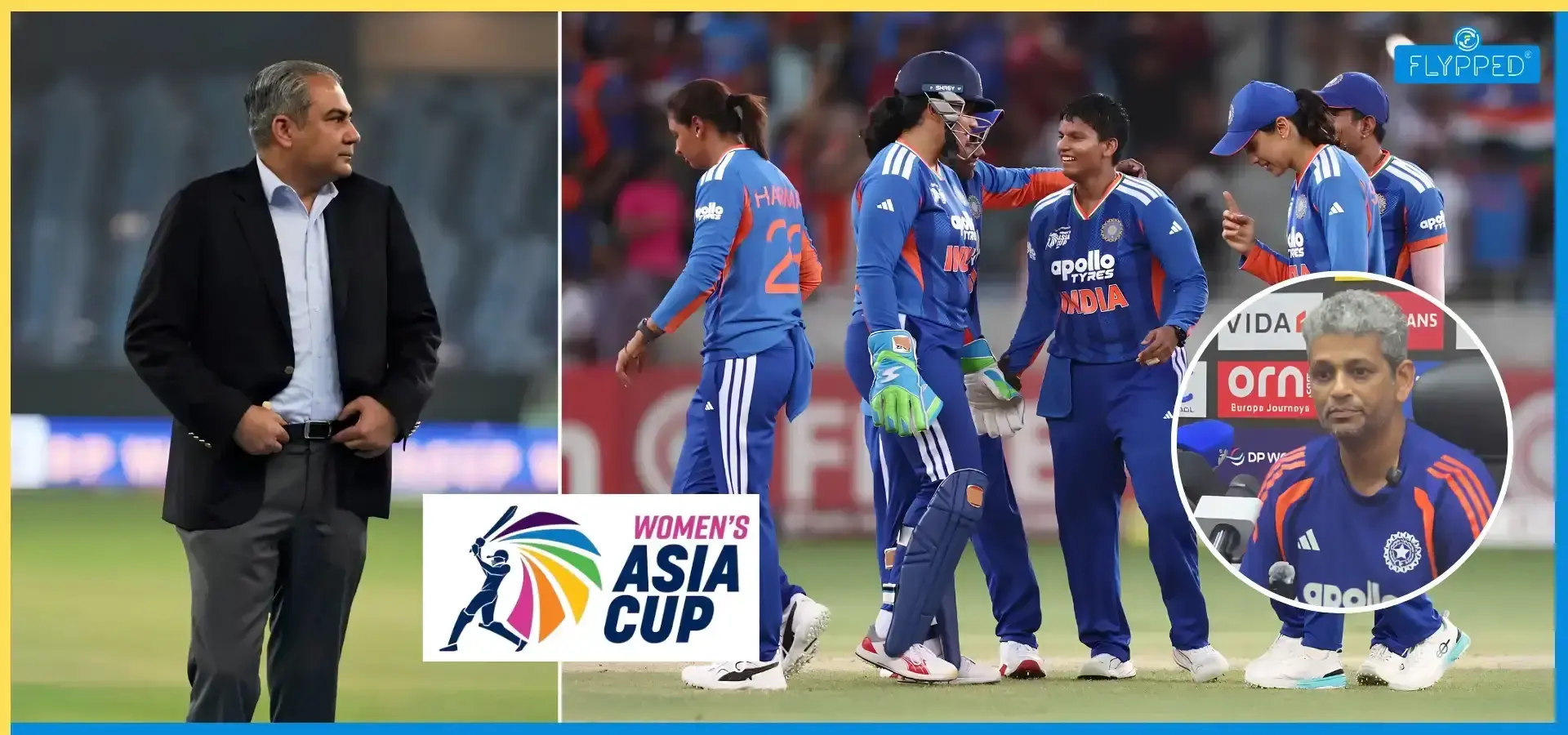
India's choice to reject the Women's Asia Cup Trophy has sparked considerable discussion within the cricket community.
This decision highlights a stance on various issues related to the tournament and the treatment of women's sports.
India Refuses Women's Asia Cup Trophy: What Was The Reason?
The India women's cricket team, which has shown remarkable performance, found itself in a position that led to this bold action.
Central to this conversation is the Board of Control for Cricket in India (BCCI). Mohsin Naqvi, a prominent figure in cricket administration, shared his thoughts on the implications of this refusal.
NOTE: Follow cricket news, football updates, live scores, match analysis, and other latest news.
He stressed the importance of enhancing support and recognition for women's cricket, noting that turning down the trophy sends a strong message about the current state of the sport.
Looking ahead to the Women's Asia Cup 2026, this decision underscores the increasing visibility of women's cricket and the ongoing struggle for equality in sports.
As the team faces these challenges, their refusal to accept the trophy may mark a significant turning point for the future of women's cricket in India.
Understanding the Refusal: The Context of India’s Decision
Background on the Women's Asia Cup 2026
The Women's Asia Cup has served as a vital stage for women’s cricket since it first launched.
Designed to boost and celebrate the game in the region, this tournament brings together Asian nations, fostering healthy competition and enhancing the sport's visibility.
The upcoming 2026 edition, set against a backdrop of growing interest in women’s sports, aims to honor the remarkable achievements of female athletes while providing them with a platform to shine.
Over the years, the Women's Asia Cup has significantly boosted awareness and support for women's cricket.
It not only showcases athletic talent but also inspires young girls to take up the sport, strengthening the foundation of women's cricket across Asia.
Reasons Behind the Refusal
India Refuses Women's Asia Cup Trophy: The BCCI's choice to forgo the trophy presentation stems from several factors that highlight the ongoing fight for equality in sports.
This decision, which has sparked both support and criticism, reflects a call for greater recognition and backing for women's cricket.
By refusing to accept the trophy, the BCCI could be signaling a protest against the disparities in treatment between women's and men's sports.
BCCI and Mohsin Naqvi
Amol Muzumdar, an influential figure in cricket administration, has addressed this issue, noting that while victories are crucial, the acknowledgment and support for women's cricket should match the players' achievements.
His comments underscore the broader implications of the BCCI's decision.
“Off-field stuff, we don’t focus on it,” he remarked, stressing the importance of prioritizing the game over the controversies that occasionally overshadow it.
This refusal to accept the trophy sends a powerful message that resonates with the ongoing discussions about equity in sports.
It holds governing bodies accountable for recognizing the contributions of female athletes and ensuring they receive equal attention and support as their male counterparts.
As these conversations continue, the India women's cricket team is leading this movement, advocating for change and working toward a future where women’s sports receive the respect and recognition they deserve.
India Refuses Women's Asia Cup Trophy: India's decision not only underscores the challenges faced by women in sports but also highlights the necessity for a unified effort in advocating for equity and recognition.
As the dialogue progresses, the ramifications of this refusal will likely shape the future of women's cricket in India and beyond.
Implications for the India Women's Cricket Team
Impact on Team Morale and Image
The decision to refuse the Women's Asia Cup Trophy carries significant weight for the India women's cricket team.
This choice could impact players' morale, creating uncertainty around their recognition and support for achievements.
Despite their commendable performances, this refusal may come off as a slight against their hard work and commitment.
Players may find themselves torn between pride in their stand and disappointment at the lack of acknowledgment.
Several scenarios could affect team dynamics:
- Decreased Motivation: Feeling undervalued might dampen players' enthusiasm for upcoming tournaments.
- Increased Unity: This refusal could strengthen the bond among team members as they unite for a common cause.
- Media Scrutiny: The decision may invite both positive and negative media attention, shaping public perception of the team.
- Pressure for Performance: With heightened attention on their actions, players could feel increased pressure to perform exceptionally in future competitions.
- Impact on Recruitment: Potential recruits might reconsider their commitment to the team based on its public stance and the backing from governing bodies.
Future Prospects for Women's Cricket in India
The BCCI's bold move could reshape the future of women's cricket in India. It underscores the ongoing struggles for equity and recognition within the sport.
As conversations around the refusal progress, this attention may lead to a closer examination of how women's cricket is funded and promoted.
India Refuses Women's Asia Cup Trophy: By declining to accept the trophy, the BCCI signals a desire for more substantial acknowledgment of women's cricket.
This could prompt changes in how the board supports player development and future tournaments. Several potential outcomes may arise:
- Increased Investment: This refusal might lead the BCCI to allocate more resources to women's cricket, enhancing training facilities and support systems.
- Development Programs: There may be a renewed focus on grassroots initiatives, encouraging more young girls to pursue cricket.
- Sponsorship Opportunities: With growing attention on women's cricket, brands could seek partnerships, leading to improved financial backing for teams.
- Enhanced Visibility: Ongoing discussions might result in more media coverage, highlighting the talent and dedication of female cricketers.
India Skips Trophy Presentation | Reaction from the Cricket Community
BCCI Decision On Asia Cup Trophy
India Refuses Women's Asia Cup Trophy: The BCCI's decision to refuse the Women's Asia Cup Trophy has stirred a variety of reactions within the cricket community.
Officials from the BCCI have rallied behind the India women's cricket team, affirming that this decision signifies a broader commitment to equality and recognition in sports.
Mohsin Naqvi emphasized the importance of the governing body actively championing women's cricket and ensuring that their accomplishments are celebrated fittingly.
Amol Muzumdar on Mohsin Naqvi
Amol Muzumdar, a well-respected voice in cricket administration, also shared his thoughts.
He pointed out that while victories are significant, the spotlight needs to remain on the recognition and support female athletes rightfully deserve.
This perspective resonates with many in the cricket world, who view the BCCI's move as a meaningful stride towards achieving gender equality in sports.
India Refuses Women's Asia Cup Trophy: Fans and cricket aficionados globally have expressed their opinions passionately regarding this decision.
A considerable number support the refusal, seeing it as a brave stand against long-standing issues in women's sports.
Social media has been alive with discussions, with supporters voicing pride in the team's position, while others advocate for a more nuanced approach to such situations.
Comparative Analysis with Other Teams
To grasp the implications of India skipping the trophy presentation, it's helpful to compare this with recent actions taken by other countries.
Below is a table showcasing various instances regarding trophy acceptance and refusal in international tournaments:
| Team/Country | Tournament | Action Taken | Reason for Action |
| India | Women’s Asia Cup 2026 | Refused Trophy Presentation | Protest against lack of recognition |
| England | Women's World Cup 2025 | Accepted Trophy | Acknowledgment of achievements |
| Australia | ICC Women's T20 World Cup 2024 | Refused Trophy Presentation | Addressing gender disparities in funding |
| Pakistan | Women's Asia Cup 2022 | Accepted Trophy | Celebration of women's cricket achievements |
| New Zealand | Women's T20 World Cup 2023 | Accepted Trophy | Recognition of team efforts and success |
The contrasting approaches of other nations, such as Australia and England, highlight different attitudes toward trophy acceptance, often celebrating their victories without public protest.
India Refuses Women's Asia Cup Trophy: In contrast, the India women's cricket team's refusal stands out, underscoring the significant disparities in support and recognition that female athletes continue to encounter.
These actions not only shed light on the varied perspectives regarding trophy acceptance but also reflect the ongoing battle for equality in sports.
As the India women's cricket team champions for change, their decision to decline the trophy may inspire other nations to reevaluate their own practices concerning the recognition of women's achievements in cricket.
Conclusion
India's refusal to accept the Women's Asia Cup Trophy marks a significant moment in the evolution of women’s cricket.
This decision highlights ongoing challenges related to recognition and support for female athletes, pushing for necessary changes in the sport.
By taking this bold stand, the India women's cricket team isn't just advocating for themselves; they're also drawing attention to the broader issues faced by women in sports.
The implications of this action are profound. It disrupts the status quo and underscores the inequalities in funding and acknowledgment that female athletes frequently face.
The BCCI’s choice to skip the trophy presentation could spark greater scrutiny and ultimately lead to demands for enhanced support for women's cricket.
This decision might encourage other cricketing nations to reflect on their own practices regarding gender equality in sports.