
Best Hill Station in India: Top Places to Visit for Every Season and Traveler
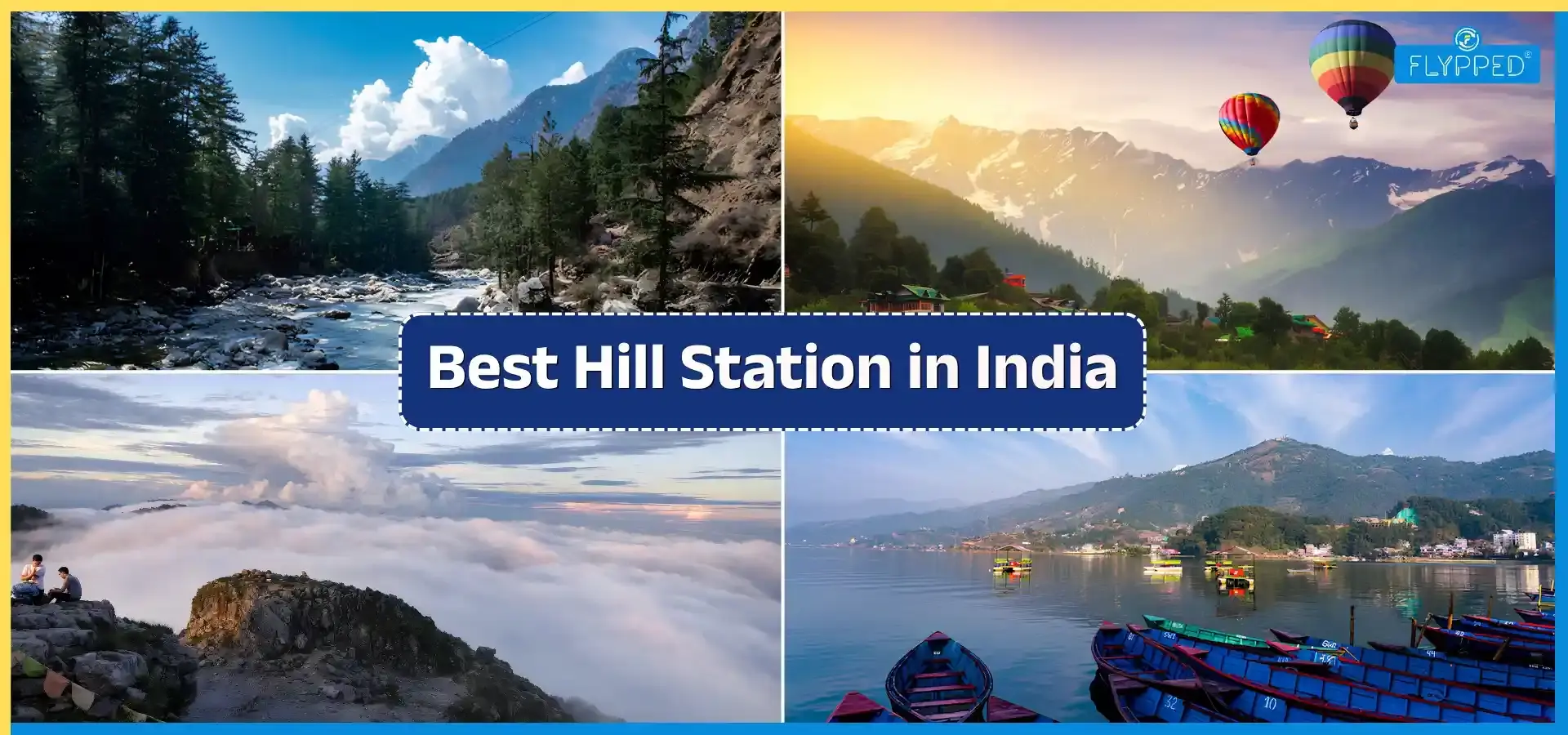
If you’re hunting for the best hill station in India, you’re not just chasing cool air but a feeling. The kind that hits when mist curls around pine trees, when chai tastes sharper at 7,000 feet and when your phone finally stops buzzing because the network decided to take a nap too.
India’s hill stations aren’t just geographic high points. They’re cultural pockets, colonial echoes, adventure hubs and family-friendly retreats rolled into one. Whether you’re planning a monsoon escape, a winter snow trip or a summer break from the plains’ heat, this blog breaks down the best hill stations to visit in India with real insights on crowds, costs and what actually makes each place worth the journey.
Why Hill Stations Still Matter in Modern Indian Travel
Even with international travel more accessible than ever, hill stations remain the default escape for most Indian families and for good reason. They're closer, cheaper and easier to plan on short notice and they don't demand a passport or a five-day itinerary to feel worth it. Hence, a long weekend is enough to plan.
They also cater to wildly different kinds of travelers ranging from retirees looking for quiet mornings with a cup of tea, honeymooners chasing mist and privacy, backpackers hunting budget stays and families needing playgrounds, easy walks and decent food. Understanding which hill station fits which mood is really the whole game.
The Big Players: Famous Hill Stations in India
These are the names you’ve heard since childhood. They’re popular for a reason, but they demand smart timing.
Shimla, Himachal Pradesh
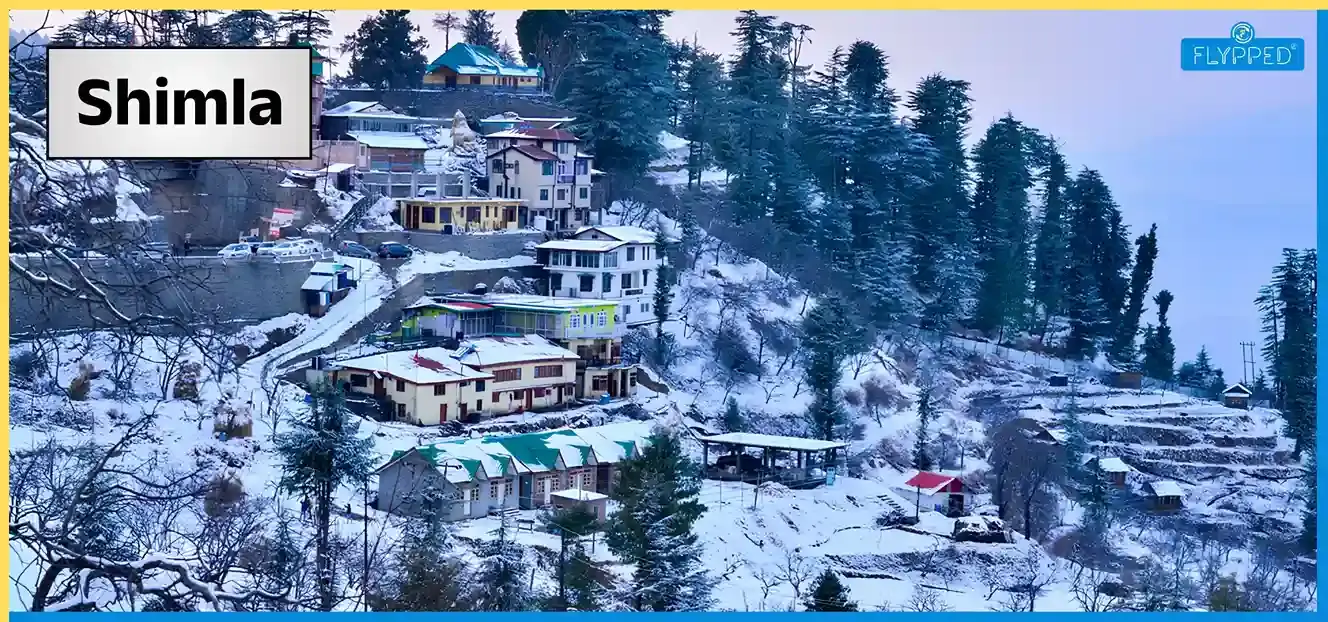
- Best For: First-timers, families, colonial architecture lovers
- Best Season: March-June, September-November
- Vibe: British-era charm meets Himalayan backdrop
Shimla remains the gateway hill station for North India. The Ridge, Mall Road and Jakhoo Temple are classics, but the real magic lies in walks to Annandale or a day trip to Kufri. Avoid May weekends as traffic from Delhi can turn a 4-hour drive into 8.
Manali, Himachal Pradesh
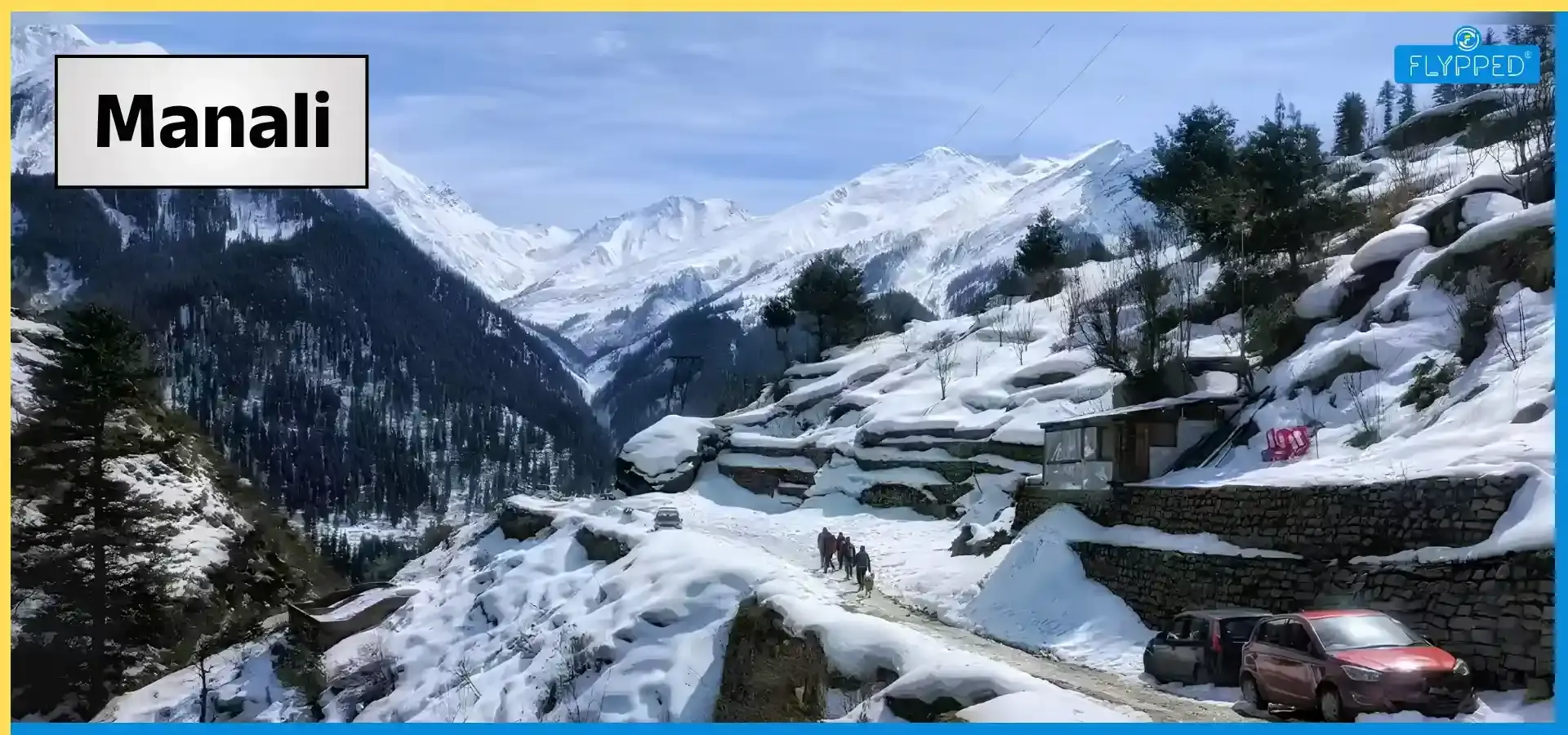
- Best For: Adventure seekers, couples, backpackers
- Best Season: March-June, December-February (for snow)
- Vibe: Adventure capital with cafe culture
Manali isn’t just a town but a launchpad. Paragliding in Solang, trekking to Hampta Pass or just chilling in Old Manali’s cafes. It’s crowded but the energy is infectious. For a quieter experience, head to Naggar or Jalori Pass.
Mussoorie, Uttarakhand
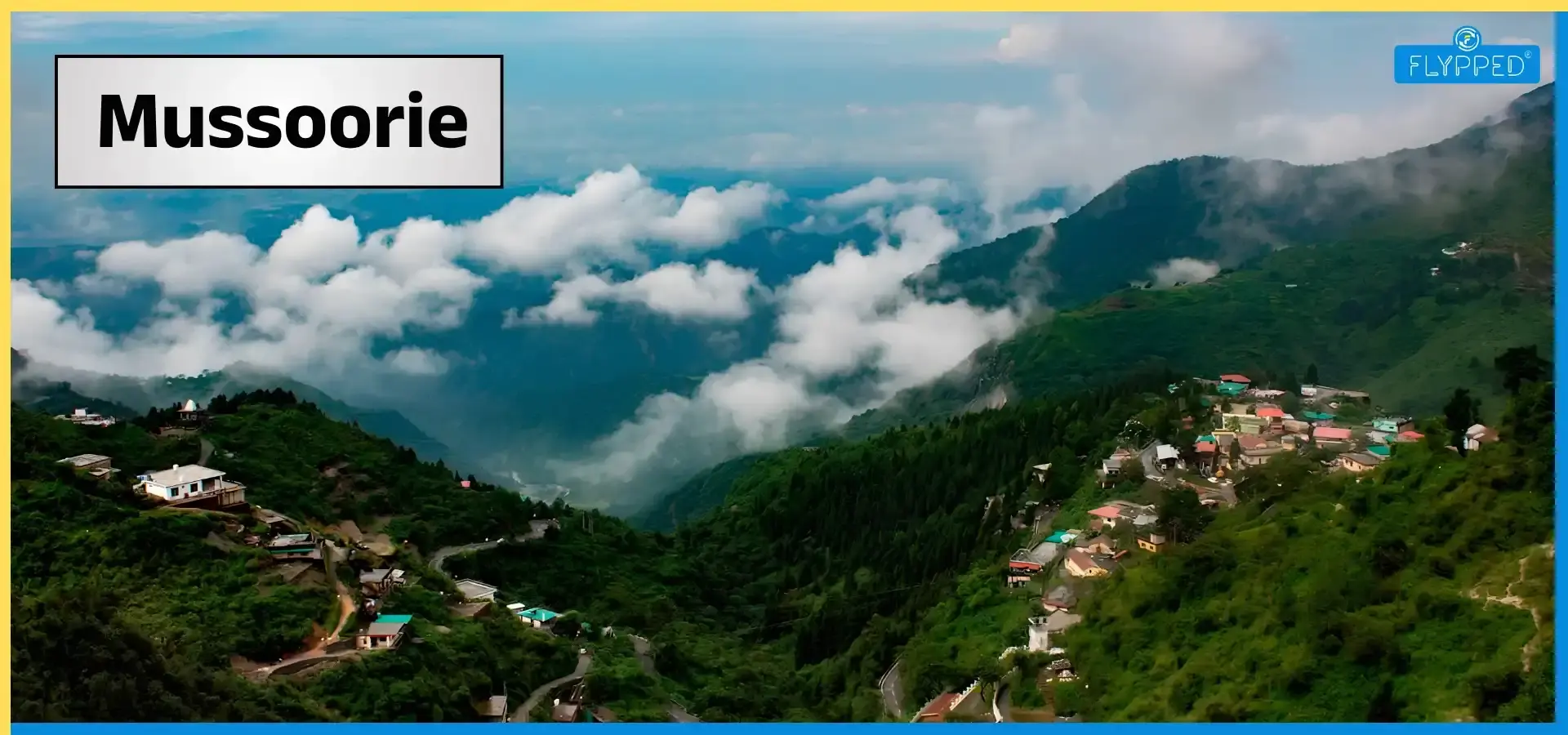
- Best For: Families, literary souls, gentle treks
- Best Season: March-June, October-November
- Vibe: “Queen of Hills” with a laid-back colonial hangover
Gun Hill, Kempty Falls and the Mall Road are staples. But the real Mussoorie is in the walking trails behind Library Bazaar or a sunrise at Lal Tibba. It’s less chaotic than Shimla, more accessible than Nainital.
Nainital and Kausani
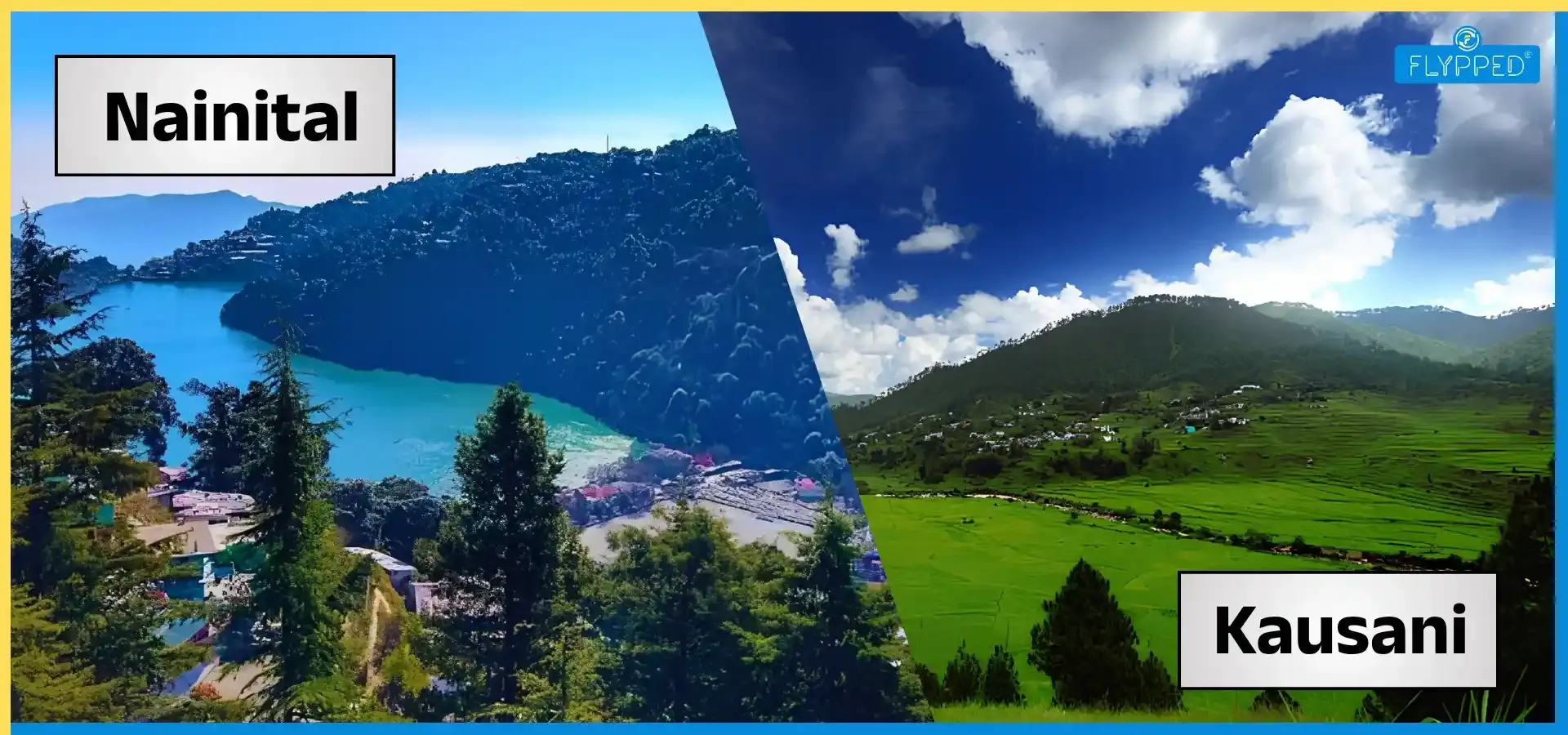
Offers a gentler, lake-centric experience which good for families who want boating and short walks rather than trekking. Kausani in particular is underrated for its uninterrupted Himalayan range views and it stays far less crowded than Nainital.
Auli and Gulmarg
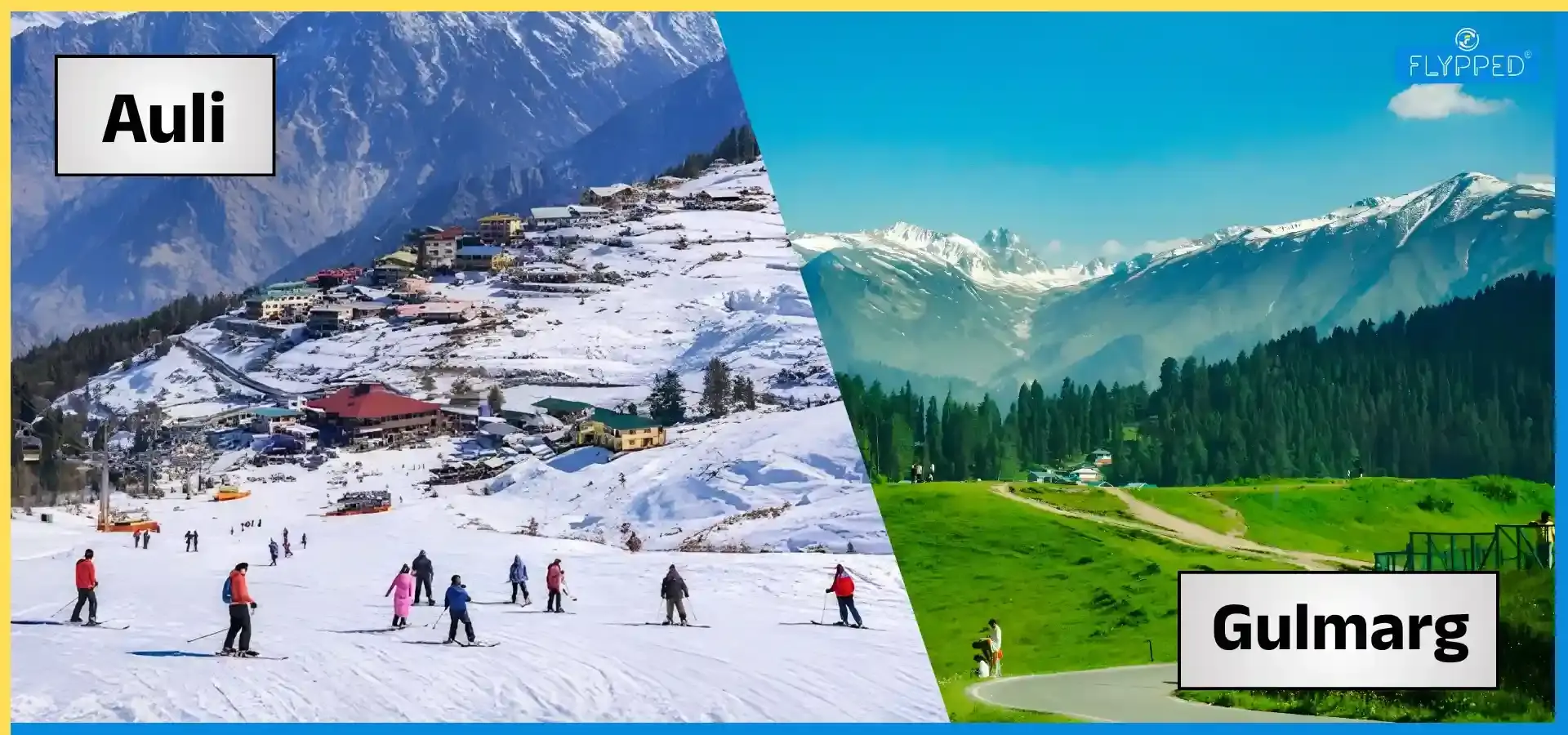
For those chasing snow specifically, Auli and Gulmarg deserve mention. Gulmarg is one of the few places in India where you can genuinely ski and it's spectacular in winter.
Ooty, Tamil Nadu
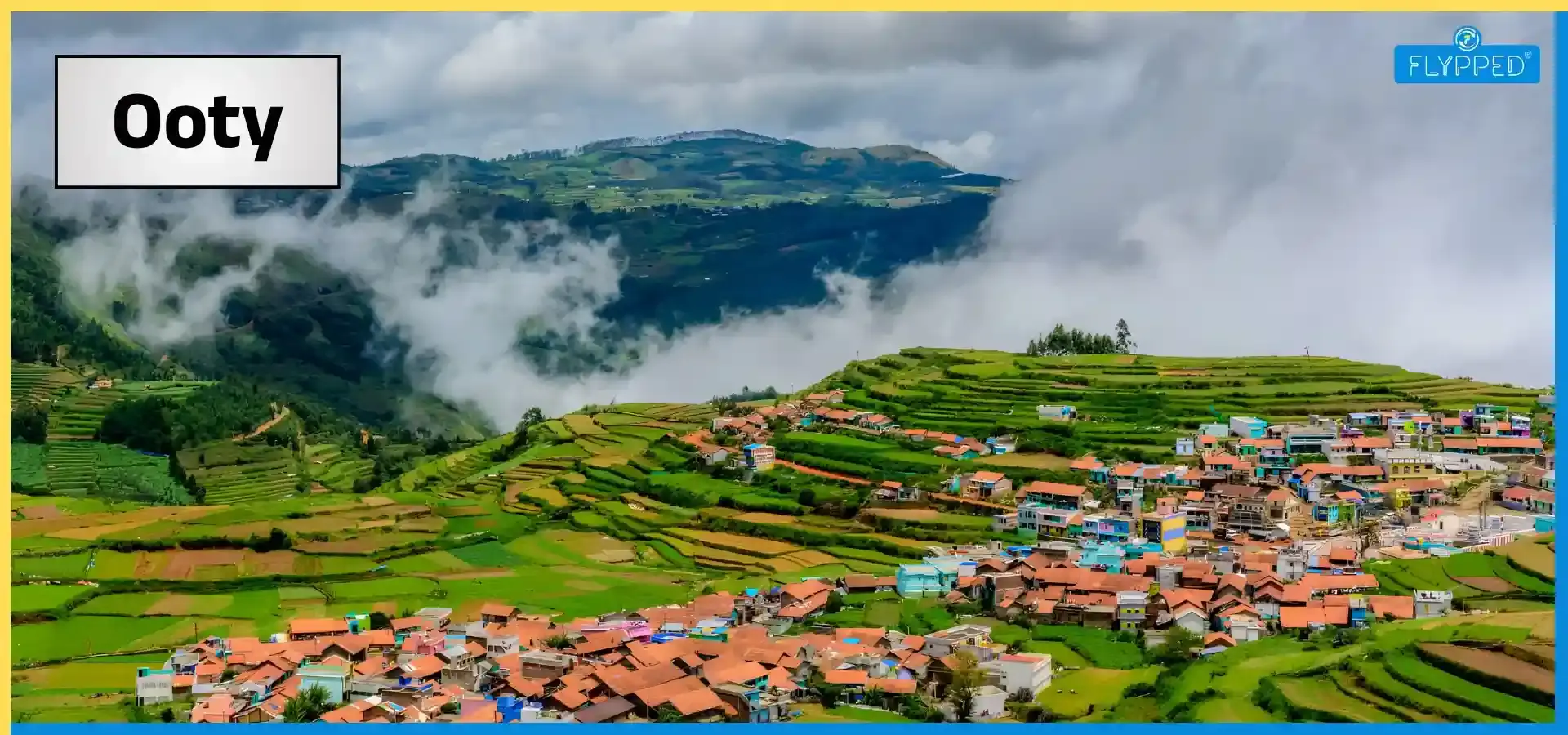
- Best For: Families, train enthusiasts, botanical garden lovers
- Best Season: April-June, September-October
- Vibe: South India’s classic hill retreat
The Nilgiri Mountain Railway (a UNESCO site) is the star but Ooty’s botanical gardens, Doddabetta Peak and nearby Pykara Lake offer serene escapes. It gets packed in summer, so book early as 2026’s heatwave has accommodations filling 30% faster.
Darjeeling, West Bengal
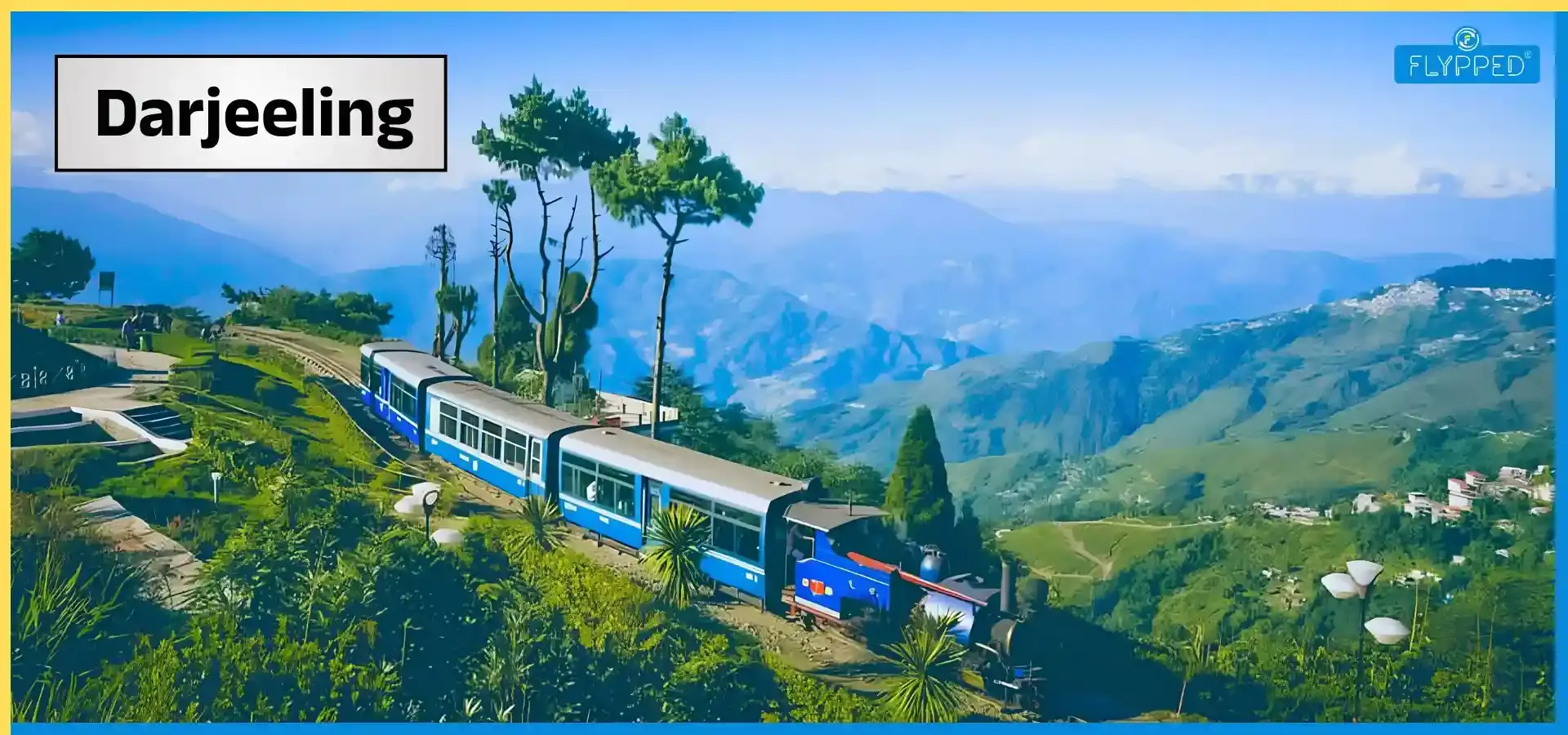
- Best For: Tea lovers, toy train fans, Himalayan views
- Best Season: March-May, September-November
- Vibe: Colonial nostalgia with a Buddhist twist
The Darjeeling Himalayan Railway, Tiger Hill sunrise and tea estate tours are iconic. But the real charm is in wandering the narrow lanes, sipping local tea and watching Kanchenjunga reveal itself through the clouds.
Best Hill Stations in North India
North India’s Himalayas offer diversity from snow-capped peaks to lush valleys.
| Hill Station | State | Best For | Best Season | Crowd Level |
| Shimla | Himachal Pradesh | Families, first-timers | Mar-Jun, Sep-Nov | High |
| Manali | Himachal Pradesh | Adventure, couples | Mar-Jun, Dec-Feb | Very High |
| Mussoorie | Uttarakhand | Gentle treks, families | Mar-Jun, Oct-Nov | Moderate |
| Nainital | Uttarakhand | Lakes, boating | Mar-Jun, Sep-Nov | High |
| Auli | Uttarakhand | Skiing, snow | Dec-Feb | Low-Moderate |
| Dalhousie | Himachal Pradesh | Quiet retreats | Apr-Jun, Sep-Oct | Low |
| McLeod Ganj | Himachal Pradesh | Spirituality, treks | Mar-Jun, Sep-Nov | Moderate |
| Pahalgam | J&K | Meadows, photography | May-Sep | Moderate |
Pro tip: Avoid driving to North Indian hill stations on national holiday weekends in May or June. The highways become parking lots.
Best Hill Stations in South India
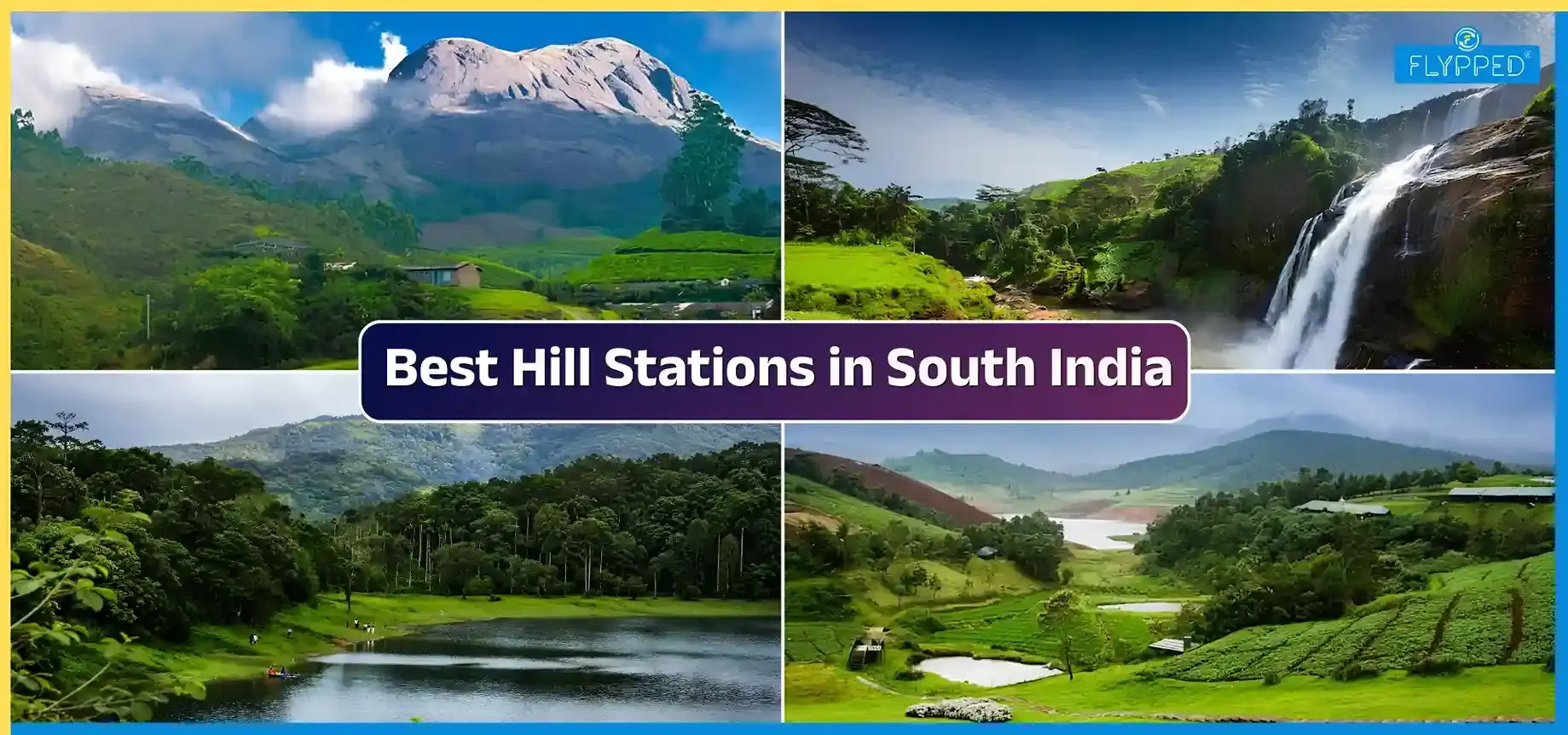
South India's hill stations have a completely different personality. Think tea and coffee plantations, spice forests and a subtropical warmth that never quite disappears even at altitude. If you're researching the best hill stations in South India, these are the names that come up for good reason.
- Munnar, Kerala is probably the single most photographed hill station in the south, and it deserves it. Rolling tea estates, the Eravikulam National Park (home to the Nilgiri Tahr), and a climate that stays pleasant nearly year-round make it a strong pick for families, couples and solo travelers alike.
- Ooty, in the Nilgiris, is the classic choice known for botanical gardens, a toy train that's now a UNESCO World Heritage Site and enough activities to keep kids entertained for a full week. It's also one of the more accessible best hill stations in India for families, thanks to its wide range of budget-to-luxury stays and easy-to-navigate layout.
- Coorg (Kodagu), Karnataka is coffee country and it has a slower, more residential feel than Ooty or Munnar. It's particularly good for people who want homestays over hotels and for anyone chasing waterfalls during the rains.
- Wayanad, Kerala deserves more attention than it usually gets. It blends wildlife sanctuaries, caves and plantation stays and it's noticeably less commercial than Munnar which makes it a favorite for travelers who want quiet over crowds.
- Kodaikanal, Tamil Nadu rounds out the list with its star-shaped lake and pine forests, a slightly more laid-back alternative to Ooty, especially good for a peaceful getaway with close friends.
Best Budget Hill Stations in India
Not every hill escape needs to burn a hole in your pocket. If you're hunting for genuinely budget hill stations in India, a few names consistently deliver more experience per rupee.
- Kasol and Tosh in Himachal have long been backpacker favorites due to cheap guesthouses, home-cooked meals and river-side cafes that won't dent your wallet. McLeod Ganj, above Dharamshala, offers a similar vibe with the added bonus of Tibetan culture, monasteries and some of the best budget cafés in the hills.
- Lansdowne, Uttarakhand is a quiet cantonment town that's stayed refreshingly undeveloped, so expect no traffic jams, no touristy chaos, just pine forests and clean air at a fraction of Shimla or Mussoorie's costs. In the south, Yercaud, Tamil Nadu offers a similar low-key, low-cost alternative to Ooty with fewer crowds and lower hotel rates.
The general rule is that further a hill station is from a major highway or a big-name attraction, the more your money stretches. It's a small trade-off in convenience for a much bigger gain in peace and savings.
Choosing by Season: Summer, Monsoon and Winter

Timing changes everything in hill station travel and this is where a lot of trip planning goes wrong.
- Summer (April-June) is peak season across almost all of India's hills and for good reason this is when temperatures in the plains become genuinely difficult to bear. Among the best hill stations in India for summer, Manali, Shimla, Munnar and Ooty top most search lists, simply because their daytime temperatures rarely cross 25°C even in peak summer. Book accommodations well in advance during this window; prices spike and availability drops fast.
- Monsoon (July-September) splits opinion. Some hill stations turn magical under rain as waterfalls swell, the greenery deepens and crowds thin out considerably. For the best hill stations in India during monsoon, Coorg, Munnar and Lonavala (Maharashtra) are strong picks, since they're built for rain-heavy landscapes and offer indoor-friendly stays. Avoid landslide-prone Himalayan routes like parts of the Manali–Leh road during this period; check road advisories before you leave.
- Winter (December-February) is when snow-chasers head north. For the best hill stations in India in winter, Manali, Shimla, Auli and Gulmarg deliver actual snowfall most years while Munnar and Ooty stay comfortably cool without the extreme cold, making them gentler winter options for families with young children or older travelers.
Matching the Hill Station to Your Travel Companions
Families generally do best in hill stations with a mix of nature and structured activities. Ooty, Munnar, Nainital and Mussoorie all fit this brief with boating, gardens and short, manageable walks rather than serious trekking.
Friend groups tend to gravitate toward places with a livelier scene and adventure options. Manali, Kasol and Coorg all offer trekking, river activities and a younger crowd that makes group trips more fun.
Couples searching for genuinely romantic hill stations in India usually find the most magic in Munnar's misty tea gardens, Coorg's quiet homestays or Kodaikanal's lakeside walks. All places where you can find a corner to yourselves without much effort.
A Few Honest Tips Before You Book
- Book at least three to four weeks ahead if you're traveling during peak summer or the winter holiday season as prices for the same room can double closer to the date.
- Carry layered clothing regardless of season; hill weather shifts quickly and a sunny afternoon can turn into a cold evening within an hour.
- If you're driving, check fuel availability along remote stretches, since some hill routes have long gaps between petrol stations.
- And wherever possible, choose homestays over big hotel chains because you'll usually eat better, pay less and get advice on the trails and cafés that don't show up in guidebooks.
Final Thoughts
There's no single best hill station in India that works for everyone and that's really the honest answer. The right one depends on when you're traveling, who you're traveling with and what kind of pace you're after. What stays constant is the reason people keep going back, could be clean air, slower mornings and a break from the noise that's hard to find anywhere else.
Whether it's your first trip to Shimla or your fifth to Munnar, that first lungful of hill air still tends to feel exactly the way it should like arriving somewhere that's been waiting for you.
Frequently Asked Questions
Find answers to common questions about this topic
It's subjective but Munnar (Kerala) is very often named the most beautiful, thanks to its rolling tea gardens, misty valleys and year-round pleasant climate.
Mussoorie holds that title in North India. In the South, Ooty is popularly given the same nickname.
Depends on what you want as Valparai offers wilder, more remote rainforest and wildlife scenery with fewer crowds while Yercaud is smaller, more accessible and better for a quick, budget-friendly laid-back trip. If you're adventure lovers, pick Valparai; for a relaxed short getaway, pick Yercaud.
Ooty is higher at about 2,240 m (7,350 ft) compared to Darjeeling's roughly 2,050 m (6,710 ft).
Coonoor, near Ooty in the Nilgiris, carries that nickname.