
Childhood Obesity: Causes and Effects You Must Know
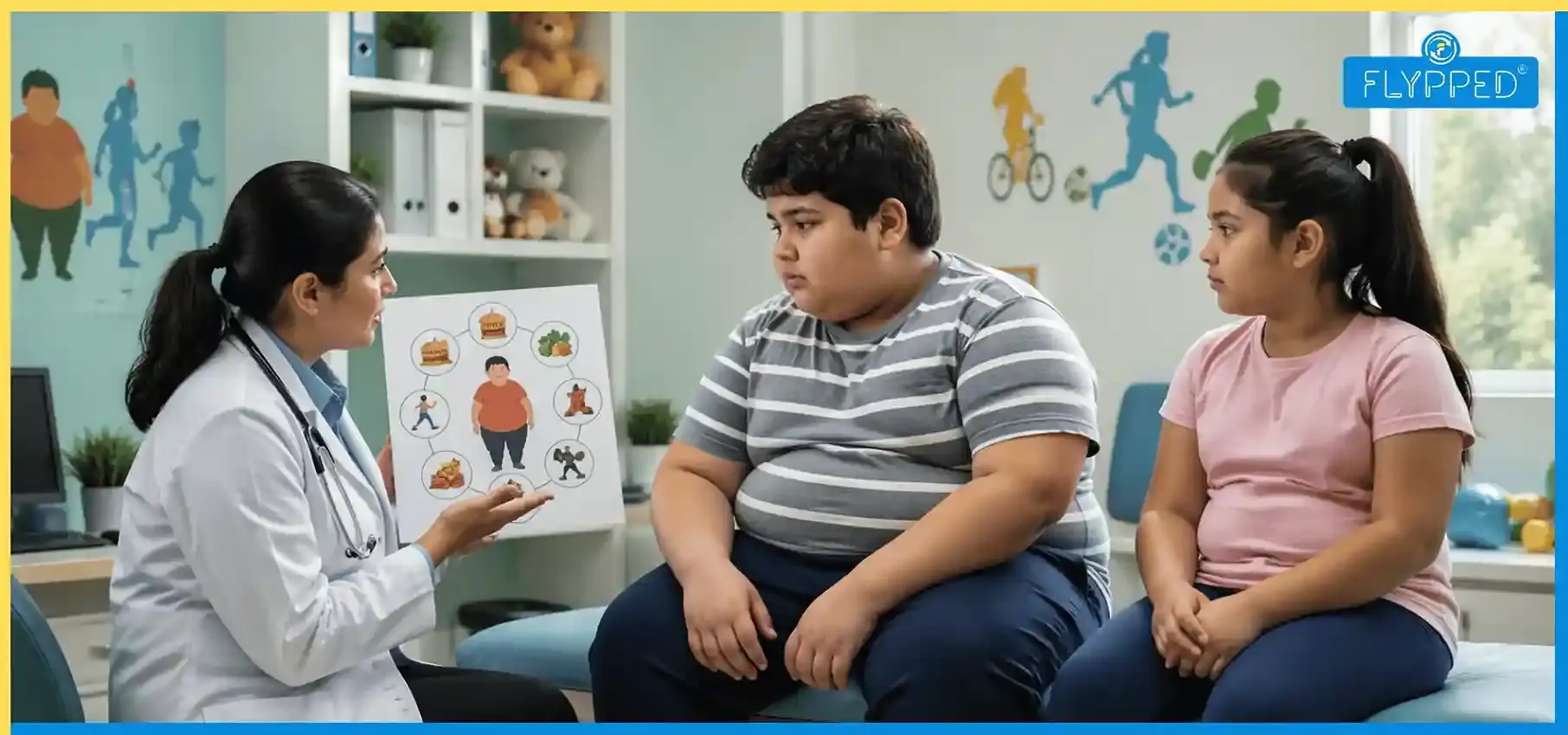
Childhood is meant to be a time of boundless energy, scraped knees on the playground, and carefree movement. Yet today, an increasing number of families are facing a serious health concern: childhood obesity.
This is not just about weight. It’s about long-term health, emotional well-being, and the environment in which we raise our children. Understanding childhood obesity, its causes, symptoms, and prevention is the first step toward building a healthier future.
How to Identify Childhood Obesity
Recognising childhood obesity symptoms can be challenging. Many parents assume children will “grow out of it,” but early signs should not be ignored.
Beyond a high Body Mass Index (BMI) for age and sex, key indicators include:
- Shortness of breath during physical activity
- Joint pain in the knees or hips
- Fatigue or reduced stamina
- Sleep disturbances such as snoring or sleep apnea
- Skin changes like dark patches (acanthosis nigricans), indicating insulin resistance
A paediatrician typically uses BMI-for-age percentiles to diagnose childhood obesity, with the 95th percentile and above considered obese.
Causes of Childhood Obesity
The causes of childhood obesity are complex and multifactorial. It’s not just one issue—it’s a combination of lifestyle, biology, and environment.
Key Risk Factors for Childhood Obesity:
- Dietary Habits: High intake of ultra-processed foods, sugary drinks, and large portion sizes
- Sedentary Lifestyle: Increased screen time and reduced physical activity
- Genetics: Family history influences metabolism and fat storage
- Psychological Factors: Emotional eating due to stress, boredom, or anxiety
- Sleep Deprivation: Hormonal imbalance leading to increased hunger
These risk factors for childhood obesity often work together, creating an “obesogenic” environment that promotes weight gain.
Note: Get the latest fitness news, health news, weight loss tips, workout plans, and wellness trends. Stay fit and explore more in our Fitness section.
Effects of Childhood Obesity
The effects of childhood obesity go far beyond physical appearance; they impact nearly every system in the body.
Physical Complications of Childhood Obesity:
- Increased risk of Type 2 diabetes
- High blood pressure and cholesterol
- Joint and mobility issues
- Early onset of metabolic disorders
These are serious complications of childhood obesity that can persist into adulthood if not addressed early.
Emotional and Social Impact:
Children with obesity often face:
- Bullying and social isolation
- Low self-esteem
- Anxiety and depression
These emotional effects can create a cycle where children turn to food for comfort, worsening the condition.
Childhood Obesity Prevention
Childhood obesity prevention begins at home. Small, consistent lifestyle changes can make a powerful difference.
How to Prevent Childhood Obesity:
- Encourage Balanced Nutrition: Focus on whole, nutrient-dense foods
- Promote Physical Activity: At least 60 minutes of active play daily
- Limit Screen Time: Create boundaries for digital usage
- Model Healthy Behaviour: Children imitate parental habits
- Teach Mindful Eating: Avoid forcing children to “clean their plate”
Creating a supportive, health-focused environment is key to effectively fighting childhood obesity.
Childhood Obesity Treatment
When prevention isn’t enough, childhood obesity treatment should focus on sustainable, compassionate approaches, not restrictive dieting.
Effective Treatment Strategies:
- Family-Based Behavioural Therapy: Lifestyle changes as a unit
- Nutritional Counselling: Healthier food choices without deprivation
- Physical Activity: Encouraging enjoyable movement like sports or dance
- Medical Support: In severe cases, supervised medical intervention
- The goal is gradual, healthy growth and not rapid weight loss.
Fighting Childhood Obesity as a Family
Fighting childhood obesity requires a team effort. Children thrive in environments where healthy choices are normalised rather than enforced.
Focus on:
- Building healthy routines
- Celebrating small wins (like outdoor activities or trying new foods)
- Removing shame and stigma around weight
This journey is about improving health, energy, and confidence—not chasing a number on the scale.
Final Thought
If your child is struggling, remember—this is not about blame. Modern life makes childhood obesity more likely, but with awareness, consistency, and compassion, it is absolutely manageable.
By focusing on childhood obesity prevention, understanding its causes, and taking early action, families can build healthier habits that last a lifetime.
Read More:
Frequently Asked Questions
Find answers to common questions about this topic
Prioritise a nutrient-dense diet with whole foods, encourage at least 60 minutes of daily active play, and foster a healthy relationship with food by modelling balanced habits at home.
Work with a paediatrician to create a family-centred plan that focuses on sustainable lifestyle changes, emotional support, and gradual adjustments to nutrition rather than restrictive dieting.
It is typically driven by an imbalance of energy intake versus expenditure, influenced by genetics, the prevalence of ultra-processed foods, reduced physical activity, and environmental factors.
Paediatricians use growth charts to calculate a child's BMI-for-age percentile; a result at or above the 95th percentile is typically categorised as obesity.
The rise is largely attributed to the "obesogenic environment," characterised by increased sedentary time due to technology, easy access to high-calorie, low-nutrient foods, and less time for unstructured outdoor play.