Wisdom Tooth Pain: What Causes It and How to Treat
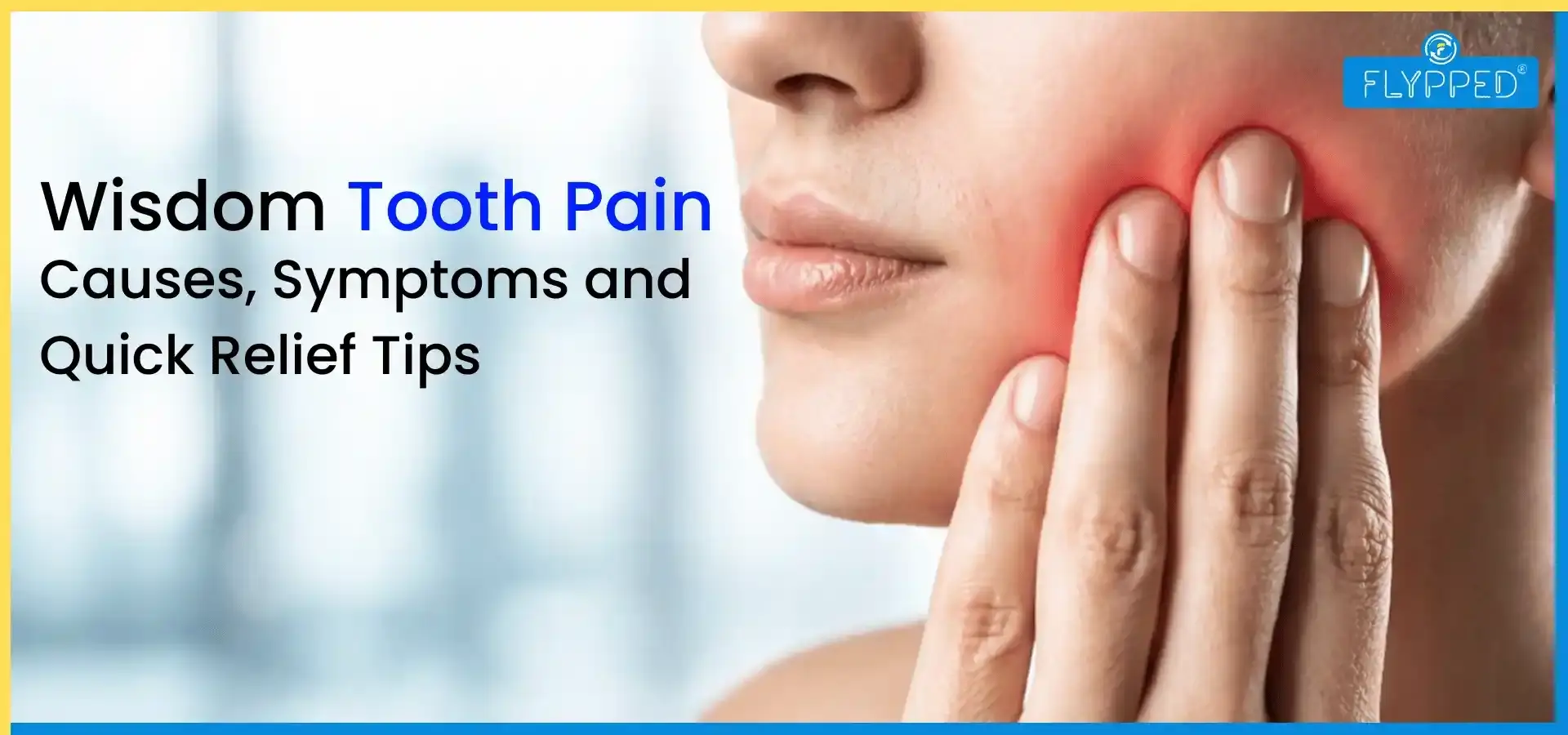
So, you’ve reached that "milestone" where your third molars, those late-to-the-party guests we call wisdom teeth, decide to make their presence known. Whether it’s a dull throb or a sharp spike of agony, wisdom tooth pain is a rite of passage most of us would gladly skip.
If you’re currently clutching your jaw while reading this, take a breath. You aren’t alone, and you aren’t stuck with this discomfort forever. Let’s dive into what’s happening in your mouth and how to find some peace.
How to stop wisdom tooth pain
Most people’s jaws aren’t quite large enough to accommodate four extra teeth at the back of the line. When they try to squeeze in, they often get "impacted" or grow at odd angles, pushing against your existing teeth.
For many, the first sign is a nagging ache. If you’re looking for wisdom tooth growing pain relief, start with the basics:
- Saltwater Rinses: It sounds old-fashioned, but it’s a natural disinfectant that reduces inflammation.
- Cold Compresses: Apply an ice pack to the outside of your jaw for 15-minute intervals to numb the area.
- Benzocaine Gels: Over-the-counter numbing gels can provide temporary "breathing room" from the constant ache.
Infected Wisdom Tooth Symptoms
There is a big difference between "growing pains" and a serious infection. Because wisdom teeth are hard to reach with a toothbrush, they are magnets for bacteria. Left untreated, a small issue can turn into a systemic problem.
Keep an eye out for these infected wisdom tooth symptoms:
1. Swelling: Red, puffy gums or visible swelling in the cheek or neck.
2. Bad Taste/Breath: A persistent metallic taste or foul odour that doesn’t go away after brushing.
3. Difficulty Opening Your Mouth: If your jaw feels locked or stiff, the infection may be spreading.
4. Fever: This is a clear sign your body is fighting a significant inflammatory battle.
Wisdom Tooth Cavity
Shocking to some, wisdom teeth can get cavities. In fact, they are highly prone to them. Because they are tucked so far back, even the most diligent brushers often miss the nooks and crannies.
A wisdom tooth cavity can be particularly nasty because the enamel on these teeth is sometimes thinner, allowing decay to reach the nerve faster.
If you feel a sharp pain when eating something sweet or cold, don’t ignore it. A cavity in a wisdom tooth is often the deciding factor in a dentist's recommendation to extract rather than fill it.
Wisdom Tooth Pain Remedy
If you can’t get to a dentist immediately (like at 2:00 AM on a Sunday), you need a reliable remedy for wisdom tooth pain.
- Clove Oil: This contains eugenol, a natural anaesthetic. Dab a tiny amount on a cotton ball and place it near the site.
- Onion: It sounds strange, but chewing on a raw onion slice for a few minutes releases phytochemicals that can kill germs and provide mild pain relief.
- Over-the-counter (OTC) Meds: Ibuprofen is generally the gold standard for dental pain because it directly targets inflammation.
Wisdom Tooth Pain in the Jaw
One of the most frustrating parts of this experience is that the pain doesn't stay in one spot. Wisdom tooth pain in the jaw area can feel like a tension headache or an earache. This is because the teeth are putting pressure on the trigeminal nerve, which sends sensations to your entire face. If your jaw feels tight or you're experiencing "referred pain" in your temple, your wisdom teeth are likely the culprits.
Wisdom Tooth Pain During Pregnancy
Pregnancy brings a lot of changes, including "pregnancy gingivitis," which can make wisdom tooth pain during pregnancy even more intense. If you’re dealing with this, do not suffer in silence.
While many women fear dental work while pregnant, local anaesthesia and even X-rays (with proper lead shielding) are generally considered safe. It is much better to have a minor procedure than to let an infection reach your bloodstream. Always consult both your dentist and your OB-GYN to coordinate care.
Pain After Wisdom Tooth Extraction
Post-surgery, you will experience some pain after wisdom tooth extraction. This is normal. The key is preventing "Dry Socket", where the blood clot is dislodged.
- No Straws: The suction can ruin your recovery.
- Soft Foods: Think smoothies, mashed potatoes, and yoghurt.
- Rest: Your body needs energy to heal that jawbone.
Dealing with wisdom tooth pain is a physical and mental drain. It affects how you eat, sleep, and talk. However, once you address the root cause, whether through better hygiene, a quick filling, or a professional extraction, the relief is instantaneous.
Don't wait until the pain is unbearable. Your jaw (and your sanity) will thank you for taking action early.