High Protein Diet Chart: A Complete Guide for Muscle Gain, Weight Loss, and Wellness
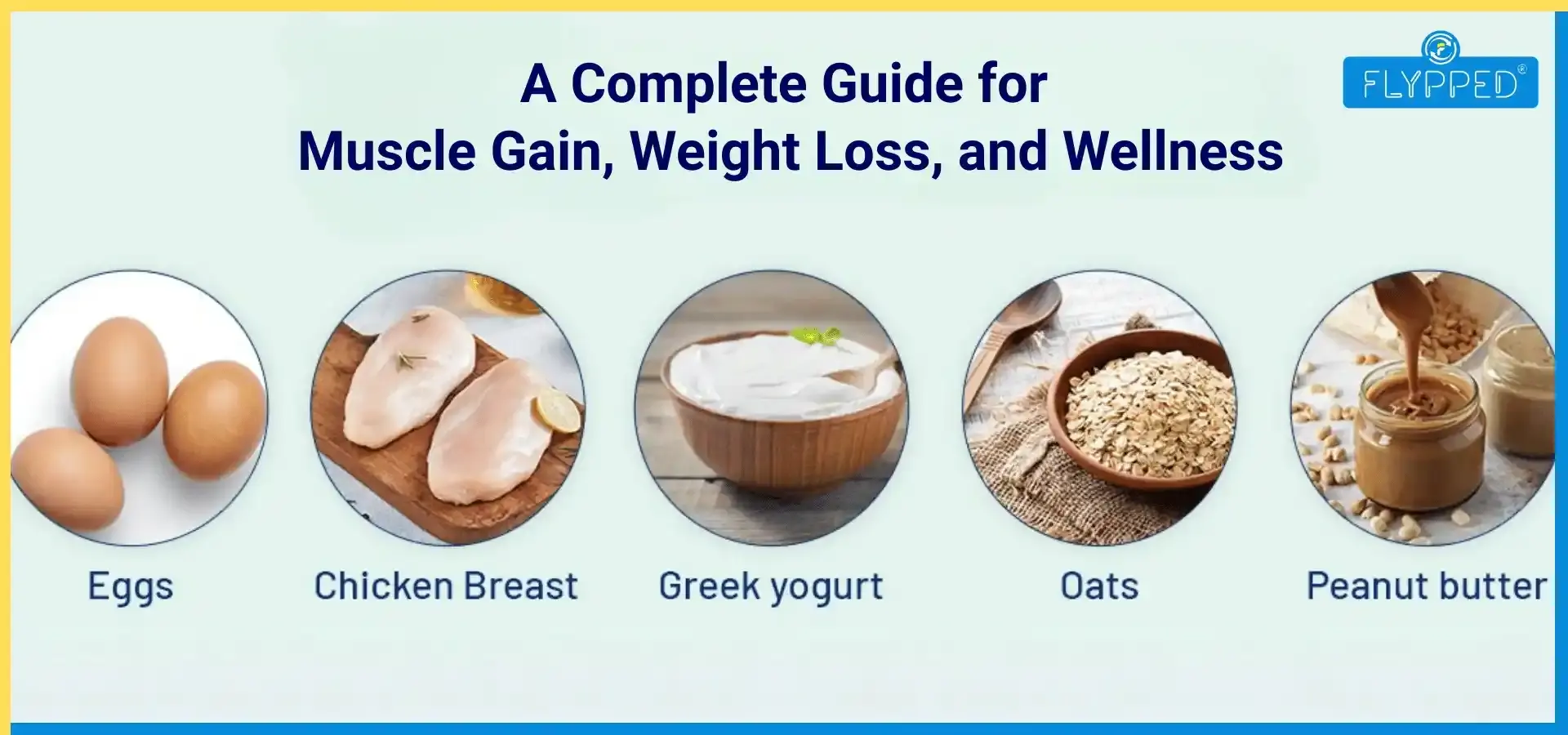
Whether you are training for a marathon, trying to shed those last ten pounds, or supporting a growing life during pregnancy, protein is the undisputed heavyweight champion of nutrients. It is the fundamental building block of muscles, skin, and enzymes.
But following a high-protein diet chart does not mean surviving on bland chicken and protein shakes. With the right planning, it can be balanced, satiating, and sustainable for long-term health.
Let’s explore how to build a high-protein diet chart that aligns with your lifestyle and fitness goals.
Why Should You Follow a High-Protein and Fibre Diet?
If protein is the builder of your body, fibre is the system that keeps everything running smoothly. A high-protein, high-fibre diet is one of the most effective ways to stay full and energised throughout the day.
Protein reduces hunger hormones, while fibre slows digestion, helping you feel satisfied for longer. A well-balanced, high-protein, high-fibre diet also prevents sudden energy crashes and supports better gut health.
By combining foods like lentils, seeds, vegetables, and whole grains, you are not only supporting muscle growth but also improving digestion and heart health.
What is a good high-protein, low-calorie diet plan for Fat Loss?
The key to a high-protein, low-calorie diet plan is eating more volume with fewer calories. This means focusing on lean protein sources like egg whites, tofu, paneer, and legumes.
A typical high-protein, low-calorie diet plan may include:
- Breakfast: Egg-white omelette with spinach and mushrooms
- Lunch: Large salad with chickpeas or paneer
- Dinner: Dal with sautéed vegetables or tofu
By reducing fats and refined carbohydrates, this approach allows your body to burn stored fat while preserving muscle mass.
Can You Get Results with a High-Protein Vegetarian Diet Chart?
Yes, absolutely. A well-structured, high-protein vegetarian diet chart can easily meet your daily protein needs without meat.
Protein-rich vegetarian foods such as paneer, Greek yoghurt, lentils, chickpeas, and seeds are highly effective. A balanced, high-protein vegetarian diet chart may include moong dal chilla for breakfast, rajma with rice for lunch, and paneer stir-fry for dinner.
For those aiming to lose fat, a high-protein vegetarian diet helps control appetite and reduce calorie intake. Following a high-protein vegetarian diet for weight loss ensures sustained energy without unnecessary cravings.
Is a High-Protein Vegan Diet Plan Actually Doable?
A high-protein vegan diet plan is not only doable but also highly effective when planned correctly. Since plant-based diets rely on diverse sources, it is important to combine foods to get all essential amino acids.
A practical high-protein vegan diet plan may include:
- Breakfast: Tofu scramble with nutritional yeast
- Lunch: Quinoa and black bean bowl
- Dinner: Seitan or tofu stir-fry
- Snacks: Nuts, seeds, or roasted chickpeas
With the right combinations, vegan diets can fully support muscle growth and overall health.
What is the best high-protein diet plan for Muscle Gain?
A high-protein diet plan for muscle gain requires both adequate protein and sufficient calories. Without enough energy intake, muscle growth becomes difficult.
A balanced high-protein diet plan for muscle gain should include:
- Whole eggs, chicken, fish, or paneer
- Complex carbs like brown rice or sweet potatoes
- Regular protein intake throughout the day
Experts recommend consuming around 1.6 to 2.2 grams of protein per kilogram of body weight. This ensures effective muscle repair and growth, especially when combined with strength training.
Is a High-Protein Diet in Pregnancy Safe?
A high-protein diet in pregnancy is essential for both maternal health and fetal development. Protein plays a key role in building the baby’s tissues, brain, and organs.
A balanced high-protein diet in pregnancy should include:
- Milk and dairy products
- Lentils and beans
- Nuts and seeds
- Well-cooked eggs (if consumed)
However, it is important to maintain balance and consult a doctor before making significant dietary changes during pregnancy.
High-Protein Diet Meal Plan: An Example
Here is a simple and adaptable high-protein diet meal plan that works for both vegetarians and non-vegetarians:
Morning Kickstart: Start your day with eggs or a smoothie with almond butter and plant protein.
Power Lunch: Create a protein bowl with rice or roti, grilled chicken/paneer/tofu, and vegetables.
Afternoon Snack: Choose Greek yoghurt or roasted chickpeas to maintain energy levels.
Recovery Dinner: End your day with lentils, vegetables, and multigrain roti.
This flexible, high-protein diet meal plan helps maintain consistent protein intake while keeping meals interesting and satisfying.
Conclusion
A well-designed high-protein diet chart can support multiple health goals, including weight loss, muscle gain, and improved overall wellness. Whether you choose a vegetarian, vegan, or mixed approach, consistency and balance are key.
From a high-protein vegetarian diet chart to a structured high-protein, low-calorie diet plan, there are plenty of ways to customise your diet. By combining protein with fibre and whole foods, you can build a sustainable and healthy lifestyle.
Frequently Asked Questions
Find answers to common questions about this topic
Most adults need around 0.8 to 1.2 grams of protein per kilogram of body weight, depending on activity level.
Eggs, dairy, lentils, tofu, paneer, chicken, and fish are excellent sources.
Around 1.6 to 2.2 grams per kilogram of body weight is ideal.
Yes, it is safe when used as a supplement alongside whole foods.
Lean protein includes foods low in fat, such as egg whites, chicken breast, fish, and legumes.
Protein supports muscle repair, hormone production, and overall body function.
Protein does not cause weight gain unless consumed in excess calories.
Green peas, spinach, and broccoli contain relatively high levels of protein.
Guava, avocado, jackfruit, and blackberries have small amounts of protein.