The Quiet Intruder: Why We Need to Talk About Hypertension Before It Speaks Up
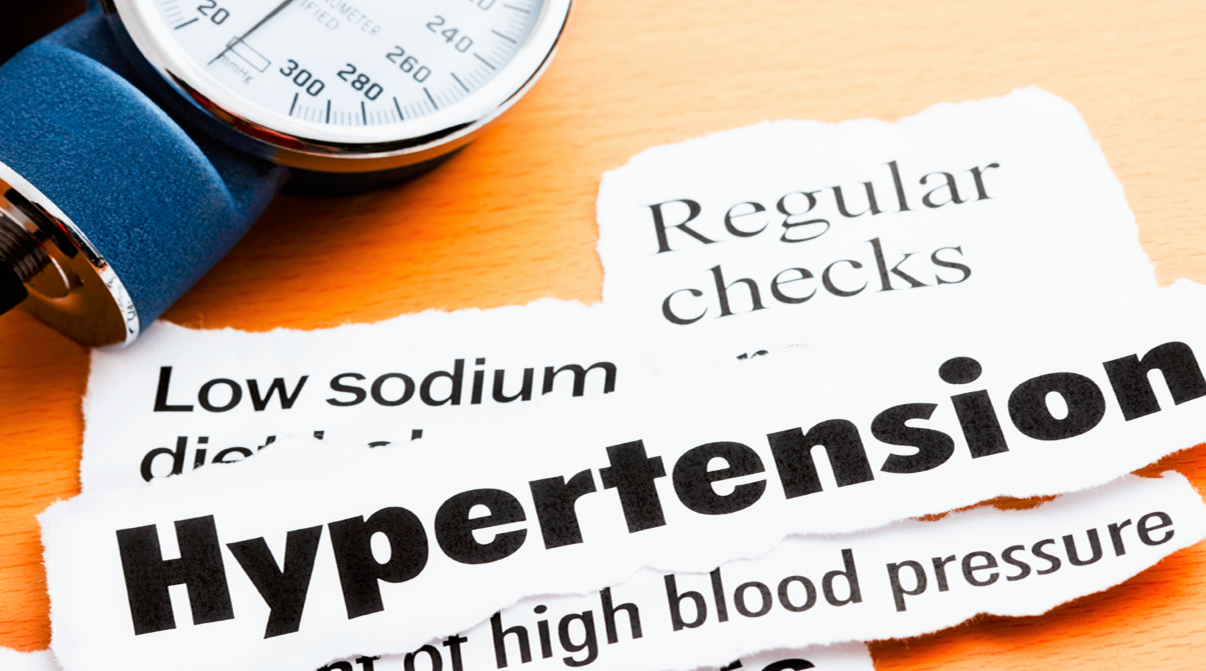
Many doctors call hypertension the “silent killer” because, unlike a broken bone that throbs or a flu that leaves you shivering, high blood pressure doesn't announce its arrival with any symptoms. It is a master of disguise quietly within your arteries, often for decades without a single flare-up.
Across the globe, this silent intruder is responsible for more than 9 million deaths every single year. This isn't a medical statistic; it's a reality that affects our parents, our partners, and, increasingly, even younger professionals. If left untreated, hypertension can quietly dismantle your quality of life, leading to heart disease, stroke and even kidney damage. To regain your health, the first step is to understand the chronic complications of hypertension.
The Domino Effect: How High Pressure Impacts the Body
To clearly understand hypertension, imagine your circulatory system as the plumbing system in your home. If the water pressure is permanently set too high, the pipes will eventually weaken, causing joints to leak and appliances to fail. Similarly, hypertension affects every organ of the body till it starts to fall apart.
1. The Vulnerability of the Eyes
We often take our vision for granted, but the blood vessels supplying our eyes are incredibly delicate. Hypertension directly affects these vessels, leading to retinopathy. This can cause internal bleeding, blurred vision, or even total sight loss.
Beyond the vessels, high pressure can cause fluid to accumulate beneath the retina, a condition known as Choroidopathy. When blood vessels leak here, your vision becomes distorted, like looking through a cracked or wet lens. Perhaps most frightening is the damage to the optic nerve; when blood flow is blocked, the very bridge between your eye and your brain can fail, leading to permanent vision loss.
2. The Threat to the Brain
Your brain is your command centre, yet hypertension can grow there unnoticed until a crisis occurs. The most common complication is a stroke. In a fraction of a second, a blood vessel in the brain can either burst or become blocked by a clot, leading to a paralytic attack or long-term disability.
However, there is also a "slow" version of brain damage called Vascular Dementia. When arteries are narrowed or blocked over many years, the brain doesn't get enough oxygen. This slowly chips away at your ability to think, speak, understand, and remember.
3. The Heart: A Pump Under Pressure
The heart is a muscle, and, like any other muscle, it will eventually wear out if forced to work too hard. High blood pressure forces the heart to pump against a resistance it isn't designed for. Over time, the heart muscle thickens and then weakens, leading to Heart Failure. Also, the arteries themselves become damaged, stopping the flow of oxygen-rich blood and setting the stage for artery-related diseases
4. The Kidney: The Body’s Filter
Healthy pairs of kidneys rely on a network of tiny, efficient blood vessels to filter waste from your blood. Hypertension acts as a resistant force on these filters. When these vessels are damaged, waste begins to accumulate in your system. This can lead to scarring around the kidneys or total kidney failure, where the only options remaining will be dialysis or transplant.
The Narrowing Path: Damage to Arteries
In a healthy body, blood flows through the body like a smooth river with no obstructions, delivering nutrients and oxygen to every cell; however, chronic high blood pressure disrupts this balanced environment. It damages the lining of your arteries, causing the walls to become stiff, thick, and narrow. This "hardening" of the arteries means your organs have to fight harder just to get the basic nourishment they need to function.
Taking Control: Ways to manage Hypertension
While the complications of hypertension are heavy, the story doesn't have to end in a hospital room. The most empowering thing about blood pressure is that it is remarkably responsive to how we live.
Today’s fast-paced world, filled with desk jobs, high-stress deadlines, and processed "convenience" foods, has made hypertension a common guest among younger generations. But you can show this guest the door with a few intentional lifestyle shifts.
Your "Do’s and Don'ts" for a Healthier Heart:
- Watch the Salt: We live in a high-sodium world. Cutting back on processed snacks and extra table salt can lower your BP significantly within weeks.
- Embrace the Greens: Focus on a low-fat diet rich in leafy vegetables and fruits. A simple switch, such as using Olive Oil in your cooking, can provide the healthy fats your heart needs.
- Move Your Body: You don't need to become an athlete. No one is telling you to run a marathon. Just 20 to 30 minutes of daily movement, even a brisk walk in a local park, can improve your arterial flexibility.
- Rethink the Nightcap: Alcohol is your worst enemy. If you enjoy a drink, try a glass of red wine rather than high-spirited drinks, and always drink in moderation. Alcohol can trigger high blood pressure.
- Find Your Calm: Stress is the fuel that hypertension burns. Whether it’s five minutes of deep breathing, a hobby, or simply unplugging from your phone, your body needs time to "downshift."
- Monitor Regularly: Because you can't feel high blood pressure, you must measure it. Keeping a regular log of your readings turns the "silent killer" into a visible, manageable condition.
Your diet can also be essential in helping you overcome hypertension. Key foods that help reduce hypertension include leafy greens (spinach, kale), berries, fatty fish (salmon), nuts, seeds, legumes, beets, and low-fat dairy. Avoid high-sodium and unsaturated fats, which can worsen your condition.
Hypertension might be quiet, but your response to it should be loud. By making small mindful changes, you aren't just lowering a number on screen; you are protecting your being. It is never too late to start caring for the vessel that carries you through life.