
Alpha Arbutin Serum: Benefits, Uses & Side Effects for Clear Skin
According to dermatological studies, hyperpigmentation affects over 90% of adults aged 50 and older and a significant proportion of the younger population. If you’re someone struggling with dark spots, uneven skin tones, hyperpigmentation or post-acne marks, then you’re far from alone. Most people with medium to deep skin tone deal with stubborn pigmentation. The skincare market is flooded with unmet promises of brighter & even skin. To curb such skin issues comes alpha arbutin. Alpha arbutin is a clinically studied, dermatologist-endorsed brightening agent that’s changing the conversation around pigmentation for good.
What is Alpha Arbutin & How Does it Work?
Alpha arbutin is a water-soluble compound found in compact concentrations in bearberry, cranberry and blueberry plants. In chemical terms, it is a glycosylated hydroquinone, meaning it delivers the brightening effect of hydroquinone without the associated risks of irritation.
Alpha arbutin inhibits a key enzyme responsible for melanin synthesis in skin cells called tyrosinase. By blocking tyrosinase, it interrupts the chain reaction that leads to excess pigment production, resulting in a visible reduction of dark spots, sun damage, and post-inflammatory hyperpigmentation.
What sets alpha arbutin apart from its counterpart, beta arbutin, is its molecular stability and superior efficacy. Studies suggest that alpha arbutin is 10x more effective than beta arbutin when it comes to inhibiting tyrosinase activity at the same concentration. A 2% concentration is used in numerous leading formulations, as it delivers measurable results without sensitising the skin.
NOTE: Explore health and fitness news, workout guides, nutrition advice, and more from our latest updates.
Alpha Arbutin Uses: What Skin Concerns Does It Target?
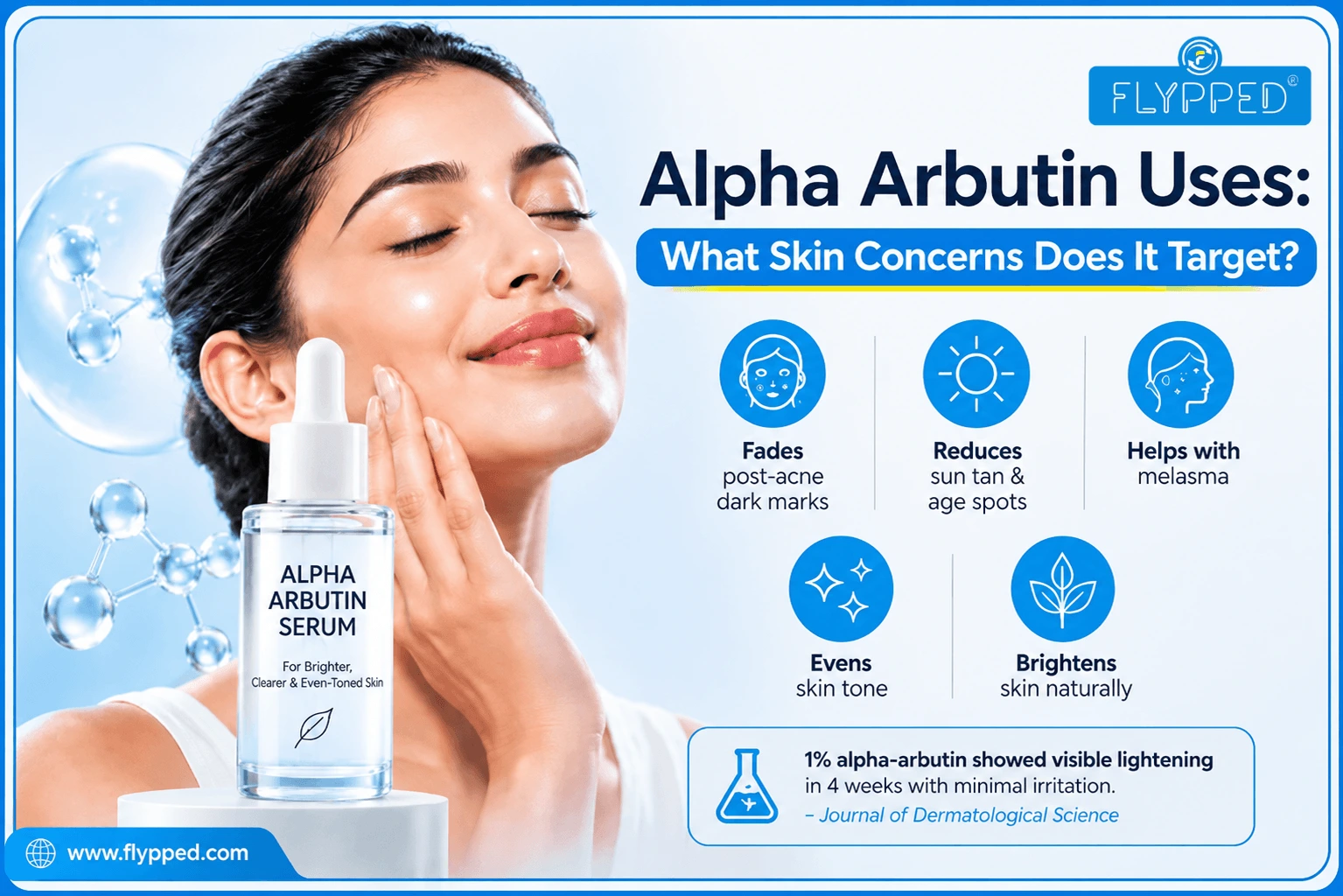
Alpha arbutin uses span a wide range of common hyperpigmentation-related concerns:
- Post-acne dark marks (PIH): one of the most frustrating residues of breakouts, PIH responds well to consistent use of alpha arbutin over 5-8 weeks.
- Sun tan & age spots: UV-induced melanin overproduction is directly tackled by tyrosinase inhibition.
- Melasma: Melasma requires a multi-ingredient approach, and alpha arbutin serves as a foundation to the formula.
- Uneven Skin Tone: With regular use, dull or uneven skin sees a more unified result.
- Brightening: unlike aggressive depigmenting agents like facial bleaches, alpha arbutin does not strip the skin, but rather regulates melanin production selectively.
According to the Journal of Dermatological Science, 1% alpha-arbutin showed statistically significant lightening effects within 4 weeks of twice-daily application, with minimal adverse reactions across all tested skin types.
Alpha Arbutin Benefits: Why It’s Highly Recommended
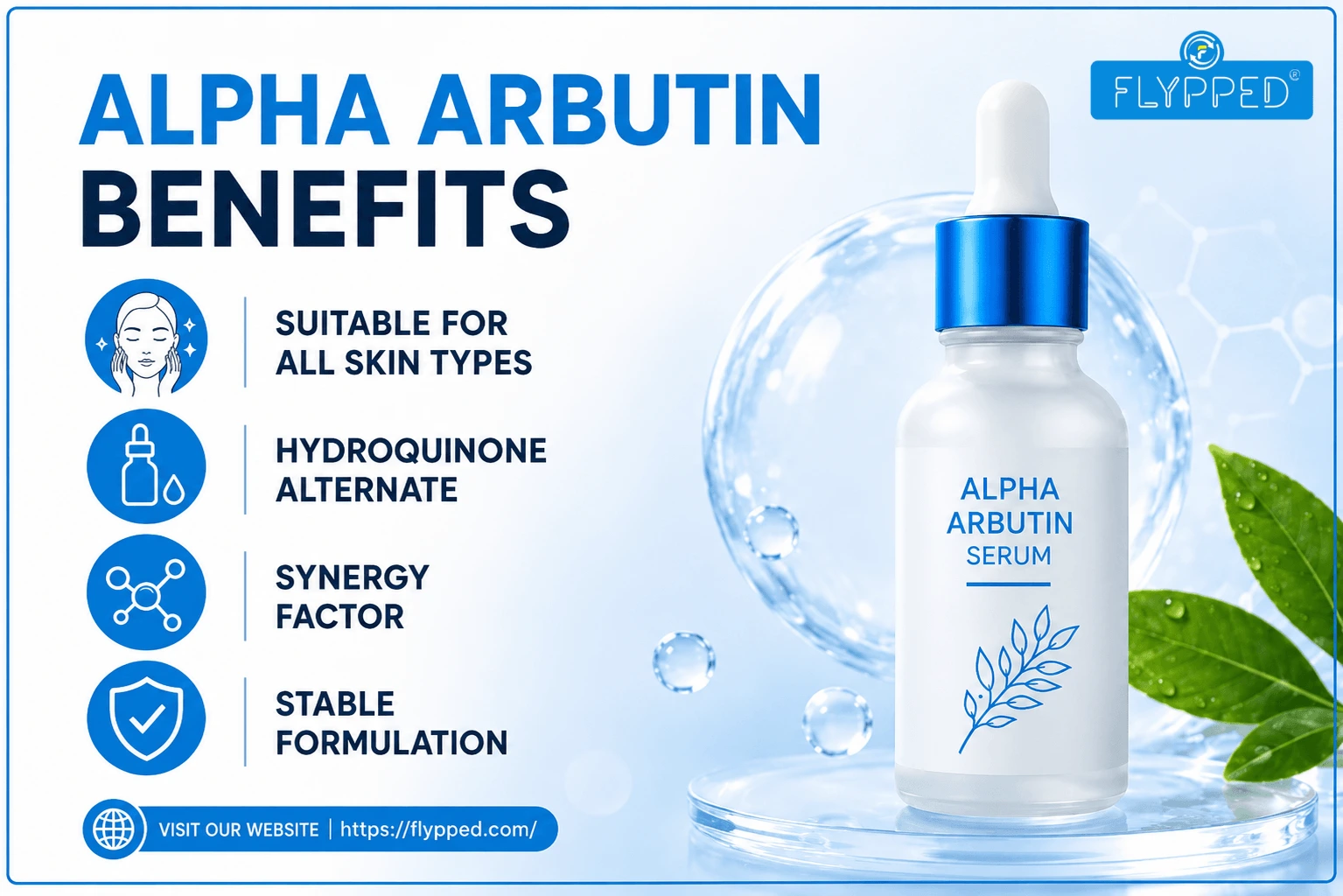
Alpha arbutin’s benefits extend beyond brightening.
- Suitable for All Skin Types: unlike acids or retinoids that can cause peeling and sensitivity, alpha arbutin is tolerated well even by sensitive skin. Hence, it does not compromise the skin barrier or the skin’s pH.
- Hydroquinone Alternate: Hydroquinone has been restricted in several countries due to long-term safety concerns. Alpha arbutin delivers comparable brightening without the regulatory baggage or side effects.
- Synergy Factor: Alpha Arbutin pairs exceptionally with Vitamin C for enhanced antioxidant brightening, hyaluronic acid for hydration support, niacinamide for a complementary melanin-blocking pathway.
- Stable Formulation: Unlike pure Vitamin C, which degrades rapidly on exposure to light and air, alpha arbutin is chemically stable, resulting in longer shelf life.
Dietary Sources That Help Tackle Hyperpigmentation
While skincare acts externally, internal nourishment remains a crucial factor. What we consume plays a significant role in how our skin produces and regulates melanin, manages inflammation, and repairs post-acne damage. Dermatologists refer to this as the inside-out approach to skin brightening. Pairing your alpha arbutin routine with anti-inflammatory, antioxidant-rich dietary choices can visibly accelerate results.
- Vitamin C & E: Vitamin C is a potent internal antioxidant, whilst Vitamin E works synergically with Vitamin C topically and internally. Sources for Vitamin C are amla, guava, kiwi, bell peppers, citrus fruits & strawberries. Sources for Vitamin E are almonds, sunflower seeds, pumpkin seeds, avocado & spinach.
- Omega-3 Fatty Acids: their higher intake has been associated with reduced acne severity. Sources are fatty fish like salmon, mackerel or sardines, flaxseeds, walnuts & chia seeds.
- Polyphenols: Regular consumption of polyphenol-rich foods can complement topical brightening routines. Sources are pomegranate, grapes, red wine, green tea, turmeric and dark berries.
- Zinc: It is widely studied for its role in reducing acne-causing bacterial activity and regulating sebum production. Sources are chickpeas, lentils & cashews.
- Beta-Carotene: It is a precursor to Vitamin A, which contributes to internal protection and contributes to an even skin tone. Sources are carrots, sweet potatoes, mango & papaya.
Avoid high glycaemic foods like processed snacks or white bread, dairy products, excess alcohol and processed seed oils. These foods can exacerbate hyperpigmentation or acne.
Alpha Arbutin Serum Uses: How to Use the Right Way
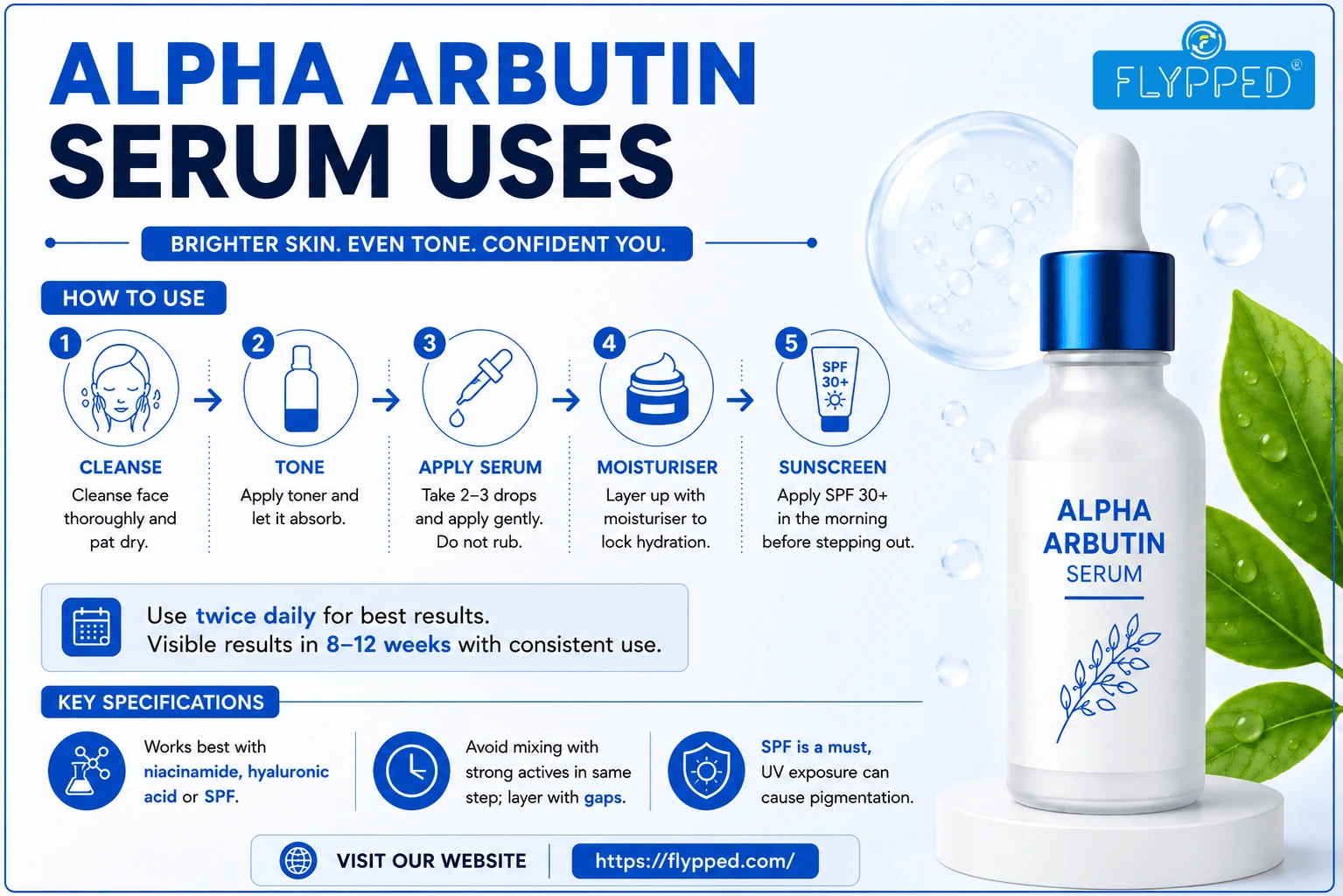
Alpha arbutin in serum format is delivered for deeper skin penetration and higher active concentration as compared to moisturisers or toners. Application steps are as follow:
- Cleanse your face thoroughly and pat dry.
- Apply toner and allow it to absorb for a better skin base.
- Take 2-3 drops of alpha arbutin serum and apply gently to the skin. Do not rub aggressively.
- Layer up with moisturiser to lock in the hydration.
- Apply sunscreen (SPF30+) in the morning before stepping out of the house. Alpha arbutin targets existing melanin but won’t protect against new UV-triggered pigmentation.
- Alpha arbutin serum uses are most effective when applied twice daily. Consistent use over 8-12 weeks can reflect visible results.
Although a hyperpigmentation face serum does not operate in isolation, results depend heavily on how you incorporate it into your daily routine.
Morning Routine: Gentle cleanser > Vitamin C serum > Alpha Arbutin serum > Moisturiser > SPF 30/50
Nighttime Routine: Cleanser > Alpha Arbutin serum > Niacinamide (optional) > Retinol (2-3x per week, alternate basis) > Moisturiser
Key Specifications:
- Do use in a combinational format with niacinamide, hyaluronic acid or SPF.
- Avoid mixing with direct agents in the same steps; layer with time gaps.
- SPF is a must, UV exposure directly counteracts brightening actives.
Alpha Arbutin Side Effects: Is It Safe for Long-Term Use?
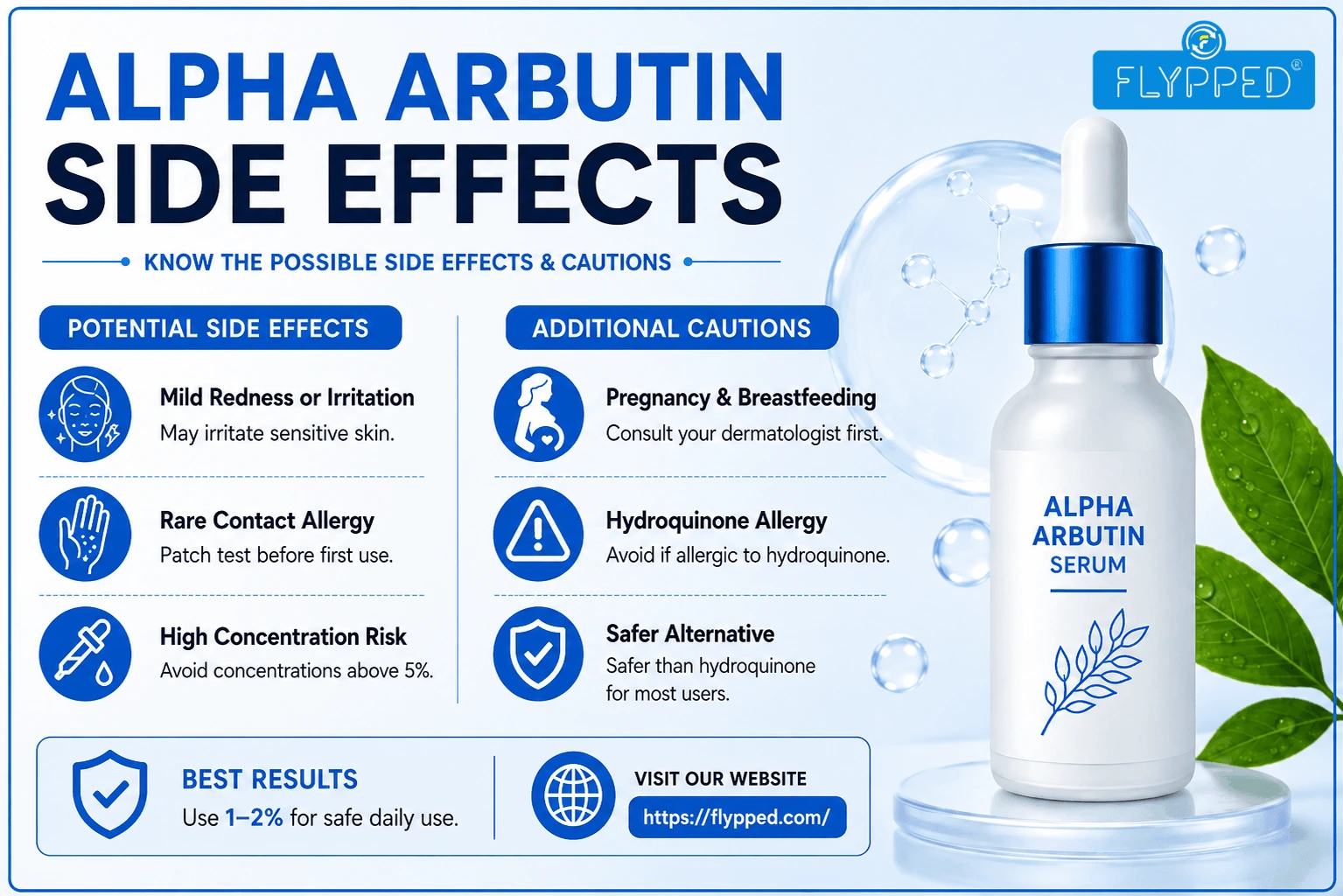
Alpha arbutin is widely regarded as safe for long-term use with a strong tolerability profile. Eventually, it\'s worth understanding the alpha arbutin side effects to use it responsibly:
Potential Side Effects:
- In case you have hypersensitive skin, it might cause mild redness or irritation.
- Possible contact allergy in very rare cases. Hence, a patch test is always recommended before full facial application.
- Very high concentration above 5% may cause paradoxical darkening. This is why it is recommended to use within the 1-2% concentration range.
Additional Caution Areas:
- Pregnant & breastfeeding women should consult a dermatologist before use, as there is limited data on systemic absorption.
- Those with a known allergy to hydroquinone should approach with caution.
Moreover, the alpha-arbutin side-effect profile is considered safer than hydroquinone, kojic acid, or even some dosed concentrations of Vitamin C.
Best Alpha Arbutin Serum: Top Budget-Friendly Picks
Finding the best alpha arbutin serum depends on your budget and skin type & specifications. Here are the top-rated options:
| Serum | Key Features | Suitable For |
| The Ordinary Alpha Arbutin 2% +HA | Budget-friendly, fragrance-free, water-based, paired with hyaluronic acid | Best for first-time users, oily or combination skin profiles |
| Minimalist Alpha Arbutin 2% | Clean, made in India, fragrance-free, with minimal activities to reduce the risk of irritation. | Value-seekers, sensitive skin |
| The Derma Cp. 2% Alpha Arbutin Face Serum | Dermatologist-tested, combination of alpha arbutin with glycerin + HA, targets acne marks & melasma. | Acne-prone skin, all skin types |
| Plum 2% Alpha Arbutin & Hyaluronic Acid Face Serum | 100% vegan & fragrance free, boosted with Yuzu Lemon & Liquorice for added brightening | Tan-prone, sensitive & dry skin |
| Hyphen 2% Alpha Arbutin + Niacinamide Face Serum | Dual-action formula combining alpha arbutin with niacinamide for brightening + barrier support | Dull, uneven skin tone, all skin types |
For those looking for the best serum for pigmentation and dark spots in India, the above-mentioned are strong contenders.
Summing Up
Skincare works best when it’s built on factually driven science, not trends. Alpha arbutin’s growing presence in dermatological recommendations and evidence-based formulations makes it one of the most reliable tools for achieving a brighter, even complexion without compromising skin health.
Read More: