Vande Mataram 1st Two Stanzas Controversy: How Tagore Defined Congress’s Stand on Vande Mataram
Vande Mataram 1st Two Stanzas Controversy: The Congress has once again adopted a compromise that was reached 89 years earlier.
Vande Mataram latest news: Following Parliament's amendment to the Prevention of Insults to National Honour Act, 1971, to grant Vande Mataram the same legal status as the national anthem, Jana Gana Mana, the Congress stated that it would continue to sing only the first two stanzas.
The Bharatiya Janata Party (BJP) described the decision as "anti-national", whereupon the Congress charged the BJP with being "fraudulent and fake nationalists".
NOTE: Stay informed with the latest breaking news, current affairs, top headlines, and latest updates from across the globe.
A key issue in this discussion is the decision taken by the Congress Working Committee (CWC) on October 28, 1937.
Vande Mataram 1st Two Stanzas Controversy: Jairam Ramesh Cites History to Counter BJP on 'Vande Mataram' Debate
Congress MP Jairam Ramesh started off the most recent debate by sharing an excerpt from the book Vande Mataram – The Biography of a Song by the historian Sabyasachi Bhattacharya on X.
First two stanzas of Vande Mataram: This excerpt states that at the meeting held on October 28, 1937, the CWC, comprising figures such as Jawaharlal Nehru, Sardar Vallabhbhai Patel, Subhas Chandra Bose, Maulana Abdul Kalam Azad, Govind Vallabh Pant, and Acharya Narendra Dev, decided to adopt only the first two stanzas.
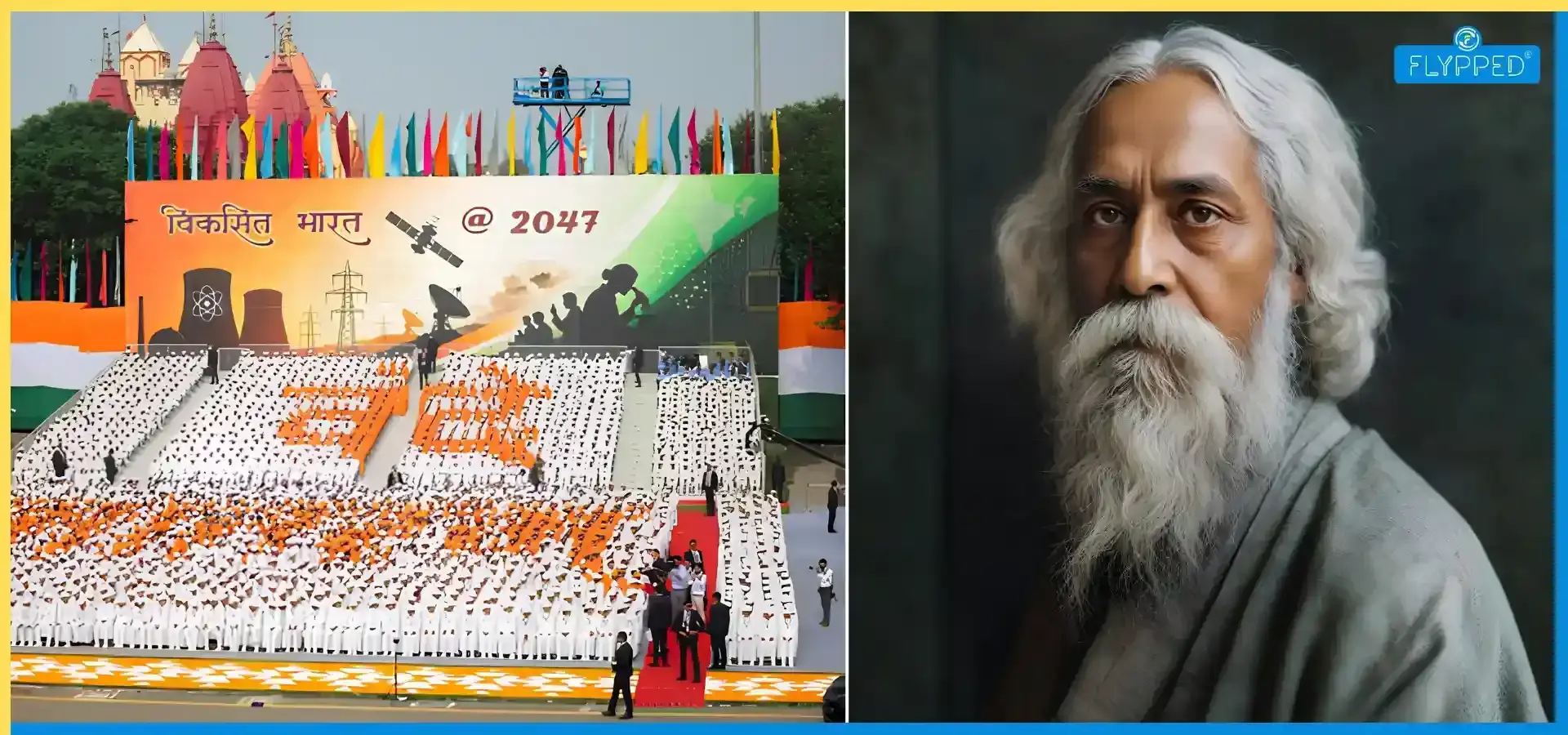
Ramesh stated that this idea came from Rabindranath Tagore, who was closely associated with Vande Mataram and had suggested that only the first two stanzas should be used.
He maintained that by opposing this decision, the BJP was in effect accusing Tagore of possessing a divisive ideology.
Congress Resolution on Vande Mataram
Vande Mataram 1st Two Stanzas Controversy: Shah criticised the 1937 resolution, arguing that it had been drawn up in order to please others. He asserted that the Congress was to blame for splitting Vande Mataram into two parts.
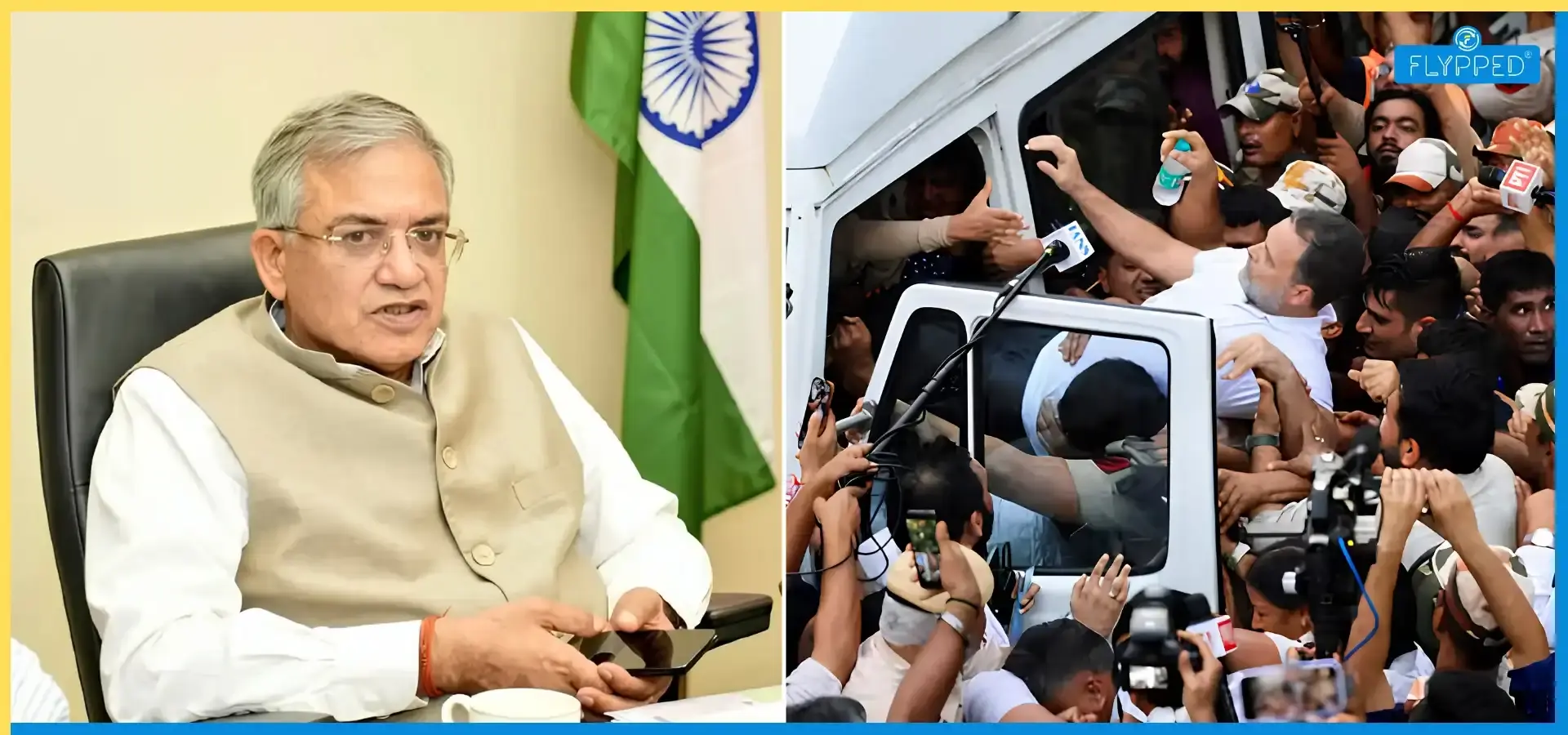
Congress leader KC Venugopal disagreed with Shah's criticism. He said that both Vande Mataram and the national anthem are important to the Congress, whereas the BJP regards the matter as political.
Venugopal pointed out that this is the main difference between the two parties. Bankim Chandra Chattopadhyay wrote Vande Mataram, which translates as "mother, I bow to thee", in Sanskritised Bengali in 1875 and later incorporated it into his novel Anandamath, which is set during the Sanyasi Rebellion, an armed revolt against the rule of the East India Company in late 18th-century Bengal. Tagore then set the verses to music.
Vande Mataram History
Vande Mataram 1st Two Stanzas Controversy: The song became part of the national movement during the Swadeshi period, which lasted from 1905 to 1908; in 1907, Madam Bhikaji Cama first raised the Tricolour outside India in Stuttgart, Germany, with the words "Vande Mataram" written on it.
The first two stanzas have a calm and peaceful atmosphere; they portray the motherland as being rich in water, fruit, and harvests, cooled by pleasant winds, and as speaking gently like a mother under the moonlight.
From the third stanza onwards, there is a change in tone. The imagery now centres on battle and uses symbols associated with the Hindu goddesses.
The motherland is described as Durga, depicted holding a sword, and is also compared with Lakshmi, the goddess of wealth, and Saraswati, the goddess of knowledge.
In one stanza, the qualities of all three goddesses—strength, wealth and wisdom—are combined into a single image of the nation as a mother.
Congress Leaders Debated 'Vande Mataram' Over Complex Language and Communal Concerns
Vande Mataram 1st Two Stanzas Controversy: Even before Congress had reached an official decision, some leaders were concerned about the later verses. Both Subhas Chandra Bose, who backed the song, and Nehru wrote to Tagore asking for his view.
Nehru also told Bose that the song could offend Muslim feelings and admitted that the language was so complicated that he too had to use a dictionary in order to understand it completely. As stated on Nehruarchive.
Nehru thought that a major reason for the opposition to Vande Mataram was communalism; yet he acknowledged that some concerns were legitimate and stated that the Congress should not yield to the demands of the communalists but should instead address the real grievances as they arose.
Resolving the Vande Mataram Debate: How Nehru and Tagore Approached the Song
Vande Mataram 1st Two Stanzas Controversy: Furthermore, Nehru said that he would speak directly to Tagore about the matter. Bhattacharya's book makes it clear why he concentrated on the opening stanzas.
Nehru remarked that the spirit of tenderness and devotion in the first section, together with its emphasis on the beautiful and positive features of the motherland, made a strong impression on him, and thus it was easy for him to separate those verses from the rest of the poem.
Tagore also acknowledged that when the complete Vande Mataram poem by Bankim Chandra Chattopadhyay is read in context, it might be regarded as offending Muslim feelings.
Yet he stated that most people understood the song from its first two stanzas and therefore the entire original poem did not need to be represented.
On July 1, 1939, in an article in Harijan, he declared that he had never seen Vande Mataram as a Hindu song.
Nevertheless, because of the growing communal tensions at the time, he did not want to risk causing a disagreement about the song at meetings with people from different communities, as stated by the Gandhi Research Foundation.
Vande Mataram National Song
Vande Mataram 1st Two Stanzas Controversy: Muhammad Ali Jinnah, leader of the Muslim League, took a firmer position, stating that Muslims throughout the country completely rejected Vande Mataram as the national anthem, according to a Frontline report quoting The New Times of Lahore, March 1, 1998.
He later added that if anyone at a mixed gathering objected to even the shortened version approved by the Congress, the singing should be stopped entirely.
1937 Vande Mataram Resolution
Vande Mataram 1st Two Stanzas Controversy: Bhattacharya stated that the CWC's October 1937 resolution regarded the first two stanzas as vital and inseparable elements of the national movement and claimed they were worthy of affection and respect.
The resolution also asserted that there was nothing in those two stanzas that anyone could reasonably complain about.
The resolution stated that the other stanzas were not well known and were seldom sung; it also noted that they contained references and religious ideas that might not align with the beliefs of other religious groups in India.
The view, established almost ninety years ago with Tagore's input, is currently at the heart of the renewed controversy between the Congress and the BJP.
Read More:
- Petrol and Diesel prices on August 14: Get Today’s Rates in Delhi, Mumbai & Major Cities
- US Accuses India: India on Watchlist over China Tariff-Evasion Network
- PM Modi asks about Sukhbir Badal's Health Following ‘Kirpan Attack’ in Nanded
- Sheikh Rasheed praises Hafiz Saeed: Ex-Pakistan Minister Threatens India at LeT-Linked Event
- Karoline Leavitt Leaves White House as Trump’s Press Secretary
- Neil Patel's Biography
- Solar Eclipse 2026: When and Where to See Today’s Rare Celestial Event
- Zepto Blinkit Food Safety Violations: Food Safety Crackdown Hits Quick-Commerce Sites
- Trump C-32A Aircraft: US President ‘Hidden in Catering Cart’ Amid Iran Threat